❌

Reading view

iFi’s special-edition DAC packs upgraded circuitry and filters tuned by a Brit Award-winning producer

iFi has launched a special edition of its premium iDSD GR 2 DAC and headphone amplifier, the GR 2 MT.

The new DAC has been launched in collaboration with Steve Levine, a Brit Award-winning producer who has worked with the likes of the Beach Boys, Motörhead and Culture Club during his extensive career.

As with its predecessor, at the core of the new iDSD GR2 MT is a Burr-Brown PCM1795 DAC chip working alongside K2HD Technology, a harmonic restoration algorithm built to bring recordings nearer to their original character by “reintroducing subtle detail” and restoring musical tone.

So what’s the difference between this special edition DAC and its standard counterpart? For a start, the GR 2 MT uses a hydrocarbon ceramic circuit board in pursuit of “near-zero signal loss”, an upgrade over the fibreglass cloth and epoxy resin board of the original.

The new model also features “audiophile-grade” tantalum resistors as part of its DAC stage, and uses ‘Audio Note Kaesei’ capacitors as opposed to more standard electrolytic units.

The GR2 MT also comes loaded with two Levine-tuned digital filters which aim to deliver the “balance and emotional potency” of the original record.
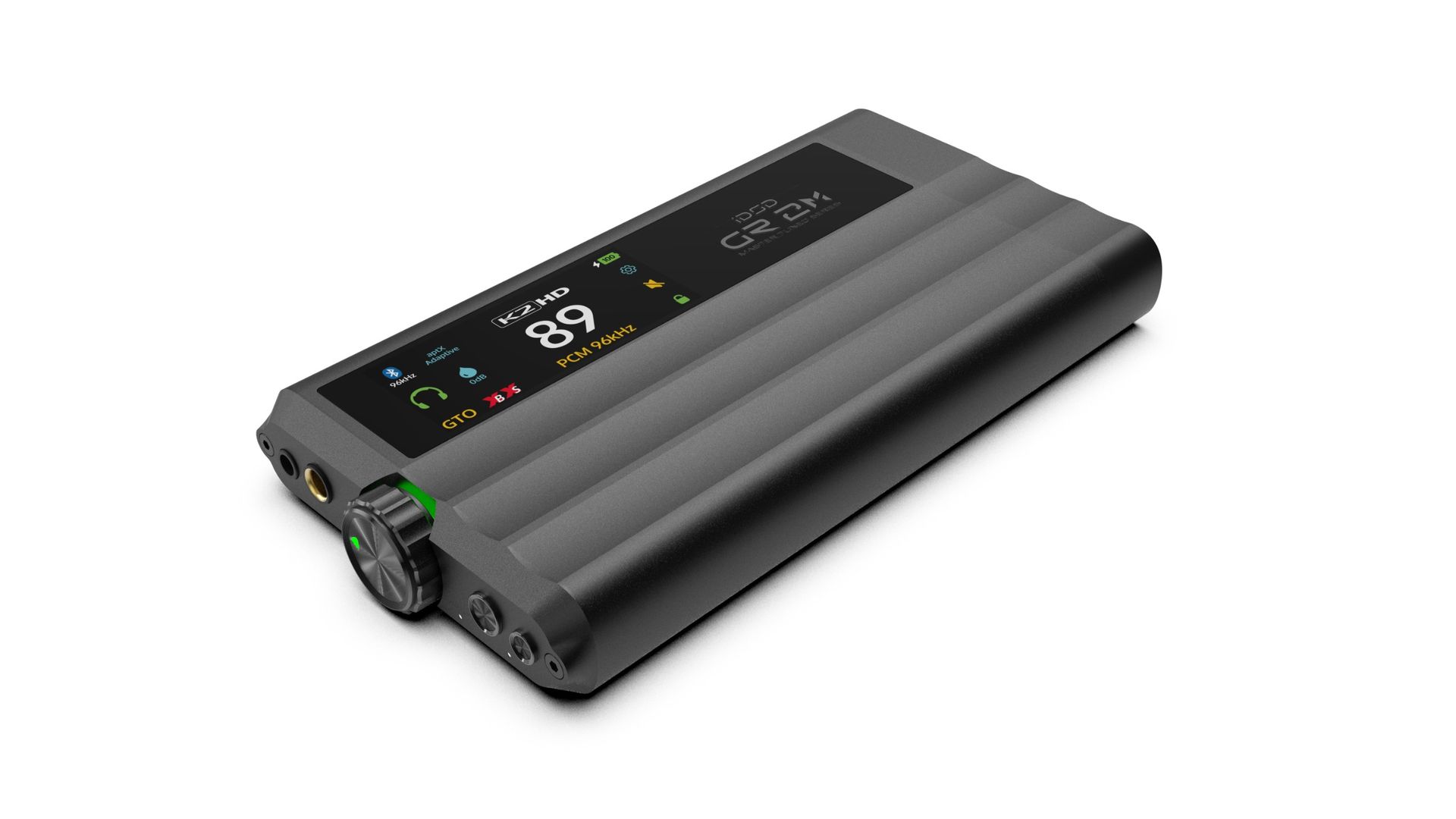
iFi DSD GR2 MT DAC on a white background

(Image credit: iFi)

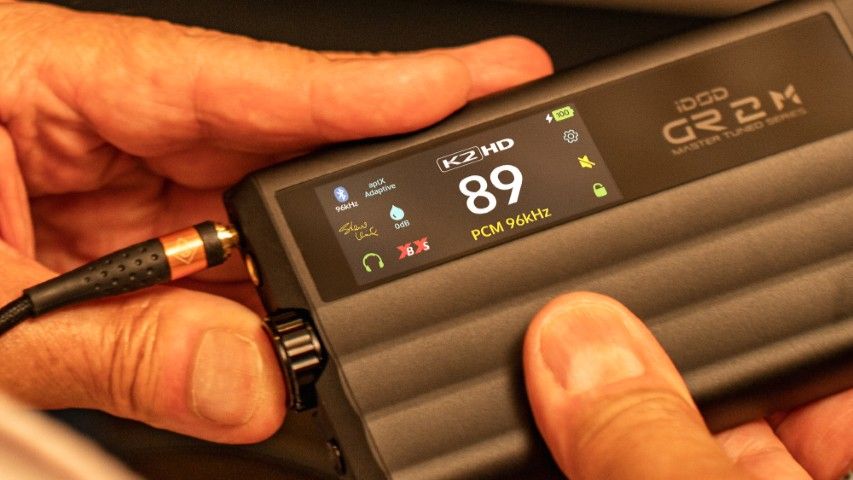
As before, iFi’s special edition DAC sports a ridged aluminium chassis adorned with an OLED touchscreen and topped with a metal control knob, with the rear side of the "Master Tuned" unit now adorned with Levine's signature.

For physical connections, it features balanced 4.4mm and single-ended 3.5mm inputs and outputs, as well as a USB-C input alongside a combined optical/coaxial input.

For wireless listening, you can also accept a signal from a Bluetooth (5.4) source, with higher codec support coming in aptX Lossless, aptX Adaptive and LDAC flavours.

According to Steve Levine himself: “The goal of any producer is to document the authenticity and emotion behind the artist’s performance. I have voiced the iDSD GR2 MT with this same goal in mind, and I hope you feel that when you listen.”

The iFi iDSD GR 2 MT is available now, priced at £699 / $699 / €729, a reasonable advance on the £529 / $529 / AU$849 of the standard iDSD GR 2 we reviewed recently.

MORE:

DAC fans? Read our recent AudioQuest DragonFly Copper review

New issue of What Hi-Fi? out now: it’s a bumper 50th Anniversary special!

Best DACs: USB, desktop and portable digital-to-analogue converters
  •  

Cambridge Audio adds Dolby Audio and a new colourway to its affordable wireless earbuds

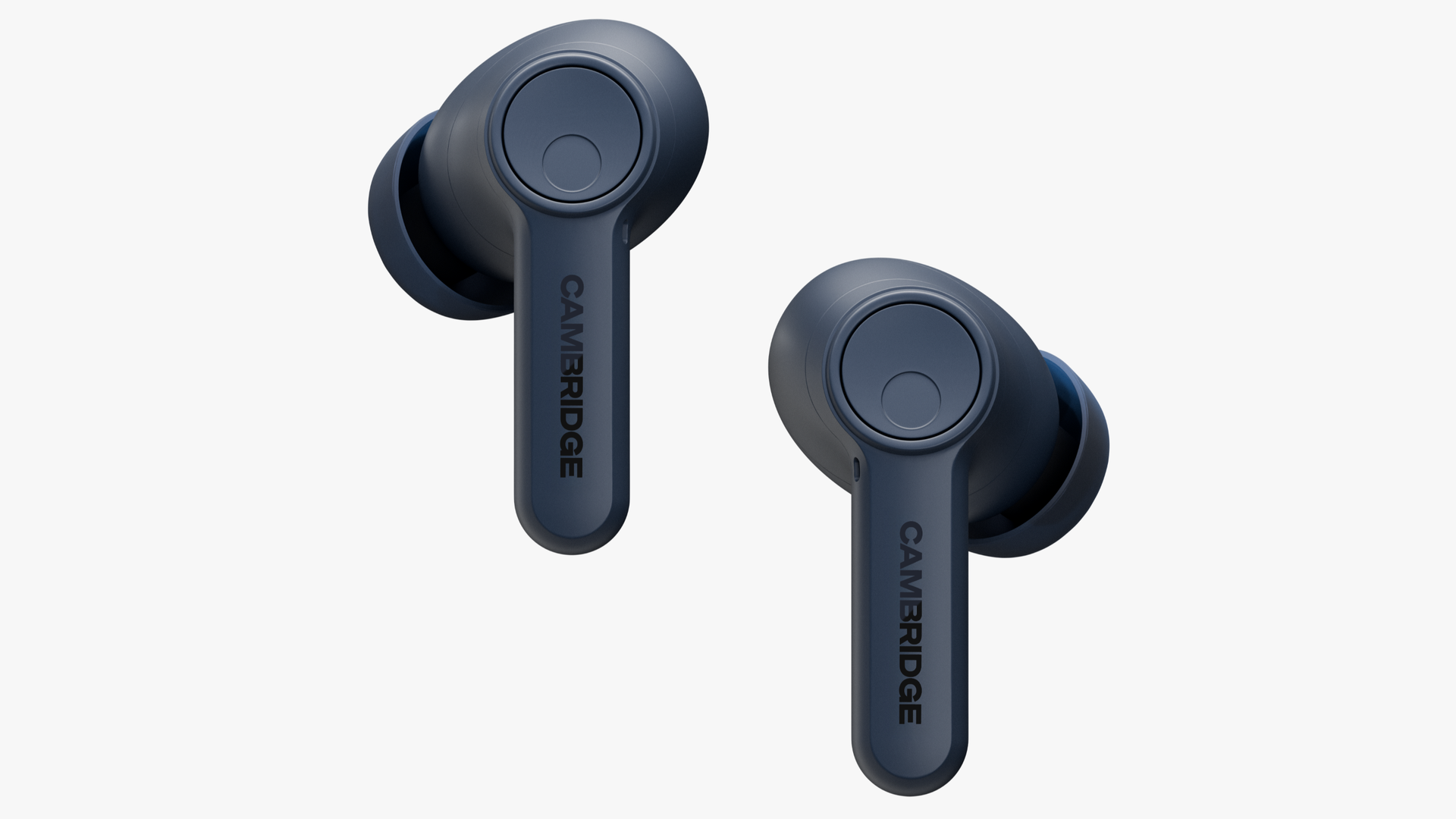
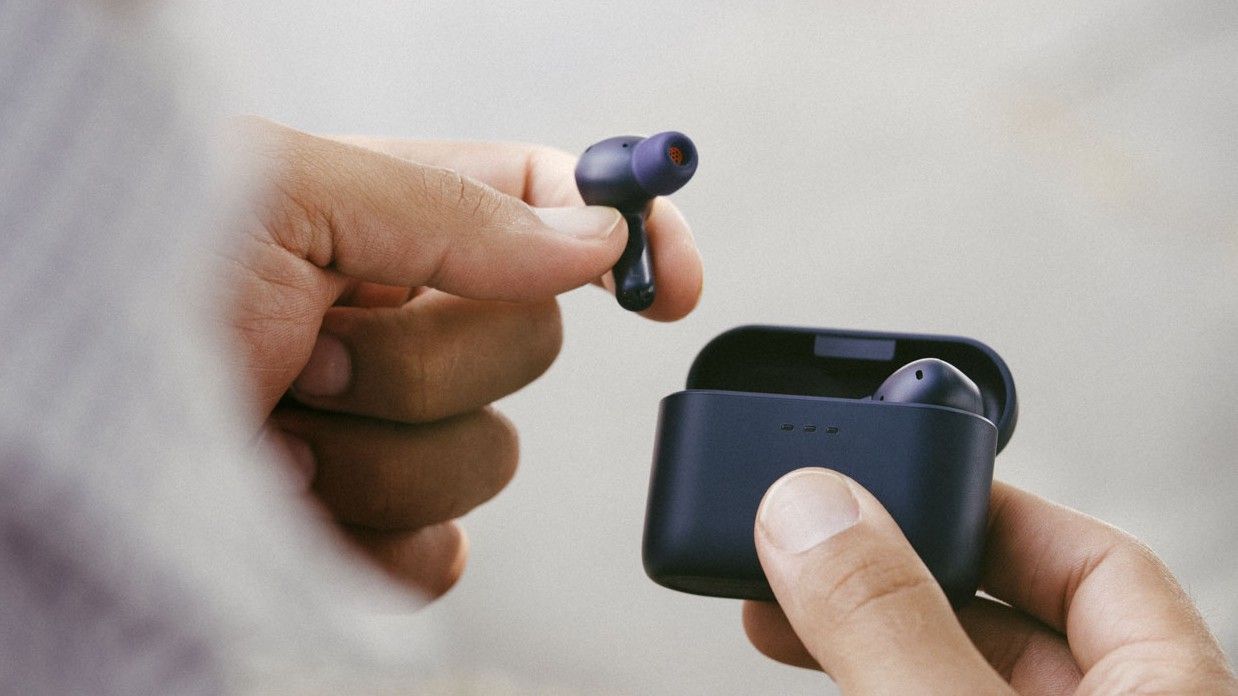
Cambridge Audio has announced a special-edition twist on its affordable Melomania A100 wireless earbuds.

The new Melomania A100 SE offer a twist on the standard buds, bringing Dolby Audio and a new blue finish into the mix.

The special edition buds use the same Class A/B amplification found in Cambridge’s established CX and EX lines, paired with a set of 10mm neodymium drivers to deliver what the brand characterises as “deeper bass, richer mids, and crystal-clear highs” designed to “make music feel even more alive”.

The new earbuds also benefit from dedicated Qualcomm Kalimba digital signal processing for a more refined, less distorted sound, while Snapdragon Sound helps achieve a more stable low-latency connection. The Melomania A100 SE also support the higher-quality aptX Lossless and LDAC codecs for accepting files up to 24-bit/96kHz.

As before, adaptive hybrid noise cancelling is featured, with a standard setting sitting alongside a transparency mode for letting in more of the outside world. A six-microphone array, meanwhile, aims for “exceptional call clarity” on the go.

Cambridge Audio A100 SE wireless earbuds in blue on a white background

(Image credit: Cambridge Audio )

The new buds’ Dolby Audio spatial sound capabilities are accessible via the Melomania Connect app, delivering spatial audio with a “natural, lifelike presentation” for movies, music and games.

The special-edition buds grant more playtime than their standard counterparts, with 6.5 hours from the buds and up to 39 hours of total battery life available with noise cancelling switched off.

Cambridge’s latest wireless earbuds also come equipped with touch controls which can be customised via the accompanying app.

The Cambridge Audio Melomania A100 SE are available this October in black, white or blue finishes, priced at £129 / $149/ €149. For context, the standard edition of the A100 launched last year at £119 / €139.

MORE:

5 brilliant budget audio products to soundtrack your summer

These are the best wireless earbuds you can buy

6 of the best genre-swerving tracks to test your hi-fi system

  •  

Loewe's snazzy-looking Bluetooth speaker promises "exceptional acoustic power", but comes at a premium price

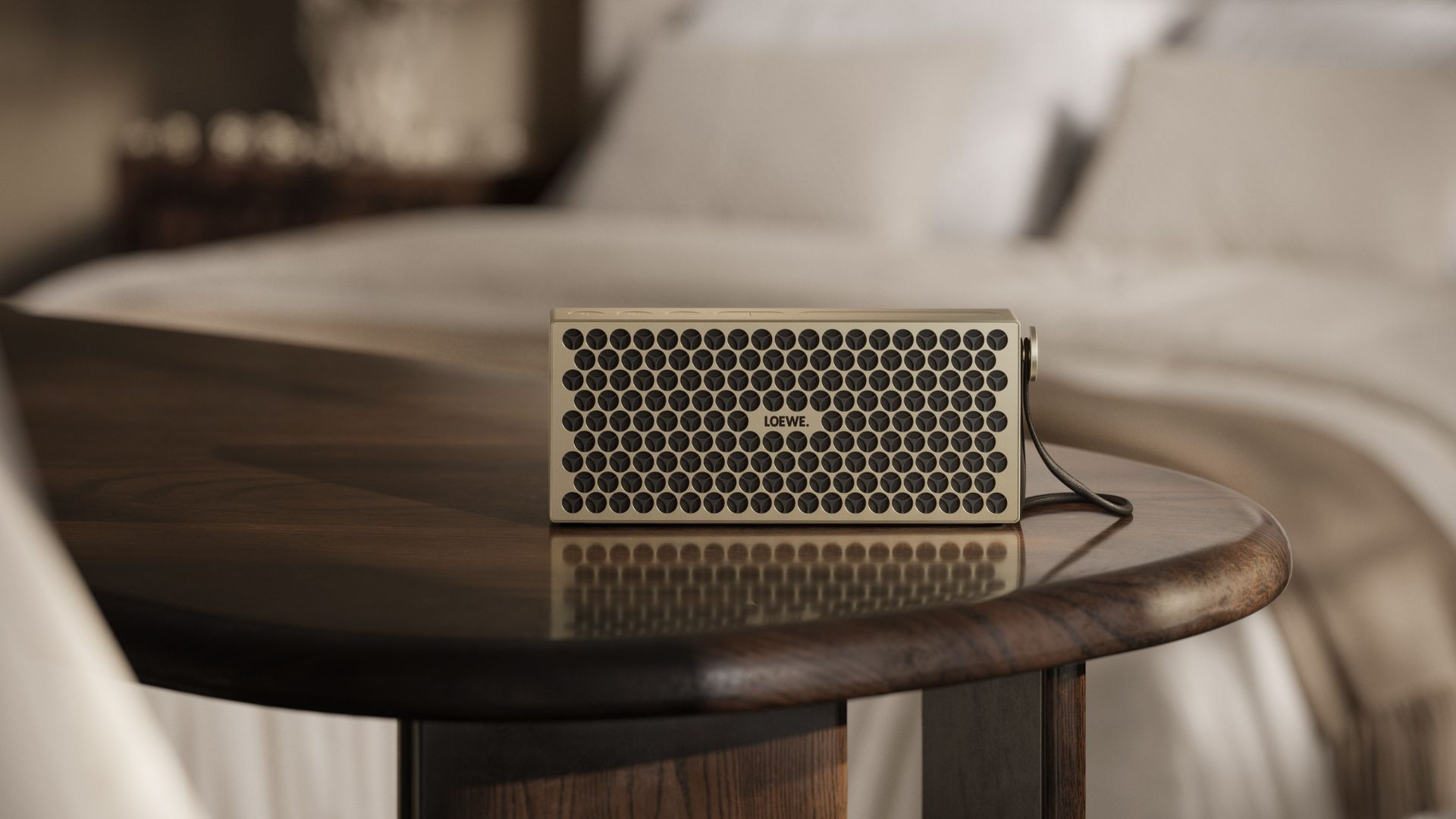
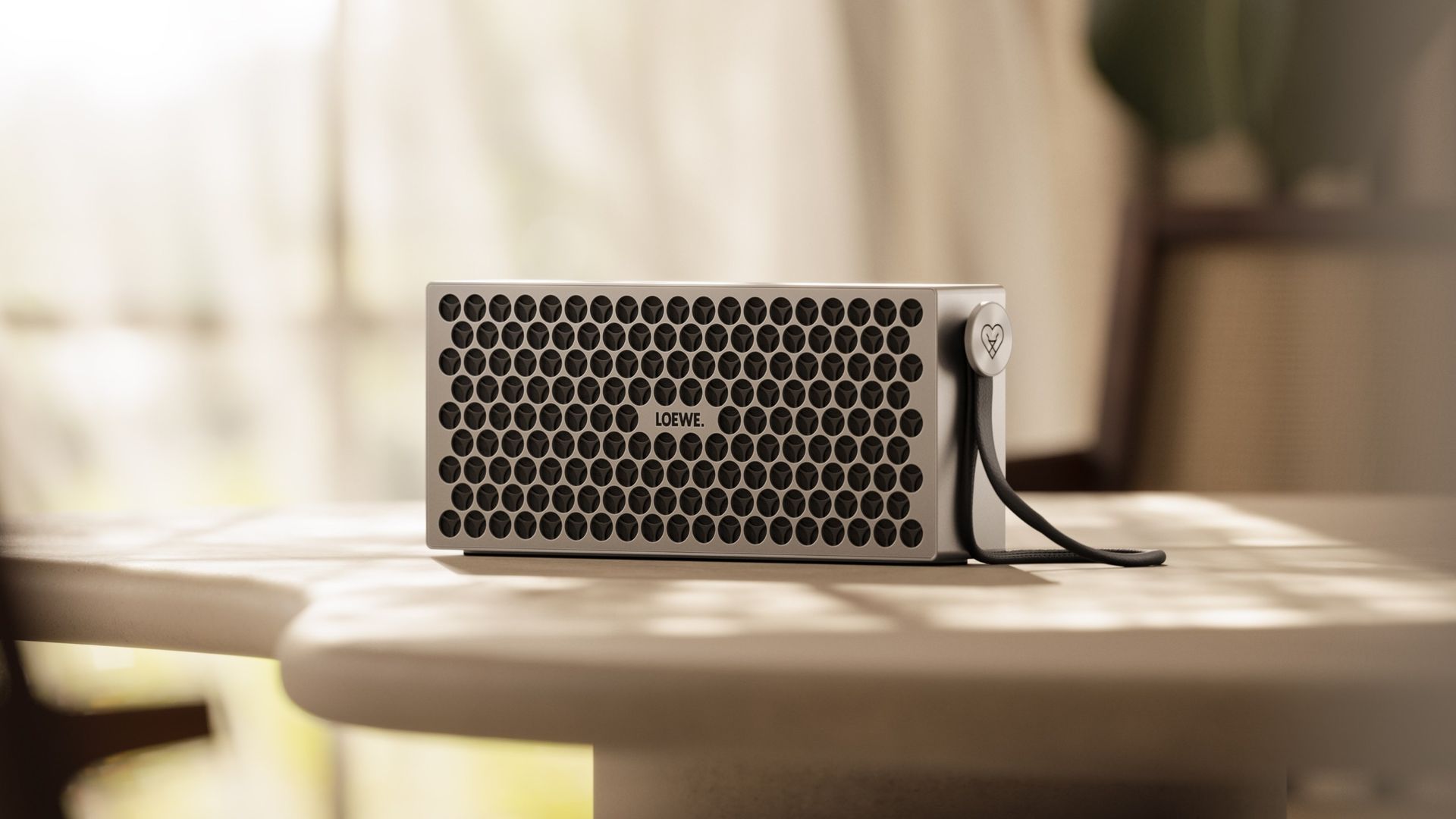
German tech brand Loewe has launched its latest Bluetooth speaker, the Leo, billed as a way of getting outstanding sonic performance in a premium portable design.

The Leo delivers 50 watts of total power and dual passive bass radiators, helping to ensure, says Loewe, that “compromising on acoustic fidelity is never a consequence of mobility”.

Adding to those mobile credentials are an IP67 water- and dust-proof certification, 12 hours of battery life, as well as a detachable leather carry-strap and a premium felt case. Auracast is on board, meaning you can connect the Neo to any number of other speakers capable of supporting the increasingly popular wireless sharing technology.

Externally, Loewe’s latest features built-in ambient lighting that can be adjusted manually using the on-unit light strip. The speaker uses a premium aluminium housing with interchangeable speaker grilles, meaning you can switch up your speaker’s look depending on your mood and desired aesthetic.

The speaker also houses top-mounted controls, including a power button, bass and treble boosters, and a light toggle.

Loewe Neo Bluetooth speaker in a bougee setting

(Image credit: Loewe )

The Neo is controllable via Loewe’s accompanying app, from which you can personalise the speaker’s on-unit lighting and tweak your sound via three sonic presets alongside individual bass and treble adjustments.

According to Aslan Khabliev, CEO of Loewe: “For decades, Loewe has been synonymous with design, innovation and individuality. Neo implements that philosophy out into the world, combining exceptional acoustic power, intelligent lighting, and unprecedented customisation in one beautifully crafted product.”

The Loewe Neo will be available for preorder from 20th November in Alu Silver, Alu Black or Champagne finishes, priced at £400 / €400, making it more expensive than the five-star JBL Xtreme 5 (£330 / €350). Note that the Champagne finish will run as a limited edition colourway.

MORE:

Love Bluetooth speakers? Read our recent Marshall Kilburn III review

New issue of What Hi-Fi? out now: it’s a bumper 50th Anniversary special!

Best Bluetooth speakers tried and tested for every budget

  •  

Marshall’s premium Bluetooth speaker is built to get the party started – and keep it going long into the night

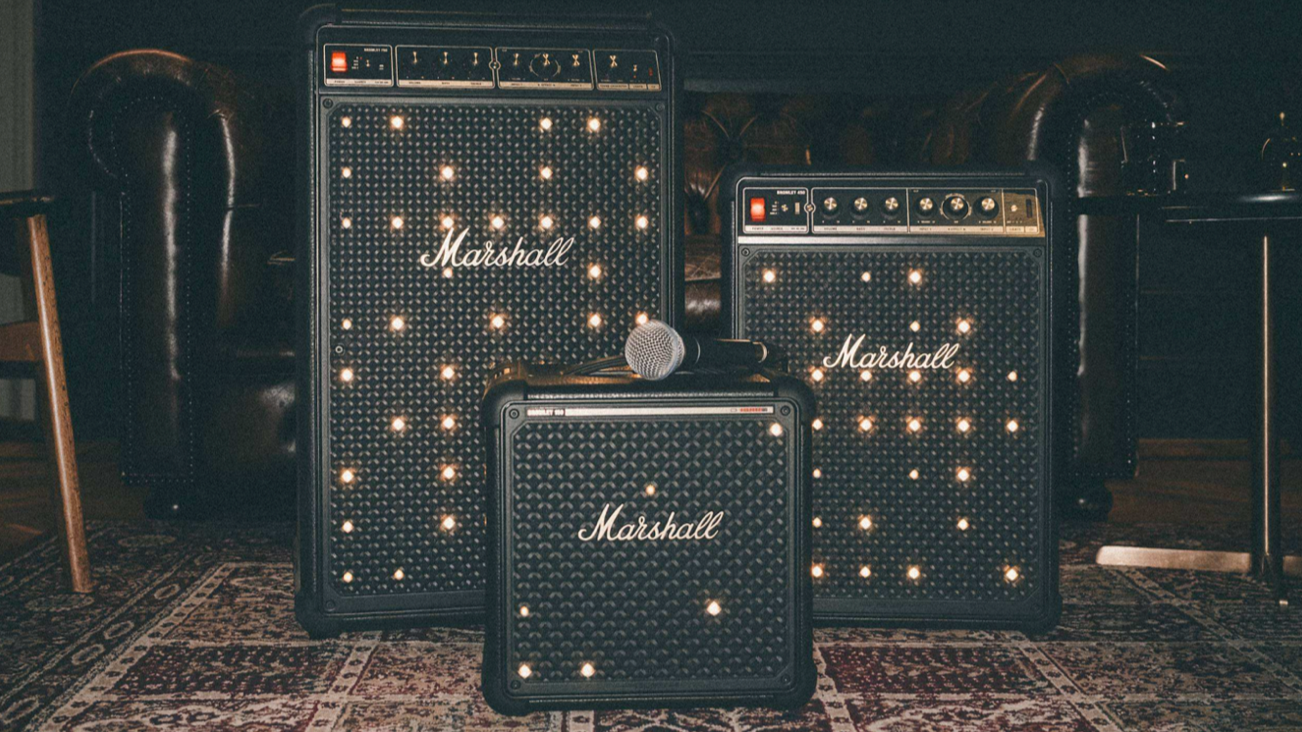
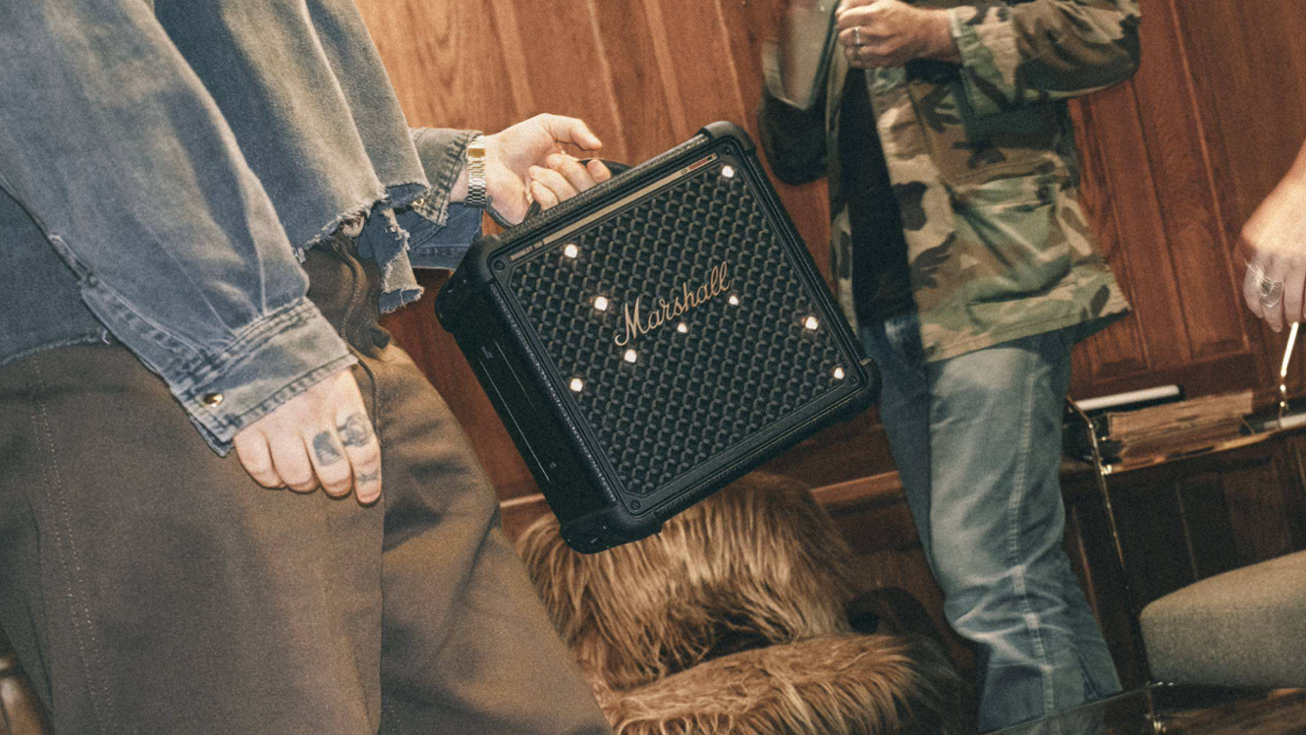
British audio brand Marshall has launched its latest party-ready Bluetooth speaker, the Bromley 150.

Acting as the newest and most portable addition to the brand’s party-focused speaker line-up, the new unit packs 200 watts of Class D amplification driving a four-driver array to produce “rich mids, detailed highs, and deep bass”.

Those drivers are backed by Marshall’s ‘Stereophonic 360 sound’ technology, which seeks to emulate the immersive feel of a live performance by creating a more omnidirectional sound that remains consistent at any angle.

The Bromley 150 carries the same design language as its 750 and Bromley 450 stablemates, with a mounted control panel accompanied by integrated stage lights which sit behind the grille and move in sync with your music.

The new speaker boasts more than 40 hours of playtime on a single charge, with a 20-minute charge granting 5 hours of playtime. An IP55 certification and a silicone cover offer protection against water and dust ingress, while a retractable carry handle further adds to the (reasonably) compact Bromley 150’s portable credentials.

Marshall Bromley 150 Bluetooth speaker in black with on-unit lights

(Image credit: Marshall )

Like its bigger brothers, the new speaker offers microphone and instrument inputs via its combined XLR/6.3mm jack, so you can use it for impromptu karaoke and jamming sessions alongside day-to-day listening. For pure audio inputs, a 3.5mm auxiliary port is available alongside USB-C.

According to Emma Rydahl, Marshall’s Senior Industrial Designer: “Bromley 150 delivers the same exceptional performance and craftsmanship as the Bromley 450 and 750 in a more compact form. By repositioning the control panel to the side while retaining the tactile controls users love, we’ve freed up the entire front panel for what matters most: powerful sound and immersive stage lighting.”

The Marshall Bromely 150 will be available for general sale on 13th of October in its ‘Black and Brass’ colourway, priced at £400. That’s a good chunk more than the Award-winning JBL Xtreme 5 (£330 / $400).

MORE:

Love Marshall? Read our recent Marshall Kilburn III review

New issue of What Hi-Fi? out now: it’s a bumper 50th Anniversary special!

Best Bluetooth speakers tried and tested for every budget

  •  

Nothing's flagship wireless headphones are "ludicrously over-engineered" to deliver its "best listening experience ever"

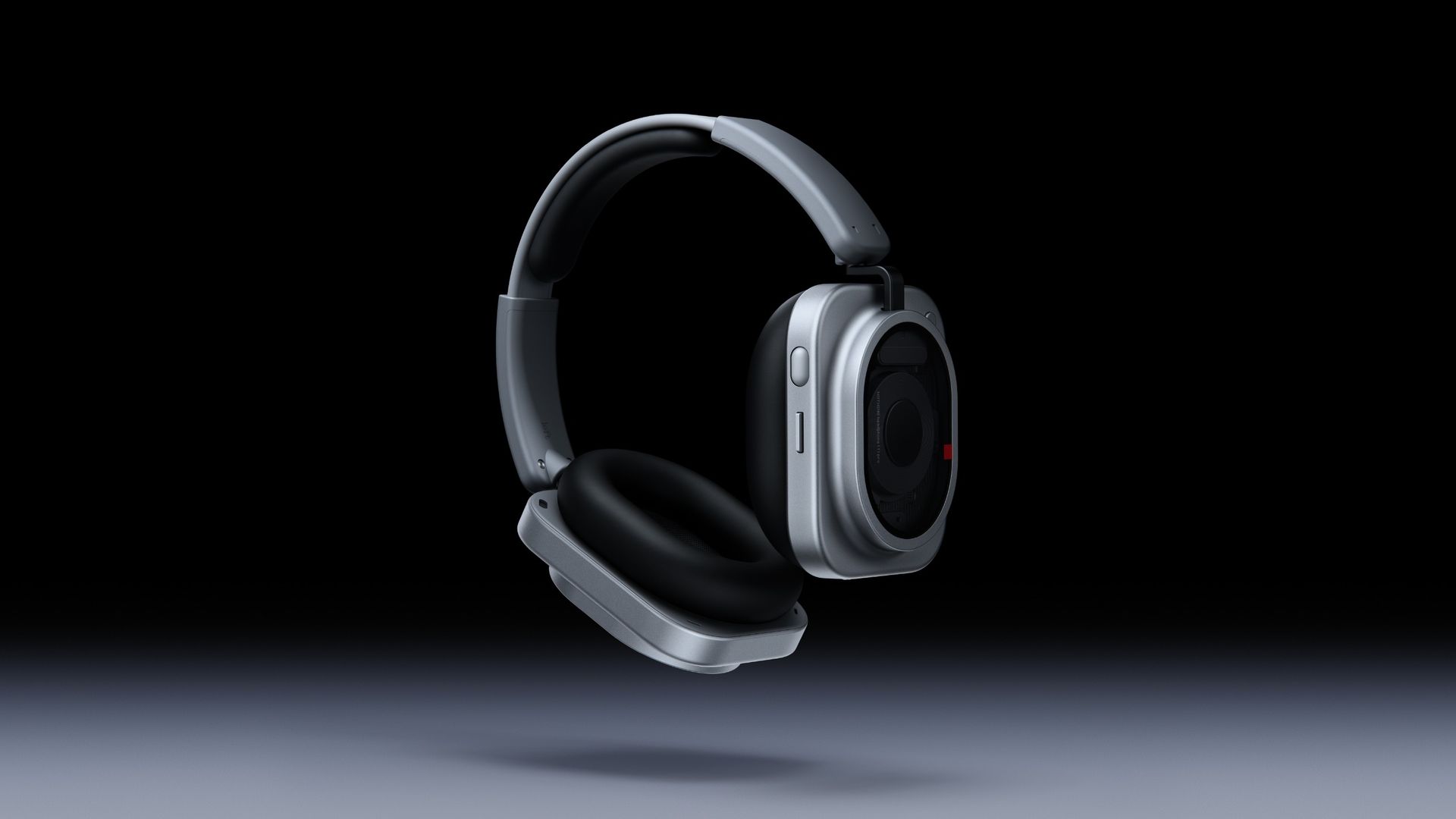
Nothing has announced its latest pair of over-ear wireless headphones, the Headphone (1) Pro.

Following on from the original Headphone (1) and its more affordable Headphone (a) counterparts, the new Headphone (1) Pro sit atop the brand's over-ear range as its most advanced cans yet.

Aimed at audio enthusiasts seeking "the most detailed and customisable listening experience, the Headphone (1) Pro feature a triple driver architecture designed to more effectively cover the sonic spectrum.

Nothing teases punchy bass thanks to the headphones' bass dynamic driver, accompanied by textured vocals from a dynamic midrange unit and crisper highs courtesy of a new treble 'xMEMS' driver. For higher-fidelity playback up to 24-bit/192 kHz, you can connect to the new flagship cans via USB-C.

Nothing promises its best-ever active noise cancelling courtesy of the Headphone (1) Pros' 10-mic array and more isolating ear cushions. The brand's 'Clear Voice Technology', meanwhile, uses two mics on each side of the headphones to keep voices sounding clear and crisp.

What about battery life? The Nothing Headphone (1) really excelled in this area, granting a whopping 80 hours of playtime with ANC switched off and around 35 hours with noise cancelling turned on.

The more powerful Headphone (1) Pro don't quite match those numbers, but with 68 hours of playtime with ANC off and 30 hours with it on, plus four hours of listening from a 5-minute charge, they're hardly doing badly.

Nothing Headphone Pro (1) wireless headphones on a black background

(Image credit: Nothing )

The Headphone (1) Pro are controlled using the Nothing X app, from which you can access a range of fine-tuning tools to personalise your experience.

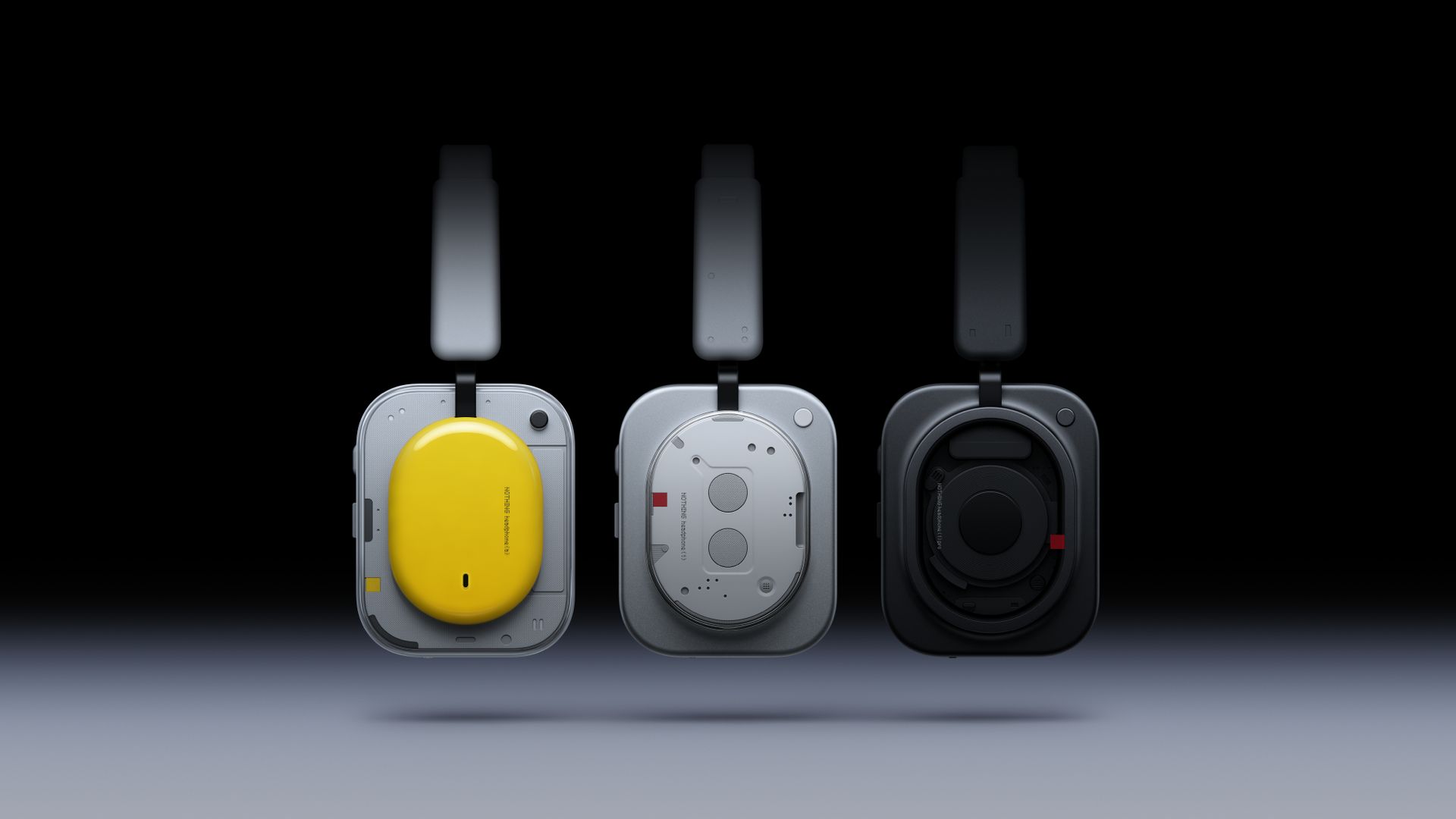
This is an unashamedly Nothing pair of headphones in terms of looks, with the flagship cans sharing a similar design language with their more affordable forebears. The rectangular earcups return, boasting scratch-resistant glass which grants a glimpse of the drivers housed beneath.

Nothing also promises more even weight distribution thanks to a wider headband and thicker padding, as well as titanium arms and softer ear cushions to further aid user comfort. They're even IP52 rated, granting protection against water splashes and some dust ingress.

The Nothing Headphone (1) Pro are available now in Black or White finishes, priced at £349 / $399. That's a figure that puts them firmly in the mix with the likes of the Sony WH-1000XM6 (£349 / $400 / AU$699) and Sennheiser HDB 630 (£400 / $500 / AU$1000).

MORE:

In the market for wireless headphones? Read our recent Sonos Ace Ultra review

Rewind: A Swiss Army knife CD player, Sonos Beam and Ace Ultra reviews, next-gen upgrade for wireless headphones and more

New issue of What Hi-Fi? out now: it's a bumper 50th Anniversary special!

These are the best wireless headphones you can buy

  •  

No, for real this time! A HomePod Mini 2 is on its way, and you're spoiled for choice when it comes to finishes

What was the moral of The Boy Who Cried Wolf? Keep telling the same old tale and, eventually, people will stop believing you.

We've had so many false dawns with regard to the new HomePod Mini 2 that we were genuinely starting to believe that a sequel would never come. Apple's recent September launch event seemed like the perfect time for some new HomePods, but we had to settle for a folding iPhone and the AirPods 5 with ANC.

We know we've said it before, but this time it really does appear to be the case: Apple looks set to launch the HomePod Mini 2 at some point before the end of 2026. According to MacRumours, Apple has indeed been working on a new HomePod for several years, hence previous reports of iOS software updates including codenames referencing a number of unreleased products.

One of those codenames was 'B525', and as the current HomePod Mini has the code 'B520', that had strongly implied that a second-gen sequel was forthcoming. We all thought that Apple's recent launch event would be the time to do it, but a no-show on the HomePod front now appears to be a minor hiccup rather than a definitive sign that no new models would ever be forthcoming.

HomePod Mini

The current HomePod Mini remains a ripper smart speaker. (Image credit: Future)

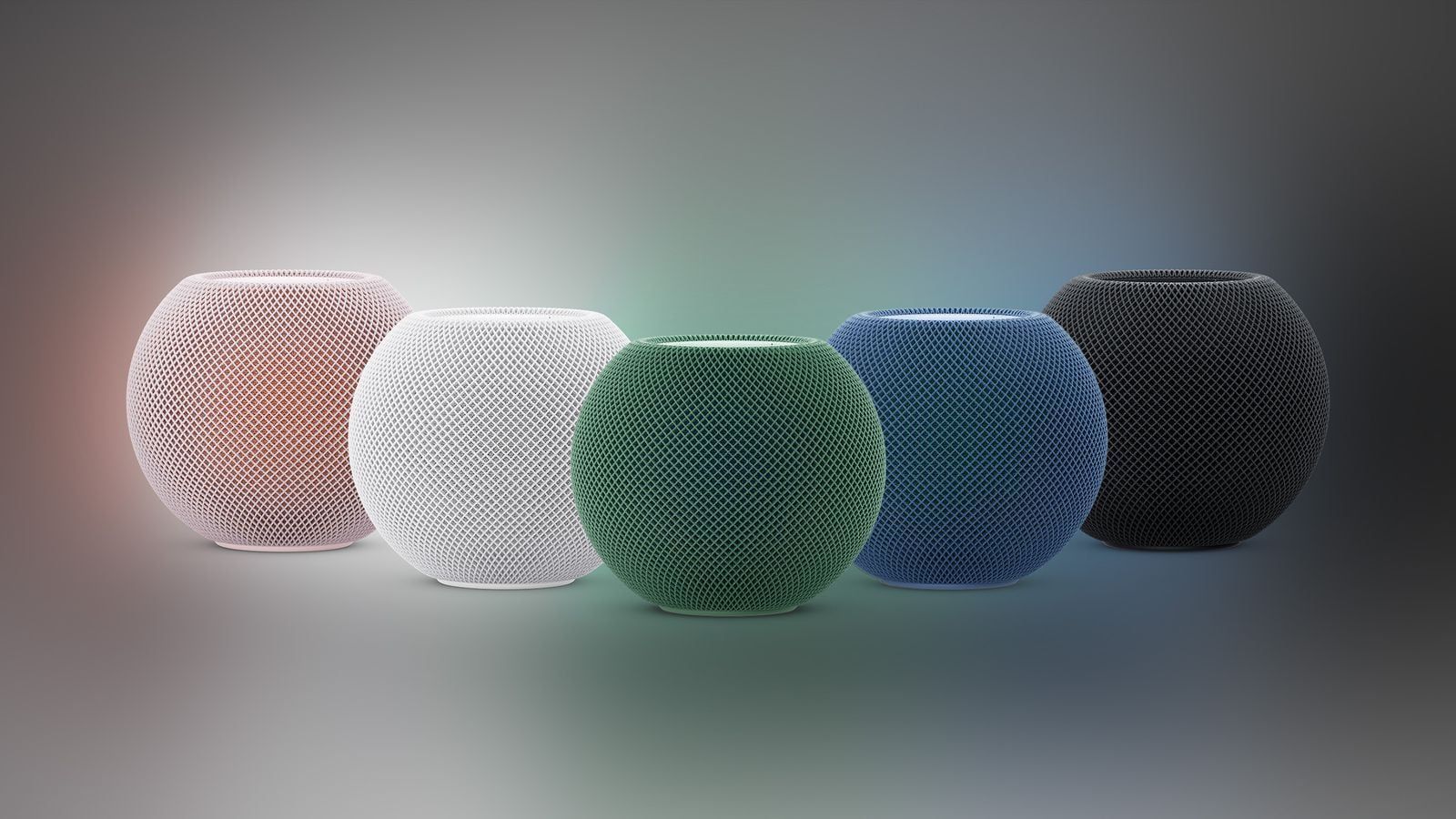
Now, the evidence is far more concrete than codes and call signs. According to MacRumours, Apple's own code shows clear product images of the new models in all of their colours, specifically referring to a "‌HomePod Mini‌ 2".

The new ‌HomePod Mini‌ will come in green, pink, blue, white and black finishes, a switch up from the current model's yellow, orange, blue, white and midnight offerings. Apple added a few colourways post-launch to the HomePod Mini, so it could expand the palette of the second-gen speaker later down the line.

Elsewhere, we're still at the point of broad speculation regarding upgrades, but we remain steadfast in our conviction that, thanks to a new chip, upgraded Apple Intelligence and improved Siri performance will be locked and loaded. We might potentially see improved microphones, enhanced audio, better codec support and, as pictures now showcase, those flashy new colourways.

Prices are yet to be leaked, but we're still hoping that Apple doesn't hike the price of the Mini's original £99 / $99 / AU$149 RRP for the sequel. Sadly, chip shortages are hitting audio manufacturers hard, so don't be too shocked if prices rise when the Mini 2 arrives.

We know we've said it before, but this time it really might be true: a HomePod Mini 2 could be just months, maybe weeks, away. Now, where's that HomePod 3 got to?

MORE:

Apple HomePod 2 vs HomePod Mini: what are the differences?

From Technics’ iconic turntables to JBL’s Classic standmounts – discover five of the best hi-fi product revivals

Our pick of the best wireless speakers you can buy right now

  •  
❌