TL;DR:Windows 11 Pro is on sale for $9.97 (reg. $199), giving you a lifetime license with BitLocker, Hyper-V, Windows Sandbox, and other Pro features for one PC.
Need the extra features that come with Windows 11 Pro? A lifetime license is now just $9.97 (reg. $199), giving you access to BitLocker, Hyper-V, Windows Sandbox, and other Pro tools without a recurring subscription.
Windows 11 is also getting some welcome interface changes in 2026, including the return of a movable taskbar and a redesigned, resizable Start menu. These updates are rolling out in stages, so availability can vary, but they add to the appeal of moving to the newer OS.
BitLocker provides full-disk encryption, while Hyper-V lets you run virtual machines. Windows Sandbox provides an isolated environment for testing apps, and Azure AD support adds business-focused identity and access management. You also get Snap layouts, biometric login with TPM 2.0, DirectX 12 Ultimate, and Copilot in the taskbar for tasks such as answering questions and summarizing pages.
EVGA
Those Pro features make this license particularly relevant for developers, IT professionals, and business users who need virtualization, encryption, or business identity tools.
Get Windows 11 Pro for $9.97 (reg. $199) while the deal lasts through Sept. 10 at 11:59 p.m. PT.
TL;DR: The MacMagic Lifetime Upgrades License is on sale for $29.99 (reg. $99.99), but code MAGIC takes $7.02 off, bringing the price to just $22.97 through September 10 at 11:59 p.m. PT.
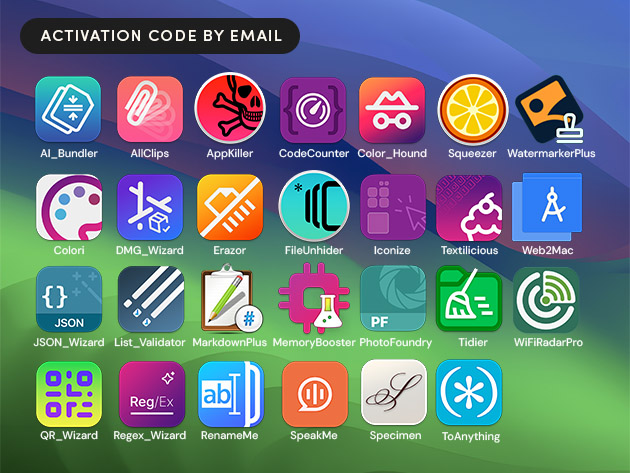
The MacMagic Lifetime Upgrades License puts a collection of useful Mac utilities in one place, and it’s on sale for just $22.97 when you use coupon code MAGIC at checkout. The lifetime upgrades license gives you a toolkit for cleaning up your Mac, managing files, and handling tasks that can otherwise require separate apps.
More control over your Mac in one app
The Image Converter can batch resize, rotate, and convert images across more than 100 formats, while the Recent Files, Cache & Log Cleaner helps identify and remove large caches and logs. You can also reveal hidden files in Finder, force-delete stubborn files, and batch rename files.
MacMagic can also combine and compress PDFs, lock folders, browse SQLite, XML, and JSON files, and provide quick access to hidden system tools. There’s a helpful plain-text editor, QR code generator, and tools for disconnecting Wi-Fi or viewing file locations using GPS metadata.
This app is a practical fit for Mac users who regularly manage lots of files or want more utilities without installing a separate app for every task. The license supports activation on up to five machines per year and is available to both new and existing users.
Use code MAGIC at checkout and take $7.02 off the $29.99 sale price and get MacMagic for $22.97 until September 10 at 11:59 p.m. PT.
Apple always holds its events at 10 am PT, with iPhone launches usually taking place on the second Tuesday or Wednesday of September. This year, that means the event, dubbed Surprise and Shine, will take place on Wednesday, September 9. Additionally, Apple always introduces its new iPhones and Apple Watches at its September special event, and this year is no different.
Except this year, everything is different. The iPhones are different. The CEO is different. The event may be different. Here’s what we expect from Apple’s big September show.
The John Ternus show
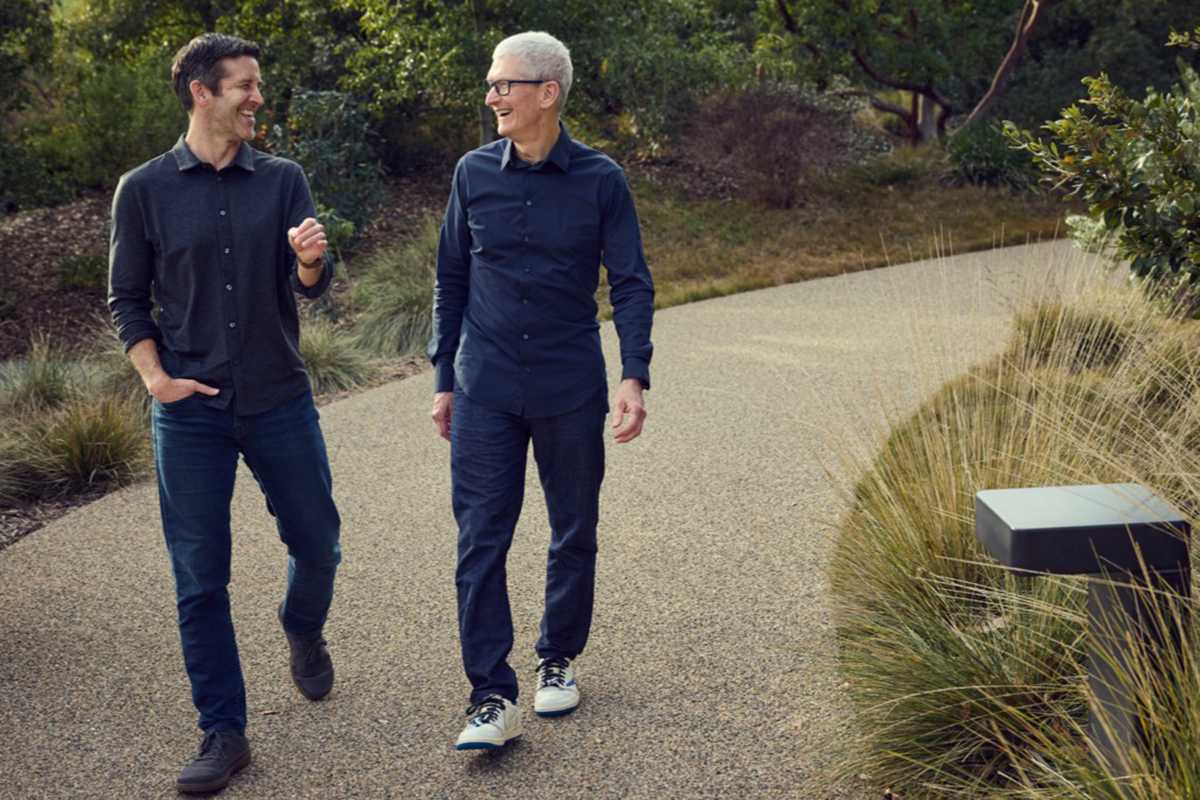
Tim Cook stepped down from his position as CEO after 15 years, though he will remain on the board of directors. He has named John Ternus, who was most recently senior vice president of hardware engineering, as his successor.
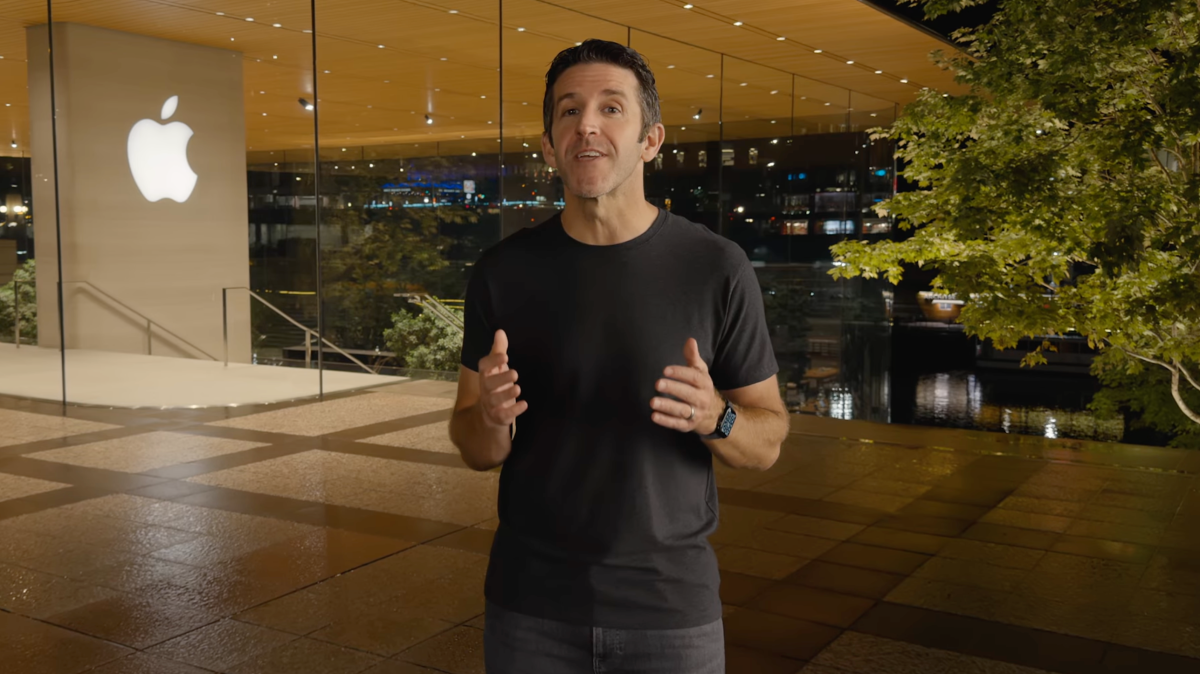
That means this is the first Apple Special Event in which Ternus will be the headliner, introducing the start of the event and thanking everyone at the end. Individual products are likely to be demonstrated by other Apple executives—they always are—but this is a big opportunity to shake up the format of Apple events in general.
Will we see a return to live stage events? Will the structure and format of the pre-recorded video events change at all? Or will Ternus be essentially interchangeable for Tim Cook, with nothing else about these big product reveals changing at all? Will Apple make a “Turn” pun at some point? We’ll have to wait and see.
iPhone Ultra
For the first time in over a decade, Apple is going to dramatically change the iPhone’s form factor.
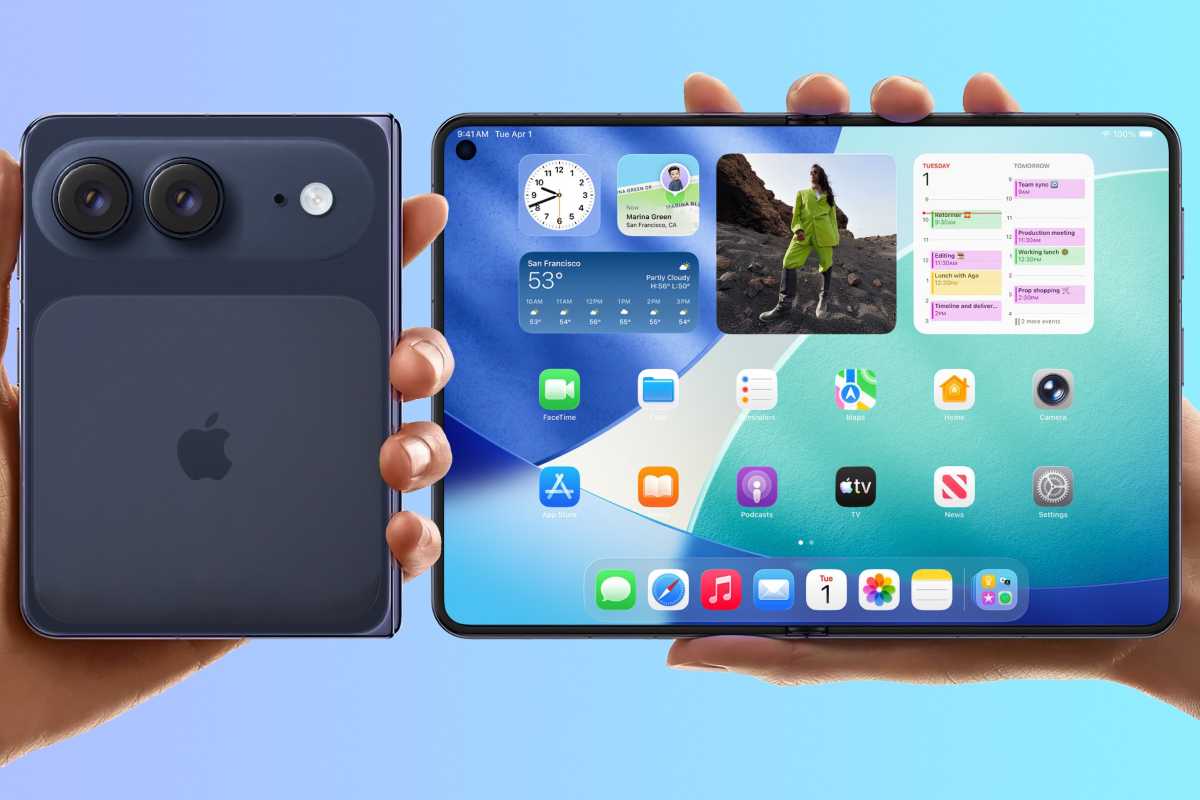
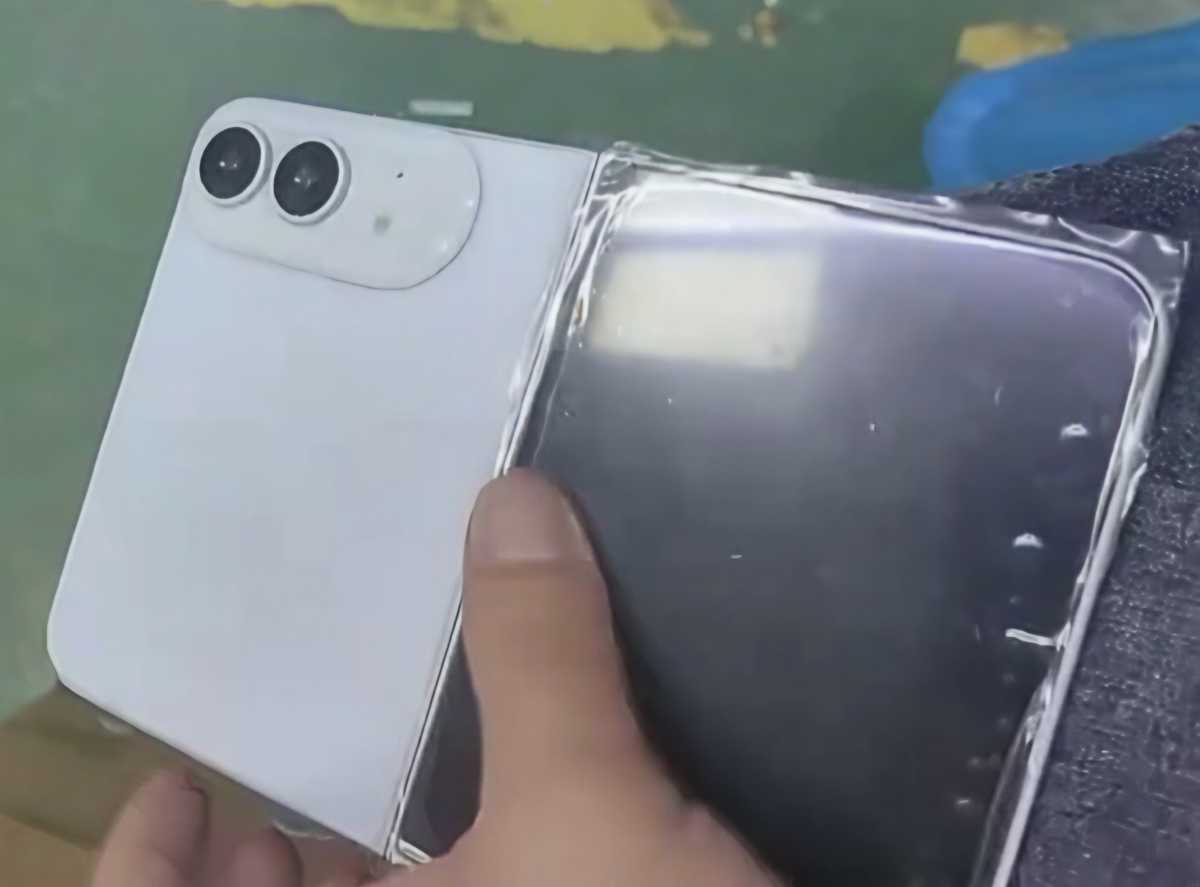
Apple is going to release a folding iPhone, which most are expecting to be called iPhone Ultra. It will fold in half like a book and be shaped sort of like a passport when closed; an unusual aspect ratio for any phone and especially an iPhone.
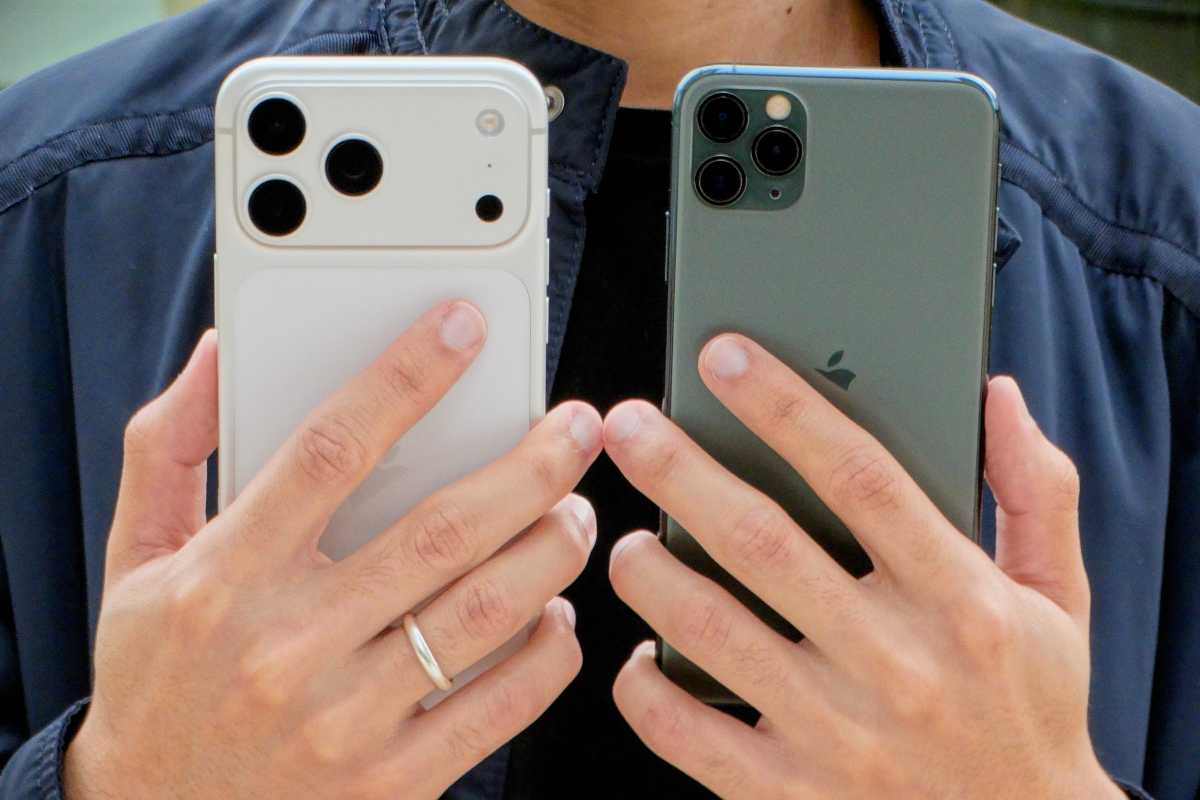
This should be the relative size and shape of the folding iPhone Ultra.
Foundry
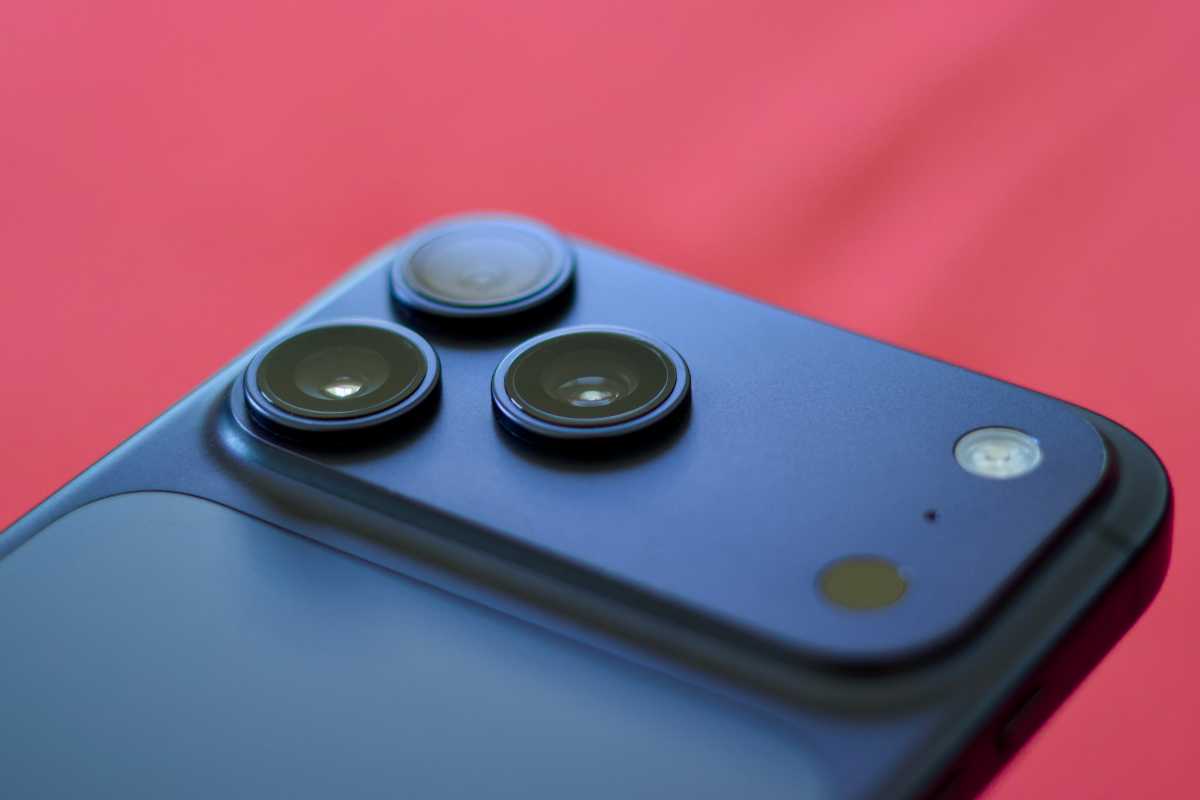
We expect two cameras (wide and ultrawide) on the back, one on the front, and the reintroduction of Touch ID in the side button for authentication. This is going to be a very premium product, with most rumors citing a starting price of $2,000 or more.
Not much is known about the software experience, though. Obviously, Apple will need to change some of how iOS looks and feels, and offer impressive new software features, to justify a folding phone with displays on the outside and inside and all new aspect ratios and sizes.
The iPhone Ultra won’t be the only high-priced iPhone hitting the market this fall. With the standard iPhone 18 supposedly getting bumped back to a spring release, the iPhone 18 Pro and Pro Max are going to be the only other iPhones launched this fall.
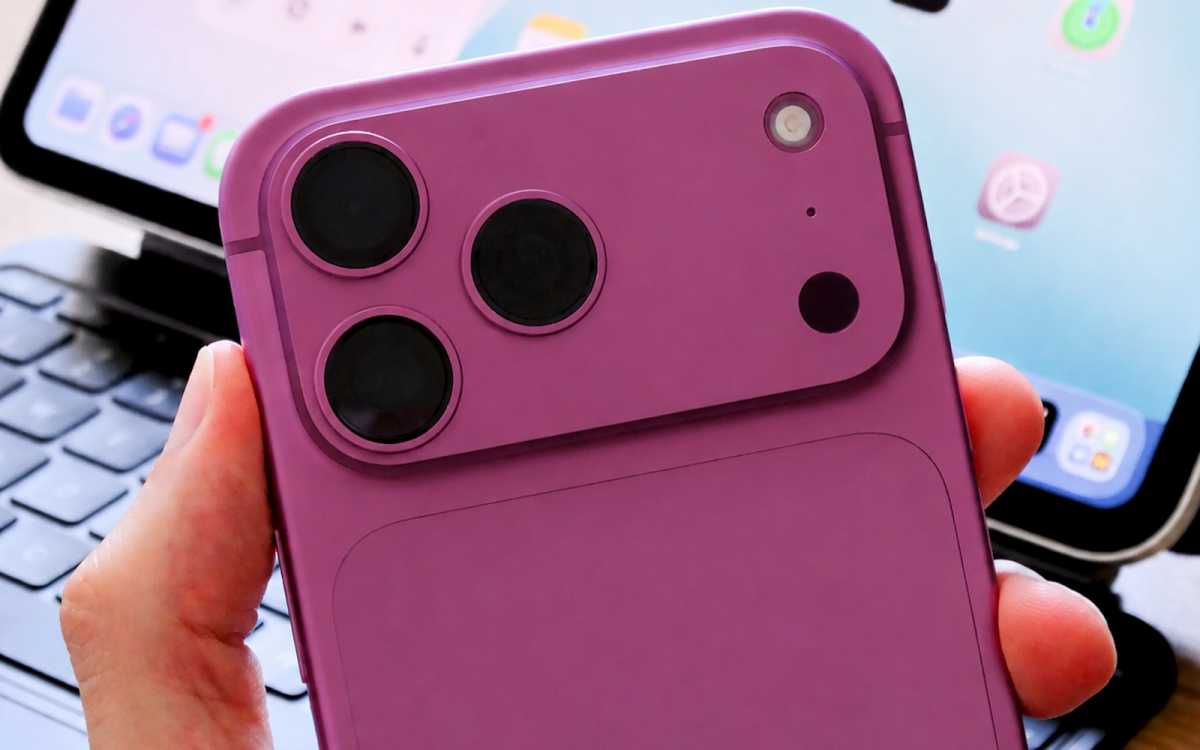
A dark red/cherry color should be the signature shade of the iPhone 18 Pro, along with Light Blue, Dark Gray, and Silver.
Foundry
For the most part, the iPhone 18 Pro will resemble the iPhone 17 Pro, but there should be a big upgrade to the rear camera (variable aperture, new sensor technology) and possibly a boost to 24 megapixels for the front camera. Battery capacity may go up by 6-8 percent, which could lead to longer battery life in conjunction with other improvements and optimizations.
Apple always updates its Apple Watch line at the same time as the iPhone, whether it needs to or not.
That means that this year, we’ll see the Apple Watch Series 12 and the Ultra 4. So far, none of the rumors suggest much of a change from the previous model. There will be a somewhat faster S12 processor, but major new health features or other changes don’t seem to be in the cards this year. Rumors say there won’t be a new SE 4 this year.
Apple TV and Homepod mini
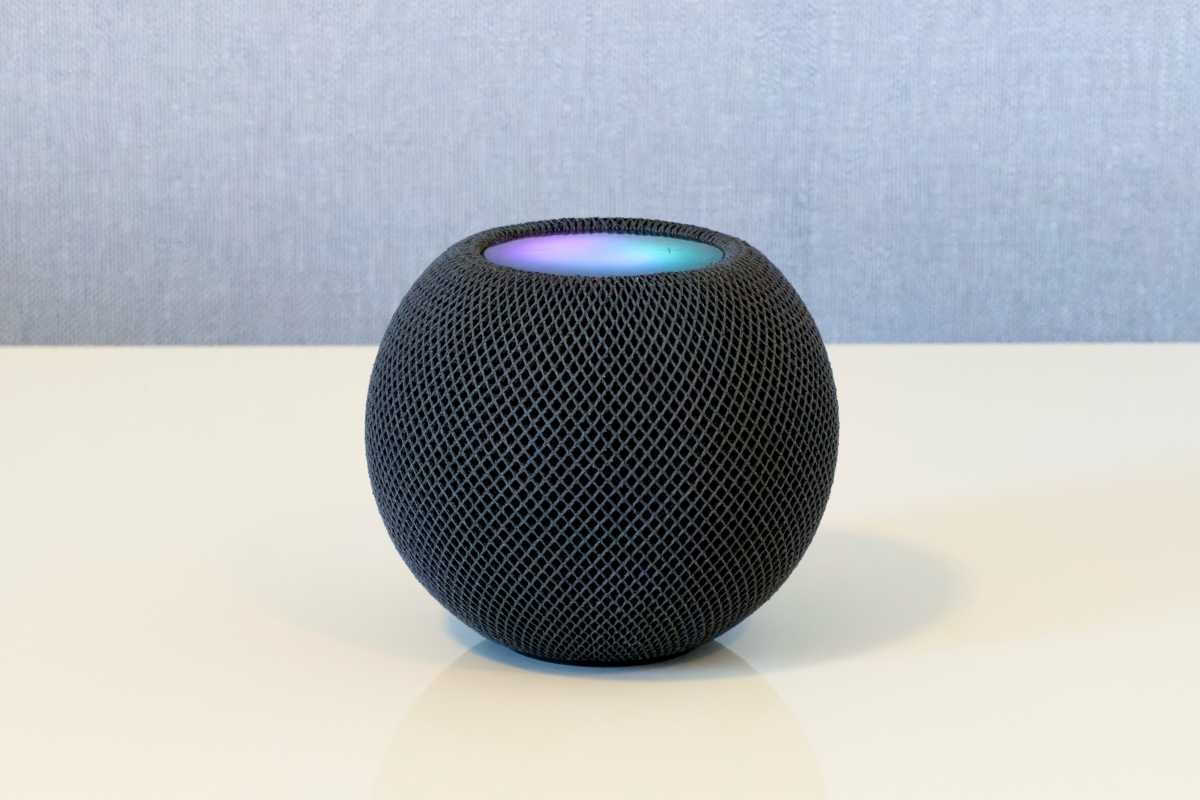
Both long overdue for an update, Apple has been waiting to release a new Apple TV 4K set-top box and the HomePod mini until it figured out how to really make the new Siri work.
Now, with a whole new Siri architecture coming in the OS 27 updates this fall, it’s finally ready to ship these products. Because Apple TV set-top boxes and HomePods act as a “home hub” for Apple’s smart home controls, Apple needed to make sure they’re capable of running the all-new Siri.
That said, we haven’t heard of any major new software features that make use of the improved hardware coming to Apple TV or HomePod. These new products will give you the new Siri experience just as a modern Apple Watch will, but the tvOS interface and features probably won’t get a big change. It’s more like: you’ll ask Siri something, and you’ll get Siri AI answers, not the old Siri.
Foundry
HomePad preview
The new Apple TV and HomePod mini will mark the start of a bigger, more ambitious smart home plan for Apple that all revolves around the new Siri and the expanded AI features that will be built out on top of it in the coming months and years. The main device we’re waiting for is the so-called HomePad smart hub that has long been rumored.
The device is expected to have an iPad-like squarish screen that can either hang on a wall or dock to a speaker. It will reportedly run a new operating system dubbed HomeOS that is powered by Siri AI.
In his August 9 Power On newsletter, Mark Gurman reported that “a September preview of that product is plausible.” That could very well be Ternus’ surprise “One more Thing” to close the show. However, it is unlikely to go on sale until later in 2026 or early 2027.
TL;DR: Add Microsoft Office 2024 to your virtual machine with this lifetime license, on sale now for just $49.97 (reg. $249.99).
Plenty of Mac users still need the Windows build of Microsoft Office, whether a job requires it or you just need an app like Access that never came to macOS. Renting it through a Microsoft 365 plan means a charge every month with no finish line. If you want a simpler solution, you can get Microsoft Office 2024 for only $49.97 (reg. $249.99).
This version installs Word, Excel, PowerPoint, Outlook, OneNote, and Access in your Windows environment, all from one purchase tied to a single machine. Office 2024 runs as a perpetual release, so what you buy is what you get, and no random update from Microsoft is going to change that. A built-in dark mode makes long spreadsheet or writing sessions easier on the eyes, and these apps run on minimal hardware, so they work great in a virtual machine.
Why pay $99.99 for Microsoft 365 when you can get lifetime access to the same apps for a one-time fee.
TL;DR: FastestVPN Pro protects up to 15 devices with a lifetime VPN subscription, now on sale for $29.97 (MSRP $600).
Most VPN subscriptions run $10 to $15 a month, and that cost never stops. FastestVPN Pro replaces the monthly drain with a single lifetime purchase, and a lifetime subscription protects up to 15 devices at once.
FastestVPN Pro doesn’t limit your bandwidth or streaming options, with 900+ servers across 100+ countries. 256-bit encryption and double VPN protection keep you secure, routing traffic through two separate servers.
A NAT firewall, ad blocker, anti-malware, and split tunneling are all included without add-ons. P2P-optimized servers keep download speeds high, and dedicated streaming servers give you reliable access to Netflix, Disney+, Hulu, BBC iPlayer, and Amazon Prime.
FastestVPN Pro runs natively on Mac, iOS, and Apple TV alongside Windows, Android, and a long list of other platforms.
Your purchase also includes a free one-year Passhulk Password Manager subscription to store passwords, bank details, and credit card information in a single encrypted vault.
Drop the monthly VPN bill and protect every device you own under one price.
IFA 2026 in Berlin is Europe’s answer to CES, attracting global brands and huge crowds. Macworld walked its 27 halls to find the most interesting Apple-related products, breezily ignoring Windows PCs and Nintendo Switch accessories. More importantly, this year’s best launches offered a glimpse at where Apple accessories are heading next.
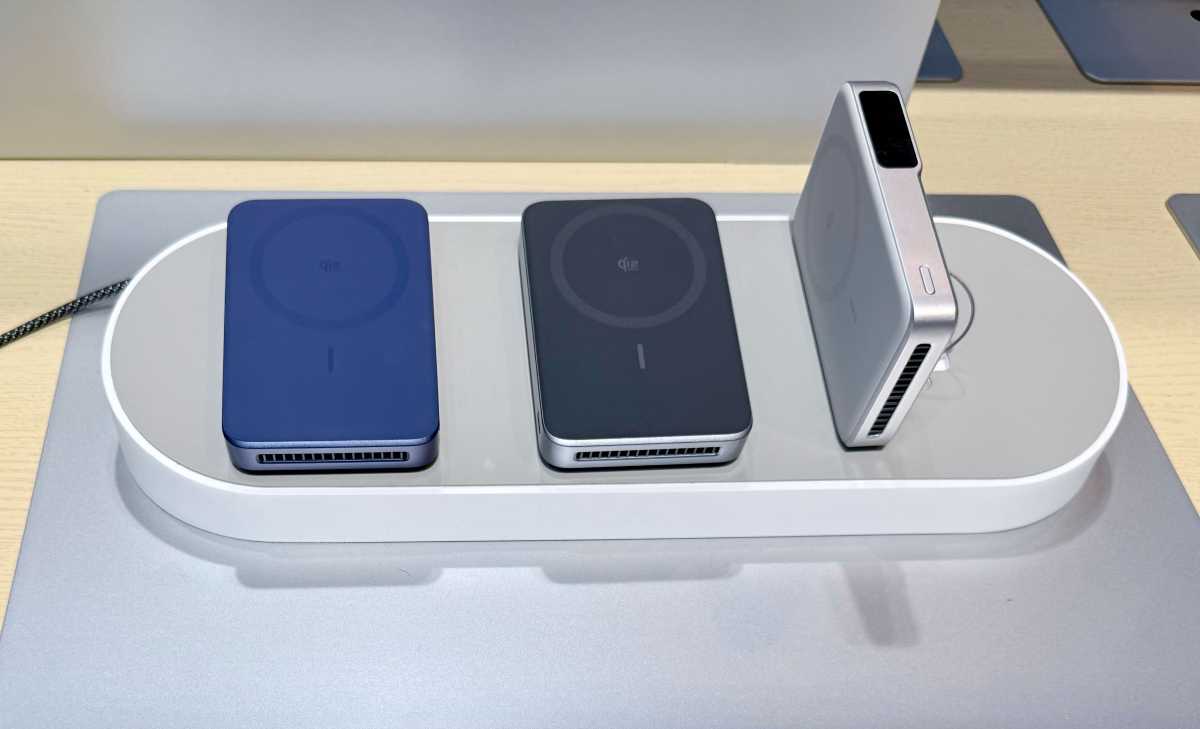
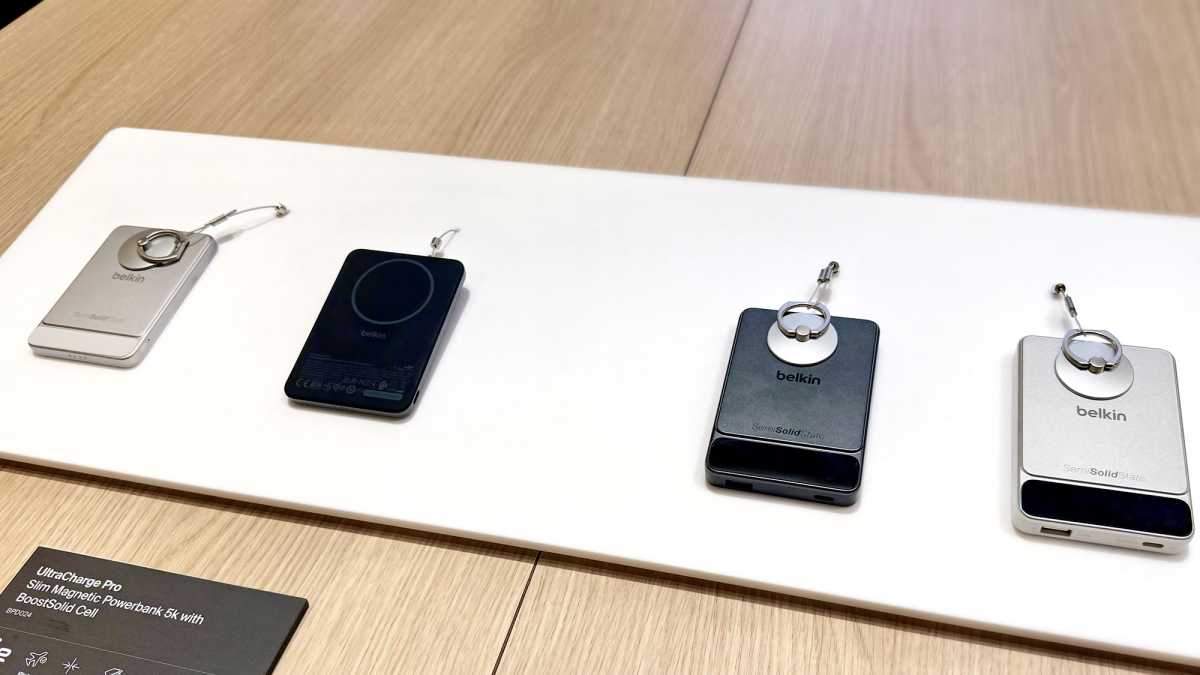
Charging was the biggest theme, as was keeping power banks cool enough to keep charging at peak rates. Qi2 25W is quickly becoming the premium wireless-charging standard, while Ugreen, Anker, ESR and Adam Elements all showed active cooling systems designed to control the extra heat. Belkin and Momax also showcased semi-solid-state batteries promising slimmer power banks, improved safety and longer lifespans.
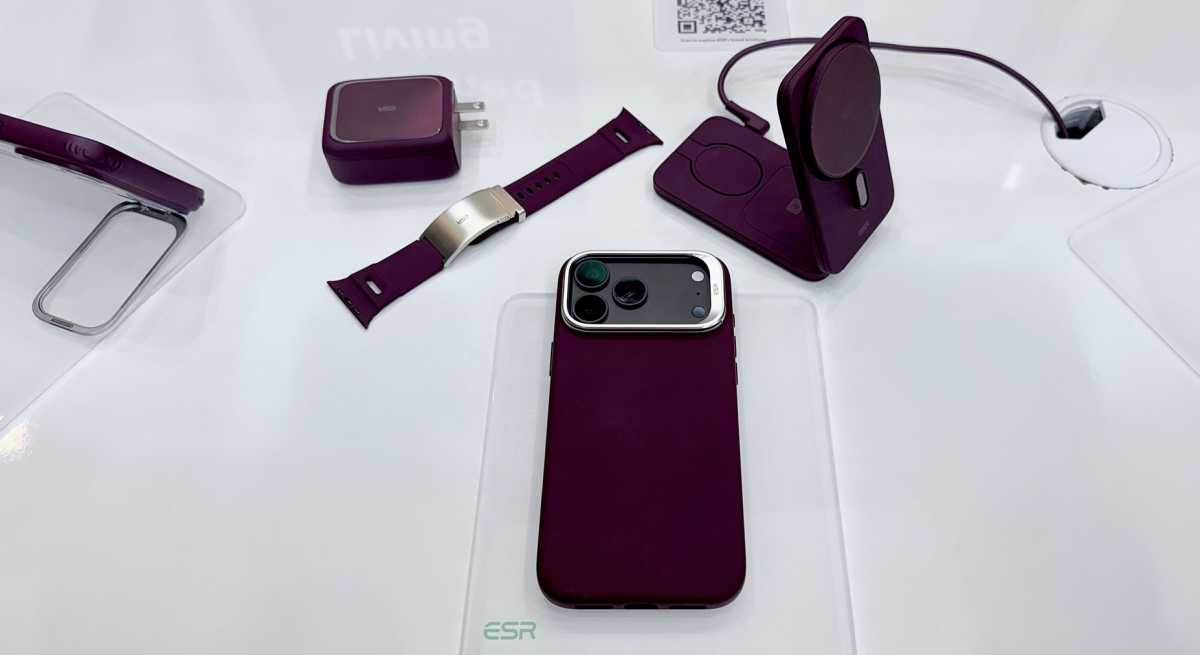
Dark Cherry was another major trend, with Baseus, ESR and Momax betting on the rumored iPhone 18 Pro color becoming 2026’s must-have shade. Elsewhere, replaceable batteries, a folding OLED portable monitor and local-AI smart-home hubs showed manufacturers experimenting beyond the usual annual refresh.
Mac accessories were also more ambitious, with Thunderbolt 5 docks, 6K touchscreens, high-refresh-rate multi-monitor hubs and displays with integrated docking and KVM functionality. Rather than catalog every launch, we picked the products that genuinely did something different. Here are the accessories that impressed us most.
UPerfect Omega One bendable display – A Mac monitor that actually folds
Simon Jary
We’ve tested some of the best portable monitors for Mac but none has literally bent in half like the UPerfect Omega One. It’s the iPhone Ultra of monitors, and loks perfect for traveling MacBook users.
This compact display pulls out to a flexible 16.3-inch 2K OLED touchscreen, and you can hardly spot the bend point when fully flat. It uses an advanced flexible substrate and seamless hinge design for seamless folding and optical consistency. The panel is subtly curved so that the top and bottom edges naturally lean toward the viewer.
Pre-orders will ship at the end of October.
Ugreen CryoPulse and new MagFlow Pro range – 25W Qi2 with liquid cooling
Simon Jary
Ugreen unveiled its new MagFlow lineup at IFA 2026, claiming the world’s first Qi2 25W magnetic power bank with active micro-pump liquid cooling. The new lineup tackles the heat challenge of faster wireless charging by combining active cooling with passive heat-dissipation structures in a system the company calls CryoPulse.
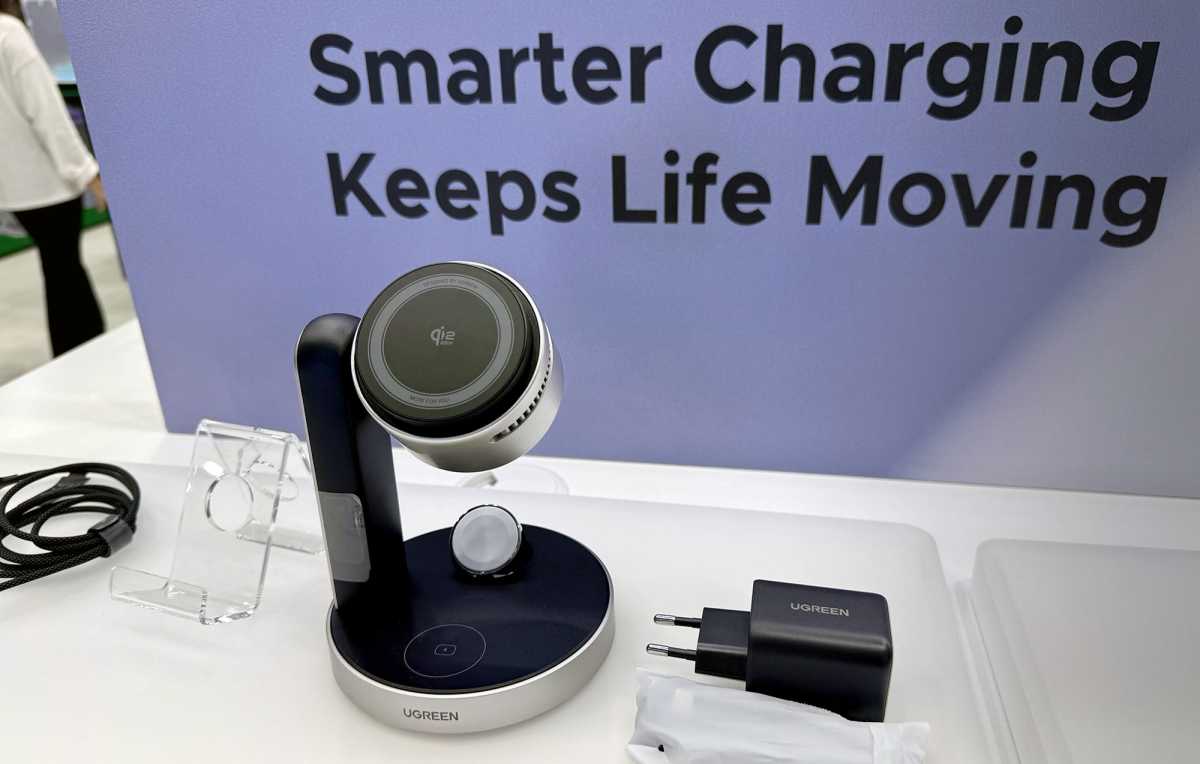
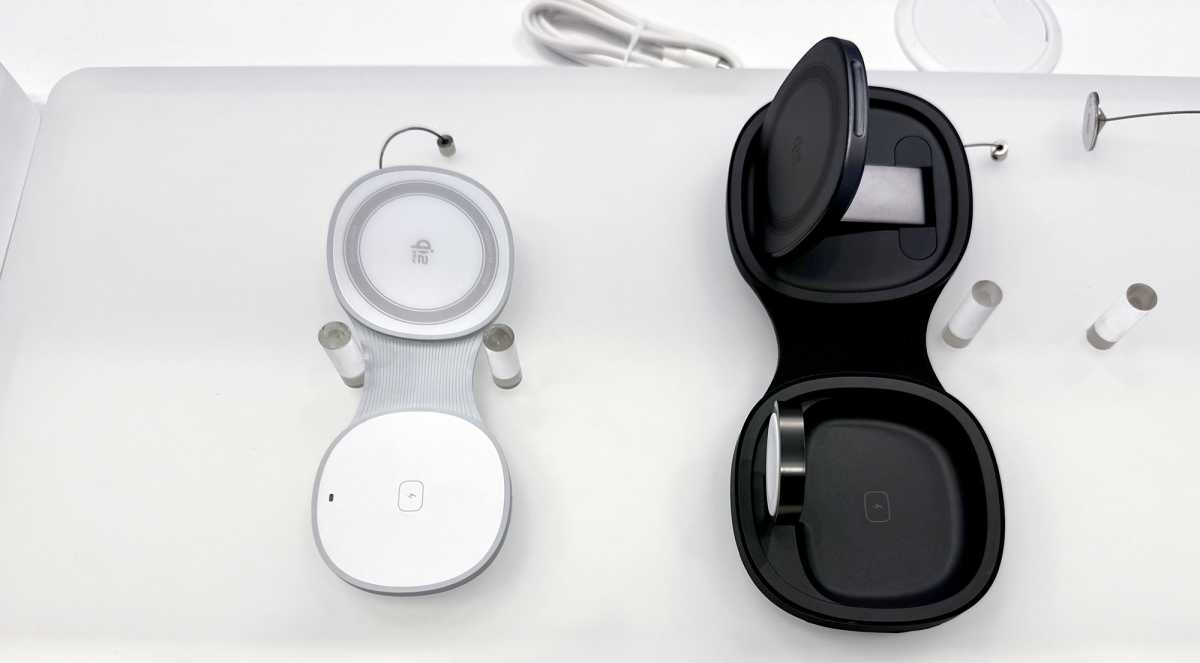
Ugreen refreshed its MagFlow Pro family with a 3-in-1 Magnetic 25W Wireless Charging Stand (€139.99 / £119.99), pictured above, designed for desks and bedside tables and a 2-in-1 Foldable Magnetic 25W Wireless Charger (€49.99 / £43.99) that measures 60 × 72 × 27mm when closed.
The flagship 10K, 25W MagFlow Pro Magnetic Power Bank ($149.99 / €119.99 / £109.99) features CryoPulse micro-pump liquid cooling, VC copper heat-spreading foil and separated charging components to reduce heat buildup, while ThermalGuard adjusts power automatically and a transparent window shows coolant circulation, claims Ugreen. A tiny pump circulates coolant to pull heat away from the cells, and you can watch it all happen through a clear Cyber Window. In Ugreen’s testing, peak temps ran up to 18°F cooler than the industry benchmark, with temperature rise cut by up to 44%. Alongside the 25W wireless charging is 45W max wired output via a built-in cable.
Ugreen also showed off a pair of new travel chargers for iPhone.
Simon Jary
Baseus Dark Cherry Collection – Dark Cherry done comprehensively
Baseus
Dark Cherry is the Cosmic Orange of 2026, long rumoured to be Apple’s new look-at-me colorway for its iPhone 18 Pro series.
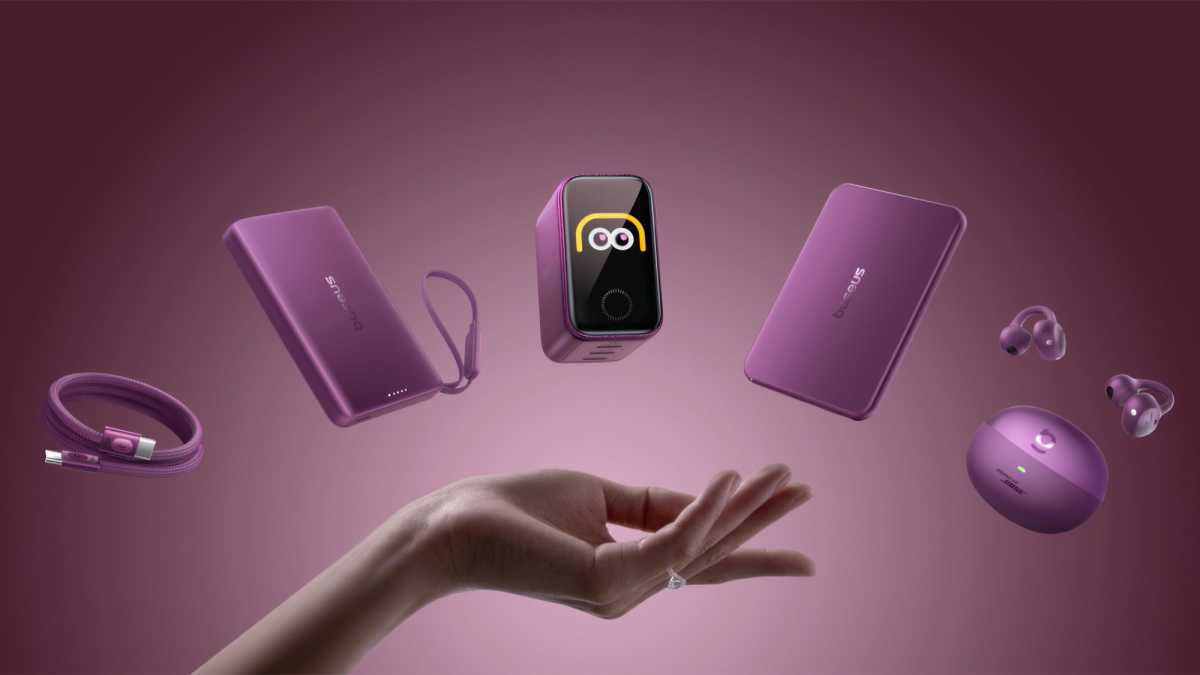
Baseus has a whole charging and protection collection in Dark Cherry, including products such as its AH22 100W Digital Display Charger ($59), AM52 Qi2.2 Power Bank ($79), Air Ultra-Slim Power Bank ($79), and Inspire XC1 earbuds all shipping with discounts of up to $38 until the end of October.
The Baseus PicoGo Pro USB-C Charger Fast Charging with Smart Display is a 3-port charger for any modern Apple device and includes a Dark Cherry 100W USB-C cable.
The Baseus Picogo Air magnetic power bank is super-slim at 0.27 inches (6.9mm) thick, but you’ll be too busy marvelling at its Dark Cherry color to even notice!
Anker chargers and refresh-champ hub – Smarter charging, cooling and connectivity
Simon Jary
The Anker Desktop USB-C Hub is really a docking station, having four USB ports (two 10Gbps USB-C and two 5Gbps USB-A), Gigabit Ethernet, SD and microSD memory card slots, and both DisplayPort and HDMI ports. It’s special because Anker claims it can run HD monitors at an ultra-smooth 240Hz refresh rate or two 4K displays at 120Hz. The connected MacBook can receive up to 100W of power. A built-in display shows real-time port status, charging power, data transfer rate, and device temperature, and you can upload custom images for a rotating slideshow, or double-tap to start a Pomodoro timer with gentle health reminders.
Anker also unveiled a pocket-sized (3.74 x 1.98 x 1.59 inches) Nano Universal Charger (4-in-1, 100W, Smart Display), pictured above, with built-in U.S. / U.K. / E.U. plugs supporting use in 200+ countries and regions. It can charge up to four devices and supply 100W for your MacBook.
Simon Jary
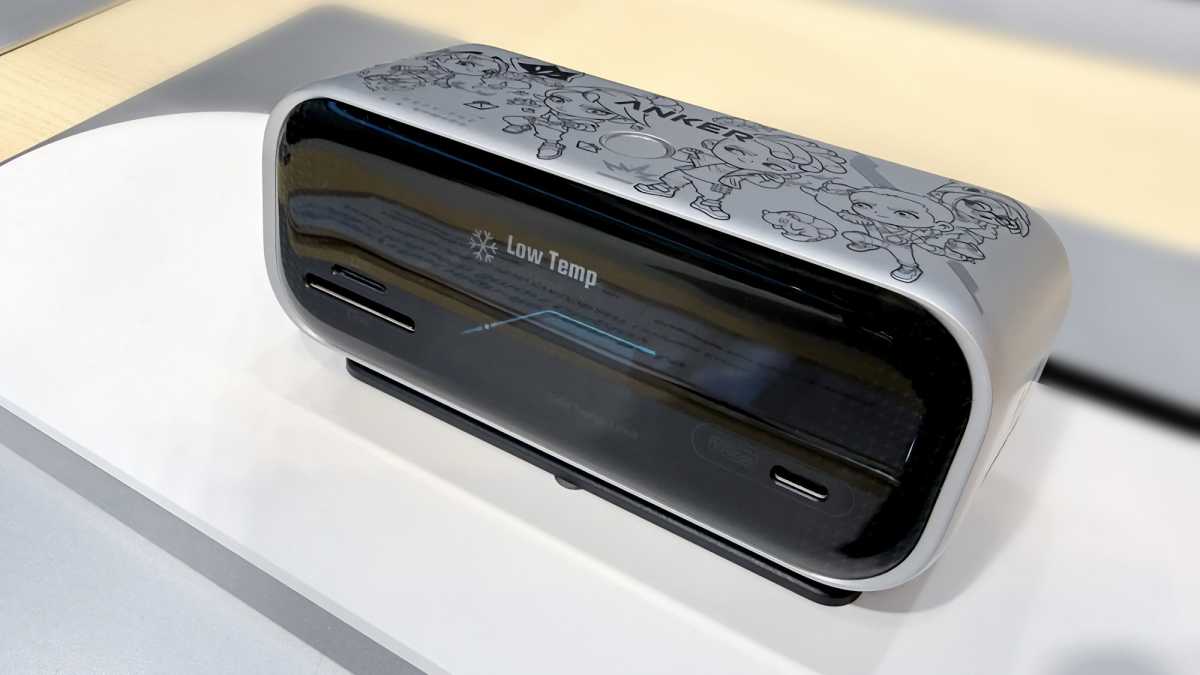
Joining the fight to keep its portable chargers as cool as possible, Anker claims that its new 25W MagGo Power Bank 2 Pro, shown above, is “the world’s fastest and coolest wireless power bank.”. We’ll test this when we have a sample in the Macworld Labs, but Anker showed us an intriguing test where it lay a slab of butter on a series of charging power banks to show just how hot they can get. A patented fan-control algorithm, dual air ducts and a three-layer graphene heat-spreading system pull heat away continuously, keeping the back of the power bank below 96.8 degrees Fahrenheit (36 Celsius) throughout charging. Anker compares this to competing magnetic power banks that typically reach 113 degrees (45 Celsius) or higher, forcing the connected phone to throttle power. Anker’s butter slab didn’t melt.
Anker also showed off its new MagStand Charging Station, Laptop Charger Pro, and Nano Charging Station.
Belkin UltraCharge Pro Power Banks – Next-generation semi-solid-state battery technology
Simon Jary
Belkin showed off its new range of semi-solid-state portable chargers. Semi-solid-state technology is the next-generation of battery tech that promises improved safety and durability, slimmer design and longer battery life.
Belkin’s new UltraCharge Pro uses a BoostSolid Cell that adds a gel-like layer alongside the liquid electrolyte, enabling a slimmer, more compact design while improving reliability and performance, and increasing thermal stability. Belkin claims that the new products will last up to 3x longer than other power banks.
ESR cool chargers and iPhone protection – Cooler charging and stronger protection
Simon Jary
ESR showcased its latest charging, protection, and productivity products at IFA 2026, including Dark Cherry versions of many of its iPhone accessories such as the super-adjustable and lightweight Cyclone 25W Magnetic Charging Pad with CryoBoost. The company claims that the integrated active cooling reduces heat generation by 6.5°C, reducing the risk of overheating that can slow down or even stop device charging.
Under its “Designed for What’s Next” philosophy, ESR showed off the new Atelier Case for iPhone that is made with silicone-based vegan leather pioneered in luxury car interiors and resists stains, wear, and fading.
Less visible by design are new screen protectors that ESR claims defend screens with up to 10x impact absorption, while its Armorite Pro Edition features Accessory Glass by Corning to provide up to 2x better scratch resistance compared with other screen protector glass.
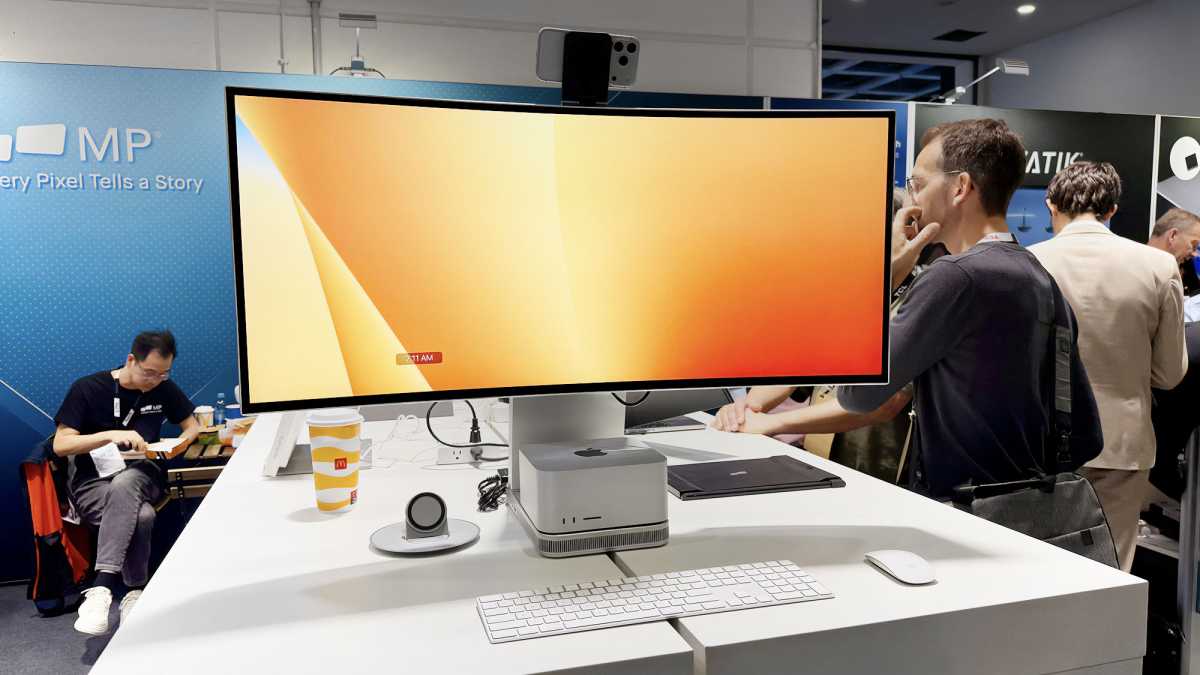
Mobile Pixels Prisma – Curved screen for Mac Studio or Mac mini
Simon Jary
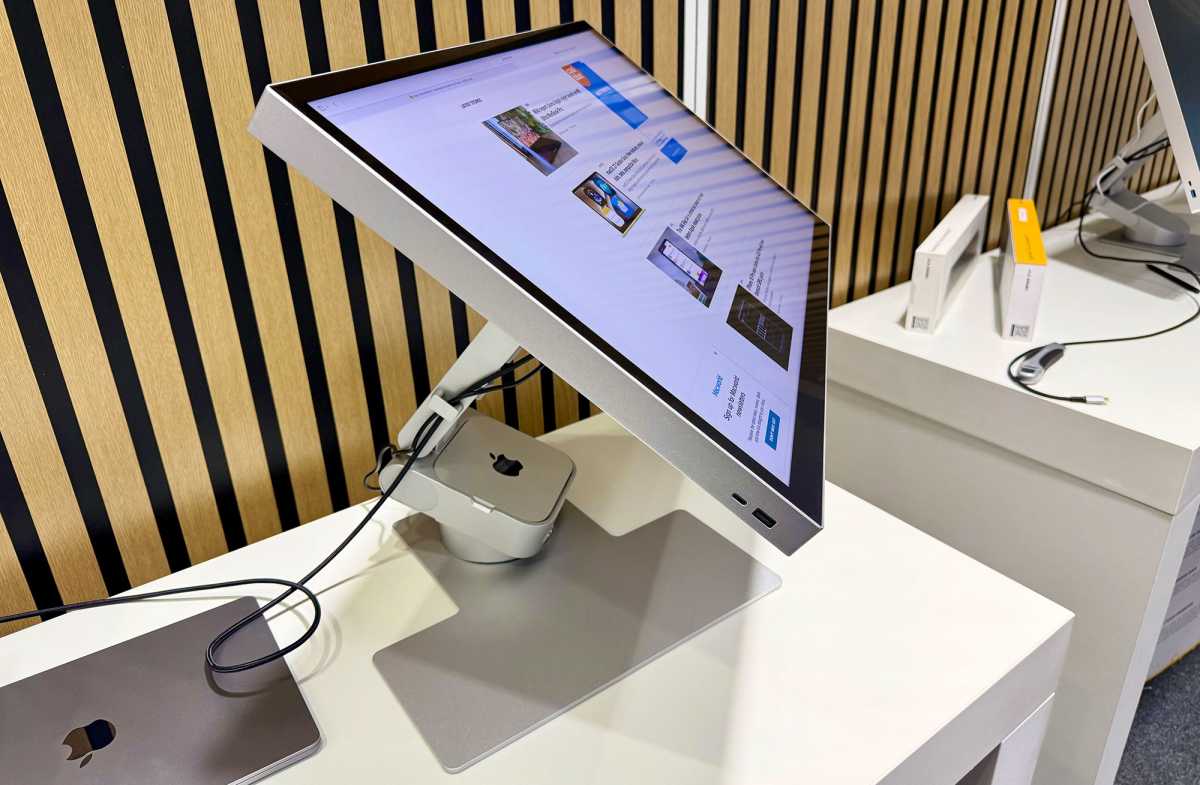
Owners of the Mac Studio and Mac mini will swoon over this monitor that hosts a special adjustable stand that holds either of the two Macs—or a 15W Qi2 magnetic iPhone charger if you prefer a MacBook.
It’s an ultrawide 40-inch 5K2K curved monitor with a built-in hub that not only connects with the Mac but has ports including USB-C, USB-A, and SD/MicroSD card readers. At the back there’s an enclosure for an NVMe SSD (up to 8TB).
It is expected in spring 2027.
Belkin’s MacBook Neo accessories
Simon Jary
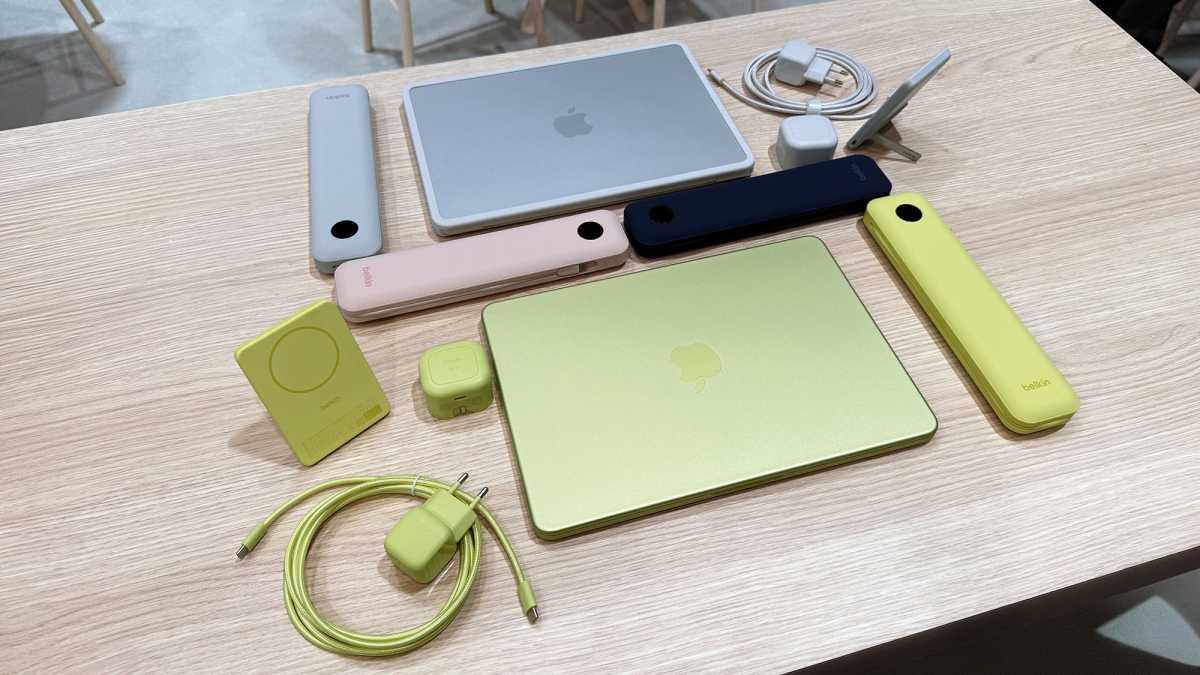
We’re excited to test Belkin’s new range of color-matching gadgets for our best MacBook Neo accessories roundup. The fresh four-color series includes the BoostCharge Compact USB-C Wall Charger 30W that will complement the latest MacBook Neo colorways in Citrus, Blush, Indigo and Silver.
Satechi, which announced its own Neo-color accessories earlier this year, was also at IFA with its range, including the Satechi USB-C Snap Hub.
The new collection delivers a coordinated charging experience with charger, 2m braided charging cable, Neo power bank and magnetic wireless charger, with prices starting at $26.99 / £27.99 / €29.99 this September.
Alogic shows off its Vision – Ambitious displays, docking and Thunderbolt 5
All the Aspekt monitors support Alogic’s Omni Stand that can cradle a Mac mini off your precious desk space.
Simon Jary
Mac monitor fans will have loved the raft of new displays shown by Alogic at IFA 2026. These included a higher-resolution Aspekt displays and a new Vision series of monitors for business.
For maximum screen space and peak resolution, the Aspekt Touch 32” 6K steps up to a 6016 × 3384 resolution with its touchscreen. The smaller Aspekt Touch 27” 5K combines a 5120 × 2880 IPS touchscreen display with 600-nit brightness and wide color coverage. Both Aspekt Touch models will be available at the end of October and support DisplayPort daisy chaining, making it easier to build a multi-monitor setup without adding another dock to the desk. Stretching to a wider canvas, the Aspekt Touch 5K Ultrawide 34” (available end of November) takes the same idea into a 21:9 format with a resolution of up to 5120 x 2160, a 100Hz refresh rate and 10-point multitouch.
The business workplace Vision series includes the Vision 27-inch QHD Docking Monitor that provides a 2560 × 1440 IPS display with a 100Hz refresh rate, 300-nit typical brightness and 100% sRGB coverage. The Vision 34-inch Ultrawide QHD Curved Docking Monitor is designed for larger workspaces, with a 3440 x 1440 resolution and 21:9 aspect ratio. Both include USB-C docking with up to 90W laptop charging and built-in KVM functionality, allowing users to switch between two computers while keeping the same keyboard, mouse and display setup.
Alogic also showcased its new Flash Thunderbolt 5 Docking Station at the show., which is an 80Gbps Thunderbolt 5 docking station with 13-in-1 ports that can support up to three external displays for the latest MacBooks.
MOFT – Super-thin flexible wallet
Simon Jary
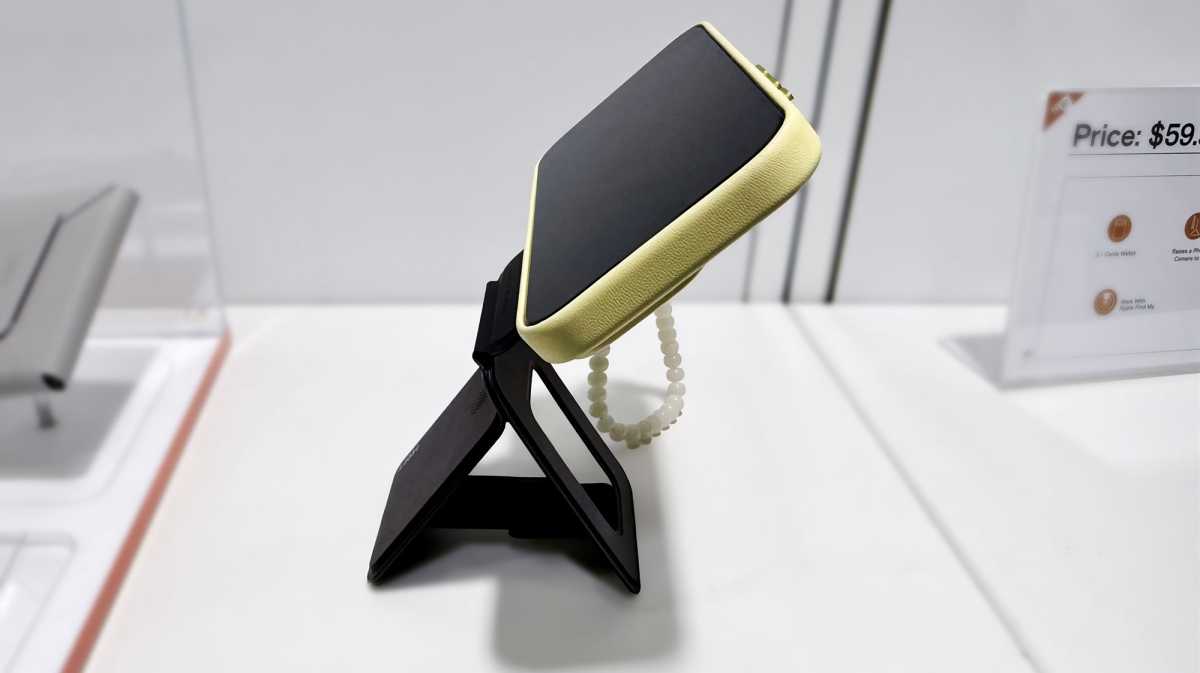
Origami-like folding is a MOFT super power, and it claims that its new Snap-on Phone Stand & Wallet AERA is the world’s thinnest three-card magnetic wallet stand. Weighing just 45g, it offers three viewing angles, and over 20 color choices in its Movas vegan leather. There is also a trackable FindMy version available.
Local AI autonomous home hubs – Local AI for an autonomous home
Ugreen
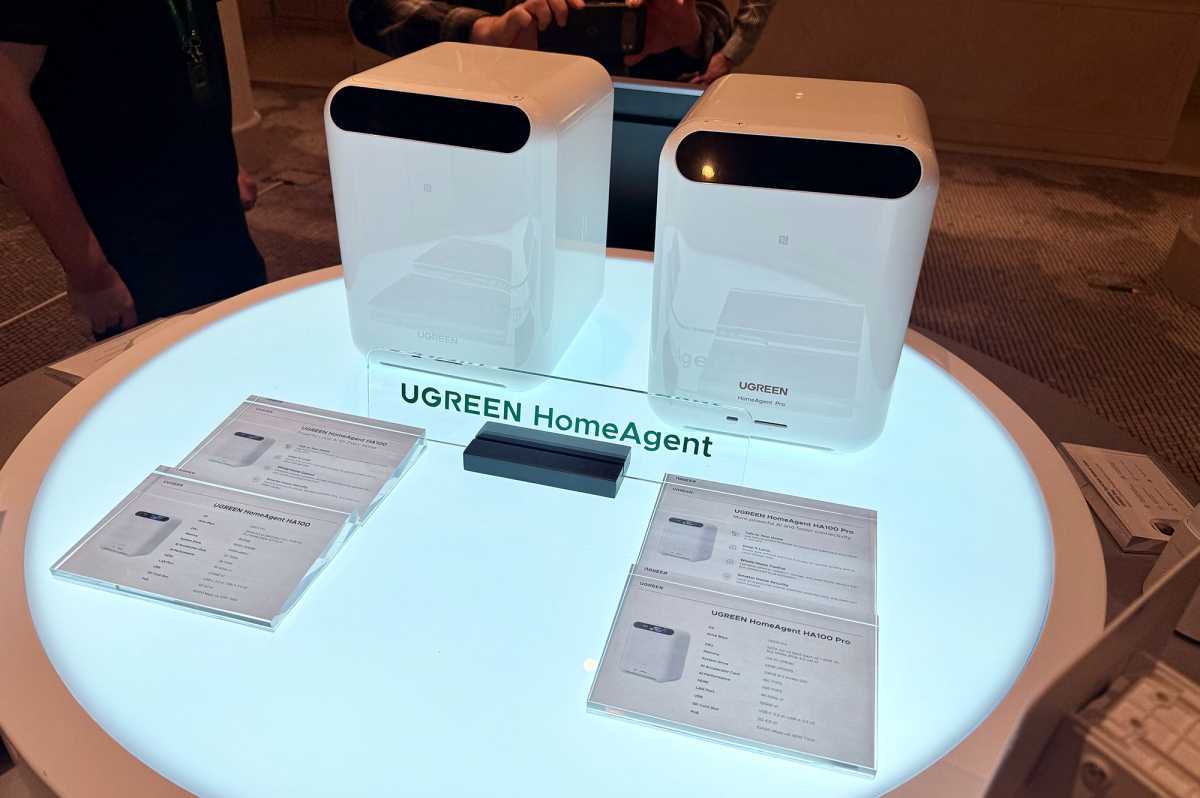
Not content with leading the charging accessory market, both Ugreen and Anker announced local AI home hubs at IFA.
Under its “Smarter Living Starts Here” theme, Ugreen showcased its new HomeAgentlocal AI-powered, voice-control and smart-recognition products that combine storage, computing, and control in one device to connect AIoT devices such as security cameras, smart speakers, and smart photo frames. The emphasis is on local (NAS-based) storage and local AI to keep your personal data private. The hub is Ugreen’s HomeAgent and ultimate MasterAgent devices that sync with home camera systems, speakers, and smart frames. Ugreen SynCare cameras can continuously capture everyday moments as they happen, which you can later discover to display through spoken keyword search.
Simon Jary
This will compete with Anker’s MindBase, a local AI home hub that functions as the central brain for an autonomous home, bringing together three core capabilities: whole-home connectivity, local intelligence and memory, alongside the company’s security, energy, cleaning and audio ecosystems. Anker EasyOmni Link is a software system that brings the Anker ecosystem and compatible third-party smart home devices into a central local intelligence system, supporting close to 100 Anker devices and hundreds of Matter-compatible products, working alongside Apple HomeKit, Amazon Alexa, Google Assistant and Home Assistant.
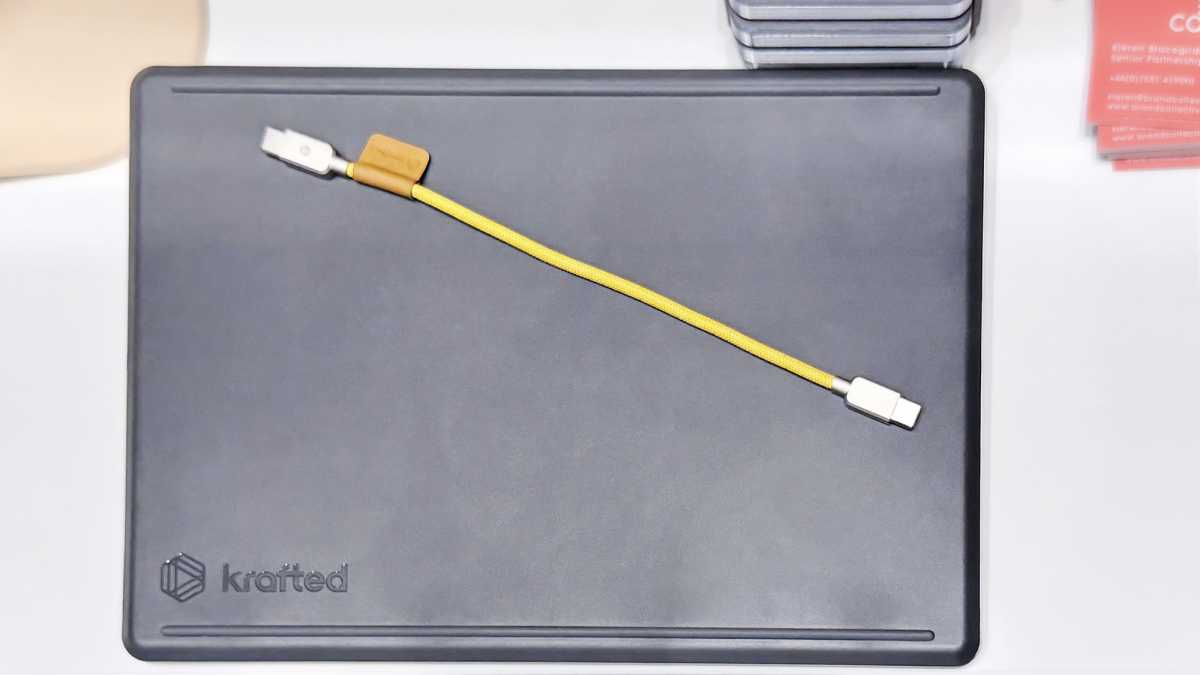
This slim 20000mAh power bank looks like no other as it sits under your MacBook, and has two USB-C and two USB-A ports plus a removable 20cm colored USB-C cable that magnetically slots into the power bank.
The Krafted Edge can charge a laptop at 65W, which should be enough for any MacBook unless under an extreme performance load.
Also unlike most power banks, its battery is replaceable, meaning zero obsolescence.
Adam Elements CQ3 25W Cooling Car Mount Charger – Actively cooled 25W car charging
Adam Elements
This powerful magnetic car charger with suction mount and air-vent clips supports up to 25W in-car wireless charging, backed up with advanced cooling plus quiet performance. The built-in silent cooling fan has claimed noise levels as low as 35dB, while reducing heat to 10°C in standby to maintain peak charging.
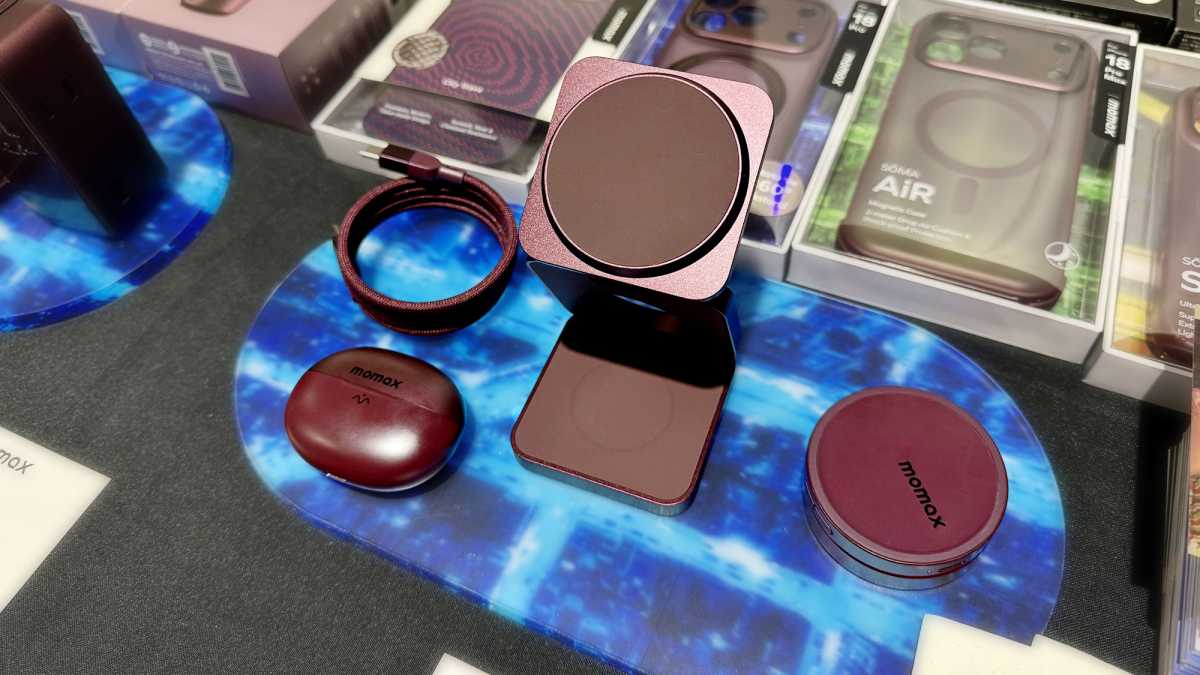
Another Dark Cherry range comes from Momax, which showcased its Dusky Cherry color direction, as well as its super-slim semi-solid-state battery technology, under the mission to Recharge for Life.
At IFA 2026, Momax showed its 1-Power S.Pass Air 5,000 mAh Magnetic Wireless Battery Pack that is only 6mm thin. Its semi-solid-state battery uses a hybrid electrolyte composition designed to reduce leakage and flammability risks while improving battery stability for everyday charging.
Orbitkey tech organizers – A smarter answer to cable clutter
Simon Jary
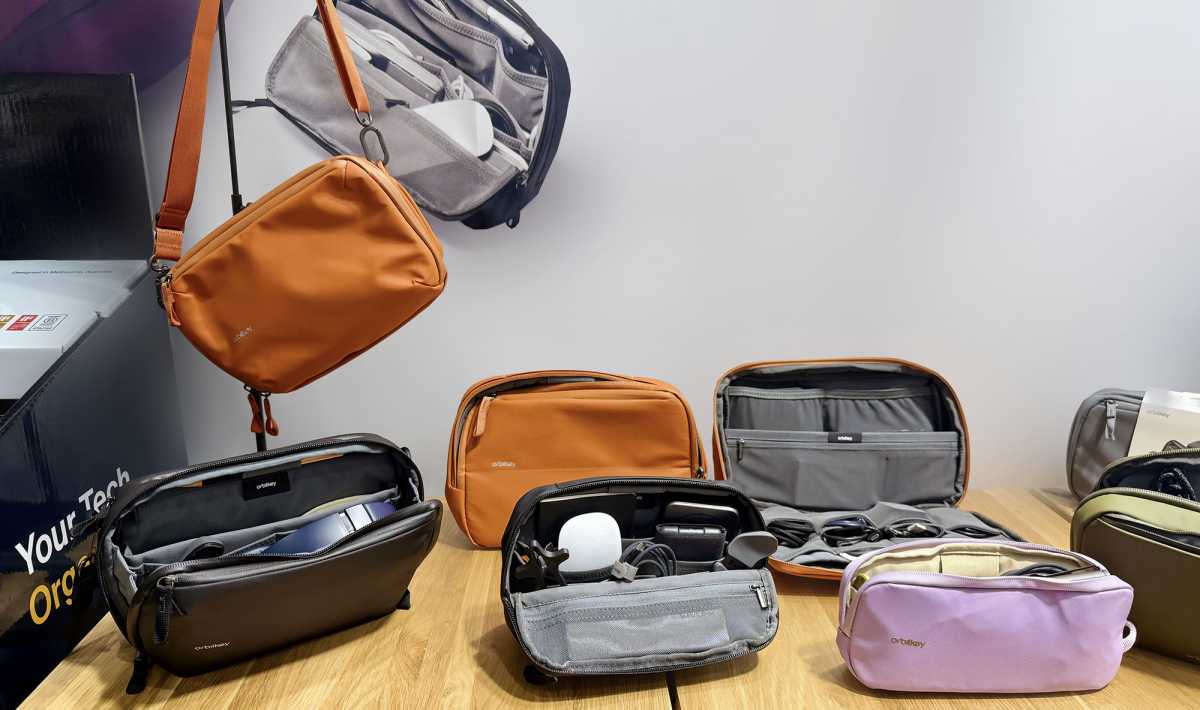
There’s a lot of tech at IFA but where and how do you stop this taking over your home or office? If your tech exists in a tangle living loose in a drawer or shoebox, Australian accessory maker Orbitkey has five new handy tech organisers, from a 0.5L everyday pouch to a full cable kit, all in Black, or more fetching Terracotta and Lilac colors.
The Tech Organiser Mini (0.5L) is for those who carry light: a cable, charger, earbuds, a power bank. The Tech Organiser (1.5L) opens flat for a working setup with everything immediately visible. Its Tech Organiser Plus (2.5L) is designed for bigger loads, such as multiple chargers, mouse, hard drive, longer cables, and a hub. For an organiser you can wear the Tech Sling (3L) works best for a commute or day of travel. Finally, the Cable Organiser Pouch has space for charging bricks, spare leads, adapters, and dongles.
The two hardware devices are referenced as T6502 and T1057 and they include most standard game controller features: dual thumbsticks, face buttons, triggers, home and menu buttons, and different haptic features. One notable difference: the T1057 controller includes gryscope and accelerometer support (so games can tell how you tilt or move the controller) while T6502 does not.
While this is an interesting find, I caution readers not to assume that Apple is working on its own game controller. There have been rumors of Apple making its own game controller for over a decade, and nothing has ever come of it. Apple has instead done a lot to provide proper support for third-party game controllers, whether that’s its own MFi program or controllers for home console systems.
For years, you have been able to sync an Xbox or PlayStation controller to your Apple devices, including iPhones, iPads, Macs, and Apple TV. That includes the latest controllers for the Xbox Series X and PlayStation 5.
These code numbers probably reference test devices that are used in testing support for core game controller functions, or legacy references to R&D projects for Apple game controllers that may never be built. Apple famously has many products in various stages of development and only a few of them are ever released.
Apple could be building its own game controller, but there would be little reason to. Find My support and automatic switching between devices would be useful, but it’s hard to argue that modern controllers are missing features that require Apple to do its own thing. It makes much more sense for Apple to support the tens of millions of Xbox and PlayStation controllers than to make its own, especially as Apple’s platforms are not very popular for the kinds of games one usually plays with controllers.
If you’ve been putting off a laptop upgrade because prices are just too high these days, here’s the deal you’ve been waiting for. The M5 MacBook Air is down to $1,449 at Amazon, a clean $150 off its usual $1,599. This looks like it’s going to be the best discount we’ll get for a long while, at least until Black Friday.
The M5 chip and its speedy 16GB of unified memory keep things smooth whether you’re juggling a few dozen browser tabs, editing photos, or bouncing between apps. It can handle creative work just fine and will do well with AI tasks too, without breaking a sweat. Battery life is where the Air truly shines because, as slim as this laptop is, you get up to 18 hours on a single charge. Therefore, you don’t have to carry the power brick with you everywhere you go, which is always nice. It’s also got a super-fast SSD that will make the whole machine feel even faster.
The 13.6-inch Liquid Retina display looks gorgeous, and it makes photos, videos, and text look crisp and vivid. Throw in the 12MP Center Stage camera, and you know you’ll be in frame during every video call you take. Add Apple Intelligence for effortless writing help, two Thunderbolt 4 ports, MagSafe charging, and Wi-Fi 7, and you’ve got a setup that just works.
For $1,449, this Apple MacBook Air M5 is an easy pick if you want a light, everyday laptop that lasts all day.
The John Ternus era is entering like a wave. According to Bloomberg’s Mark Gurman, the “Surprise and Shine” iPhone event on Wednesday will kick off, “the biggest run of device releases in [Apple’s] history, delivering a wave of fresh form factors and whole new product areas in 2026, 2027 and beyond.”
I say that the “run” actually started with the Mac Studio and Mac mini announcements about a week ago, which aren’t shipping until late September, so you might reason that it’s kind of a false start. (I’m a Mac guy first, what can I say?) In any case, Gurman points out that Apple has a full release schedule for 2026 and beyond. Everything here has been previously reported, but here’s a quick look at what Gurman says is coming, along with links to our coverage.
M7 Pro and M7 Max touchscreen MacBooks. Chip updates to the 2026 redesign.
2028 and beyond
A tabletop robot. Research videos have been posted about this smart home device.
M7 Max and M7 Ultra Mac Studio. Chip upgrades to Apple’s highest-end Mac.
Apple Vision Pro. A long-overdue 2nd-gen Vision Pro won’t arrive until at least 2028.
AI pendant. An AI accessory for the iPhone that will let you access Siri quickly.
Third-gen foldable iPhone. Could the 3rd-gen folding phone get a third camera?
Foldable iPad. This appears to be a pet project of Ternus, though Omdia reported this week in a story that has been removed from the site that Apple halted orders for displays that would be suitable for such a device.
MacBook Air with OLED display. Possibly a higher-end version of Apple’s mid-range laptop.
iMac with OLED display.Apple is reportedly working on an upgrade to its all-in-one.
AR glasses. A combination Vision Pro-smart glasses project.
Just a few days ago, Apple announced the date for its annual Phone event: Wednesday, September 9, less than two weeks away. We’re expecting Apple to unveil its first-ever folding iPhone at the event, along with the iPhone 18 Pro and Apple Watch Series 12. But if you’re looking to buy one of them, you might have to wait longer than usual.
A reliable source has told Macwelt that pre-orders this year are not set to begin, as usual, on the Friday following the launch. Instead, Apple will open pre-orders a day later, on Saturday, September 12. The reason for this is that this year, September 11 falls on the Friday following the event, a day of remembrance and mourning in the U.S.
The time is also set to change, according to the source: While pre-orders usually begin at 5 am PT, Apple is reportedly opening up pre-sales at midnight PT on Saturday. Apple held midnight PT pre-orders until the iPhone 11, when it shifted the time to better accommodate other time zones.
It wouldn’t be the first time Apple has moved pre-orders from Friday to the following Saturday: 11 years ago, the iPhone 6S and 6S Plus weren’t available for pre-order until Saturday, September 12, 2015, for the same reason.
This preorder should apply to the iPhone 18 Pro, Apple Watch Series 12 and Ultra 4, and any other surprises Apple has in store. However, if you’re looking to buy one of the foldable iPhone Ultras, reports claim that preorders might not begin until late September. A similar situation occurred in 2020, when the iPhone 12 Mini and the iPhone 12 Pro Max were launched later than the iPhone 12 and the iPhone 12 Pro due to the coronavirus pandemic. Apple also delayed the iPhone X in 2017 due to production issues with the next-gen handset.
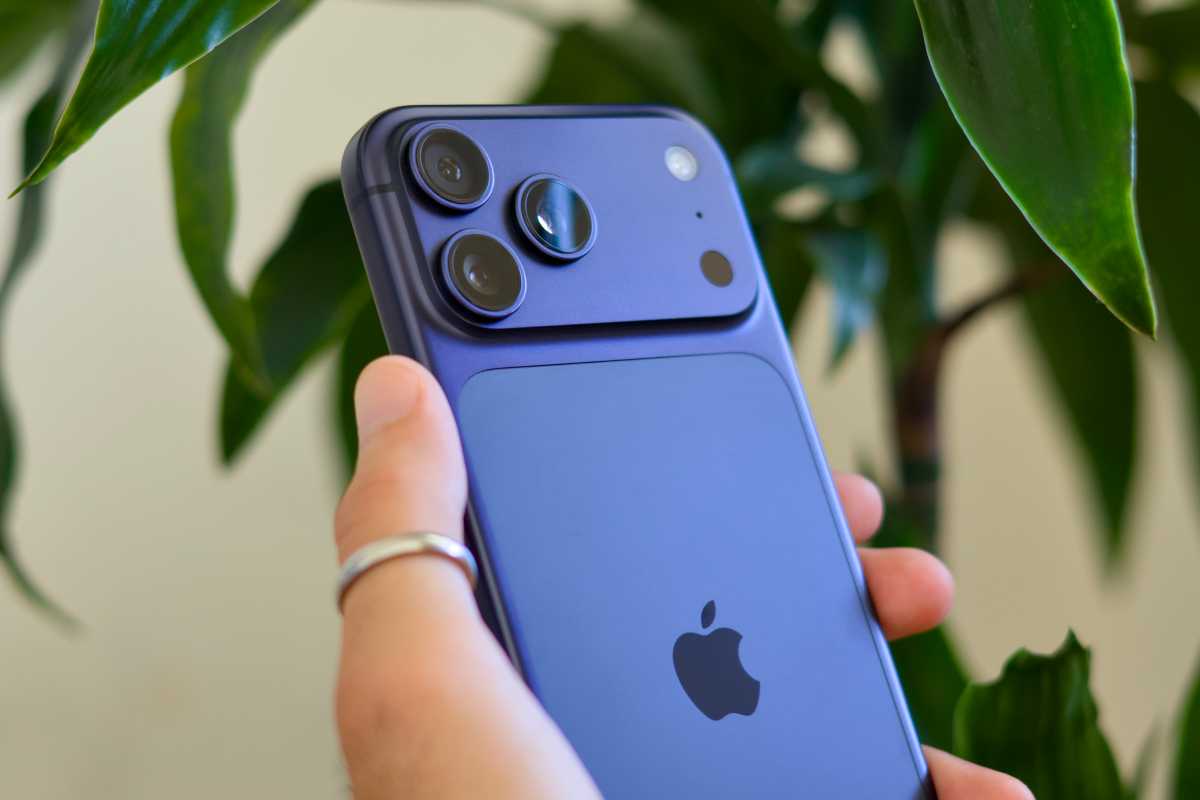
In Cupertino, it seems like blue is the new black. After the iPhone 17 Pro skipped black for a Deep Blue hue, the MacBook Neo followed in the Midnight MacBook Air’s footsteps with Indigo as the only darker option. And now we expect its first folding phone, dubbed the iPhone Ultra, to take a similar path when it is introduced next week.
As we reported earlier this year, the iPhone 18 Pro and Pro Max will come in two new colors when they’re unveiled at Apple’s Surprise and Shine event next week. The flagship color will be Dark Cherry, which has a purplish hue. It is expected to be joined by Light Blue, somewhat reminiscent of the iPhone 13 Pro’s Sierra Blue. We also expect there will be silver and dark gray options, though it’s possible only one will make the final cut.
For the folding iPhone Ultra, however, the color options will be somewhat less… colorful. The same sources that told us about the iPhone 18 Pro colors also revealed the options for the folding iPhone Ultra, and they’re not what most people would expect.
When Apple introduced the radically redesigned iPhone X back in 2017, it was available in two options: silver and space gray. We assumed a similar set of options would be available for the iPhone Ultra, but our source says Apple will release the folding iPhone in two varieties: a standard silver-and-white model and a surprising Indigo Blue option. Our sources say the hue will be closer to the iPhone 17 Pro’s Deep Blue than the MacBook Neo, however.
Those colors were corroborated a few months later by known leaker Sonny Dickson, who shared a photo of the iPhone Ultra’s camera protectors in silver and dark blue.
Apple is expected to unveil the folding iPhone Ultra at its Surprise and Shine event on Wednesday at 10 am PT. According to rumors, it will have a 5.5-inch cover screen that opens to a 7.8-inch internal display, about a half-inch smaller than an iPad mini. You can learn about what we know about the phone in our iPhone Ultra superguide.
On September 9, Apple is scheduled to hold its most anticipated hardware-centric event of the year. During the “Surprise and shine” keynote, Apple CEO John Ternus is expected to announce the all-new iPhone Ultra, alongside iPhone 18 Pro models, fresh Apple Watches, enhanced AirPods, and an overhauled smart home line.
While many of these devices will pack new hardware with a lot of hype behind it, it may be wise to skip buying your annual Apple upgrade this fall. Not only will iPhones be more expensive than ever, but many of the upgrades we’re expecting might not be worthy of an upgrade at all.
Insufficiently Ultra
Perhaps the event’s most exciting announcement will be the iPhone Ultra. The first-generation product will mark Apple’s entry into the foldable market, rivaling Samsung’s Galaxy Z Fold 8 and the like. It’ll probably offer some neat benefits, like a more powerful iOS multitasking system and the ability to seamlessly switch between the small and large screen form factors. Essentially, it’s a hybrid device that blends an iPhone with an iPad mini. It all sounds great until you take a closer look at the full package.
Ice Universe
Despite its rumored Ultra branding, the foldable will sacrifice several iPhone features available on cheaper models. Most notably, it’ll downgrade biometric authentication from Face ID to Touch ID and exclude the telephoto camera that enables a longer zoom range. It may also come in just two lifeless colorways.
Taking its high cost into consideration, it’s hard to justify buying the iPhone Ultra. It’s usually advisable to steer clear of first-gen devices, especially when they cost $2,000-2,500 and aren’t as capable as the rest of the lineup. I’d recommend waiting for its successor, which will almost surely address some of the original iPhone Ultra’s shortcomings and potentially be more durable. Until then, using an iPhone and iPad separately provides a wider feature set and a longer combined battery life.
Familiar Pro-file
With the iPhone Ultra out of the way, you may be eyeing an iPhone 18 Pro instead. After all, the Pro models are the most advanced and reliable of their kind, offering Apple’s latest innovations in the mobile department. Nevertheless, you’ll want to skip that, too.
Foundry
The iPhone 18 Pro will likely introduce three core changes: a faster A20 Pro processor, a smaller Dynamic Island cutout, and new finishes. Meanwhile, the iPhone 18 Pro Max could solely get a variable aperture lens that helps elevate photography. While welcome, these upgrades will come at a cost, as the devices will reportedly see a $100-300 price hike. For most users, it’s wiser to buy a more fairly priced iPhone 17 Pro or wait for next year’s iPhone XX, which should be a dramatic overhaul that arguably warrants the upcharge.
Watch from afar
Beyond the new iPhones, the company is expected to announce the Apple Watch Series 12 and Ultra 4 during its upcoming event. The smartwatches could feature the first performance boost in three years and an all-day heart rate monitor. There have also been some rumors about ceramic editions of the Series variants and an updated fitness tracking system.
But here’s the thing—all models from the Apple Watch Series 9 already support all of watchOS 27’s announced features, including Siri AI. They also continuously record your heart rate while you exercise and, otherwise, periodically do so throughout the day. That’s enough relevant data collection to give users a solid idea of their overall cardiovascular state. As for the refreshed fitness system, that will presumably be a watchOS 27 software perk that expands to all compatible models—not just the latest ones.
As such, if you use an Apple Watch Series 9 or newer, it’s best to skip upgrading this year and wait for the noticeably redesigned model rumored to launch as soon as next year.
Sound decision
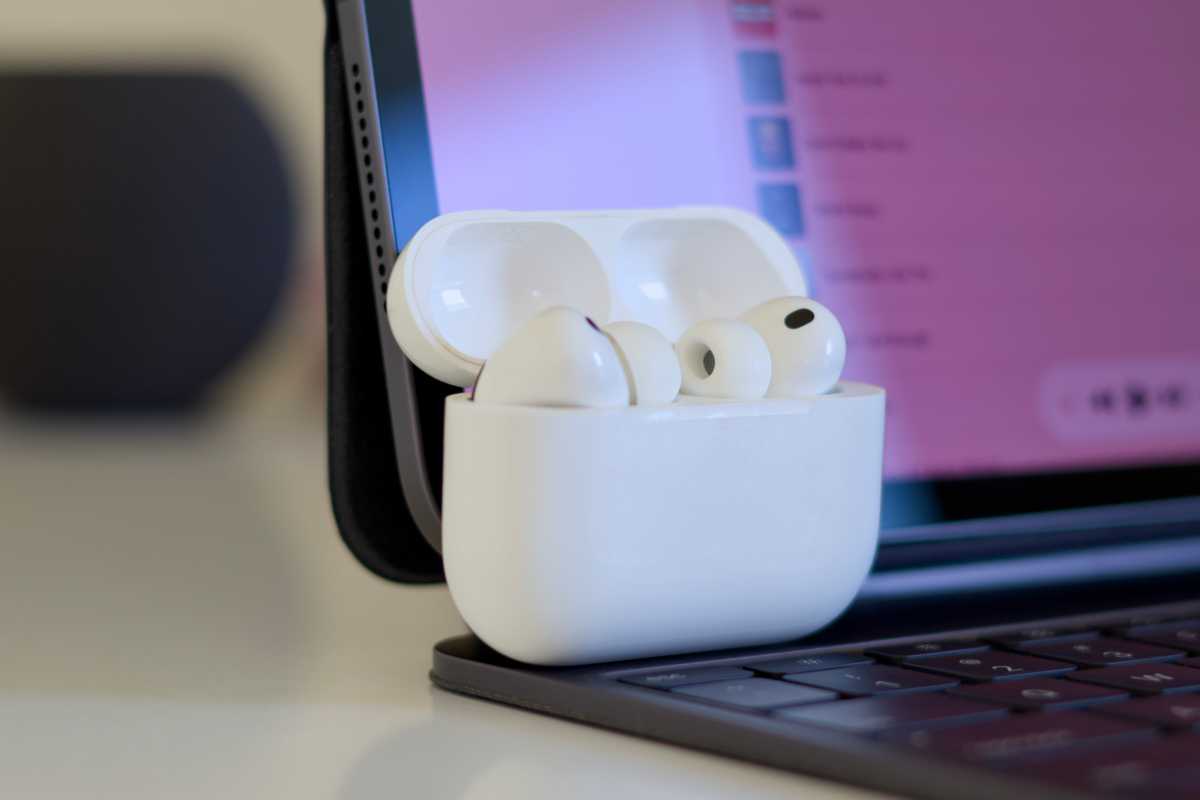
Other mobile accessories I expect to see at the event are two AirPods 5 variants. Like the AirPods 4, the latest-generation wearable will provide optional active noise cancellation (ANC) for those willing to pay a bit more. Given that Apple typically offers its best audio technology in the AirPods Pro line, it’s unlikely that the AirPods 5 will introduce any meaningful features unavailable on AirPods Pro 3. The refresh could be largely iterative, focusing on connectivity improvements and battery life. For something more exciting, I advise waiting for the camera-equipped AirPods rumored to debut in 2027, as they’ll enable major new capabilities.
Foundry
Smart spending
Apart from mobile devices, the “Surprise and shine” event will possibly feature Apple’s biggest smart home push to date. The Apple TV 4K and HomePod could leverage faster chips to unlock Siri AI. But let’s face it—your current smart speakers and set-top boxes can play music and movies just fine. While Siri AI is nice to have, it’s not an essential feature for media streaming devices.
Foundry
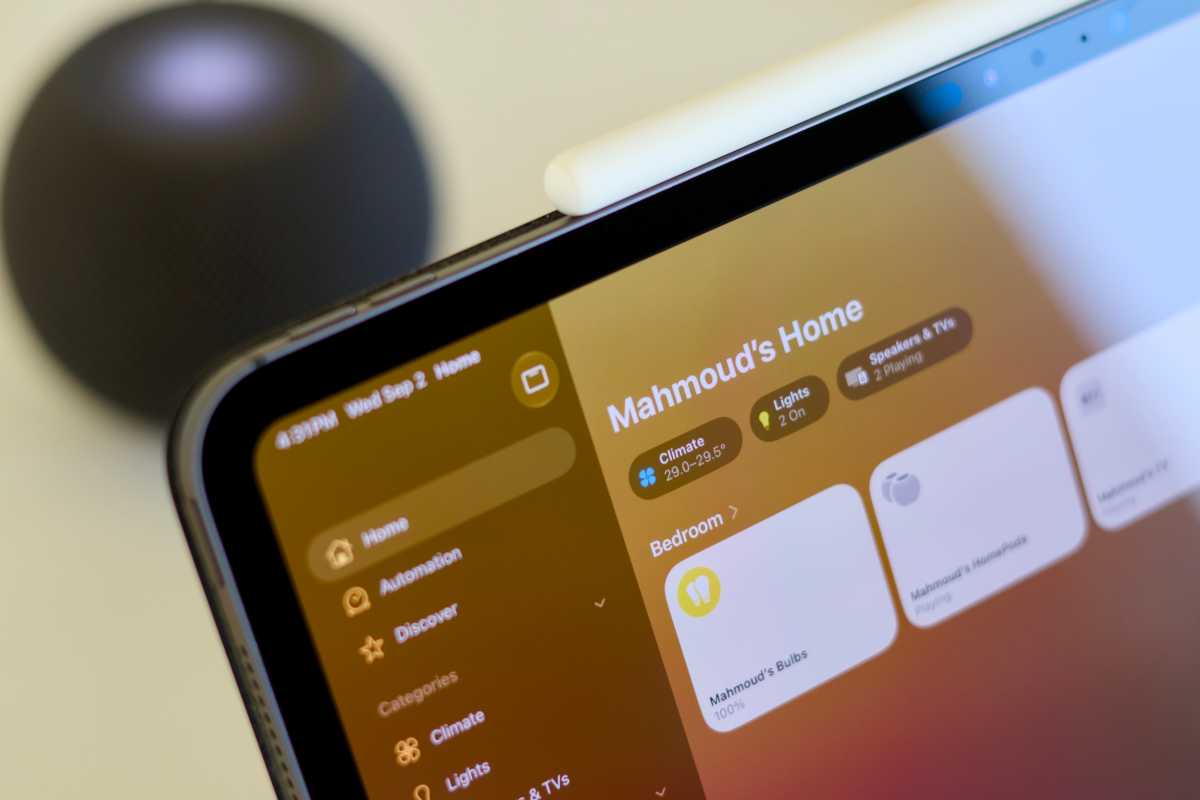
More importantly, Apple could reveal its first-ever dedicated smart home hub, which some are calling the HomePad. The new device will use a new OS with a new interface, letting you easily view your smart home’s state and control HomeKit and Matter accessories. It’ll likely also support FaceTime calls, viewing News+ recipes, and other existing Apple services. Despite that, I still fail to see its unique selling point. The Apple TV 4K and HomePod already act as HomeKit hubs to power automations, remote control, and more.
iOS, iPadOS, macOS, and even watchOS all support interacting with smart accessories using the built-in Home app. Unless its exclusive use cases haven’t leaked yet, I see little reason why one would add a HomePad to their setup.
TL;DR: Replace the scanner taking up space on your desk with a lifetime subscription to the portable, feature-packed iScanner App, on sale for Labor Day for just $24.97, 88% off the $199 regular price.
You need to scan, but that doesn’t mean you need a bulky desktop scanner: With the iScanner app, you get more features and more convenience than your old machine offers, and right now new users can get a lifetime subscription for just $24.97 with Labor Day savings.
With the iScanner app, you get access to features your old-fashioned scanner can only dream of. That means:
AI tools that adjusts document borders, straightens crooked scans, and eliminates skew
Text recognition that works with more than 20 languages
Markup tools that give you serious editing ability: color correct, make notes, cover up and blur text, and remove scan noise
Secure confidential documents with PIN codes and locked folders, and add watermarks
Merge pages, or split them apart
Add page numbers, headers, and footers to documents
Whether you’re scanning handwritten notes, business receipts, family photos, books, or cards, iScanner lets you make digital versions of your important items anywhere you and your phone find yourselves — no more being locked to your desk. You also get 200 MB of storage included with your lifetime subscription, giving you an additional method to securely store your notes, invoices, contracts and files. Your digitized files can be saved as PDFs, JPGs, or DOC files for easy sharing, and you can even convert them into PowerPoint, Excel, or TXT files for editing and conversion.
About 125 million small business owners, students, professionals and other users have chosen iScanner to make their phone into the powerful document processor their desktop scanner can’t be. And with these Labor Day savings, there’s never been a better time to join them.
Reports about Apple switching its MacBooks and iPads to OLED displays have been circulating in the rumor mill for some time now. A new report by Omdia gives us a more concrete look at when the switch could actually happen, as well as a few far-out details about Apple’s alleged plans.
The first MacBook equipped with an OLED display will reportedly be available “by the end of 2026,” according to the site, which is in line with previous rumors. The MacBook Omdia is referring to is likely to be Apple’s first touchscreen MacBook Pro, which is expected later this year or in early 2027.
It appears, however, that the touchscreen MacBook will be a new addition to the MacBook Pro lineup, a higher-end model that could fall under Apple’s Ultra branding. Omdia states that “the existing 14.3-inch and 16.3-inch MacBook Pro models with LCD + Mini LED backlighting will not be discontinued,” which means the MacBook Pro lineup, as it is now, will continue, with Apple upgrading the chip on a regular basis.
Surprisingly, and perhaps unbelievably, Omdia predicts that this new model is “highly likely to be equipped with the M5 Ultra chip.” Apple’s M5 ultra chip is only used in the Mac Studio, which includes a complex thermal cooling system with a heavy copper heat sink that adds two pounds to the machine’s weight.
Omdia also reports that the MacBook Air will continue to use an LCD display, and that there’s a “new 13.8-inch MacBook, which is expected to launch in 2029 with a hybrid OLED display.” This “new” MacBook is likely an upgraded version of the MacBook Air, which has been reported by Bloomberg’s Mark Gurman to be making the switch to OLED in the future.
Omida also confirms previous reports that an OLED iPad mini will arrive later this year. The current LCD iPad mini was released in October 2024, so it’s due for an update. It would be Apple’s first non-Pro tablet to have an OLED display.
Even after Apple raised prices in June, the M4 iPad Air is still the best option for tablet buyers looking for the best performance, size, and value in the iPad lineup. And for the first time, it’s nearly as cheap as it was before: Amazon is selling the 128GB M4 iPad Air in all colors for $100 off, bringing the price down to $649.
The iPad Air is a fantastic tablet, with an 11-inch Liquid Retina display, speedy M4 processor, 12MP front and rear cameras, and a Touch ID-equipped power button. This model was just released in March, but it looks the same as it has since its 2020 redesign. Still, if you haven’t bought an iPad in a few years, this is a great time to grab one.
We’re not fans of Apple’s new iPad pricing, but we still think the 11-inch M4 iPad Air is the smartest tablet for just about anyone. So if you want one, go save $100 and grab one before the price jumps back up.
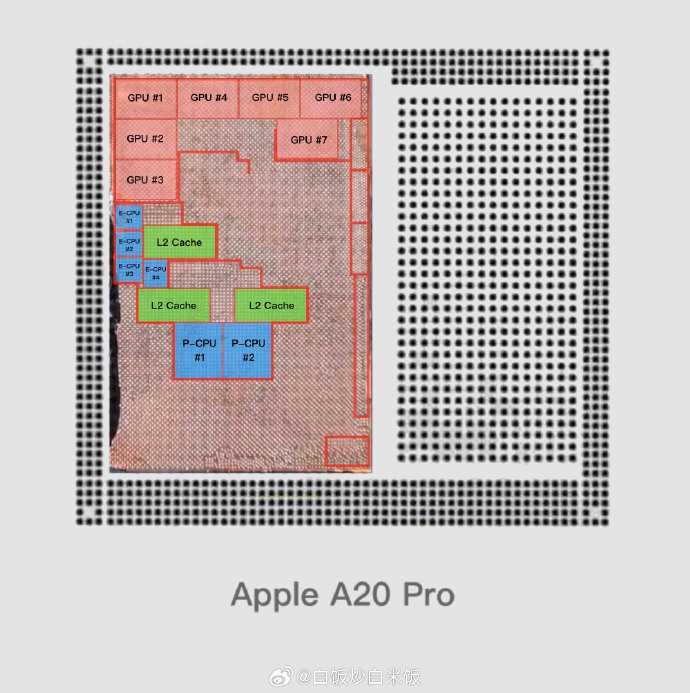
A leak on the Chinese social media site Weibo, 白饭炒白米饭, has posted images of what are purported to be the solder joint diagram for the A20 Pro (the diagram showing all the little contact points by which the chip is attached to the board beneath). This account has correctly leaked details of some Apple chips or products in the past.
From there, the leaker has used the layout and the previous chip block diagram to estimate some of the layout of the new A20 chip—a rough diagram of some of the major components.
There are three details gleaned from this process, if you trust in its accuracy.
First, we have seven GPU cores. The A19 Pro has six.
Second, there’s a 96-bit memory interface for LPDD5x RAM. The A19 Pro had a 64-bit interface.
Third, there will still be a 6-core CPU configuration, with two high-performance cores and four efficiency cores.
How does all this compare to the A19 Pro, and what could it mean? Well, the smaller efficiency cores all share a single 8MB L2 cache, which is 2MB more than before. That will speed things up a bit when the efficiency cores do bigger jobs on larger data sets. The two performance cores share a 16MB L2 cache (two 8MB blocks in the diagram), which is the same as before.
It’s not clear if any of these cores have architectural design changes or if these cores are Apple’s “Super Cores.”
Going up from 6 GPU cores to 7 is an increase of about 16 percent. We think it’s likely that the iPhone 18 Pro and Pro Max will have all GPU cores enabled, but the folding iPhone Ultra (very thin and difficult to cool) will have one core disabled, just as the iPhone Air has one A19 Pro GPU core disabled.
Graphics performance tends to be highly constrained by memory bandwidth, which is where the change to the memory interface gets interesting. Apple is not making the jump to LPDDR6 this year, sticking with LPDDR5x again, but a 50 percent wider interface means 50 percent more memory bandwidth. If Apple increases the memory clock speed, it can be even more.
So while there are “only” 16 percent more GPU cores, the increase in memory bandwidth and the potential for higher clock speeds or GPU core architectural improvements means that we can expect 20-30 percent higher GPU performance. That’s not unprecedented, but it’s more than we predicted in our A20 preview.
AI is increasingly important to Apple, and it shares many core architectural features between its A-series mobile chips and its M-series chips for Macs. So it makes sense that Apple is investing heavily in GPU performance, memory bandwidth, and GPU compute features—all of which help with running or training local AI models. Fortunately, even if you don’t care about AI performance, all of this increased GPU performance and memory bandwidth will also mean better performance for 3D games and other graphics-intensive apps and tasks.
Apple is preparing to expand its Ultra line in a big way. The designation, currently limited to Apple Watches, M-series chips, and CarPlay, will reportedly come to the iPhone next, with the launch of the first folding iPhone on September 9. Per Apple’s nomenclature, an Ultra product is the highest-end of its kind, outperforming the Pro models with high-end features worthy of its name and price. That, however, won’t be the case when the iPhone Ultra launches in a few weeks.
The iPhone Ultra will undoubtedly cost the most and offer exclusive features unavailable on Pro iPhones, most notably a folding display and upgraded iOS multitasking. Nevertheless, it’ll miss out on a ton of essential features that users already get with Pro phones and, in some cases, even entry-level iPhones. When evaluating the full packages, one could arguably crown the iPhone 18 Pro Max as this year’s actual Ultra model.
Faceless ID
Users will experience the downgrade from the moment they pick up their iPhone Ultra. Due to its complex folding design, Face ID, the decade-old biometric authenticator and standard across all iPhone models, will reportedly be missing from a flagship iPhone for the first time since 2017. Instead, you’ll have to precisely position your registered finger on the Touch ID sensor embedded into the power button, as wth the iPad.
I’ve used Apple’s side-mounted Touch ID reader on an iPad Air in the past, and, trust me, you wouldn’t want it on your primary device. The operating system relies on biometric authentication for numerous sensitive tasks, beyond merely unlocking your iDevice. It’s used for Apple Pay, Apple Passwords, App Store purchases, etc. If your fingertip is moist or you’re wearing gloves, you’re going to find yourself manually entering your iPhone’s passcode countless times per day.
The iPhone Ultra will reportedly have just two cameras, a stark downgrade from the Pro phones.
Foundry
Camera shy
iPhones are many users’ sole digital cameras, with the Pro models boasting three advanced rear lenses for wide, ultra-wide, and telephoto shots. Given the Ultra name’s perceived superiority, customers would assume that the folding iPhone would match or even outdo the Pro variants in photography. In reality, it likely won’t.
According to rumors, the iPhone Ultra will completely drop the telephoto lens, downgrading the maximum digital zoom from 40x to around 10x. This will bar users from taking crisp shots of faraway subjects. Furthermore, the iPhone 18 Pro Max is rumored to exclusively adopt a variable aperture main camera, letting you control the depth of field and produce more balanced photos. You won’t get that with an iPhone Ultra, either.
Lack of Action
A couple of years ago, the iPhone 15 Pro retired the classic mute switch in favor of an all-new Action button. The mappable button allows users to run any task by pressing and holding it, including custom shortcuts, menus, and conditionals, making the Action button highly personalizable and useful. Based on the latest reports, the iPhone Ultra will exclude the Action button, providing users without an easy way to perform frequent daily actions.
Another common iPhone feature that might be missing is MagSafe. Not only does MagSafe provide a more reliable wireless charging experience and unlock StandBy mode, but it also lets you effortlessly attach a wide range of accessories, including wallets, power banks, kickstands, tripods, and much, much more.
While the necessary magnets are incorporated into all iPhone models—including the $599 17e—the $2,000-2,500 iPhone Ultra might skip it, according to some rumors. However, a report just this week claims that Apple’s folding phone will indeed have MagSafe, so if you’re hoping to buy one, keep your fingers crossed.
The Action button has become a standard feature on all flagship iPhones—but it might not be coming to the Ultra.
Foundry
Handle with care
With the highest water and dust resistance, we no longer think twice before rinsing our iPhones or bringing them to the beach. The iPhone 17 Pro, for example, has the highest ingress protection rating: 68. The 6 refers to its dust-tight seal that prevents fine particles from entering the device, while the 8 indicates you can immerse it in up to 1.5 meters of water for no more than 30 minutes.
Foldable phones typically come with a lower IP rating due to their more complex design, including the mechanical hinge. Samsung’s Galaxy Z Fold 8—which reportedly mimics the iPhone Ultra form factor—has an IP48 rating. So, while it’s generally resistant to water, the 4 translates to vulnerability towards particles finer than 1mm. Beach sand, pocket lint, and dirt can get inside the phone and potentially damage it down the road, so you’ll need to be a lot more careful when carrying it around.
Simple SIM
Lastly, the iPhone Ultra, like the iPhone Air, will reportedly be eSIM-only internationally. While all iPhones sold in the US migrated to this format long ago, many frequent fliers and international users still prefer physical SIMs for a number of reasons. If you buy an iPhone 18 Pro from abroad, for example, you can still get a physical SIM card tray, but that won’t be the case with the Ultra.
TL;DR: Edit, encrypt, and sign PDFs with ease with a lifetime subscription to PDF Reader Pro Premium License for Mac for $39.99, 50% off the retail price of $79.99.
PDFs may be the preferred format for electronic document sharing but creating, editing, and working with PDFs is a hassle if you don’t have specialized (and pay-by-the month) software you never really own — but not with PDF Reader Pro. The software program is already used on more than 60 million devices to create and manage letters, contracts, and other PDF documents for their business and personal needs, and right now you can get a lifetime subscription for one device for half off, or just $39.99. That’s less than two months of getting similar features from an Adobe Acrobat Pro subscription.
With the lifetime subscription to PDF Reader Pro, you get a number of useful abilities that save you time and make life easier, including:
Rearrange, reorganize, and reorient pages in your document
Split multi-page documents apart or merge single pages into one
Delete, rotate, or crop files
Compare documents side by side
Annotate and mark up files
Modify and edit text and images within your PDF
Batch process encryption and compression, and add watermarks, headers and footers
Extract text and convert scanned documents into searchable and editable text files
The program also includes advanced security features that make it seamless to issue or process invoices, contracts, or other sensitive documents. Within the program, you can encrypt files and protect them with a passcode; add a watermark; redact confidential information with a permanent black box; and create and legally sign forms.
PDF Reader Pro even comes with bookmarking and search function, as well as an easier-on-the-eyes night mode, that makes reading through even lengthy files easier and more convenient.
PDFs aren’t going anywhere. Make creating, editing, and sending them less time-consuming and dramatically easier, and get off the monthly subscription treadmill at the same time.
Apple is set to reveal new iPhones on September 9, so on this episode of the Macworld Podcast, we talk about what to expect: the iPhone 18 Pro, new Apple Watches, and a new folding iPhone.
Had the last Intel Mac Pro $12,000. Went to a Mac mini M4 Pro $3000. It had 50% headroom on my pro audio projects.
I plan on waiting till 2030 or later…Don’t need a faster Mac for audio or web development – occasional music videos are fine…New Computer Prices are too high for me…I’ll wait for ram to drop.
Michael D. via email
In your criticism of Apple project Titan: Apple spent an estimated $10 billion dollars over 8 years. A whopping $1.25 billion a year for what ended up being an R&D project. Isn’t a little revisionist to call the endeavor a failure if all it provided was the neural engine, the photo processing pipeline, and visual intelligence. Especially, considering Meta spent $60 Billion on the Metaverse and what the hyperscalers are spending each quarter on datacenters ($580 billion in 2025 and est $620 billion ).
When Apple introduced its M-series chips, it also marked the beginning of the end for software written for Intel Macs. It’s been nearly six years since then, and Apple has let developers know that they can bring Intel Mac development to a close.
In an email to developers, Apple said:
We’re reaching out to let you know that universal macOS apps on the Mac App Store that require macOS 13 or later can now remove support for Intel-based Mac computers.
By removing support for Intel-based Mac computers, you can simplify your development and optimize your download and on-device size.
When Apple announced macOS 26 Tahoe last year, the company said it would be the last version to support Intel Macs. This new announcement takes another step toward dropping Intel altogether. A new Apple support document adds this vital bit of information:
macOS 27: Final release to support Rosetta — Intel-only apps will no longer run on Mac computers with Apple silicon after this update.
Now it’s up to developers to determine when to stop with Intel code. App designers will need to determine how many of their users still use Intel Macs before they can drop development, which means that some will need to continue to support Intel for a while. If you use an Intel app, reach out to the app developer to find out their plans.
It’s no secret that sports fans hate streaming. What used to be a consistent place to watch your local team play every night is now spread across several platforms, including Peacock, Netflix, Amazon, and Apple TV. It seems like every night, social media lights up with baseball fans who either can’t find or don’t want to pay to watch one of the two games being broadcast on some streaming service.
Apple seemingly understands at least one of these frustrations. Variety reports that Apple has inked a deal with Yahoo Sports to stream a pair of Friday Night Baseball games— Detroit Tigers at Cleveland Guardians on September 4, and Philadelphia Phillies at New York Mets on September 18—for free on Yahoo’s site and apps.
The only problem is that Yahoo is only airing the first two innings of each game. So if you’re a fan of the New York Mets and you excitedly stumble across the game and start watching, you’ll get cut off after about a half-hour of action. And as anyone who watches baseball will tell you, the first two innings are generally not the most exciting.
The truncated games will also have their own announcers, Jake Mintz and Jordan Shusterman, hosts of Yahoo Sports’ “Baseball Bar-B-Cast” podcast.
As part of the deal, Yahoo Sports will promote Apple TV’s Friday Night Baseball broadcasts through on-site ads, emails, social promotion, how-to-watch articles, “Daily Draw” games, and more, according to Variety. The deal also includes two MLS games featuring Lionel Messi’s Inter Miami CF squad, though those matches will be shown in their entirety.
Apple founder Steve Jobs wasn’t a big fan of the stylus. “Who wants a stylus?” he asked at the original iPhone launch in 2007. “You have to get ’em and put ’em away, you lose ’em, yuck.” Nobody wants a stylus.” Instead, the iPhone’s interface was built around what he referred to as the best pointing device in the world: the human finger. This was a risk at the time, but the iPhone ended up doing reasonably well.
That’s not to say that Jobs’ view on the matter was definitive. Look up a YouTube clip of the stylus monologue–as I just did, to get the wording right–and you’re sure to see plenty of commenters gleefully pointing out Apple’s later change of direction. In 2015, a different CEO named Tim announced the launch of the Apple Pencil, a stylus. What an embarrassing U-turn, those commenters would have you believe. Although it’s worth bearing in mind that the Apple Pencil was designed for the iPad, not the iPhone, and to this day the company has resisted the urge to make a smartphone that can be controlled using a stylus.
That may yet change. In the latest edition of his Power On newsletter, the Bloomberg leaker Mark Gurman insists “with zero doubt” that Apple has prototyped and internally tested a special version of the Apple Pencil for its upcoming foldable iPhone. This stylus may or may not materialize when the phone is unveiled next week; at this point, Gurman considers it unlikely. But Apple evidently gave it serious consideration.
It’s nice to have the whiff of a last-minute surprise going into the September 9 event. But on balance, I hope this ends up being one of the thousand noes rather than the one yes. I think launching the iPhone Ultra as a stylus-based (or even a stylus-optional) device would be a colossal mistake. Here are six reasons why.
1. Phone styluses are annoying
It’s been 19 years since he made them, but Steve Jobs’ objections to the stylus remain valid. They’re annoying, fiddly objects, inconvenient to get out, and easy to lose. It’s an extra thing to worry about when the revolutionary joy of the 2007 iPhone was the way it unified all your tech into a single point of use. You no longer needed to carry a digital camera, an iPod, and a cellphone. Gratuitous accessories like the stylus are a regression to the bad old days.
On a larger, more work-focused device like the iPad Pro, such annoyances can be viewed as an acceptable compromise. iPads often live in a bag, and bags have side pockets for things like the Apple Pencil. If you set up your iPad for a longer work session, it’s less of a hassle, but iPhones are instant-use devices, and they don’t need random gizmos adding friction to the process.
2. Where do you store it, and how do you charge it?
One of the biggest problems with the original Apple Pencil, and one of the biggest improvements made by the 2nd-gen model in 2018, relates to storage and charging. Later versions attach magnetically to the side of an iPad and charge wirelessly, which means a) it’s always there, and b) it’s always charged when you need it. Before then, Apple Pencils were generally found at the bottom of a bag, if you could find them at all, and it was a 50/50 bet whether they would have any power. (Charging via Lightning was a design nightmare, too, but that’s another story.)
Gurman says the prototype Pencil uses a magnetic connection, but acknowledges that this isn’t ideal. “Storing the Pencil would get awkward if you want to fold the phone open and not use the accessory,” he says. I also suspect that a magnetically attached stylus will detach from the phone when in a pocket, or while being taken out of a pocket, likely resulting in one or both ending up on the floor. It doesn’t feel like a satisfactory solution, but if you don’t use magnets, you’re left with the inconvenience of the 1st-gen Pencil, or the dust-gathering inelegance of a stylus that slots into a hole. Yuck.
Magnetically attaching the Apple Pencil makes sense for a tablet, but wouldn’t suit a phone.
Apple
3. Phones don’t benefit from styluses as much as tablets
The creative-targeted 2015 iPad Pro clearly benefited from the potential of a stylus, since the human finger, as even the proudest of parents will surely concede, will never rival a pen tip for artistic accuracy. But phones, and particularly iPhones, are rarely used for art, partly because their screens are smaller, and partly through habit: There’s no Apple Pencil support for the iPhone, so both users and app developers have adapted to an environment in which fingers do the work.
Are iPhone Ultra owners going to gain delightful utility from the Apple Pencil mini? I doubt it. The software isn’t there to take advantage of it, and smartphones in general don’t suit stylus input.
4. A stylus would add technical challenges Apple really doesn’t need
Considering how much money Apple is likely to ask for it (at least $2,000, and perhaps as much as $2,499), the iPhone Ultra needs to be perfect. Any hint of an Antennagate or Bendgate scenario would kill interest in an ultra-premium device, and bring a premature end to what should be a long line of foldable iPhones.
The folding screen already creates plenty of opportunity for things to go wrong (two words: crease and hinge). But as Gurman points out, making that screen stylus-sensitive ramps the difficulty level up another notch. “The sensitive nature of foldable displays means that a stylus-like input device could leave unsightly marks on the delicate screen,” he explains. Look out for #Unsightlymarksgate, coming to an excitable media outlet near you.
5. Too many novelties at once
In the Android world, the concept of the foldable is (relatively) old hat, but for Apple fans, the iPhone Ultra is going to be a lot to take in stride. Barring a few minor novelties such as the Dynamic Island, iPhones have been used in exactly the same way for almost two decades. A lot of us are going to have to update our muscle memory for an entirely new experience.
In that context, it strikes me as the height of recklessness (not to mention arrogance) to throw in an entirely new input method at the same time. Apple doesn’t need an extra usability roadbump. Not this year.
This is a lot to take in.
Foundry
6. It would be an embarrassing U-turn
“If you see a stylus, they blew it.” Those were Steve Jobs’ words. And that resulted in plenty of schadenfreude when the Apple Pencil was announced a few years later.
I’ve repeatedly defended the decision to make a stylus for the iPad, which was a different use case. But making one for the iPhone really would play into the hands of the haters. Apple should stick to its guns. And its fingers.
When Apple unveiled iOS 27 at WWDC, the main highlight was artificial intelligence, which is only available on newer phones. The company spent a good portion of its keynote talking about the new Siri AI, Apple Intelligence, and other features that require the latest hardware to run. Unsurprisingly, this left owners of older iPhones wondering what exactly they would gain from the update.
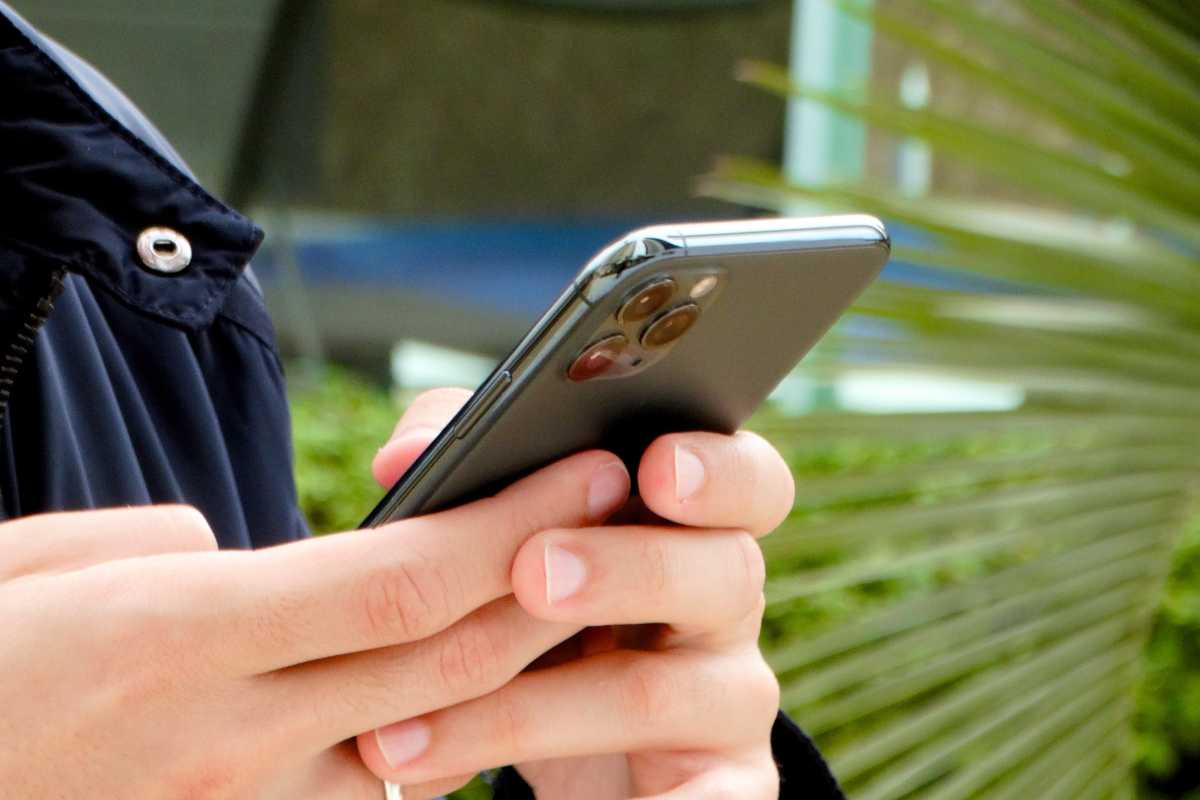
After spending some time testing the iOS 27 beta on an iPhone 11 Pro Max (the oldest iPhone supported by the update), I can report that iOS 27 is just as important for older iPhones—maybe even more so. Although they’ll miss out on the latest AI features, iOS 27 may be the best update older iPhones have received in years.
iOS 27 makes older iPhones fast again
If you’ve installed iOS 26 on an older iPhone, you’ve probably noticed that some things weren’t exactly smooth. Even some of the latest iPhones had some trouble running the fancy animations added with Liquid Glass.
Also, I recently wrote about how iOS 26 seemed noticeably buggy compared to other recent iOS releases. Animations stuttered more often, apps took longer to launch, and even basic system interactions sometimes felt sluggish.
Apple promised that iOS 27 would address many of these issues. While we only have access to the first beta of iOS 27, my tests with the iPhone 11 Pro Max show that the company was serious about improving performance, especially when it comes to old hardware.
iOS 27 will bring some design refinements to Liquid Glass, but the real improvements are with performance.
Foundry
To get a better idea of how much has changed, I measured the time it takes to complete a handful of common tasks on the same iPhone 11 Pro Max running iOS 26 and iOS 27 beta 1.
I started with something simple that most people do every day: taking photos with their iPhone. On iOS 26, my iPhone 11 took 0.98 seconds to open the Camera app, then 3.61 seconds to take a photo and load it into my photo library.
I ran the test again with iOS 27, and the improvements were noticeable. Now it only takes about 0.65 seconds to open the Camera app, and 2.44 seconds to take a photo and immediately open it from the thumbnail preview. For users, this means a lower chance of missing an important shot because their phone is too slow.
Many iPhone users also rely on the Maps app every day, and on iOS 26, the iPhone 11 took a long 3.01 seconds to load it. With the first beta of iOS 27, the same iPhone now loads the Maps app in just 1.36 seconds. That’s twice as fast as on iOS 26.
Other actions, such as launching Safari, browsing the App Store, and opening the share sheet, are also noticeably faster in iOS 27.
iOS 27 beta vs. iOS 26 speed tests
Results are in seconds. Lower results/shorter bars are better.
On their own, these numbers won’t transform the experience. After all, we’re talking about fractions of a second in some cases. But when you’re running these tasks multiple times a day, every second adds up to minutes saved. And the whole system feels remarkably faster.
The smoother animations matter even more
Performance benchmarks are only part of the story. What really makes iOS 27 better on the iPhone 11 is how much smoother the animations feel during everyday use.
Visuals everywhere appear more consistent and less prone to frame drops. Swiping to open Control Center is noticeably more fluid. Unlocking the phone feels more responsive. App transitions seem better optimized and less likely to hitch.
Those were all things that bothered me when I tried using this iPhone on iOS 26, and now Apple seems to have fixed nearly all of the slow animations.
Once again, these aren’t dramatic changes individually, but together they create the impression that the old hardware is no longer struggling to keep up with the operating system. The result is an iPhone that feels newer than it actually is.
You won’t get all of the features that you get on the iPhone 17 PRI Max, but iOS 27 will still be an impressive upgrade for older iPhones.
Foundry
iOS 27 also runs cooler
Another change I noticed almost immediately is the temperature. While my iPhone 11 Pro Max heats up quite easily on iOS 26, even when performing basic tasks, iOS 27 seems to keep the phone cool for longer. And that’s a great sign that the optimizations Apple made across the system have worked.
A cooler phone generally indicates that software processes are being managed more efficiently. It often means less unnecessary CPU and GPU activity, which can also translate into better battery life over time.
Of course, this is still a beta, and hardware usage can fluctuate significantly throughout the beta cycle. Still, seeing a beta run already cooler than the previous public release is an encouraging sign.
Older iPhones are getting a lot
If you watched the WWDC keynote, you might have been disappointed, as it seemed as though older iPhones wouldn’t be getting anything more than bug fixes with iOS 27. But that’s not actually the case. In fact, while devices like the iPhone 11 won’t support Siri AI, there are still many other new features coming to these devices.
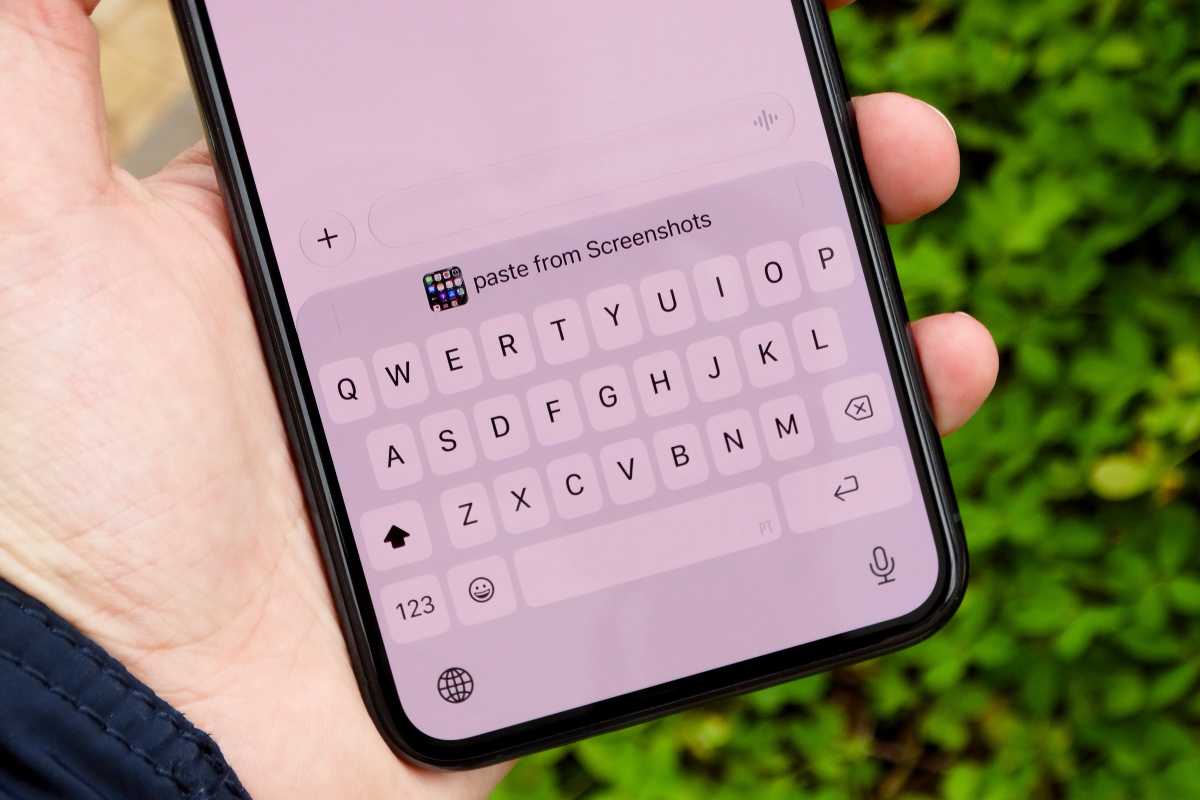
One of my favorite new features in iOS 27 is the new clipboard shortcut right on the keyboard, which makes it faster to paste text or even a screenshot you just took. Being able to control the volume of the alarms and timers independently was also a nice addition.
Older iPhones won’t miss out on small iOS 27 features like this clipboard upgrade in the keyboard.
Foundry
There’s also the ability to create custom passes in the Wallet app, a redesigned interface that makes it easier to play audio messages in iMessage, an option to save a high-resolution frame from a video in the Photos app, and larger Home Screen widgets.
All of these features are coming to older iPhones with iOS 27. Sure, they might not sound as exciting as a new AI assistant that can control your phone, but they’re exactly the kind of improvements that make your phone feel more useful and polished.
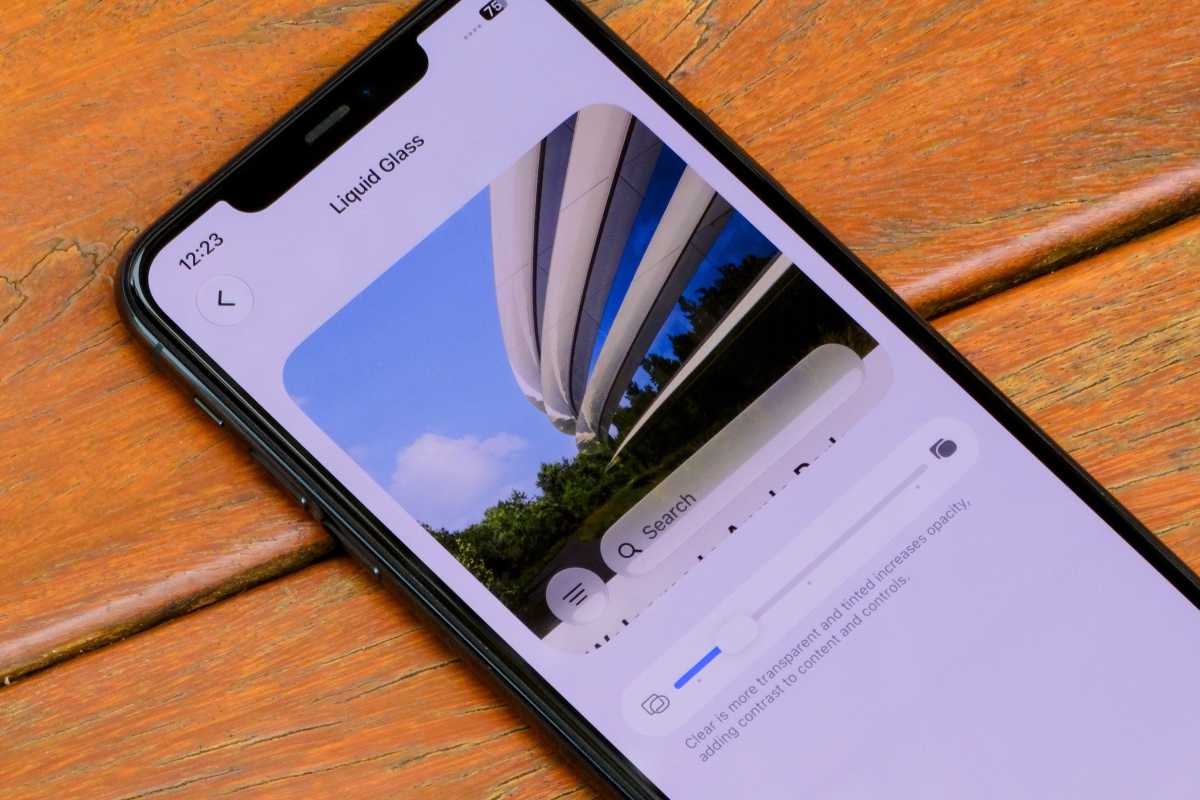
Not to mention that all iPhones getting iOS 27 will feature refinements to the Liquid Glass interface, including the new transparency slider that lets you choose the look you want.
iOS 27 is a surprisingly great update for aging iPhones
To be honest, I was quite surprised when Apple confirmed during the WWDC keynote that even the iPhone 11 would get the iOS 27 update. After all, my experience running iOS 26 on that generation of phone was quite frustrating. But now that I’ve tried the first beta, I can see why Apple made that decision.
The main narrative surrounding iOS 27 focuses heavily on AI, and that’s completely understandable. Apple had been lagging behind in this race, so it’s no surprise that they want to make a big deal out of all the new Apple Intelligence and Siri AI features.
Don’t worry about missing out on Siri AI. iOS 27 is a fantastic upgrade for older iPhones.
Foundry
Yet, after using iOS 27 on an iPhone 11 Pro Max, I can’t help but think that older devices may be among the biggest beneficiaries of this update. The software feels faster. Animations are smoother. The phone runs cooler. And users still get a collection of useful new features despite missing out on AI.
For anyone worried that iOS 27 would leave older iPhones behind, the first beta suggests the opposite. Apple appears to have spent just as much time optimizing the experience for existing users as it did building features for future hardware, and that’s great news for people still holding onto a seven-year-old iPhone.
September is always the biggest month of the year for Apple fans. That’s when we get the new operating systems first announced at WWDC in June, new iPhones, new Apple Watches, and sometimes more.
This year is especially monumental. It’s the first month and the first event helmed by new CEO John Ternus, the release of the biggest OS updates in years with an all-new Siri, and the unveiling of Apple’s first folding iPhone. All that and more are coming this September. Here’s what’s on the way.
New CEO, new iPhone, and more
As of September 1, Tim Cook is out as CEO (taking a backseat role as Chairman) and new CEO John Ternus is at the helm. That means the big Apple event on September 9 will be the first not headlined by Cook in 15 years. In his welcome letter to employees, he promised a “huge launch that’s going to be phenomenal.” With Ternus at the helm, will the Surprise and Shine event be different in tone or structure from what we’ve seen the last few years? We’ll find out on September 9 at 10 am. Here’s what we expect at the event:
iPhone Ultra: The marquee product of the new lineup will be Apple’s first foldable device, likely to be called iPhone Ultra. We already have a good idea of its design, but we don’t yet know about its features, particularly what Apple is doing with the software. We expect the price to top $2,000.
iPhone 18 Pro/Max: The iPhone 18 Pro and Pro Max will be an evolutionary upgrade from the iPhone 17 Pro. The big updates are a faster A20 Pro processor and a new main camera with variable aperture.
Apple Watch Series 12: We don’t expect much to be new about the Apple Watch Series 12. There should be a faster processor, and Apple is said to be bringing back the ceramic case option, but the rumors say not to expect a change to the design or major new features this year.
Apple Watch Ultra 4: Just like the Series 12, the new Ultra is going to be primarily a “chip and ship” update with no major design changes or new features.
Apple’s iPhone event will be loaded with shiny new products—and hopefully some surprises.
Apple
AirPods 5: Apparently, there’s an AirPods 5 that could ship as early as September. Like AirPods 4, it would come in both standard and active noise-cancelling versions, but we’re not sure what will actually be new. This is not expected to be the AirPods with cameras in them, and it’s unknown what the new features might be.
Apple TV 4K: A new-generation Apple TV box with a new processor that supports the new Siri AI is supposed to ship before the end of the year. It could be announced at the September event, or it could just go up on the website one day. There’s plenty of time for this update to be released in later months, too.
HomePod mini: Just like the new Apple TV box, the main reason for this to exist is to get a new chip that supports Siri AI. As with the Apple TV, this may not even get mentioned at the event at all and could just go up on the website as an update anytime this year.
Smart home hub: The biggest question mark for Apple’s upcoming event is whether or not the company will unveil its new home hub device. This is said to be a tablet-like pad, with a new 7-inch squarish shape, that will come in both base/speaker-mounted or wall-mounted varieties. It will run a new operating system that blends some of the features of Apple Watch and Apple TV. It’s meant to control your smart home stuff, make FaceTime calls, listen to music, and so on. Rumors say it could launch this fall, but that doesn’t necessarily mean September.
The OS 27 updates: All the “27” updates are getting ready for release in September. This is a huge release, with a complete overhaul for Siri, turning it into a real AI chatbot agent, as well as dozens of quality-of-life and performance improvements. There are helpful new features throughout, many of them AI-powered, like the Phone app surfacing relevant info when calling a person or business. Call the airline and get your ticket confirmation number from your email right on the Phone screen, for example. There are new Photos editing features, a totally new Image Playground, the ability to essentially vibe-code Shortcuts or Safari extensions, and over 250 other pain points and wishlist items addressed.
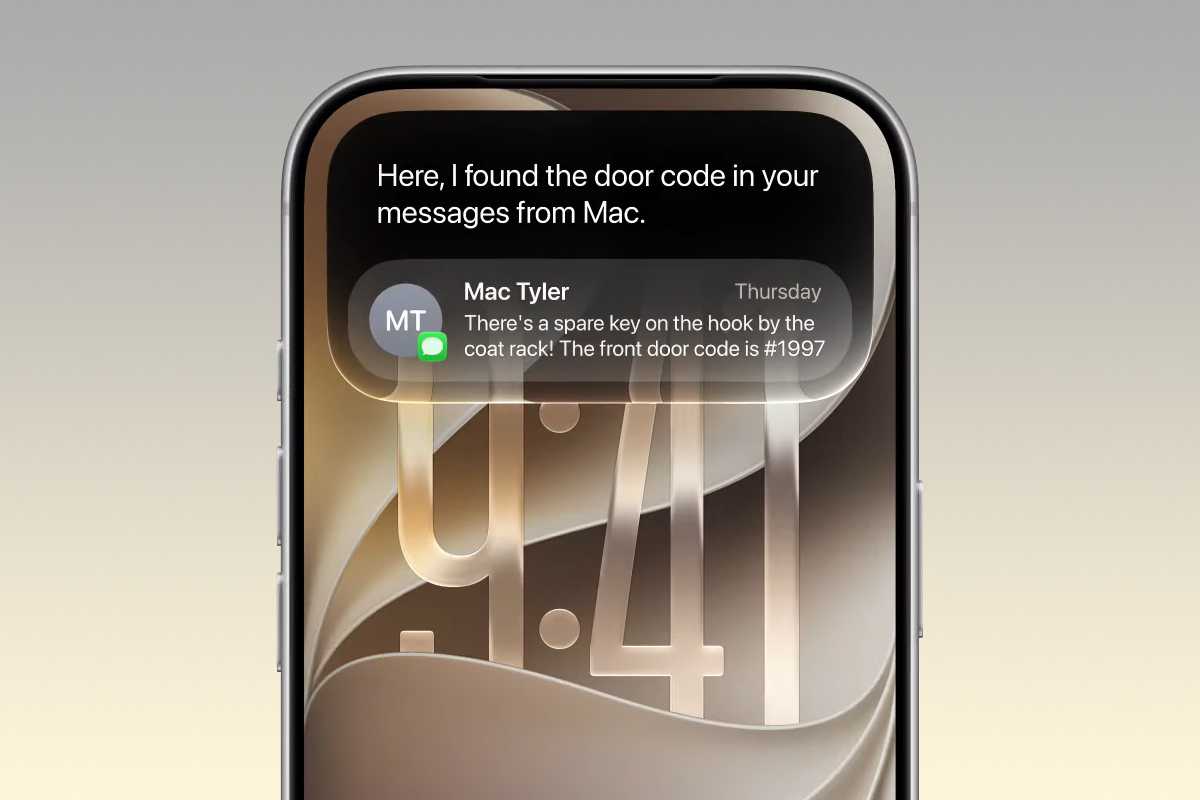
Siri AI: Part of the new OS 27 updates is a new Siri, appropriately called Siri AI. It’s an entirely new generation of AI assistant, and no longer years behind other contemporary AI chatbots like Gemini, Claude, or ChatGPT. It’s more conversational and has much better world knowledge, more easily understands you and your context, and can even look through your Messages, Mail, Calendar, and Contacts to piece together personalized responses. It all comes together in a new Siri app that keeps a history of your questions and chats (you can adjust for how long the history remains) and is synced between devices.
Services
Apple TV+
Here are the shows, series, and movies we expect to release on Apple TV+ in TK. If you want to know what’s coming later, check our full guide to upcoming Apple TV+ content.
Mayday: An action-packed buddy comedy film. When hotshot U.S. Navy pilot Lieutenant Troy “Assassin” Kelly (Ryan Reynolds) is sent on a top-secret mission into Russian territory at the height of the Cold War, the operation implodes, leaving him stranded behind enemy lines. September 4
Last Seen: A former police detective, now working as a dispatcher, receives a call from a teenage girl who he is convinced is his daughter, who went missing 11 years ago. September 9
Slow Horses (season 6): This darkly funny British spy thriller show is easily one of the best things on Apple TV, and it’s back for another short season. September 16
Brothers: Matthew McConaughey and Woody Harrison play fictionalized versions of themselves whose lifelong friendship is thrown into chaos when they uncover a decades-old secret: They might actually be brothers. September 23
Apple Arcade
Apple releases most Apple Arcade games on the first Friday of each month. Check our Apple Arcade FAQ for a full list of Apple Arcade games and more details on the service. Occasionally, games are released with no forewarning, but you’ll usually see next month’s releases listed in the Coming Soon section.
Art of Fauna: Cozy Puzzles+: Piece together over 300 pieces of animal artwork. September 3
Block Blast+: Block-based puzzles with daily puzzles and adventure mode. September 3
Coloring Games for Families+: A very family-friendly, kid-oriented coloring game. September 3
Let’s Play! Oink Games+: 9 board games from a Japanese small-box board game company. September 3
TL;DR: Get a lifetime license to Microsoft Office Home & Business 2021 for Mac for $99.97 (MSRP $219) through September 3. The one-time purchase includes Word, Excel, PowerPoint, Outlook, Teams, and OneNote, with no recurring subscription fees.
If recurring software fees and renewal reminders are getting old, this one-time deal on Microsoft Office Home & Business 2021 for Mac offers a simpler way to keep the essential Office apps on your Mac. Through September 3, you can get a lifetime license for $99.97 (MSRP $219), with no ongoing subscription or recurring fees.
What’s included
Word
Excel
PowerPoint
Outlook
Teams (basic)
OneNote (free version)
That’s basically everything you need to handle work projects, personal tasks, or school assignments like a pro. It’s perfect for students, families, or small business owners who want a dependable, full-featured productivity suite without ongoing costs.
Once you purchase, you’ll get instant delivery of your redemption code via email, along with instructions to activate it. The license connects to your Microsoft Account (not your device), and it works on one Mac for the lifetime of the product. It also comes with updates and free customer service.
Just make sure you redeem the code within 7 days of purchase, and note that this version is not compatible with virtual machines like Parallels Pro.
After 15 years at the helm, Tim Cook stepped down as Apple CEO today. In his stead is John Ternus, an Apple veteran who most recently served as Apple’s head hardware honcho and has been knocking around the hallways in Cupertino for most of his adult life. If there’s anyone who knows Apple as well as Cook, it’s Ternus.
What can we expect going forward? Tim Cook was effusive in his praise of Ternus, writing in his final message to employees as CEO, “I will miss leading you and being with you for every step, even as I take enormous comfort in handing the helm to someone as brilliant and wonderful and capable as John. Few people understand what it takes to build products that change the world the way John does and I could not be more excited for his leadership.”
But what will the John Ternus era really look like? Will he be able to correct Apple’s mistakes and put the company on the path to further prosperity? And what will that future look like for you? I’ve gazed into the tea leaves, examined my fair share of entrails and read every palm I can find to see if I can work it all out. Here’s what I reckon we could be in for.
Who is John Ternus?
Until being named as CEO, John Ternus was Apple’s Senior Vice President of Hardware Engineering, and he’s overseen the physical products that have made Apple such a success. (Apple announced that Johny Srouji will succeed Ternus as hardware chief.)
He first joined Apple in 2001 as part of the company’s product design team, with a particular focus on the much-loved Cinema Display. He graduated to Vice President of Hardware Engineering in 2013 and was then promoted to Senior Vice President of Hardware Engineering in 2021.
As the hardware engineering lead, he at first handled Apple’s AirPods, iPad and Mac hardware divisions. iPhone hardware was added to that roster in 2020, with the Apple Watch being put under his purview in 2022. He also played a leading role in Apple’s transition away from Intel processors and towards Apple silicon, taking to the stage and conducting interviews to promote the new chips.
And since the ouster of John Giannandrea as Apple’s AI chief in 2025, the company’s secret robotics projects have been moved under Ternus’s aegis, too.
John Ternus played an instrumental role in the Apple silicon transition for the Mac.
Apple
At 51, he’s also one of the youngest members of Apple’s senior leadership team and taking ober at almost the exact same age as Tim Cook was when he became CEO in 2011, 15 years ago. That tells you that in making this move, Apple is planning for the long haul. If all goes well for the company, Ternus could be in charge for the next decade and a half, if not more.
The John Ternus era
Tim Cook is many things, but unlike Steve Jobs, he’s never truly been a product person. Ternus is a hardware guy through and through, however, and this could help him fix some of Apple’s most pressing problems, such as its floundering Vision Pro and how it makes its forthcoming augmented reality glasses a rip-roaring success.
On that topic, it’s worth noting that the first role Ternus took on after graduating from university was at Virtual Research Systems, a company focused on making virtual reality headsets and other devices. Could that give him uncommon insight into how Apple can set the beleaguered Vision Pro on the right path?
Maybe, maybe not. Ternus left Virtual Research Systems to join Apple in 2001, and a huge amount has changed in the VR world since then. At the same time, Ternus was at Apple during the entire Vision Pro creation process and would have had a strong role in its development. If he were present in a leadership position during that time, would much change now that he’s set to head up the company?
I wouldn’t rule it out. His nature as a product person could give him the ideas and vision to correct course now that he’s got more power concentrated in his hands. It could also be exactly what’s needed to steer the long-rumored Apple smartglasses to a successful launch.
And there’s an encouraging tidbit from a New York Times profile of Ternus from earlier this year. There, it was noted that around 2018, Apple was thinking of adding a LiDAR Scanner to its iPhones but was concerned that the relatively expensive $40 component would eat into its profits. Ternus proposed that the part could be limited to the Pro models and excluded from the entry-level iPhones.
But crucially, he didn’t do this purely because he was looking out for Apple’s bottom line. According to the Times’ profile, Ternus’s reasoning was that the Pro-level iPhones “tended to be purchased by Apple’s most loyal customers, who would be excited about new technology. Average consumers, on the other hand, probably wouldn’t care.”
That’s telling because it reveals Ternus’s sure-footed understanding of Apple’s customers and what they do and do not care about.
John Ternus seems to have an understanding of Apple customers and what they want in their products.
Apple is often accused of being so obsessed with being the best that it becomes too premium, making its devices unaffordable for most people. But if Ternus can take the insight demonstrated in the Times’ profile and apply it to the rest of Apple’s products going forward, we can perhaps hope for a company that remains strongly in touch with what its base wants.
Ternus has also come out swinging in the right to repair debate, saying that Apple’s aim is to improve product durability rather than increase repairability, which can add points of failure and “unintended consequences that are worse for the consumer and worse for the planet.” That doesn’t mean repairability concerns will be thrown by the wayside — the MacBook Neo, after all, is one of the most repairable Apple devices in years. Yet with Ternus’s focus on device quality and longevity, the emphasis will likely be placed elsewhere.
More than just hardware
Ternus’s tenure as hardware chief hasn’t been perfect, of course. He pushed hard for infamous missteps like the MacBook Pro’s Touch Bar and butterfly keyboard, both of which are now viewed as major missteps.
There are unanswered questions, like whether he holds the same deep commitment to privacy, accessibility and environmental action as Tim Cook. It would be no surprise if he does, as it would be highly unusual for Cook to choose a successor who is not on board with these issues. But it’s still something of an unknown for now.
Can John Ternus lead Apple into areas where the company has fallen short?
Apple
And for all of Ternus’s hardware expertise, many of Apple’s biggest problems lie in software, with AI and its Liquid Glass design being particularly front-of-mind. Yet even here, there are promising signs. Apple is a highly integrated company that controls both its hardware and software. You might be a “hardware person” like Ternus, but you’re not shut off in a quarantine, never to touch software.
We can see that in Ternus’s own history. According to Bloomberg, Ternus was one of the strongest voices within Apple who pushed for the creation of iPadOS. Ternus argued that the iPad wouldn’t be able to live up to its potential and take advantage of its hardware capabilities if it did not have its own bespoke operating system. In other words, Ternus understood how hardware and software can help each other thrive. That’s the ideal mindset to have at a company like Apple.
As well as that, one of Ternus’s extra roles is as “executive sponsor” for design. While that doesn’t mean he’s a designated design guru along the lines of Jony Ive or Alan Dye, it does mean that he’s tasked with handling design issues (both hardware and software) during executive meetings. So, while his focus has remained on hardware, he’s been dipping his toes into software issues for some time now.
Interestingly, Apple’s most recent CEOs have all specialized in slightly different disciplines. For Jobs, it was design and marketing. For Cook, operations. And in Ternus’s case, it’s hardware. I know that’s something of a simplification, but it’ll be intriguing to see how Ternus’s background will impact the way he approaches his new job.
With Tim Cook’s tenure coming to an end and John Ternus stepping further into the limelight, we could be on the cusp of major change at Apple. But given all we know about the company’s new CEO, from his passions and priorities to the way he is focused on hardware without excluding everything else, Apple looks to be in safe hands.
If you’re on the hunt for a speedy OLED gaming monitor, here’s a sale worth jumping on: Alienware’s 34-inch QD-OLED display is now $650 at Amazon, down from its usual $800.
The AW3425DW has an ultrawide 3440×1440 resolution that wraps around your eyes with a gentle 1800R curve. That means greater immersion when gaming and watching movies, bolstered further by its gorgeous QD-OLED panel for true blacks, great contrast, and richly vibrant colors that don’t wash out with backlighting. If you want an HDR experience, this one delivers with 1,000 nits of peak brightness and VESA DisplayHDR True Black 400 certification.
It’s an excellent gaming monitor too, with 240Hz of refresh, a 0.03ms response time, and both Nvidia G-Sync and AMD FreeSync Premium Pro compatibility for smooth graphics at high frame rates. Other nice features include double HDMI, DisplayPort, USB-A data, and USB-C with 15W of power delivery for passthrough charging.
But 15W of passthrough isn’t enough for a laptop, so be aware that you’ll need to rely on either HDMI or DisplayPort plus your usual USB-C charger. Moreover, keep in mind that OLEDs are susceptible to burn-in over the years, so you may want to think twice if you’re going to be doing a significant amount of productivity work with this monitor. (Static UI elements, like a Windows taskbar, will accelerate burn-in.)
If you want to upgrade your dinky 1080p monitor and really feel a difference without going all the way up to 4K, this 34-inch Alienware OLED is a great pick now that it’s $650. For more options, check out PCWorld’s picks for the best gaming monitors and best ultrawide monitors.
This Ugreen power bank has saved me countless times when out and about without my laptop charger. It can save your MacBook too for just $68.41 at Amazon now that it’s 38 percent off its MSRP.
This Ugreen Nexode power bank has a super-high capacity, reaching a massive 25,000mAh, which is more than enough to fully recharge your laptop on the go. It can also recharge your phone about four times without going empty. That’s not all, though, because one of the standout features for this power bank is that it’s also super fast. With 145W output, this thing’s faster than most portable batteries, with one of the USB-C ports able to deliver up to 140W when used on its own. That’s enough to fast-cjarge even the highest-end MacBook Pro.
The power bank has three ports in total — two USB-C and a USB-A. The total 145W output will be split between them when used simultaneously. If you’re unsure how much power is left in your battery, you can just press the button and get the percentage on the small display sitting on the side. And this power bank even comes with a speedy USB-C to USB-C cable in the box so all you’ll need to do is plug it into a 64W power adapter to fill it up.
This deal won’t last forever so get your hands on the Ugreen Nexode for $68 while it’s still on sale.
Today is all about the switch from one Apple CEO to another, but the company hasn’t yet completed another transition: from Intel to in-house processors in the Mac. While Apple stopped selling Intel-based Macs as long ago as 2023, several models are still eligible for hardware support… although that number just shrank further.
As spotted by MacRumors, two 13-inch MacBook Pro models from 2017 and 2018, respectively, moved from the vintage to the obsolete list yesterday, and were joined there by the 2018 Retina MacBook Air. This isn’t just a question of wording. Owners of vintage products (generally those which were discontinued five to seven years ago) can continue to get those products repaired, subject to parts availability, but obsolete items (discontinued more than seven years ago) get almost no hardware support.
The only exception is the option for a battery-only repair which is available up to 10 years after a product goes off sale. But this only applies to laptops and, again, is subject to parts availability.
Every Intel-based MacBook is now either vintage or obsolete. (The last Intel Air was declared vintage in January.) But a few Intel-based Mac desktops haven’t gotten to that stage yet. The final Intel Mac mini and Mac Pro both persevered until 2023, and are still eligible for full hardware support.
Over the past several years, Apple’s fall launches have generally been seen as lackluster. Each September, the company tends to put out refreshed iPhone and Apple Watch models with just a couple of tweaks here and there. And that’s understandable, as the classic smartphone and smartwatch formulas have matured, and there’s little left to develop on an annual cycle. That won’t be the case this year, however.
Rather than merely rehashing last year’s iPhones and Apple Watches, Apple is set to announce a truly inspiring range of products on September 9—including first-generation editions of never-before-seen technology. While the event will undoubtedly still feature some iterative upgrades, a flurry of bigger announcements will give this year’s show an excitement that we haven’t had in years.
The Ultra iPhone unfolds
The fall launch’s most significant announcement will likely be the highly anticipated iPhone Ultra. The rumored foldable will reportedly resemble an iPhone/iPad mini hybrid, unlocking basic multitasking features unavailable on current iPhone models. Thanks to its book-style design, the iPhone Ultra will be iPhone-like in its folded form, while unfolding it will turn it into more of an iPad.
Given its ist-gen status, many customers may be wary of investing in an iPhone Ultra. After all, the first Samsung Galaxy Fold infamously suffered from crease issues and wasn’t as durable as consumers would expect a flagship device to be. Hopefully that won’t be the case with the iPhone Ultra.
The iPhone Ultra is exoected to have similar dimensions to the Samsung Galaxy Z Fold 8.
Luke Baker
Samsung’s first folding phone launched seven years ago. During this period, Apple has been prototyping foldables internally to master the formula. It may not have released any folding iPhones to the public, but it sure has been experimenting with different concepts and materials all along. Reports indicate that eliminating the crease is a top priority at Apple, and the company’s rigorous testing will ensure that the iPhone Ultra’s quality will meet its high standards.
The price is another story, however. We expect the iPhone Ultra to start at more than $2,000, and the current RAM crisis could push prices closer to $2,500. That might be too much for most people to swallow.
Next-gen Watch power
The past few Apple Watch annual upgrades have been some of the most iterative. The fundamental design has largely remained unchanged other than small tweaks, while the chip tends to get a boost only every three years. But this year, the Apple Watch Series 12 will likely pack the faster S12 chip, which could unlock exclusive watchOS features for years to come.
The upcoming watchOS 27 infamously cuts off all smartwatch models older than three years due to the increasing demands of Siri AI. The S12 chip will future-proof the Series 12 and potentially unlock exclusive features in OS 27 and beyond. It may seem like an unexciting performance boost from afar, but its actual impact will likely be meaningful.
The Apple Watch Series 12 will likely have a faster processor for better AI processing.
Foundry
A truly Pro camera
While iPhones have become the go-to digital cameras for most Apple users, they still struggle to completely replace DSLR and mirrorless cameras popular among professional photographers. No matter how much iPhones improve, the limited space and the sensor’s small size restrict the output’s quality. According to some credible rumors, at least one iPhone 18 Pro model will help bridge that gap.
Reports claim that the iPhone 18 Pro Max will introduce a variable aperture lens. This will allow users to physically control the lens’ opening to match the environment and lighting. In dim places, for example, users can open the lens wide to allow more light in and produce clearer shots. Conversely, they can narrow it down in bright settings to prevent overexposure.
Beyond adapting to the lighting conditions, a variable aperture can provide support for true optical depth control. While Portrait mode already allows you to artificially tweak the depth, the results don’t always appear natural. So, whether you’re shooting regularly or in Portrait mode, the variable aperture lens will help produce superior results, elevating iPhone photography further.
Apple’s smart home ambitions could begin to take shape at the Surprise and Shine event.
Foundry
Smarter homes
For years, Apple’s smart home efforts have revolved around two main product lines: HomePod and Apple TV 4K. While the two devices offer convenient ecosystem integrations for iPhone users, they’re not as smart as other smart speakers and set-top boxes. However, with Siri AI finally on track to launch next month, things are about to change.
Apple is reportedly ready to release more capable versions of the HomePod mini and Apple TV 4K, letting users utilize its overhauled AI chatbot directly on those devices. More importantly, Apple could use the “Surprise and Shine” event to announce its long-rumored HomePad, a smart home hub that might borrow features from iOS, iPadOS, and tvOS. This would potentially allow users to conveniently control their HomeKit accessories, FaceTime their contacts, glance at relevant data, and do more using its touchscreen.
With OS 27 introducing new camera-related HomeKit features, reports also suggest that Apple may soon reveal its own security camera. Such a product could become the go-to option for privacy-conscious customers who don’t necessarily trust third-party manufacturers with live video feeds of their intimate spaces.
Will new AirPods pop up at Apple’s fall iPhone event?
Foundry
Surprise AirPods
While a recent leak revealed the existence of AirPods Pro with cameras to leverage Apple’s new AI features, they’re not expected to arrive until 2027. We’re still holding out hope, but even if they don’t show up, that doesn’t mean AirPods won’t make some noise at Apple’s iPhone event.
A recent report by Bloomberg’s Mark Gurman suggested that AirPods 5 could arrive at the September show. We don’t know much about them, and since they already have an H2 chip, a bigger update could be in store. We’ve heard reports for years about a new design or a cheaper budget model, so perhaps Apple has a real surprise for us this time.
Unreleased OS 27 features
Speaking of surprises, it goes without saying that all of these unannounced hardware products will boast some software perks that Apple didn’t disclose during WWDC26. The iPhone Ultra, for example, will reveal iOS 27’s all-new multitasking system. Meanwhile, the firm will unveil watchOS 27’s new watch face during the keynote’s Apple Watch Series 12 segment, possibly along with a fresh health or fitness feature. We could also see Camera app tweaks when Apple previews the iPhone 18 Pro.
After a summer of beta testing, the Release Candidate versions of Apple’s annual operating systems pretty much always pack a few surprises aimed at the newest devices—and we can’t wait to see what’s in store for us.
TL;DR: Get lifetime licenses to 27 native macOS apps in the enSili catalog for $29.99 (MSRP $390), with free updates through each app’s next major version.
Buying Mac utilities one at a time gets expensive fast, and a lot of them now charge a monthly fee for tools you use once a week. The 27-App Lifetime Mac Bundle hands you the entire enSili catalog for one payment of $29.99 (reg. $390), and every license is a lifetime license with no recurring cost.
You get 27 native Mac apps built by independent developer Yanis Zafiropulos, who has been making Mac software since 2010. They’re all lightweight and native, so they open fast and behave the way macOS apps should.
The range is wide:
MemoryBooster frees up inactive memory when your Mac starts dragging
Specimen keeps your fonts organized and lets you compare them before you commit to one
WiFi Radar Pro reads signal strength and channel interference so you can find the dead spot in your apartment
Developers get JSON Wizard, Regex Wizard, and CodeCounter, and there’s a whole set of file and clipboard tools like Tidier, AllClips, and RenameMe for cleaning up the mess that builds on every drive.
Each app also includes free updates through its next major version, and you can run every one on two Macs.
During Apple surprise Mac announcements last week, the company declared in its press release that the Mac Studio features “a next-generation SSD architecture built on PCIe Gen 6.” However, that mention has since been removed from the Mac Studio press release and site, as spotted by MacGeneration.
The PCIe Gen 6 statement has been removed from the Apple U.K., Apple Germany, and Apple Japan press releases, though strangely, the PCIe Gen 6 reference still exists in the Apple France press release. The releases still list August 25, 2026, as the day of publication and have no record of an update, but we, along with many other outlets, quoted the PCIe Gen 6 in our original stories and haven’t been contacted by Apple about a correction.
The press release now reads, “Storage performance is up to twice as fast, with a next-generation SSD architecture, delivering industry-leading read and write speeds for rapid project loading, file transfers, and loading huge LLMs.” The twice as fast comparision is to the M3 Ultra Mac Studio.
The Internet Archive has a copy of the U.S. Mac Studio press release, recorded on August 25 at 13:03:29, and it contains the PCIe Gen 6 reference. Other copies recorded by the Internet Archive on August 25 still have the reference, but the first record of the press release on August 26 at 02:03:13 shows that the release was revised to remove references to PCIe Gen 6.
PCIe Gen 6 is the next generation of the PCIe interconnect standard, offering performance upgrades over the PCIe Gen 5 standard. Apple did not specify that the M5 Ultra Mac Studio implements PCIe Gen 5, but the M5 Pro and M5 Max chips are equipped with it. So it’s likely that the M5 Ultra has it too, and Apple made an error in its press release.
Apple was contacted for clarification and had yet to respond at the time of this posting.
Bloomberg’s Mark Gurman reported on Monday that Apple executive Phil Schiller is stepping down from his roles as leader of the App Store and manager of product events. The news comes on Tim Cook’s last day as Apple CEO.
Schiller became an Apple Fellow in 2020 after initially stepping down as SVP of Worldwide Marketing, a position he had held since 2000. He joined Apple as a product marketing manager in 1987, but left in 1995 for Macromedia. He rejoined Apple in 1997 when Steve Jobs returned to the company.
When Schiller became an Apple Fellow, he relinquished his marketing role to Greg Joswiak, but he continued to lead the efforts for the App Store and product events. The App Store duties move over to Apple’s services division, which is run by SVP Eddy Cue. Carson Oliver will run the App Store on a daily basis.
Apple’s events team is now run by Nola Weinstein, who has acted as “Schiller’s deputy since 2023,” according to Gurman. Weinstein reports to Kristin Huguet Quayle, Apple’s vice president of communications and public relations.
Schiller will still serve as an Apple Fellow and will work “on unspecified initiatives,” but the change is an indication that Schiller is moving towards full retirement. When he stepped down as SVP in 2020, it was viewed as the start of a gradual move towards leaving the company.
Apple’s executive suite has been undergoing a series of personal changes in the past few years as leaders age towards retirement. Besides Tim Cook, Lisa Jackson (VP for Environment, Policy, and Social Initiatives) retired in January, John Giannandrea (SVP, Machine Learning and AI) retired in April, and Katherine Adams (SVP Government Affairs) will retire by the end of the year. In 2025, Luca Maestri (CFO) and Jeff Williams (COO) retired, whille Alan Dye (VP Human Interface Design) left for Meta. And of course, Tim Cook steps down as CEO this week.
The executive changes will be a challenge for incoming CEO John Ternus, but the company is in a position where it is seeing growth and success with all of its products. At the same time, Apple clearly needs to show it can develop and incorporate AI-based technologies to show progress going forward. New blood can help drive Apple towards that goal.
If you have a Studio Display or iMac, there’s a good chance it’s sitting a bit too low on your desk, forcing you to hunch forward. Instead of a pile of books, you can take care of two problems at once with Anker’s 12-in-1 monitor stand on sale for $174, a massive 30% discount.
The best part is that Anker doesn’t do things halfway, so this product serves two purposes. On the one hand, it raises your screen, and on the other, it gives you a 12-port docking station. As a bonus, you also get some extra room to tuck away your keyboard and mouse for an instant clean desk.
This absolute workhorse comes with a 100W USB-C upstream port that lets you charge your laptop through a single cable while running everything else. There are 11 other connections available, including three USB-A ports, two USB-C ports, a 4K HDMI output, an Ethernet jack for a speedy internet connection, SD and microSD card slots, an audio jack, and even a built-in wireless charging pad so your phone tops up right on the stand.
One thing to know about this Anker gadget is that video output only works through the HDMI port, so you only get an extra screen to play with. The USB-C ports can handle power and data, but they don’t support video.
For $174, you’re getting a cleaner desk, a comfier setup, and one cable that powers your whole workspace. That’s a heck of a deal.
A large number of Macworld readers have been using the Mac for a long time. But even if you weren’t using the first Mac that Apple released in 1984, we all know how revolutionary those early years of the Mac were.
But let’s be honest. 1980s tech relied on floppy disks, and the newest promo for the Apple TV movie Mayday reminds us all how much that sucked. Mayday is set during the 1980s, and in the promo, Mayday stars Ryan Reynolds and Kenneth Branagh decide to demo the film using what looks like an original Macintosh.
Not only is he a master thespian who has performed the greatest works of the Bard, Kenneth Branagh is a certified Mac Genius Support specialist. Mayday on @AppleTV September 4. pic.twitter.com/9FX23lls1H
As bitmapped animations play, the Mac crashes–the sad Mac tone is a nice touch. Branagh pulls out the tool every Certified Apple Technician had with them at all times: a paper clip, but just any paper clip, though, an “authentic 80s paper clip.” If you’re not familiar, a paper clip could be inserted in a small hole next to the floppy drive to manually eject a disk. It really was a vital tool.
The promo ends by reminding us all of the nightmare that epitomized the floppy disk era: the dreaded floppy disk shuffle. Reynolds reaction was exactly that of Mac users everywhere in the 1980s.
Mayday set during the 1980s Cold War, is about an American Navy pilot (Reynolds) who crash-lands in the Soviet Union. He meets an ex-KGB agent (Branagh), and hijinks ensue. It’s not clear if the Mac plays a role in the movie, but you can find out this Friday, September 4, when the movie lands on Apple TV.
Apple’s Surprise and Shine iPhone event is a week from Wednesday, and while all eyes will be on the iPhone 18 Pro and folding iPhone Ultra, Apple is also expected to unveil the Apple Watch Series 12 and Ultra 4. Rumors suggest that the updates will be minor, but a new report sheds some light on what will be new this year.
In his latest Power On newsletter, Bloomberg’s Mark Gurman confirms that Apple’s new Series 12 and Ultra 4 watches will be “fairly minor upgrades,” but shares some information about the new models, particularly the Series 12. Of note, he reports that there will be “many new band colors and configurations” this year, including a possible reemergence of ceramic “Edition” models (codename Iceman), which haven’t been sold since 2019. Gurman says white and dark gray options have been tested for the Series 12, but doesn’t say whether the Ultra will be getting new ceramic options as well, but due to its rugged nature, it’s unlikely.
Gurman points out the other than the new bands, Apple’s 2026 watches are unlikely to look much different than the ones released over the past several years. Instead, upgrades will once again be on the inside. He doesn’t mention whether there will be any new sensors, but he spotlights an upgrade to an existing one. Apple is reportedly testing the ability of the heart-rate sensor to “continuously collect data throughout the day.”
As it currently works, Apple’s heart-rate sensor only monitors your heart rate in real time for workouts, Breathe and Reflect sessions, and when you open the Heart Rate app. It also takes sporadic readings throughout the day to check for unusually high, low, or irregular rhythms. This new feature would allow it to work all day to get a clearer and constant picture of your health.
He also says Apple is “revamping its fitness and health app software” to better compete with screenless trackers from Whoop and Oura. As we wrote in our comparison test, Whoop has a superior app experience, which includes a journal of daily habits to personalize the fitness experience. Gurman says the refresh will “show more wellness-related metrics.”
Finally, Gurman says Apple is indeed working on “a big redesign,” as has been rumored for a while, but it’s still at least a year away.
I’ve never had a desire to buy a Vision Pro. Even if I had $4,000 to blow at the Apple Store, I’d probably pick up a loaded MacBook Pro or a Mac mini with a Studio Display XDR instead of Apple’s cutting-edge handset.
But Friday Night Baseball in Apple Immersive changed my perspective. The first-ever broadcast of a live Major League Baseball game with 3D video recorded in 8K with a 180-degree field of view, watching the Red Sox-Yankees game on the Vision Pro was almost as breathtaking as being at Yankee Stadium. Even if I was able to take screenshots of the experience, it wouldn’t have done it justice. It’s literally the kind of thing you need to see to believe.
Most of the time I was watching the game from just beside the dugout of the team that was batting. I could turn to see the on-deck batter warming up, watch the pitch come in, and see the whole park in front of me. As usual for Apple’s Friday Night Baseball, the picture quality was outstanding, from the on-field action to the footprints and sunflower seeds in the dirt below my view. I’ve visitied many baseball stadiums and sat in all kinds of seats, but nothing compared to the immersive view Apple provided. You can get a sense of it in the post below, but a flat image doesn’t really do it justice.
While the camera put me inside the stadium, the broadcast still let me know that I was watching Apple TV. Paul Severino and Xavier Scruggs were the dedicated announcers (different from the ones on the Apple TV broadcast), and they often reminded viewers that they were witnessing something special. If I looked up, I could watch the flat Apple TV broadcast and see relevant stats.
Live immersive MLB on Apple Vision Pro. It felt like I was at Yankee Stadium. The whole experience was incredible.
There were a few replays that were particularly impressive, including Ben Rice’s first-inning double that made it feel like I was practically playing left field. I was so close to the action that I could hear muffled chatter in the dugout and see sunflowseeds spit in my direction.
Between innings was particularly magical. There were no commercials, so the view stayed in the stadium, with the camera shifting to the broadcast booth above home plate numerous times to get an expansive overhead view of the whole field. And when David Bednar came in to close the ninth inning, the camera view shifted to center field so I could see his full bullpen entrance and watch him jog to the pitcher’s mound while his walkout song, Styx’s “Renegade,” played in the stadium.
It was so enthralling, I wanted a way to mute the broadcast to soak in the sounds of the stadium. It wasn’t so much that the announcers were bad (though Apple TV has never been known for its broadcast crew), but the Spatial Audio microphones were so clear that the ambiance of the ballpark was enough.
Unfortunately, the game ended 1-0, so there wasn’t a ton of action other than a solo home run, but one particular play stands out as a showcase for what the immersive broadcast brings. In the top of the 7th inning, the Red Sox loaded the bases with one out, so I strapped on my Vision Pro to watch the rest of the inning.
It only took two pitches to end the Red Sox threat. Wilson Contreras hit a fly ball to left field that was caught by Cody Bellinger, who fired the ball home to get a tagging-up Ceddanne Rafaela and end the inning. Watching the play unfold and turning to watch the throw reach home was incredible and and better than any TV boardcast I’ve ever watched.
A near homerun
As we wrote in our review, Vision Pro is a pretty heavy device, so keeping it strapped on for two-plus hours isn’t ideal. I don’t have the Dual Knit Band, so that might help, but as it was, I watched the game in spurts. I took it off after the first three innings and then returned to it whenever there was a runner in scoring position.
There’s also the issue of eye strain. I have prescription lenses for the Vision Pro, which could exasberate the issue, but my eyes quicky get tired when using Vision Pro. This was compounded by the sheer immersiveness of the picture that didn’t give my eyes and time to rest.
But I’m already looking forward to the next game on Friday between the LA Angels and Pittsburgh Pirates. It’s a shame Vision Pro is so expensive, because every baseball fan should get to experience it. Maybe Apple can sell Vision Pro tickets next season and start sell hot dogs at the Apple Store.
If Apple CEO Tim Cook retired on his 60th birthday, back in 2020, this article would be considerably easier to write.
We’d start with the phenomenal strides made by the company under his watch: Profit and revenue doubled, the market value lifted from $350 billion to $2 trillion (the first U.S. company to hit that milestone). We could discuss the cultural impact made by the Apple Watch and AirPods, the canny pivot to services, and the regulatory storms navigated with deft tact. Ultimately we would agree that his quieter, more dependable qualities had been sadly underrated in comparison with the flashier genius of Steve Jobs, and bid him farewell with an outpouring of positivity.
But instead Cook stuck around, perhaps influenced, towards the end, by the sound of senior executives stampeding past his office on their way out. The mass exodus was carefully orchestrated, he insisted, knowing that his own departure would only make things look worse. But that departure has now finally arrived, and John Ternus will take the top seat tomorrow.
Those additional six years have made Cook’s corporate eulogy rather more of a challenge. On the product side, there have been groundbreaking and successful launches, but the products that were successful were very rarely groundbreaking, and the ones that were were such a flop that Apple had to fire 100 employees in the Vision Pro team. What was the last truly exciting product of the Cook era? The Apple Watch came out in 2015, the AirPods in 2016 and the iPhone X in 2017. Even the first Apple silicon Macs came out in 2020. It’s cruel in some ways that the iPhone Ultra will arrive a few days after Cook leaves office, but that is typical of the man’s selflessness. He wants to give Ternus a head start.
AI has been a mixed bag, to say the least. In recent months, some analysts (including this one) have started to view Cook’s approach in this area more favorably, but let’s be honest: This was no masterstroke. Like spatial computing, Cook looked on AI as a priority target, and the fact Apple ended up outsourcing much of its AI infrastructure and expertise to Google and OpenAI was the lucky result of internal failure rather than wise strategising. Siri AI is now fit for purpose but plenty of reputational damage was done over the course of years as a result of its previous and scandalously long-running incompetence.
Then there’s the ethical side of things: the criteria by which it will be judged, in Cook’s own words, whether or not he was a good and decent man. There were the questions over employee working conditions in 2021 and the anti-unionization tactics in 2022. Cook’s Apple is loosening its iron grip on the App Store but every concession is given up grudgingly and by the smallest possible increments. Such is the company’s relationship with its developer “partners.”
It’s probably wise, finally, to skip quickly over the divisive optics of Cook’s involvement in President Trump’s second term, other than to mention that this relationship seems likely to dominate his time as executive chairman. So much goodwill has been burned in the past six years that some may view this “promotion” as karma.
A complicated legacy, then, and time to give someone else a turn at the wheel. Someone who focuses more on developing great products and a little less on squeezing the costs and honing the logistics. Someone without the baggage of 15 years in the limelight. Someone who can start afresh in their relationship with employees, developers, and customers, and leave governmental liaison duties to the chairman.
But I don’t want to finish on a negative note. These past 15 years have been a time of unprecedented prosperity for Apple, and I have no doubt that Cook’s time in charge will be remembered by Apple fans with fondness. Thanks, Tim, and good luck in the new job.
Foundry
Welcome to our weekly Apple Breakfast column, which includes all the Apple news you missed last week in a handy bite-sized roundup. We call it Apple Breakfast because we think it goes great with a Monday morning cup of coffee or tea, but it’s cool if you want to give it a read during lunch or dinner hours too.
Apple Stores are getting ready for the release of the long-rumored home hub.
New update points to ‘Pluribus’ season 2 in… summer 2028. Urgh.
Podcast of the week
In this week’s podcast we talk about Tim Cook’s legacy.
And with that, we’re done for this week’s Apple Breakfast. If you’d like to get regular roundups, sign up for our newsletters, including our new email from The Macalope–an irreverent, humorous take on the latest news and rumors from a half-man, half-mythical Mac beast. You can also follow us on Facebook, Threads, Bluesky, or X for discussion of breaking Apple news stories. See you next Monday, and stay Appley.
Keeping up with AI tools usually means juggling separate subscriptions for chat, images, video, and audio, each with its own monthly bill. A lifetime subscription to the 1min.AI Advanced Business Plan cuts that down to one app for $99.99 (MSRP $540).
One app, every AI model
1min.AI puts multiple leading AI models in a single dashboard, so you’re not locked into one tool’s strengths or blind spots. Chat with different assistants for writing, research, or brainstorming, then switch over to generate images, remove backgrounds, or upscale a photo without leaving the app.
Video and audio tools handle text-to-video, voice cloning, and transcription. The document tools summarize, translate, and answer questions from PDFs.
The plan includes 4,000,000 credits a month, with up to 450,000 more available for free through daily logins and other bonuses. It also supports a 20-member team, so the whole crew can share one account instead of paying per seat.
Stop paying for a different AI subscription every month.
TL;DR:ChatPlayground gives you access to dozens of major AI models, and it’s only $79 for life.
Paying for ChatGPT Plus, Gemini Advanced, and a separate coding assistant means three monthly bills for tools you switch between all day. ChatPlayground gives you the same AI tools (plus a lot more) in one interface, so you can send one prompt to multiple models. It’s also only $79 for a lifetime subscription (reg. $619).
Type a single prompt, and ChatPlayground AI runs it across more than 20 models at once, including ChatGPT, Gemini, DeepSeek, Llama, and Perplexity. You get every answer side by side, so you can pick the best one and stop copying the same question between tabs.
ChatPlayground AI runs chat, coding, and image generation in the same window you use for comparisons. Upload a PDF or an image, then get answers about what’s on it instead of having to read it yourself. Your conversations save automatically, so a project you start today is right where you left it next week. Prompt engineering tools help you fix a weak prompt, and priority support means shorter waits when you hit a problem.
The Unlimited Plan lets you send unlimited messages per month under a fair use policy, plus priority access to new features and future models as they come out.
Stop paying a separate subscription for every AI model you use.
TL;DR: Get a near-mint refurbished 2018 MacBook Air with a 13″ Retina display and Intel Core i5 for $199.97 while supplies last (MSRP $1,199).
A new MacBook Air runs well over a thousand dollars, which is a lot to spend on a machine you mostly use for email, browsing, and the occasional photo edit. This refurbished MacBook Air covers all of that for $199.97 (MSRP $1,199). It comes with a grade “A” quality rating, so it arrives in near-mint condition with minimal to zero scuffing on the case.
Say you spend your day with fifteen browser tabs open, a Google Doc you keep coming back to, and a folder of photos you want to lighten up before posting. That’s the work this Air was made for.
A 1.6GHz dual-core Core i5 and 8GB of RAM keep that kind of load moving, and the 128GB SSD means it wakes the second you open the lid instead of making you wait. When you do sit down to edit, the 13.3″ Retina display at 2560×1600 shows you what you’re actually working with, colors and detail included. Take it to a coffee shop, and the 12-hour battery gets you through without hunting for an outlet; at 2.75 pounds, you barely notice this lightweight laptop in your bag.
If you’re the type who plugs in a second monitor or a stack of accessories, the two Thunderbolt 3 ports handle that, and Touch ID gets you past the login screen with a fingerprint.
One thing to know before you buy: this Air updates to macOS Sonoma 14 but not to macOS 26, so think of it as a machine with a few good years left rather than one you’ll run forever. Your wall charger comes in the box, and a 40-day parts and labor warranty backs the purchase.
Keeping several AI tools open at once can make a simple task feel like managing a very opinionated digital committee. ChatOn brings GPT, Gemini, Claude, Sonar, and more into one platform, so you can choose a model for writing, research, reasoning, or creative projects without hopping between services.
The app also includes more than 100 ready-made prompts for getting work started quickly. You can type or speak questions, search the web for current information with source links, and use task-specific agents for planning, organizing, analysis, and everyday problem-solving.
ChatOn also handles the less chatty side of AI. It can generate images and videos, edit existing photos, and extract text from images with OCR. Upload PDF, DOC, TXT, or EPUB files to summarize, rewrite, or translate their contents. Its AI keyboard can generate text inside other apps, too.
One account works across iOS, Android, and the web. ChatOn has reached 100 million mobile downloads and received three honors at the 14th Annual Lovie Awards, including Best User Experience and the People’s Lovie Award.
If you have entirely too many charging bricks on your desk, you absolutely need a charging station. This Anker 250W charging station has six ports, and they’re all ready to handle your laptop, smartphone, tablets, and whatever else you need to charge. It’s only $95 at Amazon right now after a 37 percent discount, the best price we’ve seen for this model.
Despite its small footprint, this charging station is an absolute beast that can deliver a full 250W of power across all six ports. The lead USB-C port alone can push up to 140W, so it charges a laptop as fast as the wall adapter would. It can take your 16-inch MacBook Pro to 50 percent in just 25 minutes, Anker says, which is quite impressive.
The station features four USB-C ports on the front and a couple of USB-A on the side. There’s also a smart control dial that lets you shift power on the fly, giving priority to whatever needs it most in the moment. You can see exactly how much power is being pushed through each port on the built-in 2.26-inch LCD display.
You do have to keep in mind that if all ports are in use, then the left-most C-port will only deliver 100W of power, while the rest of the USB-C ports cap at 45W and the USB-A top out at 15W.
For $95 at an all-time low, this is a smart way to power your entire desk from one tidy hub.
Apple TV has been on a bit of a roll lately, with a string of hit shows including Widow’s Bay, Severance, Pluribus, and the return of Ted Lasso. Unfortunately, all that premium programming doesn’t come cheaply, because Apple is raising prices on its streaming service once again, from $12.99 to $14.99 a month.
The last Apple TV price increase was a year ago when it raised prices from $9.99 to $12.99, a 30 percent price hike. This latest bump is about half that, but it’s still another financial pain point for Apple customers that already had to endure raising prices on most things Apple sells. Just this week, Apple introduced the M6 Mac mini starting at $899, 50 percent higher than a comparable model would have cost just a couple of months ago, and analysts are predicting higher prices on next month’s iPhones as well.
In response, the Apple One Individual bundle is also going up in price, from $19.95 per month to $21.95. Subscribers get access to Apple TV, Music, and Arcade, as well as 500GB of iCloud storage. The other Apple One plans, Family and Premier, which saw $2 increases in July, are unchanged.
Apple also raised prices on its Music streaming service in July by as much as $3 a month, depending on the tier.
When Apple TV launched in 2019 it cost just $4.99 a month with a one year free trial for anyone who purchased an eligible Apple product. Apple has since raised prices four times.
Just a few days ago, Apple announced the date for its annual Phone event: Wednesday, September 9, less than two weeks away. We’re expecting Apple to unveil its first-ever folding iPhone at the event, along with the iPhone 18 Pro and Apple Watch Series 12. But if you’re looking to buy one of them, you might have to wait longer than usual.
A reliable source has told Macwelt that pre-orders this year are not set to begin, as usual, on the Friday following the launch. Instead, Apple will open pre-orders a day later, on Saturday, September 12. The reason for this is that this year, September 11 falls on the Friday following the event, a day of remembrance and mourning in the U.S.
The time is also set to change, according to the source: While pre-orders usually begin at 5 am PT, Apple is reportedly opening up pre-sales at midnight PT on Saturday.
It wouldn’t be the first time Apple has moved pre-orders from Friday to the following Saturday: 11 years ago, the iPhone 6S and 6S Plus weren’t available for pre-order until Saturday, September 12, 2015, for the same reason.
This preorder should apply to the iPhone 18 Pro, Apple Watch Series 12 and Ultra 4, and any other surprises Apple has in store. However, if you’re looking to buy one of the foldable iPhone Ultras, reports claim that preorders might not begin until late September. A similar situation occurred in 2020, when the iPhone 12 Mini and the iPhone 12 Pro Max were launched later than the iPhone 12 and the iPhone 12 Pro due to the coronavirus pandemic. Apple also delayed the iPhone X in 2017 due to production issues with the next-gen handset.
The best upgrade I ever made to my home office wasn’t my Mac Studio or Studio Display XDR. It’s a set of rollerblade wheels. For my office chair. Really!
We all just sort of accept that our office chair wheels are the way they are. Those little double-wheel plastic or hard rubberized (if you’re lucky) casters that swivel and scratch and make noise. They don’t roll well over carpet, and there’s an entire commodity industry selling ugly sheets of thick plastic to put under your office chair so they don’t mess up your hard floors.
It doesn’t have to be that way. I don’t even remember where I saw it recommended, but several years ago someone pointed me to a company that takes rollerblade wheels and puts them on office chair casters. Proper bearings, sturdier construction, and smooth polyurethane that rolls easily over carpet and doesn’t scratch up your floor.
The brand is The Office Oasis (there are lots of cheap knockoffs, but these are the original), and it’s only about $40 for a set of 5 casters in a variety of colors. Installing them is trivial—office chair casters are designed to simply pull off and pop on without tools.
I took a chance and couldn’t believe the difference. My chair glided so easily that when I put it on a section of floor that was just a little bit uneven, it just started rolling on its own. They’re whisper-quiet, too. You don’t realize regular office chair wheels are noisy until you get some that aren’t. And now my chair doesn’t need a big plastic sheet to protect my tile floor.
The wheels also made my office chair just a tiny bit higher—about half an inch—which is a nice little bonus for a tall guy like me that usually has my chair extended up as high as it will go.
This isn’t a sponsored post (though we do earn affiliate revenue if any purchase is made leading from our site). The Office Oasis has never been in contact with anyone here at all. I have used these wheels on my office chair for several years after purchasing them myself, and I just love them. It’s one of those things you use all day every day and forget how great they are until you sit in an office chair without them and instantly regret it.
Spending $40 on a product that has made my life just a tiny bit better all day every day for years is a no-brainer.
Earlier this week, Apple surprised us with a brand-new Mac Studio powered by an M5 Ultra processor and up to 512GB of RAM. We expect that option, which won’t be available until late October, will cost upwards of $15,000.
That in itself will limit its availability to a very small percentage of Mac users. On top of that, given the 10- to 12-week backorder for the 256GB model just days after its release, we don’t expect many people to actually get their hands on it anytime soon. So the people who try to buy one will be a very small group.
It would stand to reason that people in that small group would be perfect candidates for Apple’s new Upgrade program, which lets you lease Macs for either 24 or 36 months and then upgrade to a new model once all payments have been made. However, Apple and Klarna, the financial partner for the program, have seemingly set up nearly impossible terms for qualification.
There are numerous social media reports of people who have been declined for M5 Ultra Mac Studio leases, so I tried to get one and failed several times, with the following message:
Klarna could not approve your application.
Thank you for your interest in Apple Upgrade. Klarna was unable to approve your application at this time. Details about this decision will be sent to the email registered with your Klarna account. Your order wasn’t placed and you haven’t been charged.
If you’d still like to proceed with your order, you can continue shopping with a different payment option. Your device selections have been saved, but you may need to make a few of your decisions again.
I was also denied a lease for a fully decked-out 16-inch MacBook Pro, so it’s not limited to the Mac Studio. It just be noted that it’s been several hours and I haven’t received an email with any more details from Klarna.
It’s unclear why the system seems to be denying purchases of $10,000 or more. Klarna doesn’t run a credit check, and approvals are often made within seconds for iPhones or iPads. But if you’re looking to lease a very expensive Mac, you might be out of luck.
Arguably the greatest feat of the AirPods is that they gain new features with every iOS update without the need for any hardware changes: in 2024, they became (rudimentary) hearing aids, and with iOS 26 came live translation. So it’s hardly surprising that the AirPods will also gain new features with iOS 27, for which you won’t need to buy new headphones.
If you’d like, you can try out these features right now with the iOS 27 beta – or you can wait about another month until iOS 27 is released to everyone.
iOS 27: All the new AirPods features
Equaliser
Perhaps it’s because Apple met with a lot of discontent over the new sound profile of the AirPods Pro 3, or perhaps it was simply about time: with iOS 27, Apple is finally giving AirPods an equalizer. Of course, you shouldn’t expect a comprehensive 7-band equalizer like those from other manufacturers, but the three frequency ranges that Apple allows you to adjust are better than nothing.
The equalizer requires the H2 chip and is therefore available on the AirPods Pro 2, AirPods Pro 3, AirPods 4, and AirPods Max 2. You’ll find it under Settings > [Name of your AirPods] > Audio & Routing > Equalizer.
Revised settings
When you go to the AirPods settings to access the equalizer, you may notice a few changes. Whilst this section previously consisted of a more or less random list of functions and settings, Apple has tidied it up properly in iOS 27. The various settings are now logically grouped into subcategories and are therefore much clearer.
Price comparison from over 24,000 stores worldwide
Adjustments for Adaptive Mode
While we’re on the subject of settings: With iOS 27, Apple is expanding the AirPods’ noise-cancelling settings. If you use Adaptive Mode, which dynamically adjusts active noise cancellation depending on ambient noise, you can now set it to operate closer to Transparency Mode or to Noise Cancellation.
There’s a new interface for this, both in the ‘Hearing Mode’ section of Settings and in the Control Center. When the middle icon – Adaptive Mode – is selected, a new slider appears between the two outer icons – Transparency Mode on the left and Noise Cancellation on the right – a new slider, which allows you to move the Adaptive Mode icon across several levels and thus adjust its starting point in one direction or the other.
In the Control Center, with your AirPods connected, you need to press and hold the volume indicator for a few seconds and then tap the Listening Mode icon in the bottom left-hand corner to bring up the mode selection. Logically, granular adjustment of Adaptive Mode is only available on AirPods that support Adaptive Mode itself, namely the AirPods Pro 2, AirPods Pro 3, AirPods 4 (ANC), AirPods Max 1, and AirPods Max 2.
Accessibility – Name Recognition
If you use your AirPods as a hearing aid, iOS 27 introduces a new feature: if your AirPods detect that someone is calling your name, you’ll receive a notification to alert you to this. You can enable this feature using a toggle under Settings > Accessibility > Sound & Name Detection (in the ‘Hearing’ section).
Siri AI
As soon as the new Siri AI is available, you’ll be able to speak to the new version just as you do with the old one. This works much better, as Siri AI now also understands natural language.
The downside: At present, Siri AI only understands English. And for regulatory reasons, it currently only runs on Mac and Apple TV within the EU. It is not yet known when Siri AI will also be available on the iPhone and iPad in the EU, as the European Commission refers to Apple as a ‘gatekeeper’ due to its market power.
Price comparison from over 24,000 stores worldwide
Fitness data without an Apple Watch
Apple has equipped the AirPods Pro 3 with a heart rate sensor, so you can track your workout data even without an Apple Watch. With iOS 27, Apple also allows you to share heart rate data from the AirPods Pro 3 with compatible fitness equipment, using the underlying ‘GymKit’ framework.
Location tracking with Apple Watch
Another feature exclusive to the AirPods Pro 3 is the ability to locate them precisely, as they are the only AirPods to feature an ultra-wideband (UWB) chip in the charging case, which allows you to pinpoint their location much more accurately when you’re nearby. Previously, you had to use your iPhone for this; from iOS 27 onwards, you can also use a compatible Apple Watch. With the exception of all SE models, this feature is supported by every Apple Watch from the Series 6 onwards.
The security, antivirus, and VPN company Malwarebytes has an interesting post on its Malwarebytes Labs blog detailing a new and sophisticated scam.
The web-based trick is meant to make users think that they just made a big payment with Apple Pay, with the goal being to trick them into calling a fake “Apple Support” number. That’s the real objective: Once they have you talking to a fake support agent, they’ll gather personal or financial info to actually take your money.
How it works
The scam uses a variety of web technologies to make it look, to the untrained eye, like an Apple Pay charge for $657 to the App Store has been made. There’s a fake Face ID animation, a padlock unlocking, a transaction ID, and a host of other cues that can fool many users into thinking the charge is real.
It then pops up a receipt and shows a large phone number to “call Apple Support” along with a View Details button. If the user taps the button, the web page plays an audio voice alert that says: “Unauthorized charge of six hundred fifty-seven dollars from your Apple ID. Please call support immediately.”
It’s all fake. It’s just web-based images, animations, and sounds. The amount and transaction ID are the same for everyone, and there was never any Face ID check or transaction attempted at all. The goal is to get the user to think that a big unauthorized charge was made, panic, and to call the fake Apple Support number.
If you try to hit the back button on your browser, a warning pops up that claims your “Apple ID session is active” (which isn’t a thing) and that leaving the page could expose your payments and banking info to serious threats. All of that is, of course, false.
Never call a popup number
If you happen to be on a web page and see this scam, the best thing you can do is open the tab view in your browser (the bottom-right button on Safari) and close the tab entirely.
Don’t tap on any of the dialog boxes or interface elements and definitely do not call the number.
As a matter of course, you should never dial a number in a popup or sent to you in a text message. No legitimate company will ever make a popup message with a phone number for you to call, and they will not text you a phone number unless you’re already in the middle of a support process with them and are expecting it.

 FreshRSS