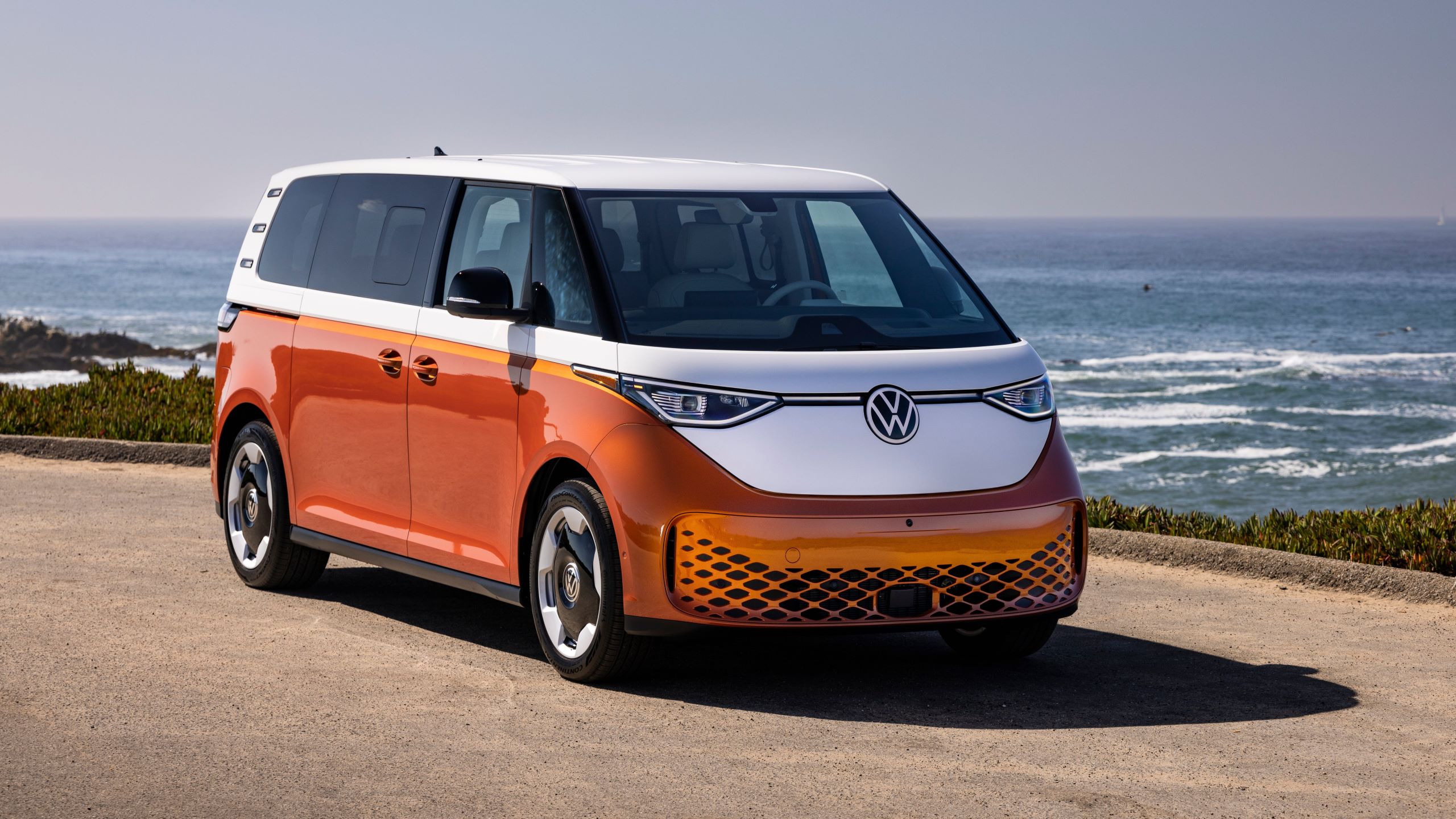
The Volkswagen ID Buzz has to be the easiest, cleanest modern vehicle design for the aftermarket. Its slabby, happy shape is prime for basically anything. All-in-one camper kits fit just nicely, and there’s finally one that won’t cost you thousands.
Dream Catcher Campers offers plug-and-play camper pods that start at £545 ($735 USD). Yes, that’s British pounds because the camper specialists are based in the U.K. The company website doesn’t state whether or not it ships products internationally. We did reach out, so crossing fingers?
Nevertheless, these kits come with plenty of usability from the get-go. For example, the camper pod can be left in while the second-row seats are still up, thanks to a hinge system. And one recent buyer shared their installation experience with an ID Buzz Facebook group, noting that the compact camper is completely removable.
“[It’s] all attached to a board that just slides in and out,” said Cliff Roberts. “No assembly, no bolting down. Stores in [the] garage as one unit.”
Well, that certainly takes away any extra work for a weekend whim. You’ll have to find your motivation killer elsewhere, eh?
Dream Catcher offers four compact camper pods that “tick all the boxes.” The starter version is the Nomad, which is made of 15mm construction-grade plywood—and that’s it. In fact, all the “ranges” (Nomad, Adventure, Explorer, and Trekker) look to have the same basic features, varying only in the type of plywood used, which affects weight and durability.
Trim and finish between the kits also differ slightly, but all appear to come with a single built-in drawer and a small table that can be folded flat to create a sleeping area. The pods are priced from £545 to £695.
From there, costs increase incrementally based on board finishes, trim colors, upholstery, and other factors. For comfort, a two-inch foam kit starts at £330, or go fancy with the three-inch deluxe foam in Harris Tweed upholstery (£450), of which there are more than 250 options.
Every camper pod is seemingly infinitely customizable. You can request additional drawers, cooking stoves, cutlery storage, kettles, portable power units, 240V hook-up leads, a bed system, pullout shelves, water carriers, whatever. You’re really just limited to the VW minivan’s interior space, and maybe by how much weight you can lift.
It’s a beautiful day in the neighborhood, which means it’s also too quiet. Time to disturb the peace with another Polaris RZR body swap. This one will make Henry Ford roll over in his grave…and try to hop into the driver’s seat.
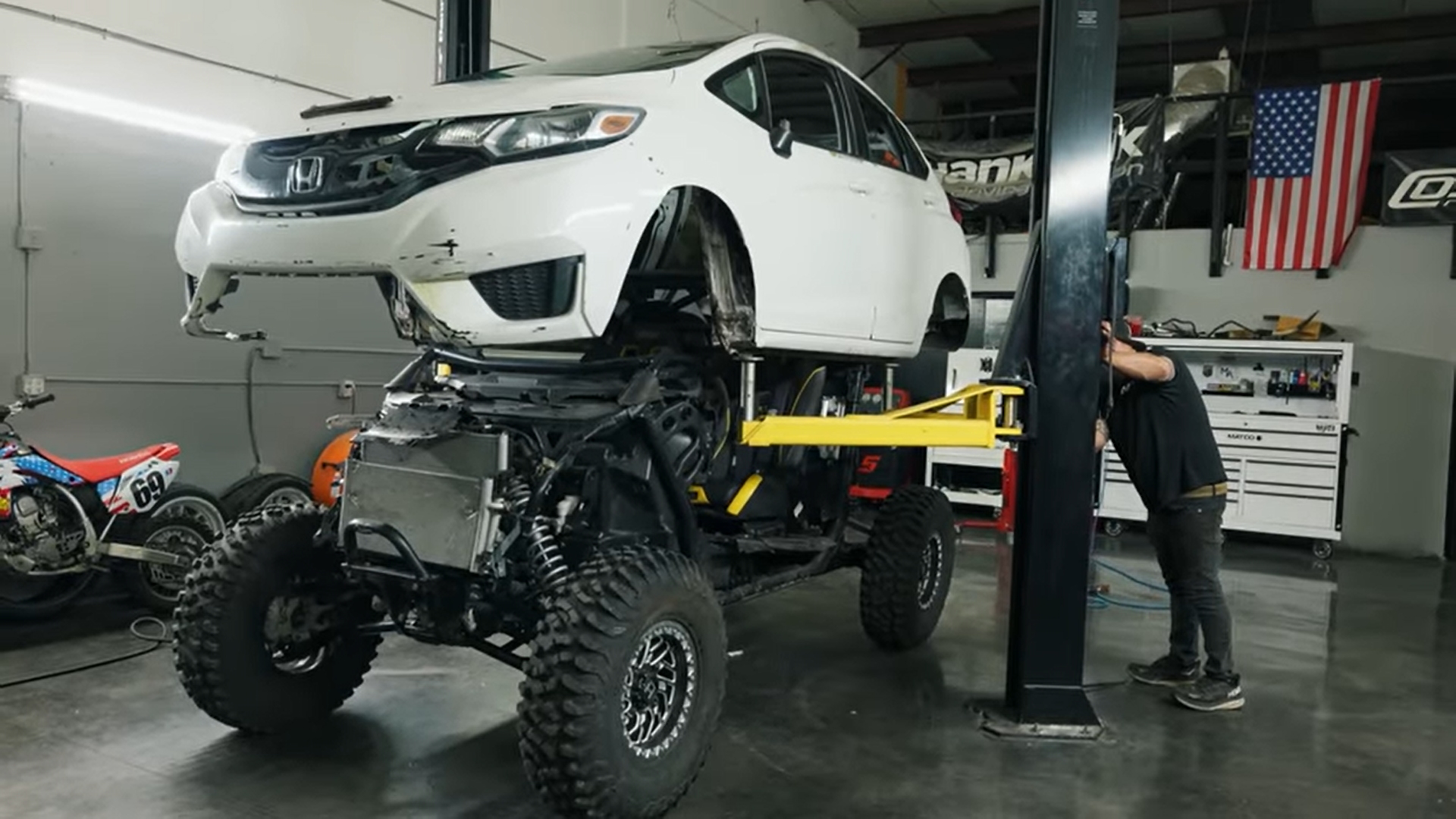
The RZR is the sport segment’s most popular side-by-side that, well, often finds itself on its side—or rolling down a hill, or crunched against a tree. People get carried away, y’know. Enterprising builders know an opportunity when it wrecks itself: for example, a crashed Polaris became the donor for this off-roading Honda Fit. And now we’ve got another ruined RZR fitted into a Ford Model A.
In part one of a currently 13-part series, Papa Wheelie rescues a 1929 Model A from his uncle’s property, where it had been parked for an extended period. Although he doesn’t specify how long the green machine was sitting, a photo shows the vehicle in a covered garage, itself partially covered by haphazardly placed items, such as a warehouse store-sized container of cat litter. Sigh.
That’s okay, though. He really just needed the sheet metal; its heart and soul comes courtesy of a 2016 Polaris RZR Turbo that was rolled by “a friend of a friend.” Gee, some friend.
“Many of you will say, ‘Hey, that’s pretty stupid that you’re doing that,'” Mr. Wheelie says at the intro video’s 1:25 mark. “But my idea of hot rodding is you take what you have.” And what he had was a neglected Ford and a rolled RZR.
That first video was posted in January of 2022. Twelve updates and three-ish years later, the pieces are finally in place. Or at least fit together enough for a first test drive. The finished Model A “pre-runner” now boasts a different look from its derelict beginnings.
Featuring splashy teal and black paint, the Model A is also without its sidemounted spare tire, has a chopped profile, and wears whitewall tires wrapped around steelies. The vehicle was also made street legal with working headlights, taillights, turn signals, and a registered license plate. But when hitting the streets, your senses will be confused.
“I heard it coming down the road,” said a friend. “I’m, like, who is showing up in a motorcycle?” He wasn’t the only one flabbergasted.
During the maiden voyage, Papa Wheelie ends up driving behind local law enforcement (4:00). After a while, the patrol unit pulls over to let him pass, but, to Wheelie’s surprise, doesn’t follow.
Because, no, vintage Fords aren’t supposed to sound like that. But who cares? Everyone who drives and rides Papa Wheelie’s “Model rAzR” comes back wearing the biggest grin their face can muster. Yes, especially the kids.
The project isn’t over yet, but it’s certainly closer than it’s ever been. The team still has to make tweaks to the hand controls and gauges. The overly squealy tires will also be replaced with a staggered-sized set of 32-inch (“maybe 30s?”) high-performance ITP Coyote treads fitted onto Vision wheels. The next video will feature a comparo test between the vehicle’s low-riding hot rod stance and the jacked suspension off-roader.
The Model A was a favorite of gangsters and hot rodders. This Polaris-based version would probably get a thumbs up just the same. As for the Father of the Assembly Line, would he really be upset over one of his creations still enjoying life nearly a century later?
Our reliance on rare-earth minerals is creating a problem: materials shortages. This time, the much-needed resource is magnets, which currently face export restrictions from China. An alliance of automakers and suppliers warns that without a trade resolution (i.e., less paperwork would help), production disruptions are inevitable.
In a new Reuters report, the Alliance for Automotive Innovation (AAI) and the Motor & Equipment Manufacturers Association (MEMA) sent a joint letter to the Trump administration on May 9 about the groups’ concerns regarding the availability of rare-earth magnets. A key point of frustration was China’s seemingly less-than-expedient effort in issuing export licenses. Without the earth elements, already interrupted assembly lines could find themselves in further turmoil.
“Without reliable access to these elements and magnets, automotive suppliers will be unable to produce critical automotive components,” the groups explained. “In severe cases, this could include the need for reduced production volumes or even a shutdown of vehicle assembly lines.”
These vehicle parts include everything from windshield wiper motors, lights, and automatic transmissions to seatbelts, cameras, and anti-lock braking sensors. So, yeah, pretty much everything. And yet, three weeks later, the situation remains unresolved, said Alliance CEO John Bozzella and MEMA CEO Bill Long to Reuters.
The AAI comprises a who’s who of automotive manufacturers, such as BMW Group, Ford, General Motors, Honda, Hyundai, Stellantis, Toyota, and Volkswagen. MEMA represents more than 1,000 members (consisting of OE and aftermarket parts suppliers.)
Switching to a non-China supplier would also be a significant feat when more than 90% of the planet’s rare-earth production capacity, a group of 17 elements, is in China. There is one U.S.-based mine located in Oklahoma, but it still relies on China for processing. E-waste recyclers are working on increasing production, however, such expansion will take years, not days or weeks.
Regarding magnets specifically, Reuters says that exports from China were down by half in April, largely due to a vague permit application that sometimes calls for “hundreds of pages of documents.” Ain’t nobody got time for that.
Furthermore, the U.S. accused China of violating an agreement that temporarily rolls back certain tariffs and other trade restrictions. In return, China says the U.S. is abusing its export controls within the semiconductor sector.
A U.S. official told Reuters that Beijing had promised to issue the rare-earth export licenses, but “moving slowly” in doing so. And there was potential for Washington retaliation if automotive production were forced to shut down. You know, more than it already has.
As the proverb goes, “When elephants fight, it is the grass that suffers.” So, here we are, builders and buyers alike, left holding the bag.
Three years after construction began, it’s time to dump dirt on the project. Specifically, 6,000 cubic yards of a “super” soil followed by the planting of 5,000 native flora. I’m talking about the world’s largest wildlife crossing, which has reached another construction milestone as the bridge nears completion.
This prepared soil is the beginning of the end of construction for the Wallis Annenberg Wildlife Crossing, which broke ground on Earth Day in 2022. Located in Agoura Hills, California, the nearly one-acre overpass stretches over a 10-lane section of U.S. 101.
The physical bridge structure is essentially complete, having required 26 million pounds of concrete, Beth Pratt of the National Wildlife Federation (NWF) told KCAL. The NWF Regional Executive Director added, “We just put the soil on top, and then we start burying utility lines and extend it over the access road.”
Multiple layers of soil will be needed to create a wildlife habitat on the overpass, and the soil application alone will take several weeks. However, when the Annenberg Wildlife Crossing is done, the bridge will reconnect the bisected areas of the Santa Monica Mountains National Recreation Area. With more than 150,000 acres, SMMNRA is the country’s largest urban national park. But the freeways have long isolated the local fauna, from butterflies and cottontails to bobcats and mountain lions.
According to the project, as far back as the 1980s, researchers identified the Liberty Canyon area as a choke point for wildlife. However, it wasn’t until the National Park Service began a decades-long study of the region’s mountain lion population that the 101 freeway was deemed “the most significant barrier to the ecological health of the region.”
More than 300,000 vehicles travel along U.S. 101 daily. That’s enough traffic to give a driver anxiety—try being a local critter having to dart across the road just to find dinner.
P-22, arguably the most famous mountain lion in and outside of Hollywood, surprised everyone by crossing freeways on his own. He eventually became the poster cat for the “Save L.A. cougars” campaign. Unfortunately, he was euthanized in late 2022 after being found with severe injuries, likely due to a vehicle collision, and a myriad of other health issues.
Mountain lions are the main conservation focus of this wildlife bridge. The big cats are territorial, and being locked in by freeways limits their roaming range and biodiversity. Without the crossing to expand their habitat, SoCal cougars could be extinct within 50 years. They also continue to be killed by vehicles.
“In the Liberty Canyon area where we’re putting the crossing, within the last four years, we’ve had four mountain lions killed just in that general area,” Pratt said.
Not just providing access to more sources of food, shelter, and mates, but the bridge would also offer an escape route from wildfires and other disasters. The Annenberg Wildlife Crossing is expected to reach completion next year.
Who would’ve thought that the best feature of a 137-acre estate in Southern California would be a 24,000 sq. ft. building with a bunch of preserved animals in it? Oh, and it can also house dozens of preserved cars, too.
Nestled in the foothills of Orange County, California, is the Lyon Estate, a property built by the late Major General William Lyon in 1986. Lyon was a former U.S. Air Force Reserve Commander turned real estate mogul. According to the Wall Street Journal, which just released a feature story on this property, Lyon died in 2020 at the age of 97, followed by his wife, Willa Dean Lyon, in 2024. Hence, the reason for the sale.
“With my parents not there, it’s not the same place,” said son Bill Lyon to the WSJ.
That place, Bill’s childhood home, is impressive for several reasons. Located in the ultra-private, ultra-gated community of Coto de Caza, the main eight-bedroom residence is 21,000 square feet of stately Georgian architecture. The property also has three separate guest homes, a helipad, a tennis court, a brick-clad wine cellar, a playhouse, a resort-style pool with a standalone poolhouse, and equine facilities that include a 10-stall barn and riding arena. In addition to the intricately manicured lawns and gardens, the real estate listing notes that the estate is also surrounded by 41 acres of orange orchards.
However, what caught our eye, of course, is the absolutely palatial automotive storage and curation area. It’s really far too nice to call “a garage.”
Elliman Real Estate
Go figure that the Los Angeles-raised Lyon grew up a car nut. Bill said the defining “car guy” moment was when his father saw actress Norma Shearer exiting a red Cadillac on Sunset Boulevard. Being in the presence of a Hollywood star is one thing, but the addition of the Cadi was enough to get the pistons going in the then nine-year-old’s brain.
“There was something about the girl and the car and the whole scene that solidified his love of prewar American classic cars,” said Bill.
And so, on the estate is a 23,679 sq. ft. car museum, which the WSJ called the pièce de résistance. However, there is no mention of the vehicles being included in the property’s sale. At its peak, Lyon’s car collection reached 100 vehicles, but not all were kept onsite. The museum can comfortably accommodate 70 vehicles, but about 80 were staged at one point.
The overage, according to Bill, was displayed in another museum at the John Wayne Airport. *cough* That would be the Lyon Air Museum, which was founded by his father. With such a vast collection, did his father have a favorite? Absolutely. A 1929 Duesenberg Model J was the elder Lyon’s golden child, a surprise 60th birthday gift from his wife.
Not stopping with a mere personal, albeit massive, display case, the late major general also added a private fuel station, an auto shop, a car wash, and hired a full-time mechanic. Not just for show, all the vehicles are operational and taken for a spin a couple of times a year “to keep the seals and gaskets going,” said Bill.
Elliman Real Estate
Automakers rent out private homes for vehicle showcase events all the time. Why not the Lyon Estate? The car museum even includes a recessed turntable for those sheet-pull unveils. The taxidermy presence might turn heads just as much as any vehicle, though. Said to all be from a family hunting trip in the ’80s, the numerous game pieces from the Tanzania outing share the stage with the shimmering sheet metal.
In general, the Coto de Caza estate is expansive but not necessarily closed off. A 64-acre section of the property is actually already pre-approved for further development. If the new owners choose to do so, as many as 25 new homes could be built there to create a new gated neighborhood. You gotta make back that $125 million asking price, right?
If sold for anywhere near that, the Lyon Estate would set a real estate record for Orange County. The current title holder is a Newport Coast mansion that sold for $61 million in 2020. Pfft, peanuts.
Seen any other epic car-dork estates? Send them our way at tips@thedrive.com
Let’s face it: cute is gonna cute. I mean, a mini Mini is a thing, so, of course, a cuter Vespa would exist. And this time, no chop shops are involved. In fact, this adorbs Vespa has four wheels and is French.
According to Below the Radar, the manufacturer now known for scooters also built a teeny transporter from 1957 to 1961. With a 393cc two-stroke two-cylinder engine mounted in the rear, the Vespa 400 was smaller than its counterparts from Fiat and Mini.
Measuring just 113 inches in length, the Vespa 400 was five inches shorter than the Fiat 500, which debuted the same year, and took up eight fewer inches than the incoming Mini Cooper that would launch in 1959. Other specs include 14 horsepower and a top speed of about 50 mph. Equipped with a three-speed manual, zero to 40 mph took a leisurely 23 seconds.
Utilizing less than 9.5 feet of street space, understandably, there was only room for two occupants. Despite the rear engine, the Vespa 400 had no frunk. That space was actually where your feet would go. Vespa left no space to waste in its already tight-quartered 400.
Ingress and egress were made easy via rear-hinged doors. Have luggage? There was a small area behind the two seats for that purpose. Have a kid? A small cushion could be fitted in between the seats to create a temporary bench. Have more than one kid? Hmm, how do I put this? You purchased the wrong vehicle.
As the story goes, the Vespa 400 was manufactured out of a factory in Fourchambault, France, to take advantage of the market’s growing affinity for microcars. Or perhaps because Fiat was going to have a fit and launch a competing cutesy scooter.
Italian tit for tats aside, the Vespa 400 sold well during its first run out the gate with more than 12,000 sold, but sales slid in the following years. Mostly left-hand drive, the Vespa microcar was sold throughout Europe, with about 1,700 actually finding their way stateside. When the Vespa 400 was finally imported to the UK, a vehicle review at the time offered positive remarks.
“Helped by the well-sprung seats, ride comfort is unusually good for such a small car…There is little to distinguish the Vespa from a normal family car, apart from its size,” wrote The Motor, as shared by Below the Radar. That 1959 Vespa 400 cost 351,725 French francs or 255 British pounds.
Bring a Trailer
Unfortunately, not many have survived, but shiny side up examples can be found, like this one listed on Bring a Trailer which put the car back on our radar today. This little red number with a matching red and tan patterned interior has been an Arizona resident since the late 1960s and underwent a refurbishment in 2015. The speedometer has been replaced, so its true mileage is unknown, but it’s a fact that the Vespa 400 is super cute with those 10-inch polished steelies.
Offered at no reserve. The vehicle was purchased less than a year ago, selling for $21,023. However, with only a day to go, the current high bid is just $9,000.
Are there any other tiny cars from scooter brands we should know about?Drop us a line at tips@thedrive.com.
Seating position matters behind the wheel … and behind the desk. I’m not a fan of fatigue, and I’m sure you’re not, either. The latest carmaker collab involves Audi and brings high-performance, high-priced chairs for hardcore gamers. Or, you know, if you drive an Audi and put one of these in your office you can pretend you’re still commuting when you log on.
In a licensing partnership with Vertagear, the Audi collection includes three designs that probably amount to over-engineered, glorified office chairs. But Vertagear is an industry leader when it comes to esports comfort, so this special edition trio of seats likely exceeds expectations in terms of fit, finish, and fatigue-fighting. Ranging in price from $499.99 to $699.99, you would hope so, anyway.
The collaboration set includes the SL3800 Audi Edition, SL5800 RS Edition, and PL4800 Audi Sport Edition. The entry-level SL3800 is about daily driver comfort. Its steel frame construction is wrapped in ultra-premium foam and high-quality synthetic leather.
The gaming seat features Vertagear’s patented CounterMax lumbar support for improved posture and reduced tension, and its VertaAir Seat System, which enhances breathability and circulation via air-cushioning. The SL3800 also comes with a supportive neck pillow and a number of available seat adjustments. Sized for gamers up to 6 feet tall and 250 pounds, the recommended user size is slightly smaller at 5’10” and 220 pounds.
Next up is the SL5800 RS Edition. Able to support heights of up to 6’4″ and up to 260 pounds, the second offering features upgraded materials and the velvet fabric HygennX, which provides odor control and quick drying via coffee ground-infused nanotechnology. I guess that means, if you spill coffee on it, you won’t notice? The company’s explanation is this: “Nano-sized coffee granules within purified coffee grounds are weaved into our HygennX fibers and embedded into our HygennX padding where they absorb and neutralize odors.” Not having tried it, we can’t say whether or not that actually works but it does sound clever. The SL5800 RS Edition has a net weight of 62.6 pounds, which is identical to the SL3800.
Slightly heavier is the 63.5-pound PL4800 Audi Sport Edition. If you’re one to shop at big and tall stores, this is the Audi gamer chair for you. Intended for users up to 6’6″ tall, this model can accommodate weights up to 360 pounds. Seating material is NuSuede, which is a durable, high-performance microsuede that is also used on the entry model chair. The premium model is outfitted with Audi Sport design elements and offers additional adjustment features.
All chairs are available now for pre-order, but are scheduled to ship out on July 15. Don’t worry, shipping is free, and Vertagear products come with a 10-year limited warranty.
Seen any other fun automotive-adjacent furniture? Drop us a line at tips@thedrive.com
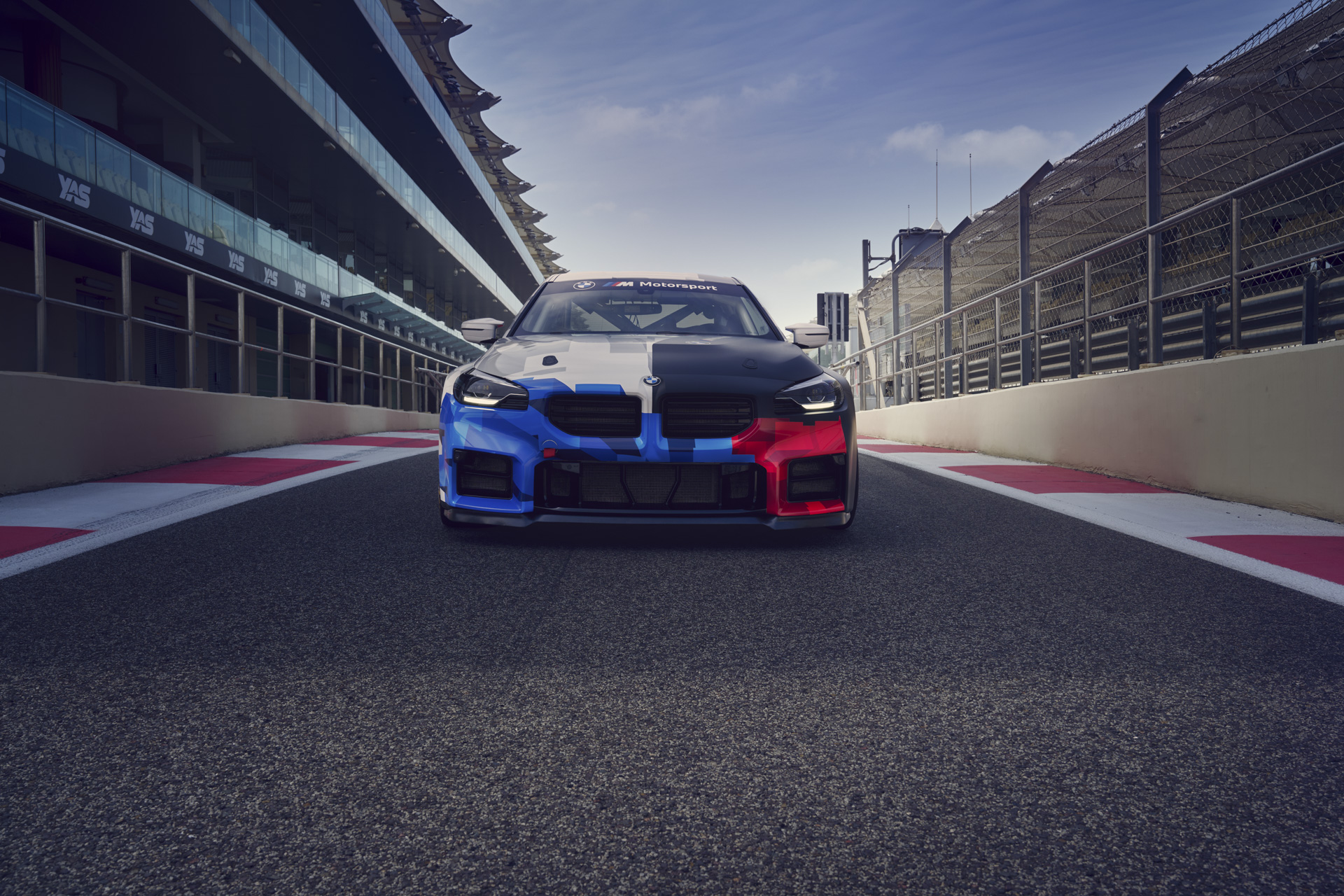
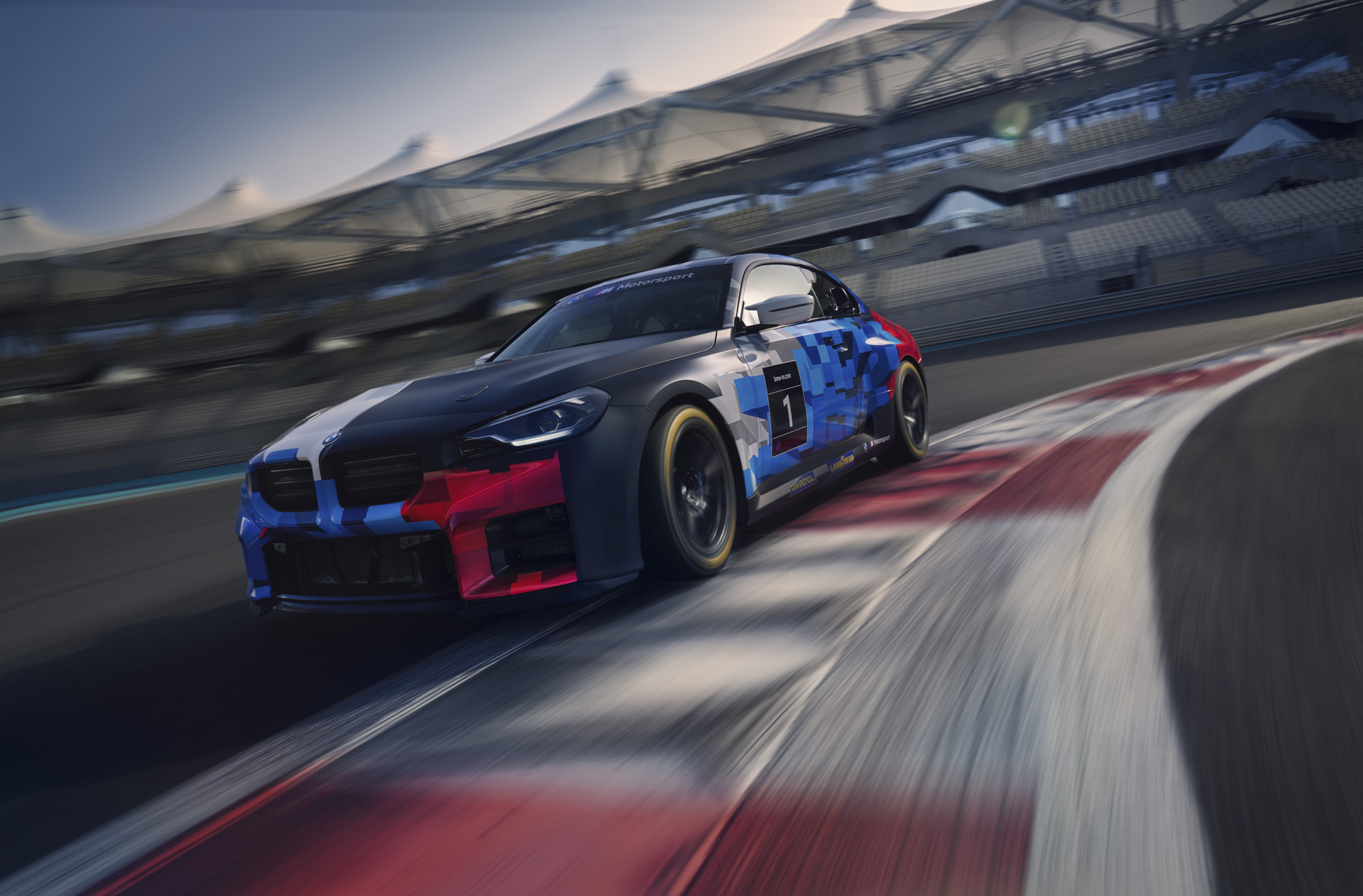
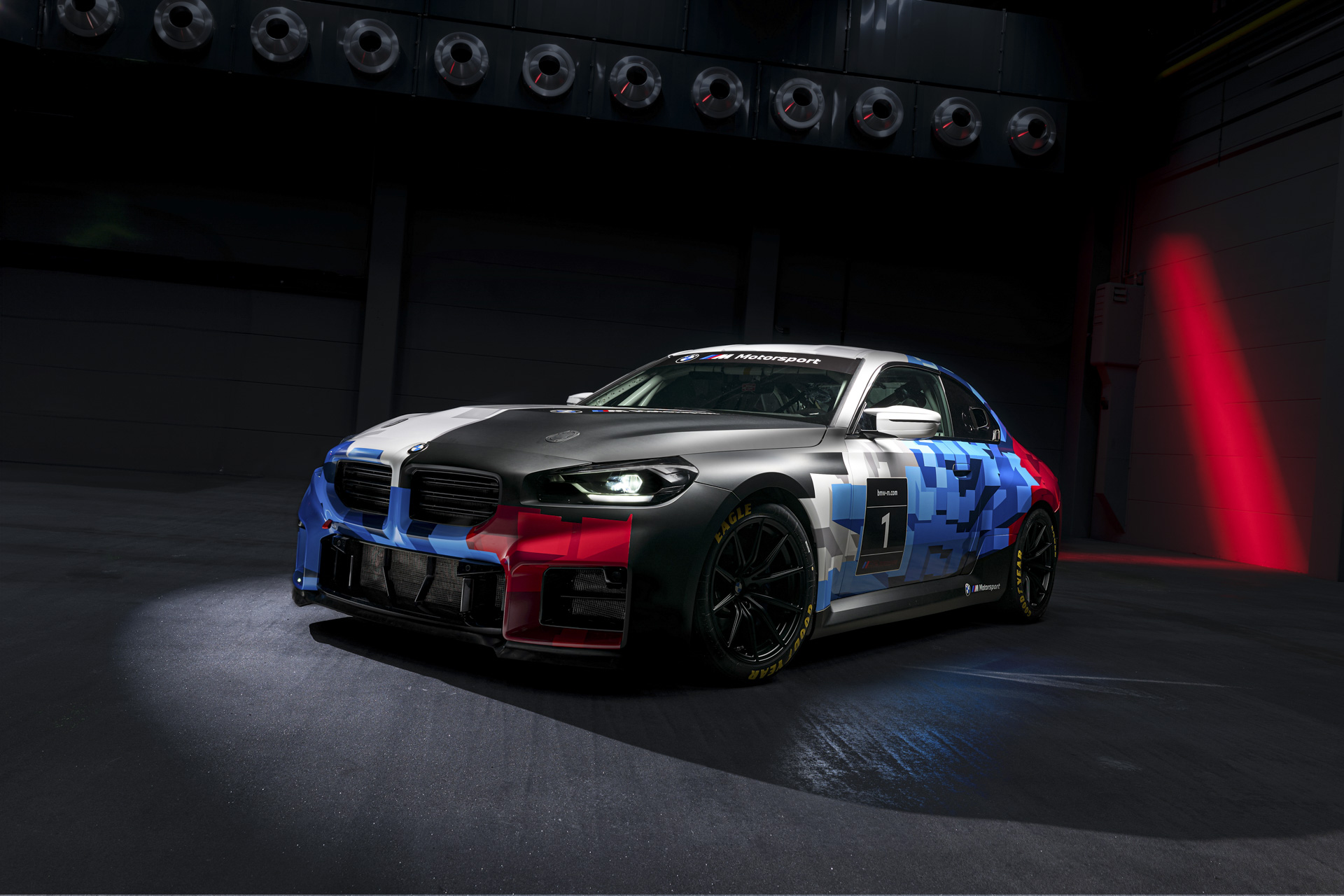
Nowadays, anything you bought two seconds ago is already considered old and in need of a replacement. Which probably explains why the 2025 BMW M2 receives a myriad of updates, even though the model was completely redesigned just two years ago. With the updated M2, Bavaria’s littlest M offering gets a horsepower boost, is quicker off the line, rocks BMW’s latest infotainment software, and is a bit more razzle-dazzle with new colors and finishes. What remains unchanged, for better or worse, is the M2’s aggressive demeanor.
The Basics
Exterior design changes are subtle. The exhaust tips are now black, as are the silver-outlined M2 badges. There are a slew of new color choices, including the no-cost Sao Paulo Yellow and $650 metallic shades. New BMW Individual colors, like the Java Green coat on this test car, will cost you $3,000.
Inside, there’s an upgraded operating system, iDrive 8.5. This latest generation of BMW infotainment is slick and quick but removes sorely missed buttons. Hard climate controls (which include heating functions for the seat and steering wheel) have been sacrificed in the name of minimalism, wholly migrated into iDrive. Thankfully, the touchscreen controls are easily accessible by having a permanent place at the bottom of the display rather than buried inside a menu.
Physically, brushed aluminium is the new standard trim, and a new red highlight is available for the standard leather seats. Or ditch the full leather for the M Carbon bucket seats, which are now offered as a $4,500 standalone option. But if you go that route, you might as well grab the Carbon Package. Not only do the extra carbon bits look nice, but you also get the buckets and a BMW Performance Center class pass.
Driving the BMW M2
Arguably the most notable change for the 2025 M2, however, is a 20-hp bump for the carryover 3.0-liter twin-turbo straight-six. Power tops off at 473 hp for both the six-speed manual and eight-speed automatic—I drove the manual. Interestingly, though, the stick shift retains the same 406 lb-ft of torque from last year’s model while the automatic gets a bump to 443 lb-ft.
Understandably, some retuning of the drive mode settings (i.e., accelerator mapping, responsiveness) was needed, which resulted in a 0.1-second 0-60 mph improvement. BMW says the manual M2 now takes 4.1 seconds to reach 60 mph, while the automatic M2 needs just 3.9 seconds. I wouldn’t be surprised if the automaker was being safe with those numbers, though.
With an Alcantara-laden flat-bottom steering wheel in one hand and six-speed shifter in the other, the M2 offers blistering performance, precise handling, and a ride that’s as stiff as an oak, even in Comfort mode. The M2 is also small—on the wrong side of cramped, I’d say, and I’m only five-foot-two. Worse is that I have to set the seat as far forward as it’ll go just to reach the clutch, which makes shifting a bit awkward. [Ed. note:Shocker. -CT] And if I have a drink in the cupholder, hopefully, it’s a container that can handle several knuckle punches. The shifter itself is hefty and short, making shifts feel nice and quick.
Although the steering wheel is undoubtedly comfortable, it also felt laughably large in such a compact setting. Some might take issue with the carbon fiber seat bottom inserts (“crotch destroyers,” said a friend), but those were actually less aggressive than the bolstering.
Yet all that quibbling and inconvenience melts away when you’ve got an empty highway and a wide open throttle. The 473 hp makes acceleration effortless, and coupled with the sound of that straight-six—I cackled. This runt is fun. Turn on the M Sound Control if you want elevated levels of exhaust growls and burbles. It’s excessive but hilarious, and I’d recommend starting the car after 8 a.m. so you wouldn’t have to apologize for it.
Beverly Braga
What does deserve apologies are corners. The M2 absolutely loves them to the point of obsession. Like, do you have to hug them so tight? The steering was precise, as it should be in an M car—or any BMW, really. This is a car that has zero chill, no matter how nicely you ask. Comfort mode only seems to exist on the drive mode selection screen, but it is nowhere near a reality.
Brakes are on point, but like many facets of the M2, more aggressive than necessary. Seriously, would it have hurt Bavaria to engineer in some comfort? Although I never did find the sweet spot with the brake pedal during this test, I eventually managed to come to a stop without jolting.
Going through life as if it has a chip on its wide shoulders, the M2 adamantly insists that its sporty DNA always be on, even if you’re just pulling out of the driveway. The ride is so stiff that every long drive feels like a visit to the chiropractor. And the dentist. Does this need for speed grow tiresome? Sometimes. But like the hyperactive little sibling you never asked for, there’s not much you can do about it.
Beverly Braga
Quick Verdict
The 2025 BMW M2 is ultra compact in size but oversized in heart. M performance runs strongly through the little one’s veins. From its slabtastic sheet metal and iDrive-reliant controls to its stuck-in-your-seat cockpit and overcompensating performance, the M2 is pint-sized aggression.
But if you can ignore the M2’s limited space and incapacity for comfort, you’ll be rewarded with a hell of a joyride and a soundtrack to match.
Today’s Minis have gotten too big for their britches. Thankfully, a classic Mini touring about town maintains the small car balance. But should BMW-owned Mini build a laughably offensive modern-day behemoth, there exists the “Shorty,” a truly miniature Mini that just so happens to be street legal.
Based on a vintage Mini Cooper, the “Shorty” is a highly modified version that sees the wheelbase significantly shortened and the roof chopped. According to Silodrome, the exact origins of this mini Mini are “lost to history,” and there seems to be no set standard for the mods.
How small the minimalist among Minis can get is genuinely based on preference. For example, there are two-seater classic Coopers galivanting around out there. At that point, they might even be tinier than go-karts. Because the only requirement is a classic Mini as the donor vehicle, the Shorty probably isn’t as uncommon as one might think. As Silodrome notes, the OG cutie was built from 1959 to 2000, when BMW introduced its version that carried the same name but with modern design and engineering.
More than 5.3 million original Minis were built over its four-decade lifespan. This conversion currently listed with Car & Classic happens to be a 1978 model.
Car & Classic
The Leyland Mini was converted into a Shorty about 12 years ago, but then apparently stored in a barn for the last decade. Its current owner obtained the lime-green Leyland sometime in the past year. The vehicle has had plenty of recent work, but mostly of the cosmetic variety. The vehicle’s bumper, grille, and chrome trim are all new, and the interior is refreshed with new carpet and reupholstered seats. A new battery was installed, and the tires were replaced, likely from being an inactive barn resident for several years.
Although this Leyland Shorty Mini sports a bold color, I think any possible polarization is a moot point when you consider the vehicle proportions will turn heads regardless. The vehicle is currently located in Northern Ireland and said to have just 50,000 miles on the odometer. The listing shows an asking price of £5,500 ($7,445), but the seller is also open to offers.
This particular vehicle is “driving very well,” said the seller, but may need its handbrake cable replaced. How this thing drives is a fascinating thought. After all, you’re taking a vehicle that maxed at about 1,500 pounds to start, and then putting it on a crash diet. Shedding half the sheet metal (I’m guessing) might mean twice the fun (still guessing)? For that price, such a quirky little conversion might prove to be big, cheap fun.
A road car that’s been converted into a competition racer is no big deal. Such modifications have been done before and will continue to be done well into the future. A road-going Ferrari F40 that legitimately earned its racing stripes, though? Well, that’s a different story, and a rare example with a seven-figure valuation crossed the auction block today.
A 1989 Ferrari F40 “Competizione” with a well-documented ownership history, legitimate racing chops, and a bunch of spare parts that could be another race car was offered for sale through Broad Arrow Auctions. Part of Lot 212 of the Concorso d’Eleganza Villa d’Este Auction, the converted F40 was estimated to fetch between $2.6 million and $3.1 million by the time bidding closed.
Chassis number 80369 was a standard left-hand drive, European-spec F40 when it was purchased new as a gift from a father to his son. The vehicle, still in street clothes, was sold five years later to video game pioneer Ian Hetherington. The late Hetherington ran British gaming institutions Psygnosis and Evolution Studios, responsible for beloved PlayStation racing games including Wipeout, Destruction Derby, and MotorStorm. So, it should be no surprise that he had an affinity for real-life racing, participating in many club events.
Hetherington considered selling the Ferrari just three years after buying it, but had a change of heart. Or perhaps it was an epiphany. Either way, he commissioned Martin Shaw of Specialised Cars of Manchester to rebuild the F40 into a ’90s-spec factory Le Mans racer.
Broad Arrow Auctions
For performance mods, the stock F40’s 2.9-liter V8 was given new turbochargers, a free-flow exhaust system, customized intercoolers, an updated suspension, upgraded brakes, and a competition fuel system. The output is 648 horsepower and 563 lb-ft of torque. The finishing touches to make the F40 look the part of a factory-built Ferrari race car included fixed headlights, larger brake cooling ducts, an expansive front splitter, and an unmistakable rear wing.
The conversion project took nearly two years to complete, and in February 1999, Hetherington sold the now track-ready F40 to Shaw. Wasting little time, Shaw entered the F40 into the 2000 British GT Championship. The newly minted #16 race car was driven by Stuart Bowler, Ian Flux, and, oh, hello again, Mr. Hetherington.
The F40 competed against newer vehicles in the GT class, and although it wasn’t a podium finisher from the get-go, it was still impressive in the speed category. The homemade Competizione returned fast times as more laps were driven. Unfortunately, DNFs and other reliability issues prevented Shaw’s SCS Motorsport team from taking advantage of the F40’s full performance potential.
According to the auction listing, the F40 wasn’t involved in any major accidents during its racing career. Also notable is that only 27 known F40 road cars have been transformed into competition racers by private owners. Included in the sale is an extensive parts package that includes a front nose, rear deck, a spare engine block, three sets of wheels, and more bits to build a copycat. Just need to source another F40 chassis, if you’re so inclined.
Peak pandemic was chaos, and it’s back to haunt us. According to a new report, the chip shortage that destabilized the automotive market and the car-buying public is rearing its ugly head again. That’s because the low volume of new cars available at the time has become a low volume of used cars today, which is driving prices back up.
Although manufacturing caught up in the post-pandemic years, leading to used car prices stabilizing and even decreasing, the lean years during which there weren’t enough semiconductor chips to go around have created an inventory of slim pickings for the gently-used car market.
Referencing sales data collected by Edmunds.com, the Detroit Free Press says that 3-year-old used cars are selling at a rate that closes the gap between new cars to just $17,000. For the first time in the post-Covid era, the average transaction price (ATP) of used vehicles circa 2022 and later is more than 30 grand.
In the first quarter of 2025, the ATP is $30,522, which is a 2.3% year-over-year increase. Additionally, used cars are sitting on lots for a longer period of time. Vehicles are hanging around for an average of 38 days, which is four days longer than the same time last year.
Even though dealer stocks are low, consumers simply aren’t willing to pay the price. However, waiting things out might be the wrong move. Tariffs are due to shrink new car inventory much in the same way the chip shortage did, leading to, you guessed it, a Groundhog Day of high prices, high demand, and no products. The Edmunds report notes that “spillover demand could once again inflate values of used vehicles, particularly for near-new models.”
“We’re repeating this cycle over and over,” said Edmunds Director of Insights Ivan Drury in an interview with the Free Press. “Not only has it just outright reduced volume, but leasing penetration rates took a dump. They were like the lowest we had seen in 10 years.”
Just as vehicle production dropped significantly in 2022 and 2023, leases were also down. Normally a steady source of additional used-car inventory, the number of vehicles coming off leases is not stellar. Trade-ins are also slightly older, up 0.3 to an average of 7.6 years in age.
American-made vehicles will not offer the cost savings some might be looking for, either. That’s because most of the vehicles assembled in the United States are already expensive to begin with, ergo SUVs and trucks.
The annual American-Made Index put together by Cars.com listed two sedans and a minivan in its latest 2024 top 10, while five SUVs and two trucks completed the list. So, American-made also means the highest average price. In this case, that figure is $53,000 versus the overall new car market average of $49,000.
If there’s a silver lining, it’s in the pockets of those offloading their cars. Lessees could see a higher payout, and those trading in a vehicle might be offered more value. But if you’re looking to buy, regardless of whether the vehicle is new or used, you’re kinda screwed.
When asked for a recommendation as to the best time to buy a vehicle, Drury told the Free Press: “I’d say that was yesterday.”
Once considered bulletproof, the Toyota Tundra is being recalled again. This time, the issue is that the reverse lights are not operating as intended, leading to poor visibility when the truck is put into reverse during low-light conditions.
Announced this month, roughly 443,444 Tundra and Tundra Hybrid trucks from model years 2022 to 2025 are part of a safety recall. According to the recall report, this is because the reverse light housing on some vehicles has a design defect with regard to an adhesive on the vent patch. In some cases, this flaw can lead to moisture intrusion into the lighting housing.
Over time, that condensation can lead to corrosion, which, in turn, could cause the reverse lamps to malfunction or fail completely. Although a rearview camera is standard on Toyota trucks, the camera (and driver) need a bit more assistance in the lighting department when the truck is backing up.
It’s not nearly as big a deal as the engine issues this truck was having, but it’s a pretty annoying assembly issue affecting a whole lot of vehicles.
As a remedy, Toyota says dealers will replace both reverse light assemblies free of charge. Additionally, the assembly wiring harnesses will also be inspected and either repaired or replaced if corrosion is found to have crept into the wire harness connector.
The affected Tundras were built between May 10, 2021, and March 26, 2025. The hybrids that are part of the recall universe were manufactured between June 30, 2021, and March 20, 2025. Toyota will send owner notification letters at the end of June.
Built in San Antonio, Texas, the third-generation Tundra made its debut with the 2022 model year. Although this is the first recall for the 2025 model, this marks the 11th time the 2022 truck is being given notice. Last year, due to machining debris found in the engine crankshaft, some 100,000 Toyota Tundra trucks and Lexus LX SUVs needed new engines. That recall was specific to the 3.6-liter turbocharged V6. Tundra owners are probably beyond peeved by now.
Had any taillight issues with your Tundra? Talk to us about it at tips@thedrive.com.
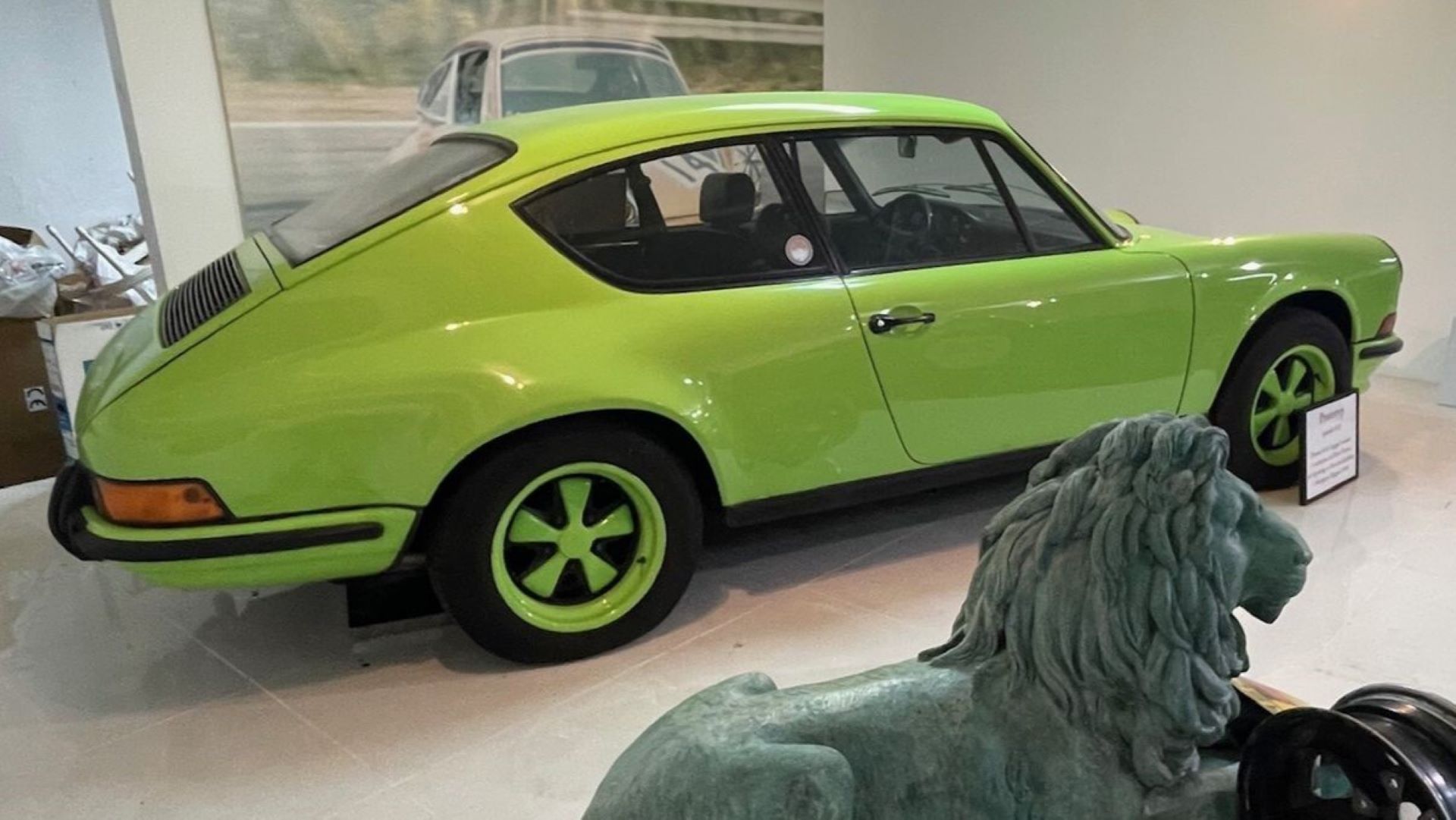
The Targa-style 911 was built by Little Roadsters, a Florida-based outfit that touts itself as having perfected the 2/3-scale replicas of classic Porsche roadsters. Not gonna lie, this Targa build fits the boast. It’s adorable! The color also kind of matches The Drive‘s logo; too bad we don’t have a central office to hang this thing on the wall of.
Featuring fiberglass bodywork over a tubular steel frame, the petite Porsche is also equipped with a plastic windscreen and rear window, a ducktail spoiler, a black Targa-badged roll bar, “Carrera” graphics, and a Porsche hood emblem to complete the mini replica look.
Other bits include a driver-side mirror, door handles, rear bumperettes, and faux features such as a fuel door, decklid grille, and exhaust. And that’s just the exterior.
Bring a Trailer
On the inside, the scale 911 is decked in black vinyl, features black molded door panels, and is outfitted with a rubber floor mat. A dashboard styled with simulated gauges and a three-spoke steering wheel provide the appropriate Porsche POV.
As far as performance, the engine is a 200cc Buffalo single-cylinder that is positioned in the rear. The single-speed transmission offers just forward and reverse. The floor-mounted shifter and handbrake are positioned between the sheets. Operational features found on the dash are the electric starter, engine cut-off button, and controls for the horn, lights, and turn signals.
If specs are the same for all of Little Roadsters’ builds, the replica 911 Carrera weighs about 550 pounds and has a top speed of 30 mph. The current high bid (out of six) is $5,000 with the auction slated to end during the afternoon of Friday, May 30. There is no reserve.
Seen any other super cool over-built go-karts? Share them with us at tips@thedrive.com!
Sim racing is serious stuff, and there’s a long list of video games to satisfy our inner pro race car driver. Within that gameplay universe, drifting has a place too, of course. But a newly released game possibly raises the bar on mountain pass racing, drawing heavy inspiration from familiar anime and film legends Initial D, Akira, and The Fast and the Furious: Tokyo Drift.
Launched this week, JDM: Japanese Drift Master is exactly as its name suggests. Touge-style racing is an expected focus, but the open-world game map offers 250 kilometers (155 miles) of diverse driving roads and iconic landmarks from throughout Japan. These include the Himeji Castle, Mount Akina, Tatara Bridge, and Daikoku Parking Area.
The sim racing game features fully customizable vehicles officially licensed from Honda, Mazda, Nissan, Subaru, and others. Personalize and tune your drift king in a number of ways, from styling and suspension to powertrain and braking distances. If you don’t see something you like from the current crop of 27 cars (oh, come on, race the Acty), feel free to request one.
JDM offers two driving physics: arcade and simcade. According to developer Gaming Factory, the arcade model is designed for beginners by offering simplified steering and easy-to-learn controls. Its target audience is also players who want to focus on fun rather than realistic gameplay. The simcade setup offers a more natural car feel and is recommended for players using wheels.
Note that in arcade mode, initiating and maintaining drift will be easier, but keeping the car in line during grip events will be a challenge. The opposite will be true in simcade where players will have an easier time maintaining grip but be tested in setting up a drift.
As for the game plot, the story focuses on a Polish-born drift racer named Touma. After a personal tragedy, Touma relocates to Japan to fulfill his lifelong dream of being a legitimate drifter. JDM offers 40-plus narrative-driven events as well as storytelling via a manga mode.
Gaming Factory
Curious about how the new JDM sim drifting game really handles? Stay tuned for our full review coming soon. Adam Ismail has a copy and is going to dig into it as soon as he has time. JDM: Japanese Drift Master is available on Steam, GOG, and the Epic Games Store for $34.99 but comes with a 15% discount if purchased within the first two weeks of its launch.
Any other car games not called “Gran Turismo” that we should know about? Hit us up at tips@thedrive.com.
Leave it to an insurance company to encourage driver’s education by creating, of all things, a driving simulator. With the assistance of Singer (yes, the sewing machine company), Aetna Insurance developed the Drivotrainer, an analog “dummy car” that was installed in driver training classrooms in high schools and elsewhere.
The Drivotrainer was unique in that the machines, in essence, created a standardized method for driver’s ed, but in a classroom environment. Rather than battling fear and frustration in the high school parking lot or local streets, such manifestations were relegated to their personal driving sim. The students learned in the peaceful confines of the indoors.
According to Silodrome, each Drivotrainer featured the controls found in a real car at the time. This included a functional steering wheel, a turn signal lever, a dashboard with indicator lights and gauges, a gear shifter, and, of course, three pedals. This was the ’50s. If you couldn’t figure out a clutch, you weren’t getting a driver’s license. Hashtag as it should be.
The controls were not just for show or situational familiarity, either. The single-seat rides, also referred to as “Aetnacars,” provided legitimate feedback to the student driver. Periscope Film, which owns archival video footage, writes that the engine noise changed based on the throttle while the steering wheel, clutch, and brake simulated realistic resistance. Oh, and apparently the seat bounced around, too, for that 4D driving experience.
If that wasn’t fun enough, a large screen at the front of the classroom played a pre-recorded film that showed different driving scenarios, much like the cockpit-view Nürburgring videos we can’t not watch. The complete Drivotrainer course included 22 training films, each one synchronized with the student simulators and the instructor’s central console.
The Aetna Casualty and Insurance Company are sponsoring the use of driving simulation machines at driving schools in a bid to lower the amount of road accidents connected with learner drivers. The ‘Drivotrainer’ machines are geared to familiarise trainees with dangerous situations. (Photo by Orlando/Getty Images) Orlando
The student drivers’ responses were monitored and recorded in real time, so, like driving in the real world, it’s in your favor to pay attention. The final exam was passing an all-encompassing 25-minute road test (on film) that included everyday driving situations and emergencies.
A standard Drivotrainer classroom contained 15 Aetnacars. One of the first such classes was installed at the Brooklyn High School for Automotive Trades in 1953, says the Brooklyn Public Library. But other schools across the country also welcomed the Drivotrainer. An archived newsreel lists them as William Cullen Bryant High School (Queens, New York), Iowa State Teachers College (now the University of Northern Iowa), and Hollywood High School (California).
Similar simulators made their way across the globe. Silodrome highlights one from Italy that resembles the Aetna model but with a gated shifter. Other regions adjusted their versions accordingly. For example, Hagerty reports that the U.K. reconfigured their simulators to right-hand-drive.
Although production was discontinued sometime in the late ’70s, the Aetna driving simulators continued to be used well into the 1980s. But, just like driver’s education courses as a whole, these Aetnacars are a thing of the past. Still, if you’re vintage curious, there’s one on eBay for a hundred bucks. You’ll probably have to make your own engine noises, though.
Finally, a near record-breaking auction that is actually deserved. The one-of-19 Shelby-themed Dodge Viper crossed the auction block to the tune of nearly $200,000, making it one of the most expensive Vipers ever.
Carroll Shelby is synonymous with performance. So, when a vehicle carries his name, it’s either good or blasphemous. Thankfully, it’s the former with regard to the “Carroll Shelby Limited Edition” Viper, a collaborative work of art between Shelby and Fitzgerald Motorsports. And of the 19 built, only two wore a white-striped blue suit. One of those rare blue beauties was sold via Hagerty Marketplace for $197,950, including the buyer’s premium.
That figure deserves a “whew,” but it’s no record in terms of Dodge Viper sales. Though it’s very, very close. According to Hagerty, the distinction of priciest Viper goes to a 1998 Viper GTS GT2 Championship Edition. Sold through Bring a Trailer, its final sale price was $198,000 when including the $5,000 buyer’s fee.
Not as scarce as the Shelby, the GT2 Championship Edition is still a limited-run in its own right. The BaT example was number 90 of 100 produced and had just 1,900 miles on the odometer.
Based on the Hagerty Valuation Tool, a standard 1996 GTS in “concours” condition is worth $127,000. Given the exclusivity of both vehicles, however, scratching $200K is not a stretch. If anything, the auctions prove that the Viper—at least those that have been taken care of—can command a bidding war and garner solid six figures.
With the automaker seemingly on the brink of collapse, Nissan CEO Ivan Espinosa has laid out a revival plan that is shockingly cutthroat yet surprisingly familiar. The ghost of Ghosn, anyone?
Last week, Nissan Motor Co. released its financial results for the 2024 fiscal year, and, to our unsurprised ears, the numbers were not good. Although the Japanese automaker enjoyed a cumulative 2.8% year-over-year sales increase in the U.S. for its Nissan and Infiniti brands, including 10.3% growth in the fourth quarter, on a global scale, those last three months resulted in a 670.9 billion yen ($4.5 billion) net loss.
This is Nissan’s second-largest fiscal year failure in 25 years, reports Automotive News. And yet, to say Nissan has tried everything to right the ship is premature.
The new slimdown is called the Re:Nissan. Between now and 2027, the revival plan involves reducing the workforce by another 11,000 jobs and consolidating its 17 production plants to just 10. And some way somehow, finding a total cost savings of 500 billion yen ($3.34 billion).
“We wouldn’t be doing this if it was not necessary for the survival of Nissan,” Espinosa said. The shrunken but streamlined strategy is to reach “the goal of returning to profitability by fiscal year 2026.”
Espinosa was appointed CEO less than two months ago, but isn’t new to Nissan. Since 2003, Espinosa has gradually climbed the ranks, mainly on the product side. He started as a product specialist, eventually serving as Chief Planning Officer, and is now the multihyphenate executive officer, president, and CEO. This also means he’s no stranger to former CEO Carlos Ghosn, who, coincidentally, was brought in to reboot Nissan during the aughts. Which he did, and a year ahead of schedule.
In fact, much of Espinosa’s Re:Nissan and Ghosn’s Nissan Revival Plan overlap. Is it a coincidence or merely following a strategy that has already worked for the automaker that is once again treading water?
Nissan
As Automotive News points out, Ghosn’s appointment followed a massive fiscal year fallout, and his plan aimed to cut 20,000 jobs, close five plants, and cut costs by 1 trillion yen ($6.68 billion). Similarly to Ghosn, Espinosa has opened up the internal communication channels, seeking cost-saving ideas and input from 3,000 employees. About 2,300 recommendations have been made, of which roughly 800 are ready to be implemented.
But did the Nissan revival 1.0 work? Mostly. What followed were nearly two decades of net gains, but there was a lot of discounting for sales volume and little in the way of fresh product. And then Ghosn was booted. The frugal CEO became an international fugitive and, subsequently, Netflix documentary fodder. But that’s probably a playbook page Espinosa has already torn out.
As for a dance partner, the new Nissan boss isn’t opposed to sharing the floor, but it has to be for the right reasons. “The point is not to do a partnership because we need to be partnered with somebody because of the cash position,” Espinosa told Bloomberg TV. Perhaps a mega merger isn’t in the works, or what’s best, but Nissan is open to discussing partnerships with other automakers, tech firms, and even China-based companies.
For now, the focus is inward. Re:Nissan is brutal, but at the same time, what the OEM needs to get back on its feet. “Are we confident that this is enough? The answer is yes, this will be enough to drive the results that we need, but we need to move fast,” Espinosa said. “We want to bring the heartbeat back.”
A Florida man behind the wheel of a dump truck was unaware that the truck bed was raised. But don’t worry, friends. An overpass reminded him.
Traveling northbound on Florida State Road 285, a 54-year-old man from nearby Crestview was in for an impactful drive. Somehow oblivious to the fact that the dump bed of his truck was in the “up” position, the raised rear hit the underside of the Interstate 10 overpass as the truck drove underneath. Or attempted to.
According to WALA Fox 10, the impact caused the bed to completely dislodge from the truck frame. The posted speed limit along that stretch is 55 mph, but it probably doesn’t take much to behead something too tall for the ride.
And like a beacon of idiocy, the bed remained wedged and upright in the left lane of the two northbound lanes. A Florida Highway Patrol incident report noted that the dismembered truck bed stayed stuck for “a short while,” said WKRG News 5.
The incident occurred at 2:20 a.m. on Friday. Neither the driver nor his passenger was injured, but they’re definitely a couple of lucky ducks. A similar incident last year (also in Florida) resulted in serious injuries to the driver. CDL Life reported that the dump truck veered off the highway and crashed into a wooded area. Another vehicle traveling behind was hit with the debris, but the driver was not hurt.
Car wraps—and I mean really good ones—take time. Even when you have a slabby canvas like a Tesla Cybertruck or Volkswagen ID.Buzz, the application process might be easier, but not necessarily look good. And then you’ve got the high-aero curves and whatnot of a race car. Genesis released an ASMR video of the team wrapping the racing livery onto its Le Mans hypercar, and it’s a fascinating behind-the-scenes watch.
The roughly 15-minute video is an expedient look at the easy and not-so-easy parts of car wrapping. Depending on who you ask, wrapping a full vehicle takes anywhere from several hours to several days, though a consensus seems to be two to three days. But Genesis’ brief window provides plenty of vinyl drama.
The ordeal begins with tape. Just as you would tape off edges before painting a wall for guidance and protection, Genesis design boss Luc Donckerwolke is seen applying and readjusting tape strips on the cockpit glass. Because wraps are applied in sections, the pieces need to be perfect.
Beverly Braga
From the prep work of painstakingly cleaning every airflow vent of dust and laying out the pre-cut sections for visual confirmation to the application process of precision cutting, heating, stretching, and smoothing out the vinyl, it’s all captured in detail.
The Genesis Magma Racing GMR-001 Hypercar livery isn’t one pre-printed sheet. It’s actually multiple overlays for the team name lettering, the Korean-inspired characters, and the color gradients.
The end result is satisfying, but the video also doesn’t come close to showcasing how vibrant the GMR hypercar truly is. Thankfully, we only have to wait until next year to see the newest endurance racer on the grid.
The seller, a police detective, seemed reputable. The goods were repossessed luxury cars that the department was looking to offload. The buyer forked over thousands of dollars. But there was no car and no cop, just a good old-fashioned scam.
A Boston area man has pleaded guilty to three counts of wire fraud in which he scammed three prospective car buyers. According to the U.S. Attorney’s Office, the 34-year-old from Quincy, Massachusetts, posed as a Boston Police Detective, a Massachusetts State Police Trooper, and a County Sheriff.
The truth was he never held any of those positions. However, he had been an officer for the Suffolk County Sheriff’s Department for six months. Nevertheless, he met with the prospective buyers at the Suffolk County House of Correction dressed in a convincing jail guard costume: an officer academy hoodie, blue tactical pants, and black boots.
The scam artist purported to have access to repossessed vehicles, which he could sell at bargain prices. These included an Audi, BMW, and Mercedes-Benz. Although no physical vehicles were presented during these meetings, at least three people were swindled out of a cumulative $6,400, reports MassLive. The U.S. attorney’s office press release states that “individuals gave tens of thousands of dollars,” but did not specify beyond the three victims.
His sentencing is scheduled for August, and as a result of the guilty plea, the man must forfeit his profits. Prosecutors ask that he also pay nearly $200,000 in restitution plus a fine, but that his sentence be on the “low end” in terms of severity. The charge of wire fraud carries a sentence of up to 20 years in prison, three years of supervised release, and a fine of up to $250,000.
The Germans have been a fickle bunch as of late, at least when it comes to naming their vehicles. Volkswagen is the latest to reassess its branding strategy with plans to do away with the alphanumeric “ID” badging in favor of actual car names.
Just as electric vehicle styling ebbs and flows between avant-garde and traditional, so do the model names. In an interview with Auto und Wirtschaft, VW brand board member Martin Sander revealed that the ID.EVERY1 name wasn’t actually going to stick. Not for other upcoming models, either.
“The cars will get proper names again,” he said. “This question will arise specifically with the market launch of new models – neither the ID.2all nor the ID.EVERY1 will have those names in series production.”
What the production names would actually be, Sander, who is part of Sales, Marketing, and After Sales management team, remained mum. “We’ll announce that when the time comes.”
According to Carscoops, future ID vehicles could adopt names that already exist in the VW vault. For example, the ID.2 could be renamed Polo, and the ID.1 could be identified as Lupo, Fox, or Up! Or, you know, Volkswagen could choose new names altogether.
Kai Grünitz, another VW board member who is on the Technical Development side, previously mentioned that ID models would be significantly updated starting in 2026. Carscoops says that could be the ideal time to not only give every ID a facelift but also a new non-alphanumeric name. At the very least, drop that period and the awkward spacing (no space if followed by a number, space if followed by a letter). Marketing mayhem at its best.
The ID EV sub-brand was launched in 2017. In the U.S., we currently have ID.4 and ID.Buzz to choose from. The ID.7 was set to arrive, delayed, and then ultimately canceled. Having a vehicle name that doesn’t resemble a NASDAQ chart is one thing, but the VW EVs still have to be identifiable when you consider that ICE-powered models will be sold alongside for another few years. Perhaps VW can take a cue from its countrymen.
As Sander said, only time will tell. Hopefully, Volkswagen doesn’t end up on the EV name struggle bus that Honda is apparently in regarding its future electrified lineup.
A single car fire erupted into a massive parking garage fire that led to a shutdown at a Florida airport on Friday. As smoke billowed across the city, flights were canceled, connections disrupted, and travelers flying in and out of Jacksonville International Airport were stranded as fire authorities fought the afternoon blaze.
The midday fire occurred on the third level of the hourly parking garage. An estimated 50 vehicles were damaged, but there are currently no reports of injuries related to the blaze, said Jacksonville Mayor Donna Deegan during a press conference. She added that neither the hourly nor the daily parking garage would be accessible for the rest of the day to provide a clear path for responders.
Because of the unsafe conditions, the Jacksonville Fire Rescue Department utilized drones to determine whether anyone remained in the garage after firefighters completed an initial evacuation sweep. Fire Chief Keith Powers said clean-up and damage assessment would “take time” due to the structural collapses that occurred on the third and second floors of the garage. If your car is in there, sorry, but the garage will be off limits until engineers give the OK.
Fire Chief Powers confirmed that an airport video shows the fire started with one vehicle, but not much else. “We don’t know any details about that vehicle, what kind of vehicle it was,” he said. “Whether it was an electric vehicle, a gas-powered vehicle, or what. We don’t know that from the video. We can just see the vehicle that started it.” No cause was provided, either.
Jacksonville Fire Rescue Department
The active fire created chaos not just at the terminal but surrounding areas. WJXT reported that those driving to the airport had to deal with unexpected road closures and increased traffic. “My Uber driver was very nice, but we couldn’t make head of what was going on,” a woman told the news outlet. “We just got directed to go in a circle.”
For those waiting outside due to the airport shutdown, the Jacksonville Sheriff’s Office provided water while city buses were sent as temporary cooling stations. AccuWeather reported a high of 97 degrees Fahrenheit in Jacksonville that day.
The airport resumed operations around 5 p.m. that day, but the affected and adjacent garage areas remain closed. According to Jacksonville Today, the hourly garage is next door to a new parking garage currently under construction. Mayor Deegan said construction would not be affected, “but for the short term, we are down a few thousand parking spots.”
Airport authorities are encouraging alternate commutes such as rideshare, carpooling, and at-terminal drop-off and pick-up due to the limited on-site parking. A temporary car rental return area was created, and a list of damaged vehicles is in the works, but that can take several days.
Things aren’t looking good for Bollinger Motors, the electric vehicle startup that turned $148 million into about 40 mostly-unsold commercial trucks and a whole lot of drama. In March, its founder and ex-CEO Robert Bollinger sued the company’s current owner Mullen Automotive over an unpaid $10M loan, and last week a judge in Michigan granted his request to put the company into receivership after Mullen skipped out on the hearing, according to Automotive News.
And after all of that, including a $3 million-plus investment from the state of Michigan, owner Mullen Automotive Inc., and subsequently Bollinger Motors, is out of funds and out of time.
Happier times on the Bollinger Motors website.
Bollinger left the EV company that carries his name and the Detroit area nearly a year ago. However, in a federal filing made against Mullen Automotive in March, Bollinger claims he is owed $10.5 million from a personal loan he made to the company. Bollinger added that the company is facing litigation from at least two suppliers. The ruling from the judge last week freezes the Bollinger Motors’ assets and paves the way for a liquidation plan.
Additional reporting from The Detroit News says the EV truck maker had also defaulted on about $500,000 of credit card debt, a financial burden somehow guaranteed by Bolllinger himself, even though he was not employed by or had any executive ties to the company. As a result, Bollinger’s personal credit cards were being denied.
To date, only 40 of the B4, an electric commercial chassis cab truck, have been built. Production started last year, with the team working on a long-wheelbase version dubbed the B5. Scheduled to debut in 2026, that vehicle is likely in jeopardy.
The Bollinger B1 SUV the company eventually canceled. Bollinger
Even though everything is now up in the air, Bollinger Motors CEO Bryan Chambers is thinking only positive thoughts. “During this period, we are focused on moving forward and remain committed to bringing our customers a world-class vehicle,” Chambers told AN. “And we remain optimistic about our future and the impact we will have on the commercial vehicle market.”
Interestingly, despite the lawsuit, Bollinger still commends Mullen, which remains a shareholder but no longer runs the day-to-day operations. “Mullen did an amazing job of funding us and getting us to where we are,” Bollinger said. “There’s a lot of interest in the product, and the best possible outcome is for the company to continue as it is.”
In the meantime, Bollinger made a personal guarantee to maintain the salaries of the company’s 100 employees. In a meeting with former employees following the recent ruling, Bollinger expressed that he would be “available financially” to help handle costs, at least in the short term.
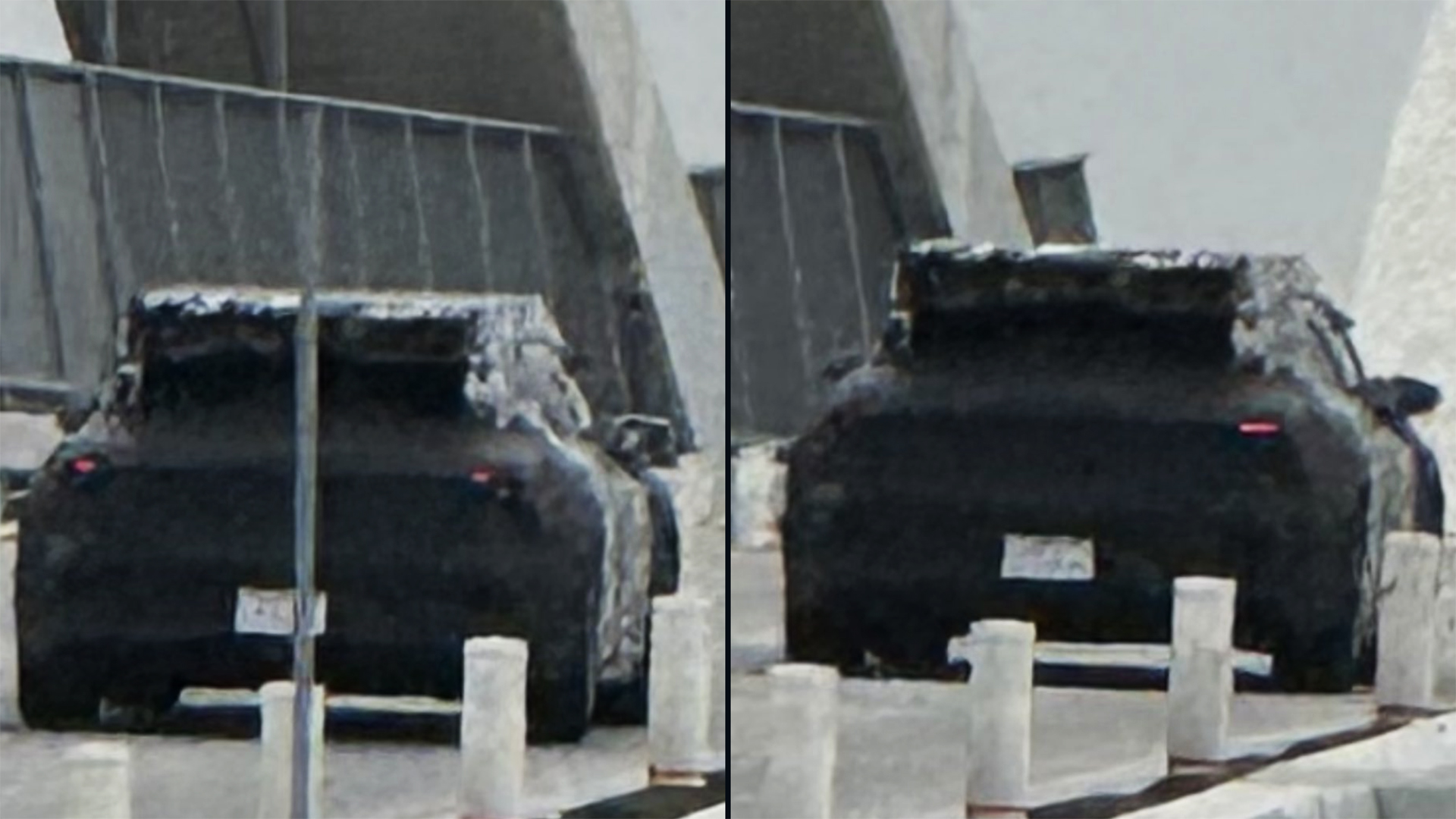
Fanboys and stockholders alike are so hopeful that Tesla is in the final stages of an all-new vehicle that, like moths to a flame, if one points and shouts, “Omg, that’s the new Tesla prototype!” upon seeing a camouflaged EV, then it must be true. It’s a new Tesla! Except when the vehicle is actually from Faraday Future.
I don’t know what’s more disappointing: not having a $25,000 Tesla yet like Elon promised, or seeing a cool-looking EV prototype and finding out it’s just Faraday Future somehow still existing.
The image in question was shared on X by a member of the “Rebellionaire” group, a collective of Tesla “stock pumpers.” As first chronicled by Electrek, like-minded Tesla enthusiasts began excitedly sharing, discussing, and promoting the rather blurry, location-less photo as a cross-their-hearts Tesla prototype.
@TeslaNewswire, an authority on all things Tesla, as well as Gork, the X-embedded ChatGPT-like AI, all but confirmed this. Tesla Newswire went even further down the rumor rabbit hole, suggesting the poorly captured photos were of the upcoming Tesla Model Q.
Everyone was wrong. So, so very wrong.
That’s our testing vehicle, a Faraday X Prototype Mule.
Faraday Future, who everyone thought was dead (myself included), entered the chat to proclaim that the heavily shrouded vehicle is theirs. “That’s our testing vehicle, a Faraday X Prototype Mule,” the EV automaker said on X. “Thanks for all the attention, stay tuned to learn more at FF.com!”
Haha. Oops. Considering Faraday Future has gone through bankruptcy, layoffs, liquidation, and litigation in recent years, the EV company is probably just happy to be part of the conversation. Even if it, well, kills that conversation.
At least Faraday knows how to milk this random gift of the spotlight. In responding to a newly interested public, Faraday says it’s preparing its Hanford, California, manufacturing plant to produce an annual capacity of more than 30,000 units.
Hi Anthony, our Hanford factory is looking to prepare a flexible production line for FX units with an annual capacity of over 30,000 total units, including FF. The facility would support mixed-line manufacturing or assembly for multiple models. With FF’s Light, Swift, and…
The flexible assembly line would be able to assemble multiple models, from the $300,000 FF91 2.0 Futurist Alliance hypecar to a luxury minivan called Super One, which will be part of the new sub-brand Faraday X.
Motor Authority reported in February that additional Faraday X models will be the FX 5 and FX 6. It’s likely one of those vehicles that’s in the photograph that sent the Teslaverse into a frenzy. But maybe this was all part of Chris Brown‘s plan as the brand’s new Developer Co-Creation Officer.
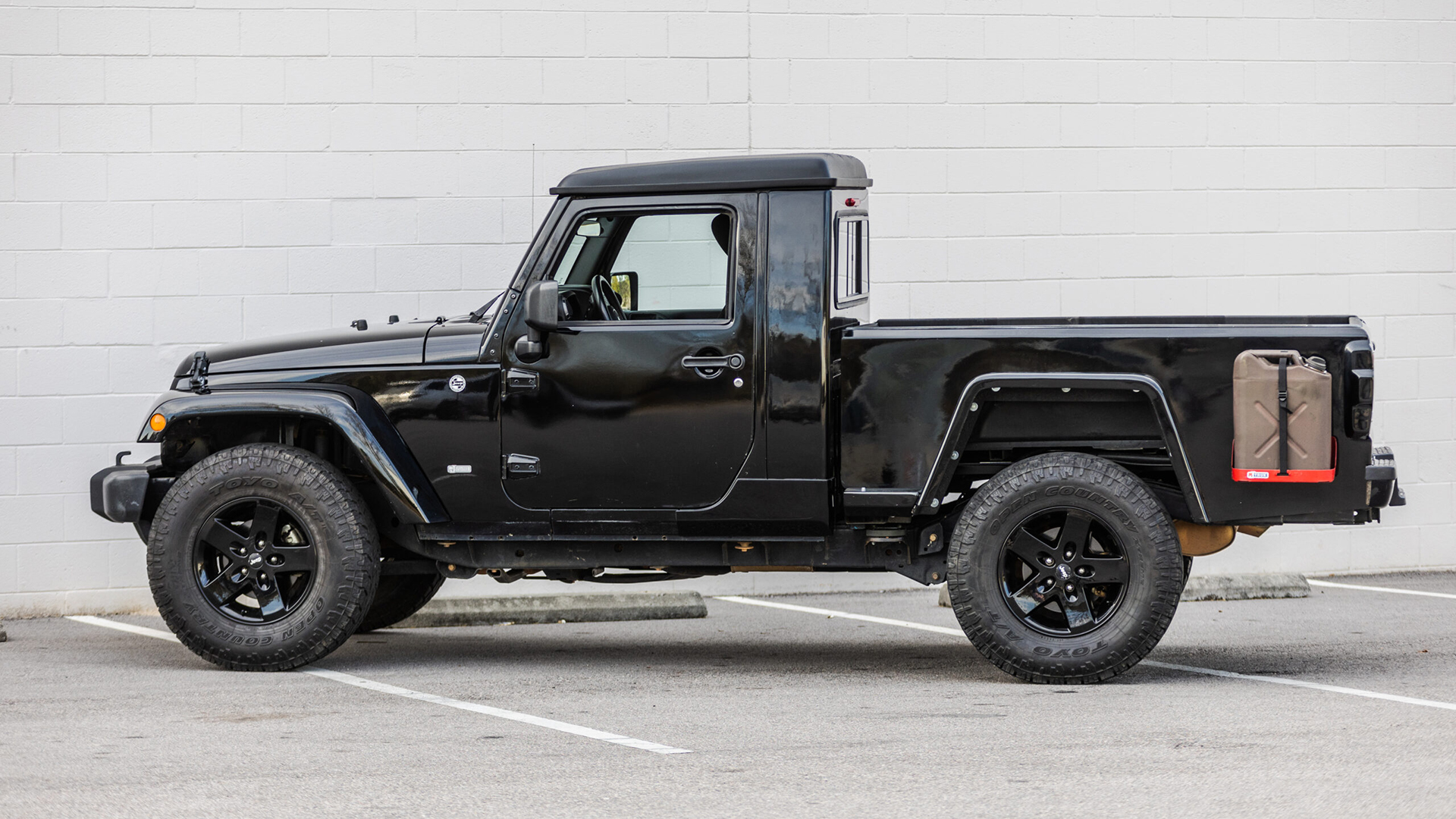
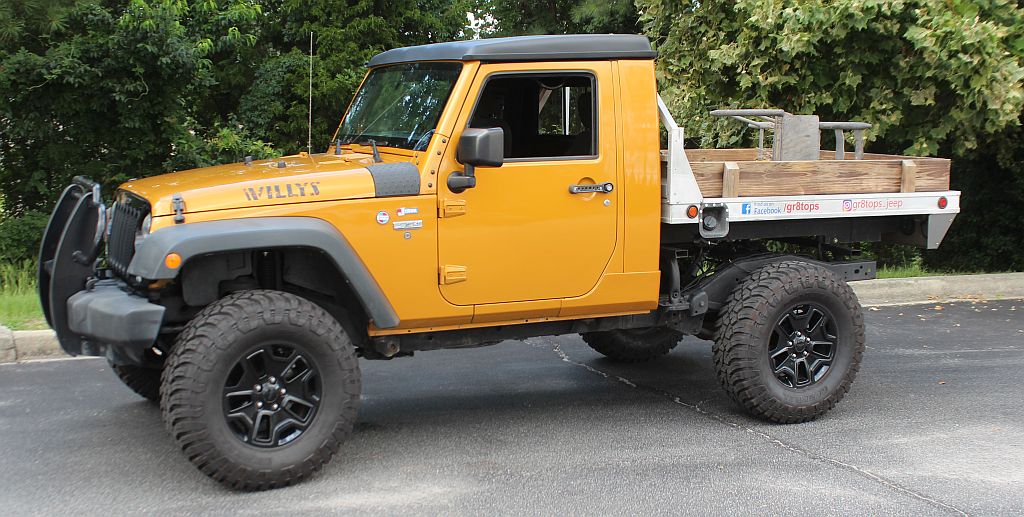
The arrival of the Jeep Gladiator pickup in 2018 didn’t stop the faithful from clamoring for a two-door version, nor the aftermarket from building them out of Jeep Wranglers. Now, there’s a new “bolt-on” pickup kit for the current JL-generation Wrangler Unlimited from a longtime Jeep shop, and I think the best thing about it is that it doesn’t actually come with a bed, so it gets delivered with just the bare frame out back as seen in the photo above. Just try not to smile at that little cab! Bet it’s a handful, too.
Based in South Carolina, GR8TOPS is a longtime Jeep parts producer. Starting out in 2003, the company built full-length hardtops for Jeep CJ-8 Scramblers. Today, its product catalog still includes hardtops for those ’80s-era open-bodied off-roaders but also numerous kits, covers, and accessories for the CJ-7, every Wrangler generation that followed, including the LJ, and the current-gen Gladiator.
GR8TOPS
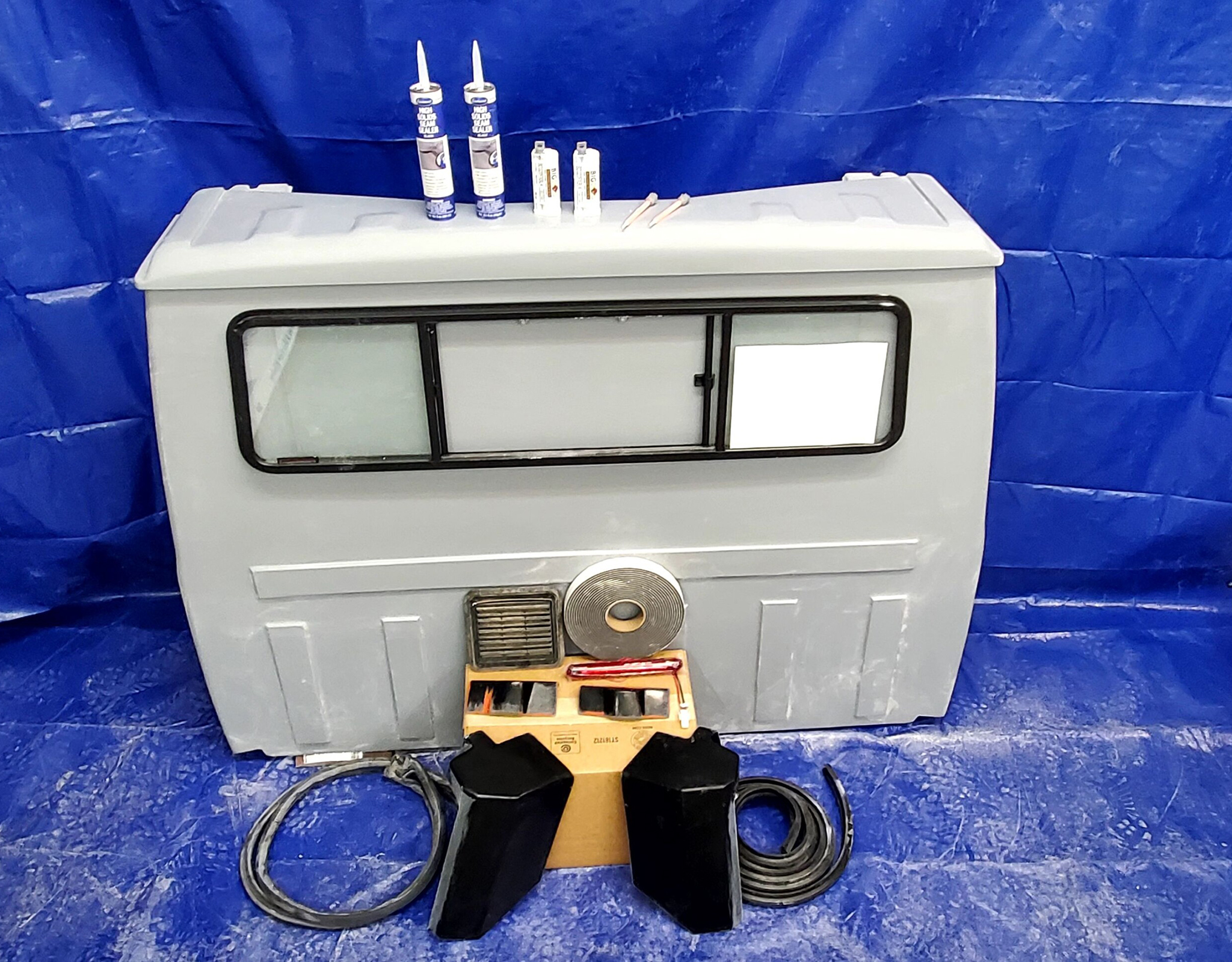
One of the coolest conversion kits from GR8TOPS is the JTRUK, which transforms four-door Jeep models into a single-cab truck with a 6-foot-long divorced bed—which the shop fashions out of a Ford Ranger bed (not provided), or they’ll build you a custom flatbed.
The JTRUK truck cab kit is currently available for JLU and JKU Wranglers, as well as JT Gladiators. The kits range in price from $4,900 to $5,400 and, according to the company, can be fitted within a day. That’s because there are no modifications done to the frame, brake line, fuel line, or driveline; it’s all bodywork. GR8TOPS says its goals with the JTRUK kit were twofold: make the install easy and make it look good. Achievement unlocked then.
The finished kit on a couple of JK Wranglers. GR8TOPS
The JTRUK was designed to be used with Jeep’s Freedom Panels or equivalent aftermarket accessories. If your vehicle is a soft-top, you’re not out of luck, but you will need to purchase the removable hardtop to make the JTRUK compatible. That’s something GR8TOPS can obtain for you at an extra cost to the overall kit, of course. Because the cab back and roof are bolt-on fiberglass, the conversion supposedly can be done by the average person without needing major tools.
Or you can bring your Jeep to their shop for a turnkey installation. You can drive in and out that same day, but it’ll cost you more than twice as much as a standalone kit. The JTRUK kit-plus-install price starts at $11,500.
The newest menu item is just as rad and meant to be paired with a JTRUK installation on Wrangler Unlimited models. The Personalized Overlanding Den, or JPOD, is true to its name in that it’s essentially a camper box. The fully customizable camper top is 7 feet long, 6 feet wide, and 4 feet tall and includes off-the-grid necessities like a pull-out sofa bed, integrated storage cabinets, climate control, a small refrigerator, and a canopy.
Unlike the JTRUK kit, though, the JPOD does require cuts and modifications to be made to the Wrangler body, but not the frame. Also, the cradle and box combined weigh 475 pounds. However, when factoring in the amount of the original Jeep sheet metal that has to be removed, the converted vehicle safely remains within the GVR.
The GR8TOPS team is working on adding a pass-through window between the camper and the cockpit. Due to safety reasons, the camper is not intended to carry passengers while the vehicle is in motion. The addition of a pass-through is merely for air flow (i.e., traveling with pets) and for visibility from the camper when parked.
Still in its prototype phase, there isn’t a final spec sheet or pricing available yet for the JPOD. But those interested can register their interest at this link.
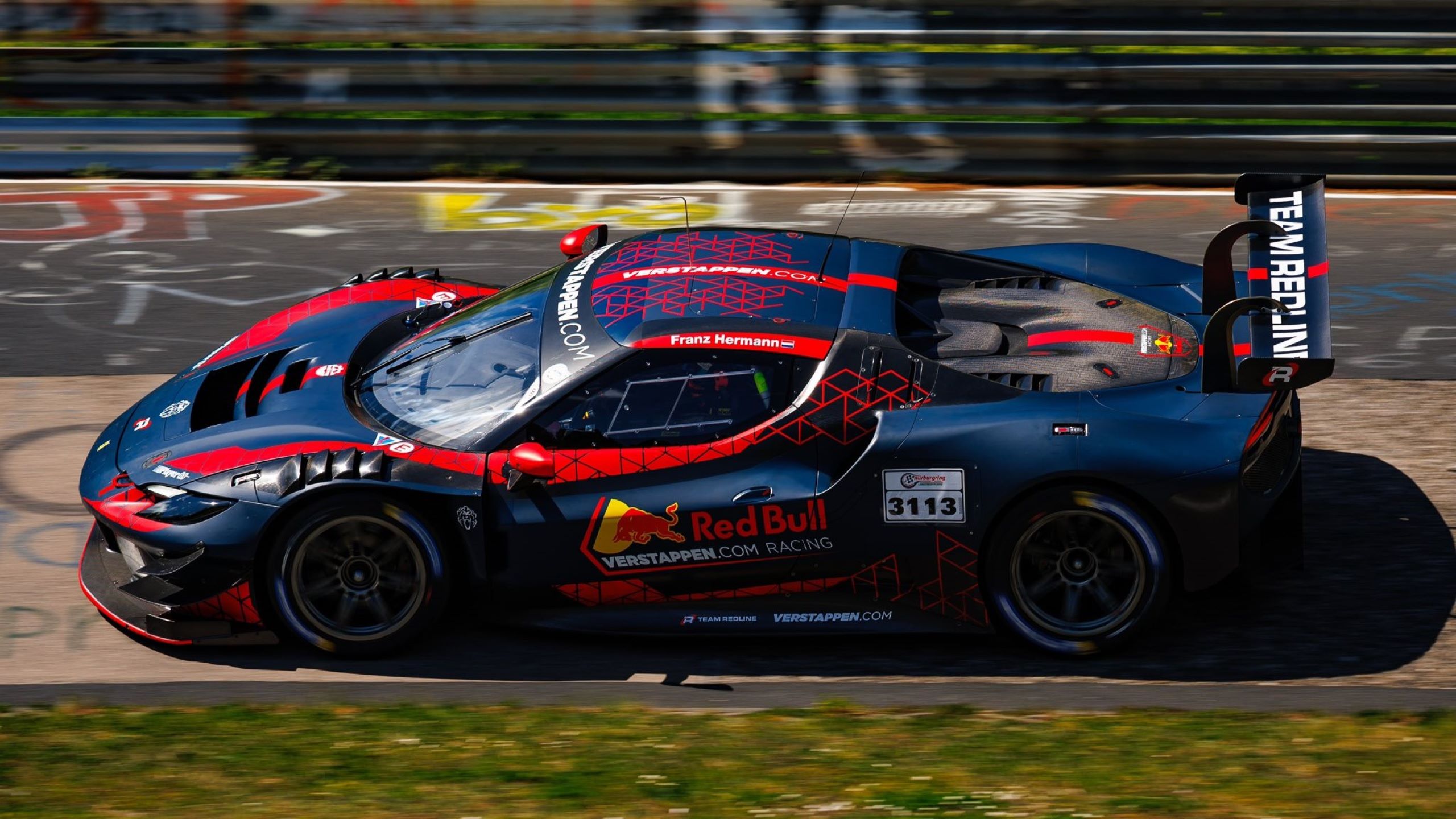
Max Verstappen may be preparing to enter his sidequest racing era because the four-time Formula 1 champ was caught testing a Ferrari—the Dutchman even tried to be discreet by using a pseudonym. As if that was going to work.
Like a true motorsports glutton, new dad/old racer Verstappen spent his two-week break from F1 at the Nürburgring behind the wheel of a Ferrari 296 GT3 car. Although Verstappen conducted similar vehicle testing last year, this time he pretended to be someone else, using the alias “Franz Hermann.”
According to Motorsport.com, the holiday hot laps at the Ring weren’t a surprise. Verstappen owns the eponymous Verstappen.com race team, which competes in the GT World Challenge. The European racing series will find itself at the Nürburgring in late August. Verstappen’s recent non-F1 excursion, however, was part of the test and setup sessions for the Nürburgring Langstrecken-Serie club racing.
The championship racer has regularly communicated that his interests extend beyond F1, especially after one of his most important wins yet: being a first-time dad.
“I come here, do the best I can, go home, do other stuff, then go to the next race, try to do the best I can and go home again,” Verstappen told ESPN earlier this month.
“Like, true experience over the years, you know what to do and what not to do,” he added. “And just divide your energy also, a bit into other things … Because at the end of the day, Formula 1 is not your whole life. It’s just [a] small part.”
So, what does Verstappen’s GT test day in Germany mean? Absolutely nothing and possibly everything. Which translates to Red Bull boss Christian Horner essentially responding with, “No big deal.” And the story didn’t change even after Verstappen decided to come clean about his GT side hustle.
“Honestly, Max is his own man,” Horner said during an interview with Goodwood Road & Racing. “He’s got interests outside of Formula 1. He enjoys driving GT cars, simulators, LMP cars. He’s very old school in many respects in that he just wants to drive, and some of the noise and circus around Formula 1 doesn’t sit comfortably with him.”
After the first six races of 24 this F1 season, Verstappen currently sits in third place, but it’s in no way anyone’s championship to win or lose. At least not yet. Following last weekend’s Miami Grand Prix, Verstappen is 32 points behind leader Oscar Piastri and 16 points behind Lando Norris. There’s still plenty of racing left, and even if not, Verstappen probably wouldn’t care as much as we think regarding his place in the standings.
“[Max is] unique in that sense that Formula 1 doesn’t define him,” said Horner. “He’s doing it because he enjoys and loves it, and as soon as that enjoyment and love dips, he will go and do something else.” Whether that something else is a seat in a Ferrari GT3 car or any other racing series is anyone’s guess, except Verstappen’s.
Jim Farley is not your average car company CEO. A genuine car guy and motorsports enthusiast, the Ford boss has been known to occasionally get behind the wheel of a race car—and he has the podium finishes to prove it. And he looks to repeat that success again this weekend at Laguna Seca.
According to Ford Authority, Farley will be one of 20 drivers taking part in the Mustang Challenge, an IMSA-sanctioned single-make series. Following two 30-minute practices and a single 15-minute qualifying session, each sprint race runs for 45 minutes.
Farley is driving the No. 17 Mustang Dark Horse R, the same vehicle he drove during the series’ inaugural race at Mid-Ohio last year. Saturday’s race is already done (Farley finished 11th), and the green flag will wave again Sunday morning.
Saturday’s entire sprint, in fact, is available to replay on YouTube:
These sessions at WeatherTech Raceway Laguna Seca will count as rounds 3 and 4 of the six-track, 12-race season.
A competitor through and through, Farley is not afraid to challenge other auto execs on the track. Confidence in the product, after the 818-horsepower Mustang GTD was unveiled, Farley said, “I’ll take track time in a Mustang GTD against any other auto boss in their best road car.” That’s not a bad idea for a sanctioned race series, actually. Or, at the very least, a Netflix Hyperdrive-style driving competition show. Forget Lando vs Oscar, we wanna see Farley vs Morizo.
Anywho, the Mustang Challenge will stream live via Peacock as well as be shown on the Ford Performance and IMSA YouTube channels.
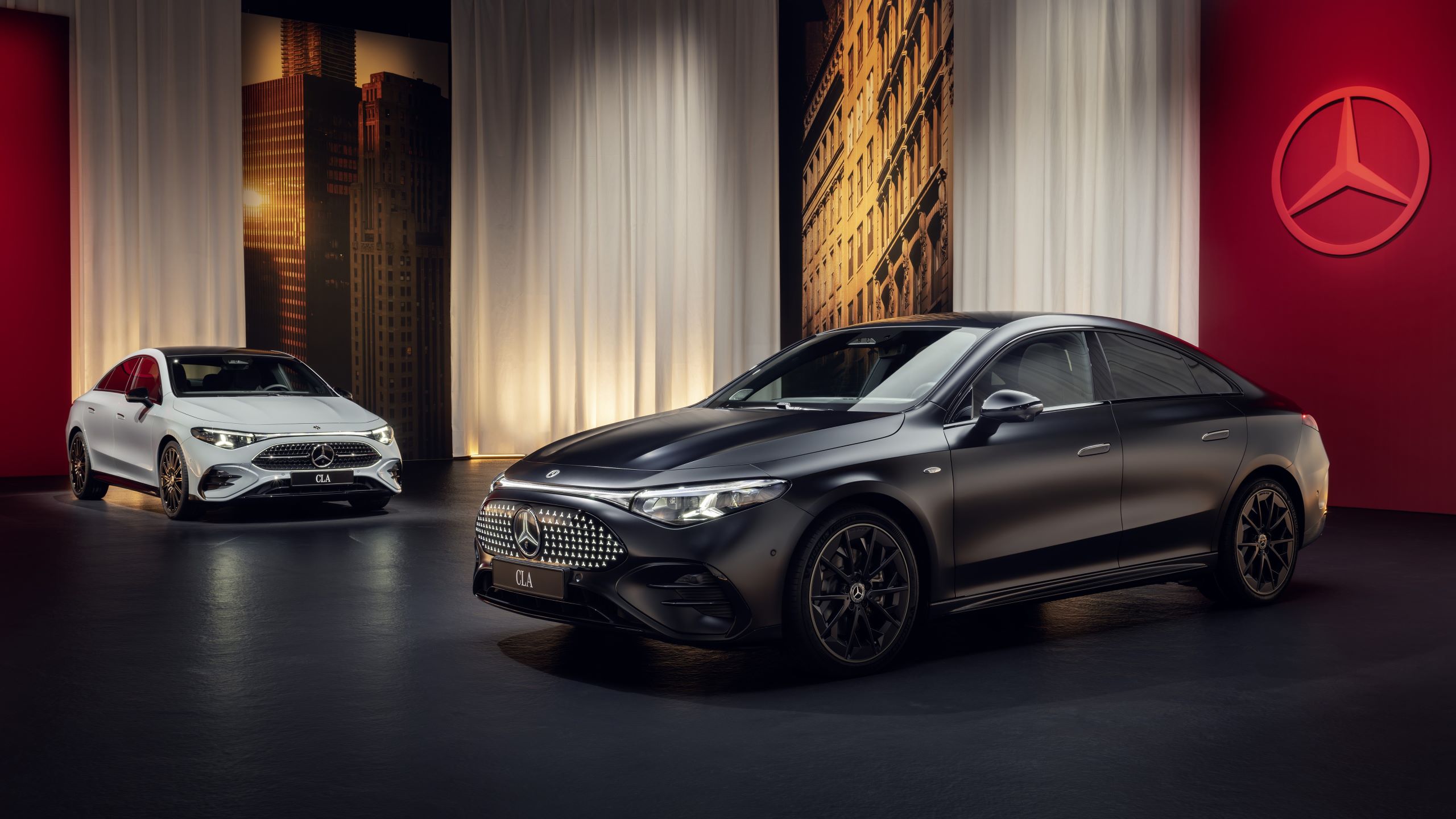
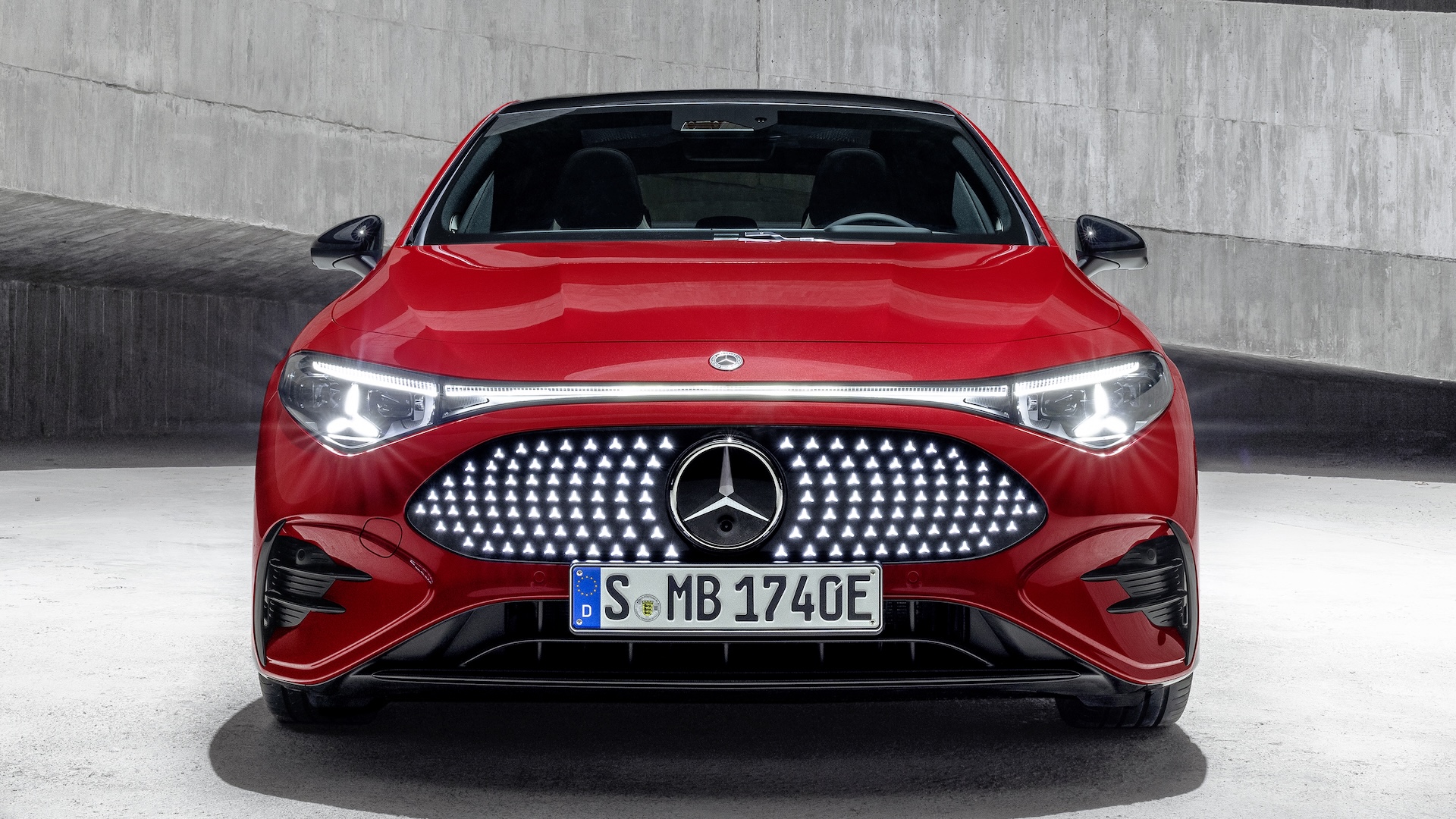
Wouldn’t it be ironic if future-proofing something also meant it’s unusable today? Such is the problem for anyone who gets the upcoming Mercedes-Benz CLA EV. Mercedes has confirmed that its new, entry-level electric vehicle is designed for 800-volt DC fast chargers, but as a result, it’s not compatible at all with common 400-volt chargers—you’re either charging ultra fast or ultra not at all.
The new CLA EV is equipped with Tesla’s North American Charging System (NACS) port. However, as InsideEVs reports, a Norwegian EV enthusiast discovered that the CLA doesn’t support charging that is less than 500 volts, which consequently means the car won’t be able to use any of the NACS stations throughout the Tesla Supercharger network after all. This isn’t just a European problem because no Superchargers in the U.S. currently support 800-volt charging either.
Who does? Coincidentally, Electrify America‘s entire charger network supports 1,000-volt charging. Oh, but CLA owners are going to need an adapter to use them. Although the CLA EV has both a NACS and J1772 charging port, EA stations utilize CHAdeMO for up to 50 kW of charging speed and CCS for speeds up to 350 kW.
It remains to be seen whether Mercedes will be distributing CCS1 adapters, but as somewhat of a workaround, the in-car navigation system will direct drivers to the few and far between compatible stations. Home AC charging is also an option, of course, but that method takes hours. Gee, thanks, Mercedes.
Mercedes-Benz
Representatives from the automaker said this charging inconvenience cannot be remedied with a software update because the issue is a hardware one. And that was the plan all along.
“The CLA can’t use 400-volt DC chargers,” a Mercedes-Benz spokesperson from Europe confirmed with InsideEVs. “We consciously rely exclusively on pure 800-volt charging technology, where we do not have to make any compromises in charging performance.”
From the U.S. side, the response was similar: “While it is not possible to charge at 400-volt DC charging stations, the Mercedes-Benz navigation with Electric Intelligence leads to the compatible high-performance chargers, where charging with up to 320 kW is possible with the new CLA.”
Sounds annoying, but it’s really a fault of the current charging infrastructure, which is on an endless loop of playing catch-up. CLA EV owners aren’t alone in this predicament, as other EV models, both luxury and otherwise, are set up with 800-volt architectures and higher. These include the Hyundai Ioniq 5, Kia EV9, Lucid Air, Lucid Gravity, and Porsche Taycan.
The thing is, though, all of these other EVs can use lower-powered 400-volt chargers. Topping off the battery at one will take longer, but at least it still works. According to the U.S. Department of Energy, there are currently 61,261 Level 2 public charging stations nationwide. That figure drops to 12,234 for Level 3 DC fast chargers, of which 800-volt stations are a mere fraction. The number of EV charging stations is growing and the infrastructure is improving, but for CLA EV owners, probably not fast enough.
On the brighter side, something tells us the lease deals on this thing are going to be absurd.
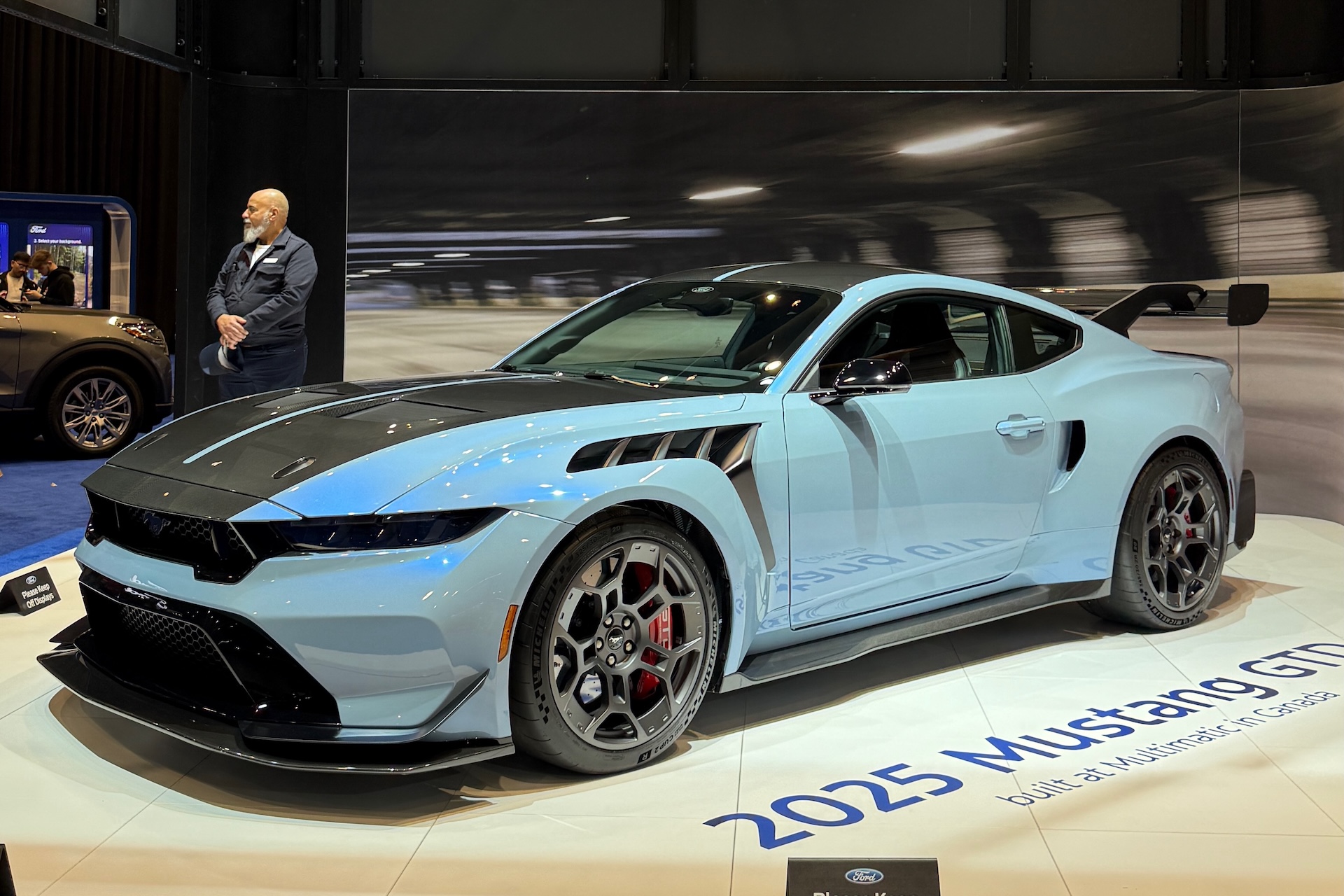
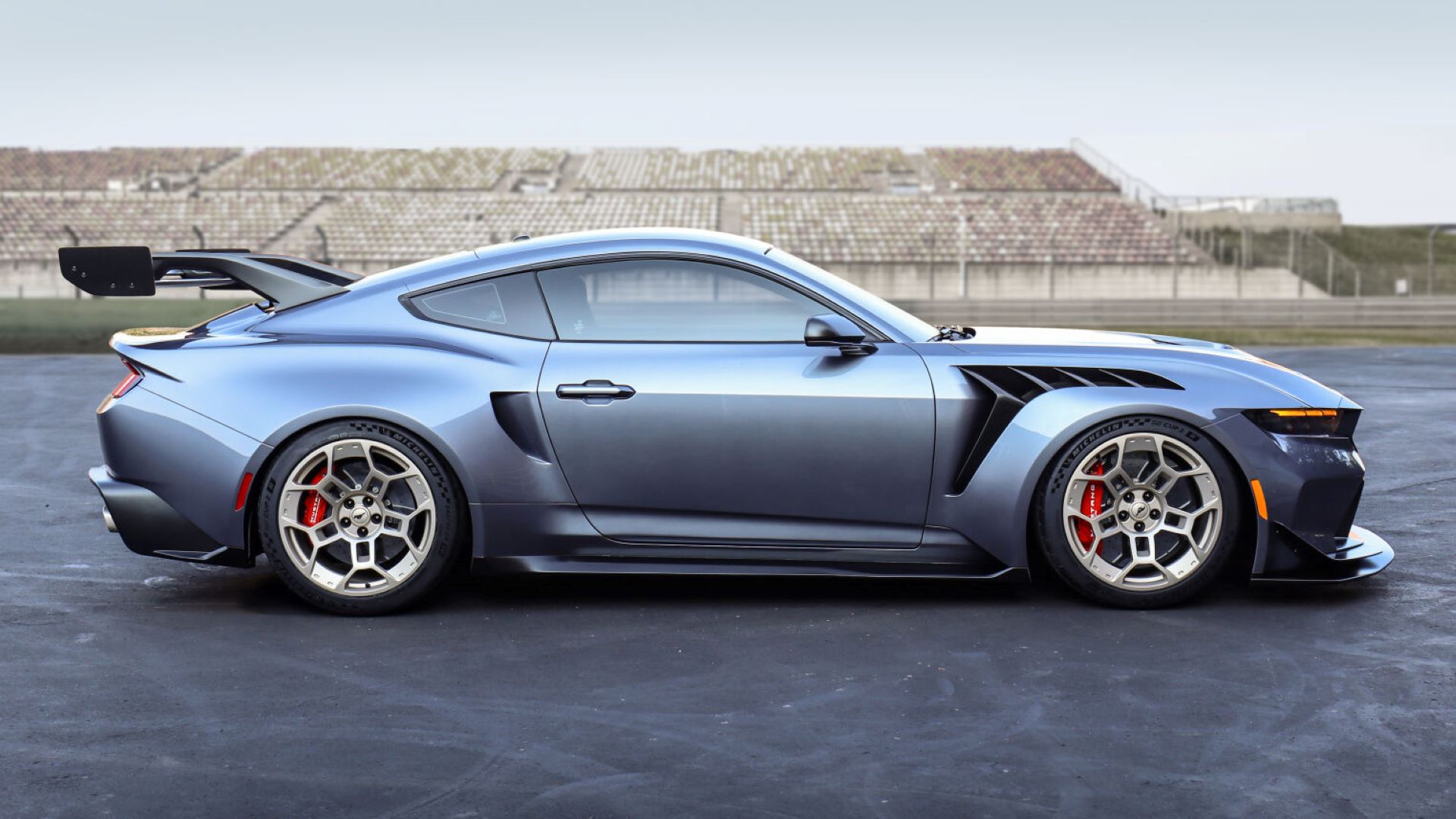
The fastest American car to ever loop the Nürburgring might also be among the most expensive ones to do so. According to one would-be owner of the upcoming Ford Mustang GTD, what was originally billed as a $325,000 car may actually end up costing double that once everything is said and done.
Update 5/13/25 9:15 AM: Ford reached out to The Drive with a statement about the Mustang GTD’s official pricing, as well as a clarification of the alleged owner’s reported price: “As we’ve said before, Mustang GTD starts at approximately $325,000. Even with every available option, it’s not possible to reach the reported price,” said a Ford spokesperson.
On a recent episode of The Smoking Tire podcast, the GTD breaking its own sub-seven-minute lap of the Green Hell became a topic of discussion. However, co-host Matt Farah had additional eye-popping news to share about the monster pony car. As he explains at the 59:35 mark, a collector he met during a motoring club event expressed some distress regarding his Mustang GTD order.
“He was very concerned about his GTD order because what he was told originally would be about a $300,000 car with the options and the track aero kit and all the things you get … the final number started with a six,” said Farah. He further quoted the buyer as saying, “Shit, I might be tapped out …”
When Ford opened the application process for the Mustang GTD last spring, the listed MSRP was $300,000. By the summer, that figure rose to $325,000. Nevertheless, more than 7,500 handraisers signed up for the 1,000 or so build slots (yup, the production number has moved, too). An 8% price increase was likely of little concern to the ultra-high net worth individuals who made GTD reservations. But a 100% price hike? That’s a final bill discrepancy that would floor almost anyone.
This means first-come, first-served dibs for your choice of finish, but not without paying a handsome fee for the privilege. I mean, if a two-tone roof on a Subaru Forester or Nissan Kicks can set you back $890 and $800, respectively, then a similar, proportional markup for the mighty GTD could easily be in the five figures. And that’s just for a color option.
Check the boxes on anything and everything else, and well, the dollar signs will add up. If this collector is to be believed, either the add-on parts and packages are ridiculously priced, or the cost of production has increased in unexpected ways—the Mustang GTD is built by Multimatic in Canada, after all.
As Farah points out later in the podcast, though, “Don’t necessarily hold me to this. This is a conversation I had with one collector.” And, true, one person’s purchase experience isn’t representative of everyone else’s. But who knows? Things costing way more than expected seems to be a persistent, universal experience these days. We wouldn’t be surprised if other GTD owners are in a similar situation. In any case, Mustang GTD production is scheduled to start this spring.
Are you a GTD allocation holder facing a bigger bill than expected? Get in touch here: tips@thedrive.com
When you think about it, anything can become an off-roading beast nowadays. With the proper tires, lift kit, suspension, and disregard for self-preservation—er, I mean, passion—even a Honda Fit can terrorize your neighborhood’s immaculate lawns.
Resembling a Micro Machines car come to life is Danny Duncan’s off-roading 2017 Honda Fit. It was actually lifted and transformed into an off-roader in 2020, and you can check out that incarnation of the vehicle at the 2:41 mark of this old video. Last year, fellow content creator/builder Mike Masse crashed Duncan’s Polaris RZR. Masse’s injuries put him in the hospital, but by the time he was discharged, he had an idea: swapping the Fit’s innards for the RZR‘s.
A modded Fit 4×4 has been done before, but a body swap? To be a true off-roader, sure, why not give the subcompact Honda a side-by-side’s capability? As Masse explains, the fit of the, uh, Fit was underwhelming. “The little transmission can’t turn 35s, the suspension is creaky, and there’s some broken parts,” he said in his first video about the build. Nevertheless, he also casually added that “It might be the best Honda Fit to ever exist.”
Masse started posting about the project in March, documenting the repair of the RZR, the body swap, and the teardown test drive, which happened just a couple of weeks ago and is embedded above. To see and hear the “upgraded” RZR-Fit (this thing needs a real name), you can skip to about 7:27.
Masse rips the little Honda around the property near the garage at full squeal. This definitely can no longer be called a small, front-wheel-drive car. It doesn’t sound like a Fit at all, and in overhead shots, it doesn’t drive like one either, rumbling around those dirt corners. Masse then takes the lifted Honda to the streets and, subsequently, the grassy road verges. That bit starts at the 8:38 mark, and we see the Fit’s handling from the road. And, as you’d expect, the thing drives over and onto everything with very little effort. A standard Fit would’ve lost a bumper at the least.
The joyride ends with a sheriff’s deputy waiting back at the shop due to reports of “racing.” Masse doesn’t say what the result of the conversation was, but tells us, “I don’t think I broke 40 mph.” He adds, “Typical, like [a] Honda thing where it sounds like it’s fast and it sounds loud, but it’s not really going anywhere.”
The off-road Fit is unfinished, of course. Masse wants to address “clunking” noises he heard, improve the stopping power of the brakes, and add another inch or two of lift to better accommodate the big tires, which still rub against the fender during hard stops and turning. The overall build won’t win any points for cleanliness, but the vehicle is structurally sound thanks to all the welding that was done. Masse did a great job of making regularly serviceable bits, like refueling, easily accessible. Let’s hope the next test is on an actual trail, though.
If you have 6:52.072 of free time and enjoy the sound of a $325,000 pony car (or supercharged V8s, in general), then Ford just posted a video that’ll tickle your ears.
As you may have heard, the Blue Oval headed to the Nürburgring Nordschleife again with its monster Mustang, the GTD. The result was another sub-seven-minute lap, but it was more than five seconds faster than the team’s last visit. And now, you can get a from-the-cockpit view of the record-breaking lap yourself.
Although your audio system of choice is unlikely to play back the claimed 815 horsepower under the Mustang GTD’s hood, you’ll get the gist. And it’s a loud and quick one as pro driver Dirk Müller goes for a not-so-leisurely lap around the Green Hell.
The Mustang GTD, which is slated to start production soon, is one of the mightiest street legal cars out there. Sure, there are faster production cars, but the GTD’s performance is on par with other six-figure supercars that have looped the ‘Ring—and it’s quicker than any other American car around the track.
I don’t know about you, but I consider comfort paramount to travel, whether by car, boat, plane, whatever. Walking? Comfy shoes minimize the likelihood of blisters. But here we are, seeing vehicle recalls for seats that are too wide. Man, 2025 is such a wacky timeline.
In a recall issued last month, the National Highway Traffic Safety Administration (NHTSA) says that the third-row seat of some 2025 Volkswagen ID.Buzz vehicles “fail to comply with the requirements of Federal Motor Vehicle Safety Standard number 208, ‘Occupant Crash Protection.'” Say what? There’s way too much room back there.
The standard seat configuration in the all-electric van is 2-3-2. A three-person bench is reserved for the second row, or can be swapped out for captain’s chairs. The third row remains a two-seater bench regardless of trim.
However, given the uniform shape of the ID.Buzz, NHSTA found the third row to be large enough to fit three passengers. But, because there are only two seat belts provided, the recall report states that the measured width “exceeds the maximum value” allowed. Basically, there should be three seat belts since there’s enough space for three people. I mean, just imagine if a third person sat back there without buckling up, their risk of injury in a crash increases!
First of all, wear a damn seat belt. If there isn’t one, then it’s not considered an actual seat, innit? Or you’re traveling via public transportation and you’re just a daredevil, anyway.
The number of vehicles affected by the ID.Buzz recall is 5,637 in the U.S. and 771 in Canada. The vehicle is built in Hanover, Germany, and those subject to the recall were produced between September 18, 2024, and February 11, 2025.
Owners will receive official notifications by June 20, while a stop-sale has been ordered on new and pre-owned inventory, reports Automotive News. Volkswagen has identified a fix, which is not adding another seat belt, but instead installing a trim piece that will adjust the seat width. This will be a free-of-charge dealer installation. No word on what the additional trim is, but really, why can’t we have nice things?
The only Pinifarina-designed long-wheel-base Porsche 911 in existence is a sight only a mother could love, but that a million bucks can buy.
Believe it or not, the whale-like 911 on sale via Hemmings was not built by Mansory. Its disproportionate appearance would be excused or, at least, understood if that were the case. However, this 1969 example was designed by Pininfarina. You know, the Italian coachbuilder that’s created so many beautiful classics for Alfa Romeo, Bentley, Ferrari, Lancia, and Rolls-Royce.
Pininfarina gave us the Testarossa, Azure, Battista, Giulietta Spider, 250GT SWB, and even the friggin’ Honda Beat. So, yeah, you could say Pininfarina knows a thing or two about swooping curves, sharp lines, and restraint.
Said to be the only Porsche-ordered Pininfarina-designed four-seater 911 (might as well be exact with such a distinction), the vehicle is based on an S2 series 911. The Pininfarina team maintained the vehicle’s two-door configuration but extended the chassis by 7.5 inches to make the rear seats usable. Other than high-performance variants, the Porsche 911 generally has a 2+2 seating arrangement. But how many of you have actually sat in the back? Did you fit? Oh, you’re still stuck there.
Hemmings
So, the added legroom is a redeeming quality. Of course, now the roofline had to be redesigned to accommodate the rear passengers’ heads. This created its exclusive bulbous look and, well, the extended chassis and extra everything meant the vehicle’s weight increased—a lot.
As La Escuderia reports, the vehicle now weighed 4,343 pounds. That’s about twice as much as the standard 911 of the time. The weight distribution was also a ghastly 39/61 split.
Suffice it to say, the Germans were not keen on the resulting vehicle. The 911 B17 was eventually sold in 1972. Although initially sporting a dark blue coat, the new owner repainted the Porsche to its current lime green. It would change hands again in 1974, joining a Swedish car collection, where it’s remained since.
The current asking price for this one-off Porsche 911 B17 is $1.25 million. The vehicle has 38,000 miles on the odometer, so it’s definitely been driven. That being said, it’s an interesting prize for a collector but not a driving enthusiast because, thankfully, Porsche figured out how to comfortably seat four in a sports car. It’s called the Panamera.
Brad Pitt is undoubtedly the star of next month’s hyped with high hopes Formula 1 film titled F1, but let’s not forget that without cars, there is no racing. Mercedes-Benz played a substantial supporting role, on- and off-screen, and it debuted a real-life car inspired by the movie’s fictional race team.
The 2026 Mercedes-AMG GT 63 “APXGP Edition” is a word salad, but it’s named after and mirrors the focal 11th team on the F1 grid. In the cinematic world, however, it’s not Cadillac but Apex Grand Prix, or APXGP, that holds the spot. Pitt’s character, Sonny Hayes, is the old man thorn in hotshot rookie Joshua Pearce’s side (played by Damson Idris).
We’ll have to wait for the F1‘s release to find out if mentor and mentee ever get along or even win any races. But the special edition Benz tells us a little bit in advance, even if only to reiterate the granular level of detail put into everything related to the upcoming film. There was no shortage of Mercs on-screen. There were, of course, the official FIA F1 Safety and Medical cars, but also road vehicles such as an AMG SL, G-Class, and GT.
Mercedes-Benz
Mercedes-AMG says the APXGP Edition is “closely based on the movie.” Its distinctive paint finish features specialized APXGP-specific designs that tie in with the film car have been applied by hand. An AMG Extended Night Package further enhances the dark exterior coloring by adding black chrome to the grill, badging, AMG crest, and Mercedes star in the rear of the vehicle.
For a color pop, and again coinciding with the fictional race car, the APXGP Edition has 21-inch wheels in matte Race Gold as well as similar colored accents around the grille, side sills, rear apron, rear diffuser, and front fenders, which also showcase a checkered flag design. Cute.
Race Gold, carbon fiber, and black command the APXGP Edition interior as well. You’ll find black Nappa leather/microfiber upholstery with gold contrast stitching. Gold stitching is basically used anywhere sewing happens, like the performance steering, door panels, center console, and dashboard. The carbon fiber trim also features gold-colored threads. The floor mats are embroidered with the APXGP logo in, you guessed, Race Gold.
Performance-wise, the vehicle features a fixed rear wing made of carbon fiber. With the AMG Carbon Fiber package, the front splitter, side sill trim, and rear diffuser also get the carbon fiber treatment. Brakes are courtesy of the AMG High Performance Carbon Ceramic Brake System, finished in black brake calipers.
In terms of suspension and tuning, it’s standard stuff with the AMG Active Ride Control suspension and a 577-horsepower AMG 4.0-liter biturbo V8 under the hood. But you do get AMG Track Pace for track day data capture, plus a lift system for extra clearance over speed bumps and such.
Pricing wasn’t released, but the Mercedes-AMG GT 63 APXGP Edition is limited to just 52 units. It’s an odd number, which a Mercedes-Benz USA spokesperson would only confirm is related to the movie but couldn’t divulge further. F1 debuts on June 25 globally but on June 27 in North America. We have no idea if the film will be a hit or miss, but there’ll be 52 menacing GT 63s out there to remind us either way.
Watch out, Lego. The Mattel Brick Shop has arrived. In a collab with its Hot Wheels brand, the all-new non-diecast product portfolio debuts with seven building sets that feature not just plastic pieces but also real metal parts.
Lego and Mattel have enjoyed each other’s company in the toy space for decades. The former was founded in 1932, the latter in 1945. But you wouldn’t ever call the two companies direct competitors. Lego started off making wooden toys before evolving into its current role as king of interlocking plastic bricks. Mattel, on the other hand, makes everything from dolls, cards, cars, and novelty toys like the Magic 8 Ball.
In the realm of cars, the toy giants are keenly separated by material: Lego is plastic, Mattel is metal. Well, Mattel now wants to do both.
Available to pre-order and arriving in stores this summer, the new Brick Shop offers three lineups, or series, of car build sets. All fall under the Hot Wheels banner; each set includes a 1:64-scale die-cast of the same model.
The Hot Wheels Premium Series is the top trim. The first vehicle offered in the series is a Mercedes-Benz 300 SL. The 1:12-scale Gullwing kit has 1,600 pieces, including functional doors, metal bits, licensed decals, and spare parts for added customization. The $119.99 kit comes with an assortment of stickers and two sets of metal wheel covers. The accompanying die-cast comes with its own display case, too.
Mattel
The mid-tier Hot Wheels Elite Series is priced at $49.99 and includes about half the number of pieces found in a Premium Series set. Three vehicles are available in this series: a Corvette Grand Sport, a 1990 Acura NSX, and a Custom 1962 Chevrolet Pickup. The Vette set has 918 pieces, the NSX has 876, and the truck comes with 858. All are 1:16 scale models and include extra parts, brand-name metal wheels (think Rays and American Racing), and functional features. No display case for the matching die-cast, though.
Priced at $19.99, the Hot Wheels Speed Series is a 1:32-scale build kit that pretty much offers the same features as the other series but with much fewer pieces (i.e., 200-ish). Don’t worry, they’ll still have working doors and other authentic car details. The entry-level sets include a Maserati MC20, a custom 1962 Chevy Camaro, and a Cadillac GTP Hypercar.
Mattel notes that pieces from the Brick Shop builds are interchangeable and can also be combined with “other name brands.” It’s an interesting, if not obvious, mention considering the bricks are likely built to a certain spec. If you want to merge a Lego Speed Champions build with something from the Mattel Brick Shop, let your scale-model SEMA Show dreams come true.
Mattel did its homework with this new project. The pricing is fair, and the available Hot Wheels sets are interesting and varied. Also, the Brick Shop launch sets don’t seem to overlap with anything Lego currently offers. Lego has a number of Mercedes-Benz cars, but none of the Gullwing. Lego does have Camaros, but they’re race cars, and a non-racing Camaro Z28 of its Icons line is currently listed as a “hard to find” out-of-stock set.
The Mattel Brick Shop will steal some consumer dollars from Lego, but it’ll probably be more of a blip. After all, there are only seven Mattel options versus the 89 Lego car toys and sets currently listed. But Mattel can pull ideas from real cars or its own in-house universe for future kits.
Lego also can’t match the uniqueness of implementing metal pieces, but the brand has plenty of collabs of its own, like Formula 1 and NASA. Lego might not have anything to worry about just yet, but I’m sure the team isn’t ignoring Mattel’s brick kit efforts, either. From a consumer standpoint, though, it’s just another avenue to lose my money. In a good way.
Mansory, the German car customizer notable for its eye-twitching vehicular creations, has unveiled yet another absurd vehicle. The good news is that you won’t suffer from temporary blindness when looking at it. Behold, Mansory’s take on the Mercedes-Benz V-Class, a modded van that is overstuffed with luxurious comfort.
Debuted at this week’s Shanghai auto show, Mansory’s Merc van doesn’t initially give Benz vibes. The standard V-Class wears its iconic three-point star badge loud and proud. However, the Mansory V-Class showcases a chrome front end more in tune with the signature “Pantheon” grille of a Rolls-Royce. The disc wheels showcased on one model are also reminiscent of the British coach builder.
Mansory had three V-Class versions on display. Beyond some added flair, like carbon fiber bits on a white van and a kitchen backsplash-type pattern on a dark-colored variant, the exterior design was surprisingly subtle. I mean, if this is Mansory, why am I not feeling nauseous yet? It’s not even as extravagant as Mercedes’ own Vision V concept that debuted at the same show.
But I am disappointed. Instead, the six-seat setup is tastefully swaddled in privacy and poshness. Heavy on the plush leather, the seats appear to recline mostly flat. The rear seats can be configured to face forward or each other, in which the latter version comes with a table. Not sure whether the table is standard, as Mansory hasn’t released any specs. But if you want a table, Mansory will add a table. Or a cooler. Or a safe. Or whatever you want, really.
From the images, the Mansory V-Class looks to be more of an ultra-high-end shuttle. For example, aside from the custom seats and some trim pieces, the cockpit appears largely unchanged from the factory. There isn’t much shown in terms of accessories, either, but that’s not to say they don’t exist.
I’d say one highlight is how Mansory transformed the Benz’s standard panoramic sunroof into a glass panel that is part skylight and part skyview. Dare I say it actually looks awesome?
If you all of a sudden have a hankering for this high-falutin’ van, then hopefully you live in China. According to the company, the Mansory V-Class was developed for and exclusive to the Chinese market. Sheesh. Mansory finally builds something that is ostentatious in the right way, but it’s untouchable. But, hey, at least we know Mansory is capable of notruining everything it touches.
The King of Rock ‘n’ Roll was as impassioned about big attention as he was for big Benzes, Lincolns, and Caddies. And this eBay find might be the biggest of all. Okay, maybe after the private jet-turned-RV. Still, this very pink, very guitar-shaped Cadillac Eldorado has been dusted off and is up for grabs.
If this vehicle resembled a piano, I’d think it belonged to Liberace. But a pink guitar? Sure, I suppose Elvis Presley fits the bill. According to Silodrome, the builder was legendary movie car builder Jay Ohrberg. You know, the same guy who created K.I.T.T. from Knight Rider, the Batmobile from Tim Burton’s Batman films, and another pink hot wheel, The Pink Panther limousine. (Side note: You can see a selection of Ohrberg’s cinematic creations at the Hollywood Cars Museum in Las Vegas, which also houses the equally wild Liberace Garage.)
The donor vehicle for Elvis’ guitar-on-wheels was a 1970 Eldorado. The Caddy was equipped with an 8.2-liter V8 and three-speed automatic. The powertrain produced 394 horsepower and 550 lb-ft of torque. Unsurprisingly, it was also heavy, tipping the scales at 4,696 pounds—and that’s before Ohrberg did his fabrication magic.
Guillaume Herbin/eBay
To create the “fretboard” midsection, Ohrberg split the vehicle in two, cutting it just behind the A-pillar. Connecting the front and rear was a frame section made of welded tubular steel. The backend was also heavily modified, using fiberglass to create the rounded shape of a guitar and those massive fins.
The entire build took two years. Silodrome reports that, upon completion, along with the fretboard, the guitar car featured tuners and strings. Where the soundhole would be on a real guitar just so happened to be where the driver would sit.
And it was driven. Mr. Presley apparently drove the converted Eldorado to one of his Vegas shows. At 12.5 meters (41 feet) long, I bet it felt like a lowrider RV, which wouldn’t be out of place in Vegas. Following its stint in Sin City, though, the vehicle’s history is murky.
Like, how’d this thing end up in France, where the eBay seller lists its location? That’s a long way from the Strip or even Graceland. And those hips don’t lie because, based on the images, this star car is in D-lister condition. Hence, the rather low 10,000 Euros (about $11,400) asking price.
Rusted-out holes mark where the tuners used to be. The strings are missing, the fretboard frame is exposed, and the cockpit is without its tinted dome covering. And the paint, well, it’s still pink but in varying shades. Also, the vehicle is listed as “non-rolling.” At least the Eldorado still has its custom “1-ELVIS” license plate.
Hopefully, whoever buys this thing will restore it to legendary rockstar status. Maybe the king of King impersonators, Jesse Garon, can add another pink Cadillac to his fleet.
Own a piece of history that never was. Listed on RM Sotheby’s is a true one-of-one creation: A drop-top Porsche 959.
A vehicle with provenance, this 1987 Porsche 959 began life as a Komfort model, one of only two trims the exclusive supercar was offered in, the other being Sport. This 959 Komfort was initially spec’d in Silver Metallic paint with a two-tone black leather and beige cashmere interior.
The Porsche was delivered to racing driver Jürgen Lässig, who was a runner-up in the 1987 24 Hours of Le Mans and would later win the 1995 24 Hours of Daytona. However, less than a year later, the Porsche was involved in an autobahn crash, after which Lässig sold the vehicle. By then, there were only a few thousand kilometers on the odometer.
The new owner was Porsche racer and master craftsman Karl-Heinz ‘Charlie’ Feustel, and it was his vision to create something new: a Porsche 959 “Speedster.” A labor of love, the convertible conversion took more than 4,000 hours to complete, reported a 1990 feature in Sports Car International. The project’s focus was on refinement, ensuring that the modifications appeared seamless. The 959 Speedster was then finished in Grand Prix White paint with a blue leather interior.
Paolo Carlini/RM Sotheby’s
The one-of-a-kind Porsche then went on tour, displayed at the Frankfurt and Essen auto shows in 1989. Feustel offered the vehicle for sale, reportingly asking for $1.2 million. Yup, in 1989. Factoring in inflation, that amounts to about $3.1 million today.
And someone bought it. Although the actual sale price isn’t revealed, the buyer was a German collector who owned the Porsche until the consigning owner acquired the vehicle in 2008. Today’s asking price is less than what Feustel valued his work of art, but it’s not exactly chump change, either.
Listed as part of RM Sotheby’s Milan auction next month, included in the 959 Speedster sale is a removable hard-top, electrically operated soft-top, an interchangeable “Speedster” windscreen, spare door mirrors, and owner’s guides. The vehicle also shows just 8,304 km (5,159 miles) on the odometer.
The Porsche 959 Speedster price is listed between 1.1 million and 1.5 million euros (about $1.25 million and $1.71 million), a worthy sum for the painstaking craftsmanship of this unique build.
A seaside Massachusetts town is being overwhelmed by vehicular vandalism, with at least two dozen vehicles attacked since March. The suspect is described as wearing black and white while sporting a red hat. Oh, and he’s about two feathery feet tall. That’s right, he’s a bird—specifically, a woodpecker in heat.
The call of the wild can lead to hostile and, sometimes, destructive actions by the local fauna. And it becomes more noticeable in areas where people also reside. In Rockport, Massachusetts, the wildin’ wildlife that is destroying car mirrors has been identified as a pileated woodpecker.
Rockport resident Janelle Favaloro told People that she caught the pileated pest in the act and shared her findings in a neighborhood Facebook group. Likely one of the first to realize who the car culprit was, Favaloro’s post read: “There has been a vandal breaking vehicle mirrors. He is described as 18″-24″ tall, wearing black and white, with a red hat.”
Neighbors reacted, commenting that they, too, found their vehicle mirrors broken but had been stumped as to the cause. “So it became a viral neighborhood thing,” said Favaloro. “Then we realized that he was basically canvassing the whole top of the hill we live on. It’s pretty wooded up here, so he has claimed this as his territory.”
According to All About Birds, this woodpecker is about the size of a crow, making it one of the largest forest birds in North America. The pileated woodpecker is found year-round throughout Canada and the eastern half of the United States. The bird features a striking suit of black feathers with white stripes down its neck. Its outfit is topped off with a red crest.
If you’re wondering, yes, this was the inspiration for Woody Woodpecker, whom I’ve never been a fan of. (It’s the maniacal laugh.) The fella attacking cars in Rockport might be of the same vein, or just super combative. The emboldened woodpecker has been attacking anything reflective, with one neighbor reporting that he was inside his truck when the woodpecker cracked the window.
“This time of year is mating season, so all birds, not just pileated woodpeckers, but all birds are getting into a very aggressive, territorial courtship display,” said Zoo Miami Communications Director Ron Magill to Today. “If they’re seeing the reflection of themselves, they don’t understand it’s a reflection; they think it’s a competitor.”
The woodpecker’s mating season lasts until June, and Favaloro says her neighbors have been getting creative in protecting their mirrors, especially those without garages. From simply folding them in to covering them with bags or scarves—anything to keep the feathered menace from challenging a “rival.”
“It’s wildlife, so you can’t really do a whole lot about it,” said Favaloro. As for whether the woodpecker will find a partner, she jokes, “This is not really the best way to attract a mate. I don’t think the women are going to be impressed.”
Car enthusiasts enjoy lamenting about vehicles that once were and vehicles that never will be, but should. Regarding the latter, apparently, Bimmer fans are all about putting their money where their mouth is because a new report says BMW is not only open to building more limited-run vehicles, but a true series production “dream car.” The Skytop Concept is just the beginning.
Oh, they were totally sure they were going to make it. The Skytop Concept evoked such strong demand that, just five months later, BMW confirmed that the concept car would go into production. Of course, the announcement also included news that all 50 units, priced at about $500,000 each, were already accounted for.
Nevertheless, it was a sign that maybe BMW should do this more often—and possibly include a future halo vehicle for the BMW M brand.
“[Halo models] have that positive spillover effect on the brand and on the product portfolio,” Sylvia Neubauer told Auto Express. As BMW M’s Vice President of Customer, Brand, and Sales, Neubauer noted that halo vehicles are developed as much for the customer as they are for admirers. “You’re making a certain customer group very, very happy with these dream cars. Even those that cannot afford the car, they admire the brand. This will be part of our future road map as well.”
The BMW Skytop Concept, which ultimately entered limited-run production. Based broadly on the BMW M8, only 50 were produced, and each reportedly sold for around half a million dollars. BMW
Neubauer reportedly noted to the publication that the market in which the Porsche 911 competes is “interesting,” but also that it’d be a challenge to pull away Porsche loyalists from their cars. More broadly, though, it appears the masterminds at M have a vision for a future flagship.
“You can trust us, we are working on it internally to make that happen one day,” Neubauer said. “Are we dreaming of dream cars, and is BMW M a very entrepreneurial company where you can really make things happen? Yes, let’s wait for the right time.”
At least we won’t have to wait long for a peek at the future; BMW Group will return to northern Italy next month with something new. Actually, make that “something,” plural. “[BMW’s] strategy is to have a series of small-series additions that we offer to the markets,” said Neubauer. “There will be something coming at Villa d’Este this year, and probably some future small-series editions with the ‘M’ designation.”
Will this year’s concept(s) be as dreamy as the BMW Skytop? Will there be a sneak peek of a forthcoming halo M car, similar to the indelible M1? After all, BMW was working on an M1-inspired supercar before, one that was within a year of being finalized before cancellation.
Neubauer said that the production of limited-run, exclusive cars will “definitely” lead to a bespoke BMW M vehicle someday. There is little doubt that halo cars make a brand that much more desirable.
A rare and beautiful sight has been listed for auction during next month’s Concorso d’Eleganza Villa d’Este Broad Arrow Auction. Equipped with a supercharged V8 is a 2006 Mercedes-Benz CLK DTM Convertible, one of 80 examples ever built.
The CLK DTM AMG was introduced in 2004 to commemorate Mercedes-Benz‘s 2003 championship in the Deutsche Tourenwagen Meisterschaft (DTM) racing series. Initially, only available as a coupe, all 100 of the AMG vehicles were quickly snapped up. The cabriolet version followed in even smaller numbers.
Making a hardcore race model that’s also a convertible is odd, and also what makes this thing unique and exceptionally awesome.
Featuring a 5.4-liter supercharged V8, the DTM models produced 582 horsepower and 800 nm (590 pound-feet) of torque. Its zero-to-100 km/h (62 mph) time was a mere four seconds, but that’s probably with the soft-top up. With a 300 km/h (186 mph) top speed, the CLK DTM AMG Cabriolet was the world’s fastest four-seater convertible at the time.
All that performance was paired with AMG ceramic brakes for the staggered-sized 19- and 20-inch wheels in the front and rear, respectively. The black-on-black cabriolet features an aggressive exterior design that resembles the DTM race car and includes carbon fiber body panels and a rear wing. The interior is a mix of luxury and necessity.
Broad Arrow Auctions
The AMG front bucket seats are leather-wrapped and feature a four-point seat belt. The racing steering wheel is covered in suede. But instead of the standard ashtray (this was the aughts) is a panel of switches for the traction control, stability control, and transmission settings for whenever a spirited driving mood struck.
This particular vehicle makes its way to Northern Italy by way of South Korea, where it lived as a museum display. Upon returning to Europe in 2016, the convertible had just 19,471 km on the odometer. After being serviced by Mercedes-Benz Eberbach, the current owner took possession of the car, driving it only for “selective road use.”
Adding roughly 2,000 km, the CLK DTM AMG Cabriolet was serviced again in 2021, this time by the owner’s in-house mechanic. The most recent service took place last year by a Mercedes-Benz dealer in France, with the odo just shy of 22,000 km.
Included in the auction are two keys, the original owner’s manual, and a service book. The 2006 CLK DTM AMG Cabriolet is valued between 420,000 and 550,000 Euros ($478,000-$625,000) and will cross the auction block on May 25.
If you don’t feel like dropping half a million, YouTuber Tedward did a POV driving video of one of these a while back:
BMW has unveiled its newest entry-level customer race car, the M2 Racing. Under development since 2023, the successor to the M2 CS Racing will be available worldwide in time for the 2026 motorsports season.
“At BMW M Motorsport, supporting customer racing with cars that are easy to maintain, cost-efficient, and thrilling to drive is a top priority,” said BMW M CEO Franciscus van Meel in a press release. “With the introduction of the BMW M2 Racing, we are continuing a proud tradition. The car is affordable while offering racing teams and drivers uncompromising performance, durability, and pure driving pleasure.”
Indeed, the new BMW M2 Racing follows the 2 Series track tire treads of the M235i Racing, M240i Racing, and M2 CS Racing that came before it. Based on an M2 chassis, the race car variant features the standard vehicle’s steering wheel, center console, and iDrive screen but with a roll cage, specialized tuning, and racing-specific parts. Additional options include a rear wing, a Sabelt GT-PRO carbon fiber driver seat, and datalogging software.
Take some swipes through BMW’s beautiful photo set of the car running laps in a factory livery here:
The M2 Racing is equipped with a B48 series turbocharged four-cylinder mated to a 7-speed ZF automatic transmission. The powertrain produces 313 horsepower and 420 Nm (309 pound-feet of torque). Its top speed is 270 km/h (about 168 mph). Oh, and it weighs just 1,498 kg (~3,300 pounds).
More than just track-ready power and parts, the testing phase for the M2 Racing involved three different vehicles with specific focuses: powertrain, dynamics, and endurance. How much development was conducted? Well, the enduro car alone underwent 30,000 km (18,641 miles) of testing.
Buttoned up for a number of motorsports applications, including personal track days, cup series, and endurance racing, the M2 Racing will be offered to customers on a global scale. The sales launch begins this June with distribution through select BMW M Motorsport dealers. The base race car starts at 98,000 Euros ($111,414 at today’s currency rate). It’s a lot of money, but for a factory dialed racing car, sounds like a pretty decent value.
As the saying goes, “If you love something, set it free. If it comes back to you, it’s yours. If it doesn’t, it never was.” But what if that something you love was stolen? A UK man’s love for his Honda took a peculiar, circuitous turn after his vehicle was stolen, and then he unknowingly bought it back.
According to the BBC, in late February, Ewan Valentine’s 2016 Honda Civic Type R was snatched in the middle of the night. Although he was “gutted” by the car theft, Valentine had resolved to purchase another one just like it.
We didn’t get that version of the CTR in the States, alas. It’s an FK2, based on the ninth-gen Civic and built in the United Kingdom at Honda’s Swindon facility.
“It was sort of a mid-life crisis car, and you don’t get many of those,” said Valentine. “So I was pretty determined to get it replaced before one day I have to get a sort of family car,” he told the British publication.
Luck (or fate) happened to be on Valentine’s side … sort of. As he carshopped, he happened upon a Civic Type R nearly identical to his lost love. Located a mere 70 miles away, the vehicle was the same year, same color, and had the “same slightly obnoxious exhaust system.”
So many similarities, but, of course, it wasn’t his stolen Civic. It couldn’t be. The one for sale had a different plate, VIN, registration, and mileage. Also, the seller was a reputable car shop, not some shady fly-by-night Facebook Marketplace merchant.
However, after paying £20,000 ($26,626 at today’s exchange rate) for the car, things got weird for Valentine. For one, the Civic hadn’t even been cleaned. Valentine found candy wrappers, a tent peg, and pine needles in the vehicle.
Sure, it’s annoying and unprofessional to sell a dirty car, but the random trash items were those that would likely have been in Valentine’s own car. The real evidence that his newly purchased Civic Type R was, in fact, his actual car that was stolen? His own and his parents’ addresses were in the navigation system.
“I nearly crashed, to be honest, because I was in shock … My hands were shaking; my heart was pounding,” Valentine told the BBC.
Talk about doing a half-assed theft job. The crooks went to the trouble of duplicating the keys, changing the VIN plates, swapping out the license plate, and modifying the mileage, but couldn’t be bothered to vacuum up some rubbish or reset the navigation.
It sounds preposterous, which is exactly what the police thought. The local authorities suspected that Valentine had had his car stolen intentionally, possibly for fraudulent purposes. A Honda garage confirmed ownership and also found other signs of tampering. Valentine believes the shop that sold him back his car was also a victim duped by the car thieves. At least this love story had a happy ending, with Valentine reuniting with his, er, valentine in the most car-guy, meant-to-be way possible.
Whether or not he will end up keeping the reclaimed car remains to be seen; it might end up being evidence now.
Today, the world said its final farewell to Pope Francis. Long described as being a “man of the people,” Pope Francis carried that honor through death, riding in a simple wooden coffin. And, as the funeral procession traveled to his final resting place at the Basilica di Santa Maria Maggiore, the hearse was hardly a hearse at all. Instead, it was an everyman’s work vehicle: a full-size pickup truck.
We weren’t planning to cover the papal funeral here on The Drive, but the choice of hearse used in the procession piqued my editors’ interest. According to Britannica, during his 12-year papacy, Pope Francis eschewed the tradition of using a Popemobile during public appearances, instead preferring to walk or travel in more unassuming vehicles, like compact cars. If it had to be a Popemobile, then it was probably a modified Jeep, Fiat, Hyundai, or Kia.
Pope Francis also had an affinity for trucks, having utilized a first-gen Nissan Frontier during a visit to Mauritius. Although he was gifted a new electric Mercedes-Benz G-Class Popemobile in December, it’s rather fitting that Pope Francis’ final ride would be with a Ram 1500.
The Vatican estimates more than 250,000 mourners attended the funeral, with another 150,000 having lined up along the motorcade route. And probably none of them expected the pontiff to travel in the bed of a fourth-gen Ram pickup.
The truck was equipped with familiar Popemobile modifications, including a standing platform and protective overhead shield. But the Ram Popemobile is largely open-air.
Having likened the fully-enclosed bulletproof Popemobiles to a sardine can, Pope Francis generally refused them. If he had to travel via Popemobile, it would be open-air in some way, allowing him to better connect with people.
Acknowledging that this increased his vulnerability for an assassination attempt, Pope Francis told a Spanish newspaper, “I know that something could happen to me, but it’s in the hands of God.” Rest in peace, Pope Francis. You can see much of the procession on ABC’s coverage here:
The 2025 Lincoln Navigator costs $101,990—and that’s before you add any additional bells, whistles, or glitter. I suppose this was inevitable. These days, even the Lexus LX commands 100 G’s, and you’ve also got Infiniti topping out in six figures with its redesigned QX80.
More tech and luxury and safety and inflation will do that. It’s not so much a matter of upcharging as it is automakers simply moving upmarket. However, “luxury” and “mass market” aren’t mutually exclusive. These $100K vehicles are not low-volume supercars but instead SUVs designed for families and chauffeur duties, which are essentially the same thing, really. Even on the way to soccer or lacrosse practice, the need to keep up with the Joneses doesn’t stop.
Beverly Braga
The all-new Navigator, however, wants to march to its own drum. The Joneses are welcome to dance along, but not in front. Positioned as a sensory spa on wheels (more on that later), the redesigned Lincoln full-size SUV is also about capability and performance. Though not necessarily brutish, the new Lincoln Navigator isn’t exactly humble, either.
The Basics
On sale now, the 2025 Lincoln Navigator is all-new. OK, mostly new. Like 88% new. The powertrain is a carryover, and so is the chassis, but the rest of Lincoln’s flagship pretty much comes with new tags. Big tags. The new grille is much taller and wider, making the old one look like a slim-fit shirt. Further highlighting the grille’s girth is full-width signature lighting; a similar integrated light bar illuminates the rear for design symmetry.
Beverly Braga
A neat detail mimicked from the mid-size Nautilus is a set of horizontal lines etched into the third-row window pane. Not only does the design element break up visual real estate on the otherwise massive piece of glass, but it also ties in with the pattern within the lights. Because again, symmetry.
The new Navigator interior evokes salon-cushy seats for personal pampering, complete with full-body massaging, even for second-row passengers. This segment’s only 40/20/40-split third row is standard and can be optioned for the second row. Note that massage and ventilation are a no-go in the last row, but at least you can get them heated.
Beverly Braga
If you like screens, the Navigator now features a 48-inch panoramic display positioned atop the dash, and its data nodes can be customized via the 11.1-inch touchscreen below. There’s also a 5.8-inch digital control panel for the second row. The Google-based infotainment syncs up with Google accounts or mirrors Android Auto and Apple CarPlay. Up to you. Either way, the processing speeds are quick, and the graphics are crisp. However, like any advanced connectivity system, the number of menus and submenus can be tiresome.
Driving Experience
The new Navigator is powered by a familiar 3.5-liter twin-turbo V6 paired with a 10-speed automatic transmission and four-wheel drive. That old engine works just fine. Its 440 horsepower and 510 lb-ft of torque are more than enough to steer this ship. It feels more seaworthy than the Nautilus, but no one is going to buy a Navigator for its driving dynamics.
Beverly Braga
That being said, I found the steering surprisingly precise during this test. There were plenty of elevation changes and sweeping curves, plus the occasional blind ones, around the Cuyamaca Mountains, but the luxury barge managed wine and pie country as it would a suburban expedition: with composed refinement. Drive modes, with names like Conserve, Deep Conditions, Excite, Normal, Slippery, and Slow Climb, are kinda silly.
But this wasn’t a day drive about expedience or even fuel economy. Except on the highways, where I would let the latest and greatest BlueCruise 1.4 take the helm and stick to the speed limit. Poised and powerful as the Navigator may be, its base curb weight is also 5,929 pounds. The EPA has rated it for 15 mpg city, 22 highway, and 17 combined. On a mostly downhill 86-mile stint, I eked out a respectable 21 mpg. Heading uphill, however, and I recall the combined numbers being in the teens.
Beverly Braga
Updated BlueCruise was phenomenal in action. Just a single button will activate the hands-down, eyes-up system. New features include Lane Change Assist and In-Lane Repositioning, and auto lane changes were as easy as tapping the turn signal. The repositioning feature, which I like to call “semi-truck avoider,” does just that. When traveling next to larger vehicles, the Navigator will shift to the opposite side of the lane. The movement is slight and sometimes barely detectable, partly because the Navigator is so huge it takes up most of the lane anyway.
The system maintained speed and distance, as well as adjusted to road conditions, with confidence. Other ADAS programming can be skittish, either braking too early or deactivating unexpectedly. The only time I had to take over from BlueCruise was when, for reasons unknown, a driver ahead decided to slow down to 50 mph in a 70-mph zone, and stayed at that speed. Considering the mph disparity with other traffic, a human mashing the throttle was quicker at avoiding disaster than waiting for cameras and radars to respond.
Lincoln says as many as a third of Navigator owners tow. As such, the Navigator has a towing capacity of up to 8,700 pounds. Pro Trailer Backup Assist and Trailer Hitch Assist are new and standard features, the latter of which operates like self-parking for hitches. In a simple process that takes less than 30 seconds, the Navigator will help you align and position the hitch with your trailer. All you really have to do is connect the two afterwards. Lincoln also integrated Google Maps with its Trailer app to provide optimal and safe driving routes based on your trailer’s dimensions.
Lincoln Navigator Features, Options, and Competition
Reserve: No, the 2025 Lincoln Navigator is not a cheap date. The $101,990 Reserve may be the base now, but in no way is it bare bones. BlueCruise and Co-Pilot360 are standard, plus all of those screens, premium leather seats with a 24-position driver’s seat, 14 (!) USB ports, a 28-speaker audio system, a panoramic sunroof, a split tailgate, and the list goes on. Of great importance, though, is the power-adjustable brake and accelerator pedals. Because not only could I see over the dash of this heavyweight, but I could reach the pedals too!
Black Label: The Black Label adds $16,500 to start at $118,490, and comes with darker trim, 24-inch wheels, heating for the third row, some extra functions for the driver’s seat, and new interior “themes” named Enlighten and Atmospheric that combine with the standard Rejuvenate relaxation mode and in-car fragrance to turn the Navigator into an opulent, makeshift spa.
Beverly Braga
I was able to experience the Reserve ($105,360 as tested) and a Special Edition Black Label ($128,340) back to back. Other than design bits and color schemes, the two trims performed the same. Would I personally pay the extra cash for the Black Label? No, but for those who literally care about labels, it’s another statement to make. A long-wheelbase variant is available for all trims but merely expands the cargo space by 14.5 cubic feet—passenger room is the same.
Competition-wise, if we’re looking at substantially-sized squares, then the Cadillac Escalade, BMW X7, Mercedes GLS, Lexus LX, Infiniti QX80, and Range Rover fit the bill. But I’m not sure any of them make a compelling argument to stay in your vehicle once you’ve parked. I mean, getting a massage while listening to soothing earth sounds as I’m surrounded by the aroma of Violet Cashmere? Maybe I should cancel my salon appointment now.
The Early Verdict
The 2025 Lincoln Navigator may come with an upcharge, but it’s worth the markup. It’s extravagant with three rows of comfort, luxurious appointments, high-quality finishes, usefully modern technology, and advanced safety features, most of which are standard. To me, the exterior styling is the only real miss, lacking the same shock, awe, ooh, and aah that characterizes the rest of the vehicle—although that’s subjective.
If you are a fan of its looks, though, the new Navigator is an indulgent way to get around, worthy of its flagship job title.
The seats are soft, the BlueCruise is capable, and the scent diffuser diffuses. Lincoln’s redesigned flagship is a three-row SUV that wants you to stay awhile.
WCC and Mecum have teamed up before, previously joining forces to raise funds for Operation Mend, a healthcare system collaborative established to treat severely wounded Iraq and Afghanistan veterans. Offered during the 2011 Dallas auction was a 2011 Chevrolet Camaro convertible decked out in a blend of camouflage colors. With no reserve, the final hammer price was $333,000.
Hoping for similar success, the recipient organization this time around will be West Coast Customs Academy (WCCA). The nonprofit academy is a qualified 501(c)(3) tax-exempt organization that provides tuition-free curriculum and custom automotive training. The WCCA offers two 12-week courses (spring and fall), and is open to prospective applicants ages 18 through 23 who reside in the Los Angeles area.
West Coast Customs
Having already graduated three classes of up-and-coming vehicle customizers, one of the auction vehicles—a 1997 Toyota 4Runner—was built by the WCCA’s class of 2024. The vehicle features a flame-and-pinstripe paint job and is equipped with a custom air suspension and 18-inch billet wheels. It’s funny to think that it was built recently; it has a decidedly old-school look. Take a swipe through these slides to see some details:
The other vehicles are a street-legal 2022 Toyota Camry race car done up by pro driver Tyler Reddick and 23XI Racing, a 2006 Dodge Charger converted to be a two-door (pretty cool to see a couple of years before the Challenger came out), a Darth Vader-themed 2012 Volkswagen Passat (probably the least exciting), and a 2018 Polaris Slingshot doing its best impersonation of the starship Discovery from the Star Trek show by the same name (easily the wackiest of the whole fleet).
Mecum Auctions
There is no reserve on the West Coast Customs Collection vehicles, all of which will cross the auction block at Dan Mecum’s 38th Original Spring Classic in May. The Indianapolis auction also features a rare Ford GT40 Roadster (chassis GT/109), which we highlighted earlier this month.
Every once in a while, a midnight doom scroll will lead you away from a nightmare news landscape and into a rabbit hole of “Oh, yeah, I forgot they made that.” This time, a 900-horsepower drag-racing Toyota Camry popped up. It’s not a random garage project either, but a sleeper build developed in-house.
The year was 2014, and the all-new 2015 Camry was on sale. As far as redesigns go, the sedan’s next-gen looks were bolder but, you know, for a Camry. And why bother doing anything aftermarket with it, especially for the SEMA Show, an event that thrives on the big, boastful, and brash? A quiet Toyota just doesn’t fit in. Then someone had an idea.
“The whole project started with [Toyota motorsports] national manager, Steve Appelbaum,” Marty Schwerter of the Motorsports Technical Center told USA Today at the time. “He wanted to build this sleeper Camry for SEMA. We said, ‘Are you crazy?’ SEMA is all about bling; it’s all about in your face.”
Well, “sleeper” and “in your face” are complete opposites, but the Toyota built a SEMA car exactly as requested and was given a name as basic as possible: Toyota Sleeper Camry. But don’t dismiss this one with a yawn.
Sleepers are supposed to appear boring and bland — just like a Camry! Yet, underneath its Camry shell, which is all it was, lay a full tube-frame chassis. Power came from a Tundra-sourced, TRD supercharged 5.7-liter 3UR-FE V8 engine.
According to Schwerter, the setup produces 612 horsepower. But, this being the SEMA Show, that’s not all the supercharged Camry can do. Capable of handling a 300-shot of nitrous oxide, Schwerter claims the hot rod Camry can punch out about 900 hp. The vehicle’s transmission, rear axle, and electronics were also taken from a Tundra.
For raceway shoes, the Camry wore 335/30/18-size drag racing tires. Although the team had yet to drive the Toyota dragster “in real anger,” the estimated quarter-mile time was 9.8 seconds. You can enjoy a bit of sensory confusion in the video below, where the vehicle hits the straights during the 2016 Toyota Nationals.
“This is the most extreme build we’ve ever unveiled at SEMA,” said Appelbaum. “The transformation from seemingly stock Camry to full-blown racecar just shocks the senses.”
Another surprising thing about the Toyota racer is that it was built in 11 weeks. Either the motorsports tech team is that efficient, or maybe that’s all the time they had (because auto show timelines are notoriously tight). Nevertheless, it’s a fun car to come across, one that even Jay Leno saved for a season finale.
Over twenty years ago, a video of a Lexus LS400 seemingly defying the laws of physics shocked the world. Riding on a prototype electromechanical proactive suspension developed by the audio company Bose, the luxury sedan bunny-hopped over curbs, skipped individual wheels over potholes, cornered completely flat, and held its body perfectly level at speed over undulating pavement. It looked like magic, and to some degree it was.
Sadly it was totally impractical for mass production in 2004, and Bose eventually gave up on the project and sold off the rights to the tech. Meanwhile, the demo clips lodged themselves in the internet as a prime example of amazing technology that didn’t make it. Every few years, the videos go viral again as a new round of people ask why we can’t get something this cool in new cars today.
And at last, now you can. OK, almost.
Last month, the proactive suspension—which is now owned and further developed by an American company called ClearMotion—finally hit the streets in China in its first use in a production car, the electric Nio ET9. It’s just the start of a deal with Nio that will put the suspension in 3 million cars. As Automotive News points out, that kind of scale could really help bring down costs as ClearMotion is getting ready to enter a partnership with Porsche and holding talks with other European automakers. You can see just how impressive it is in the video below.
In other words, Bose’s suspension is finally having the global moment we’ve been waiting for. And we have been waiting! In 2018 (I cannot believe that was seven years ago), we wrote a story about ClearMotion installing its suspension in a BMW 5 Series and its CEO working on deals with “five major manufacturers” that would bring the tech to mass production in 2020. To be fair, we know what happened there.
Also to be fair, this isn’t exactly Bose’s suspension. The original version replaced traditional dampers with linear electric motors that used sensor data to literally move the wheels up and down and cancel out bumps. ClearMotion adapted the control software and applied to active valve dampers with a magnetic fluid.
Still, you have to step back and appreciate that this technology is finally stepping out of a 240p YouTube video and into reality in new cars. Speaking of, we also recently wrote a story about someone finding one of the original Lexus LS400 Bose prototypes for sale as a parts car on Facebook Marketplace. It’s a good read, I promise.
Now that the Bose/ClearMotion magic carpet suspension has moved beyond its conceptual testing phase, there’s no stopping the tech from being applied to anything and everything. CYVN Holdings, the investment firm keeping McLaren afloat, is also an investor in Nio. A trickle-up effect is undoubtedly imminent.
In the Porsche deal, the German automaker will utilize ClearMotion1 but also launch RoadMotion, a proactive chassis control software that “fingerprints” road surfaces. The software stores the scanned information to create a localized street profile, which the system will auto-adapt to when driving through the area again.
A Ferrari Roma was purchased from a luxury dealership in Denver and shipped to a luxury dealership in Minneapolis. Except the Italian sports car never arrived, having allegedly been picked up by a phony company. Now, both seller and shipper are being taken to court.
Swapping stock between stores is a humdrum, everyday occurrence. Even when the cargo includes high-value products, the process remains the same: getting from point A to point B. Doing so securely and safely is a given, of course, as would be verifying the shipping details.
However, a lawsuit filed by dealer group Lithia Motors alleges that the most basic rules of logistics operations weren’t followed for a Ferrari Roma it purchased. Valued at $218,000, the Ferrari was bought in November 2024 from Bentley Denver and scheduled to be shipped to Twin Cities Performance, a Ferrari dealer in Lithia Motors’ nearly 300-location retail network.
According to Automotive News, the Bentley dealer outsourced the vehicle shipping through Angels Moving Autos, which in turn utilized Central Dispatch to select a shipper. Central Dispatch bills itself as “the country’s largest self-managed auto transportation marketplace.” So far, so good. However, things turn shady when “KT Logistics” gets the job.
KT Logistics is a legitimate transportation company, but its fleet includes refrigerated and dry van trailers. In short, KT Logistics isn’t equipped to move vehicles. Had Angels Moving Autos properly vetted the company, including verifying insurance and other certifications, the KT Logistics scheduled to pick up the Ferrari would have been found to be a fraud.
Blind eye or red flag? Yes.
Nevertheless, someone posing as KT Logistics arrived in Denver for the Ferrari. This should’ve been another checkpoint, and this time, from the Bentley dealership’s side. But again, a verification process either didn’t happen or was done half-assedly. Allegedly. The lawsuit states that a bill of lading, essentially a shipping receipt, wasn’t even presented by the driver, who also failed to provide identification. Sigh.
Laziness or incompetence? Sure.
Even if a non-starting rust bucket were being shipped, I’d still request a bill of lading, driver contact information, and a vehicle inspection report, at the very least. Until then, nothing will be loaded onto the truck.
Of course, this gets “better.” Two days after the vehicle pick-up/theft, Angels Moving Autos messaged Twin Cities Performance that the Ferrari transport would be a safe delivery, and “looked like everything is good and legitimate.”
A cross-country drive from Denver to Minneapolis is 900 miles if taking a direct route. The road trip would take a couple of days via passenger car, but a little more with a transporter. Still, nearly a week had passed before Twin Cities Performance was contacted again, this time to learn that the grand tourer had been stolen. Oh, and neither the shipping company nor Bentley Denver filed a police report.
The lawsuit accuses both Bentley Denver and Angels Moving Autos of negligence and civil theft. Additional claims include unjust enrichment against the dealership, which cashed the check against Twin Cities’ wishes, and a breach of vendor agreement against Angels Moving Autos.
Twin Cities Performance and Lithia Motors are seeking reimbursement of the purchase price, as well as compensation for losses in profits, sales, and customer loyalty.
The whereabouts of the stolen Ferrari Roma remain unknown.

 FreshRSS


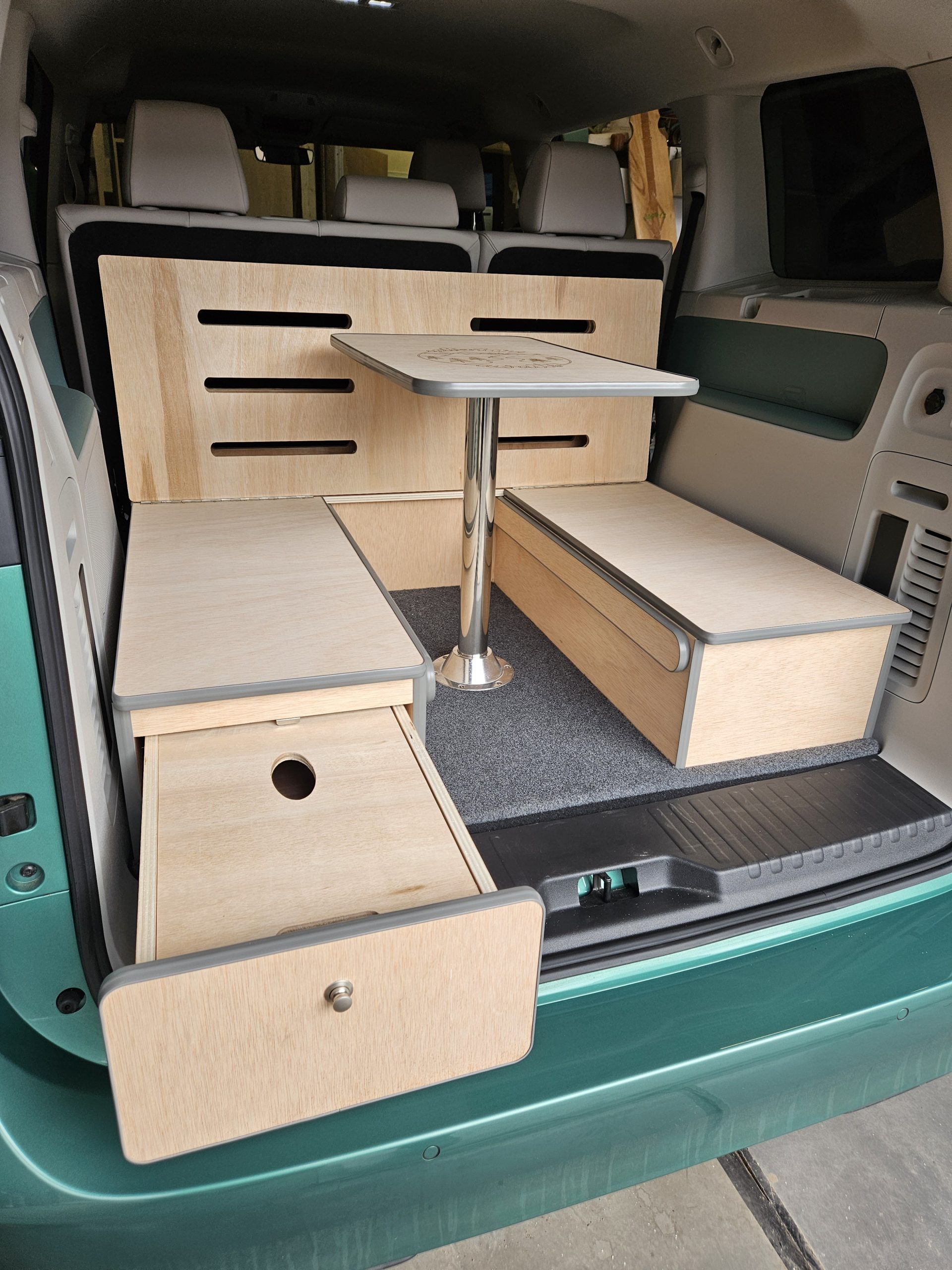
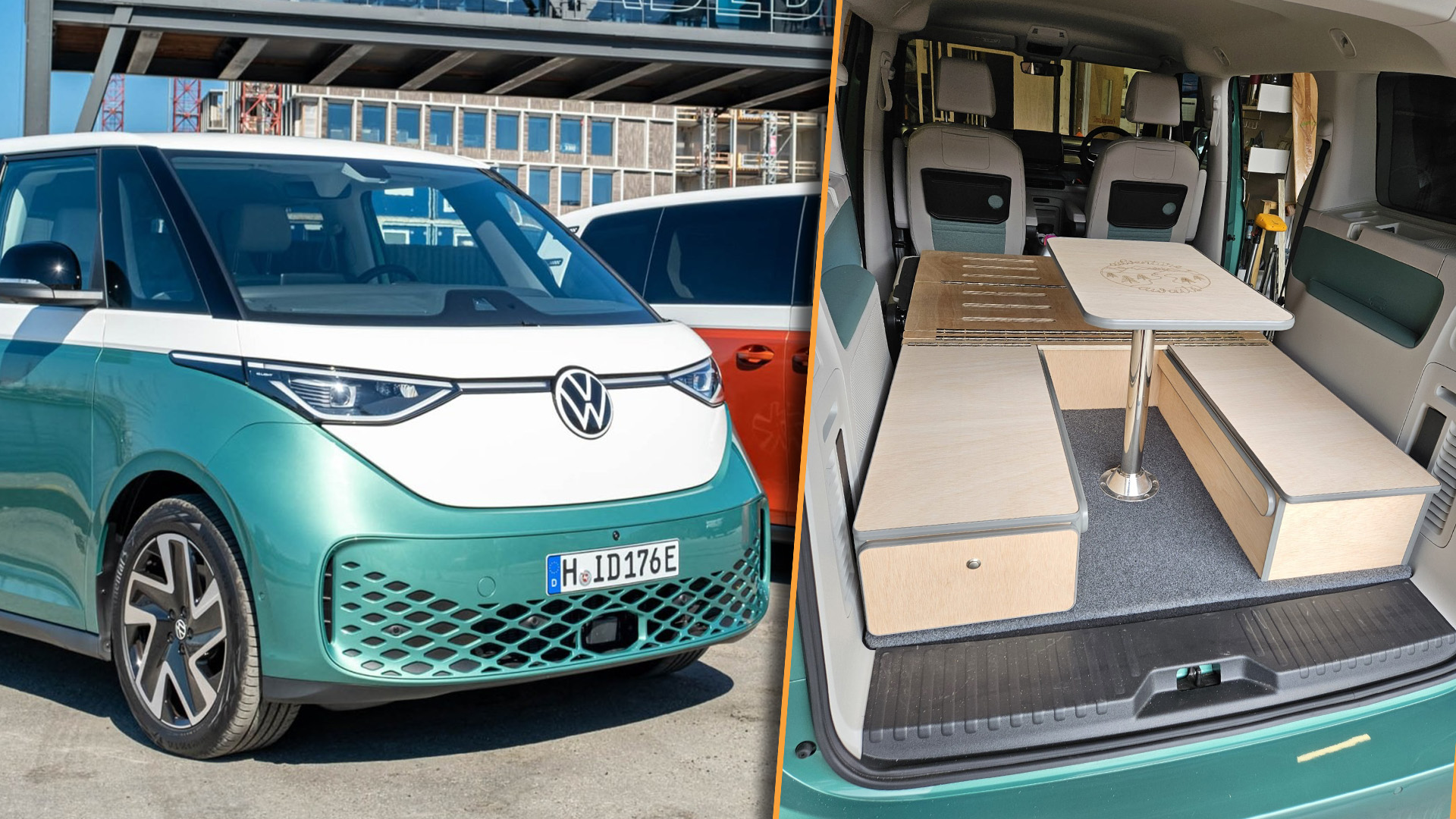
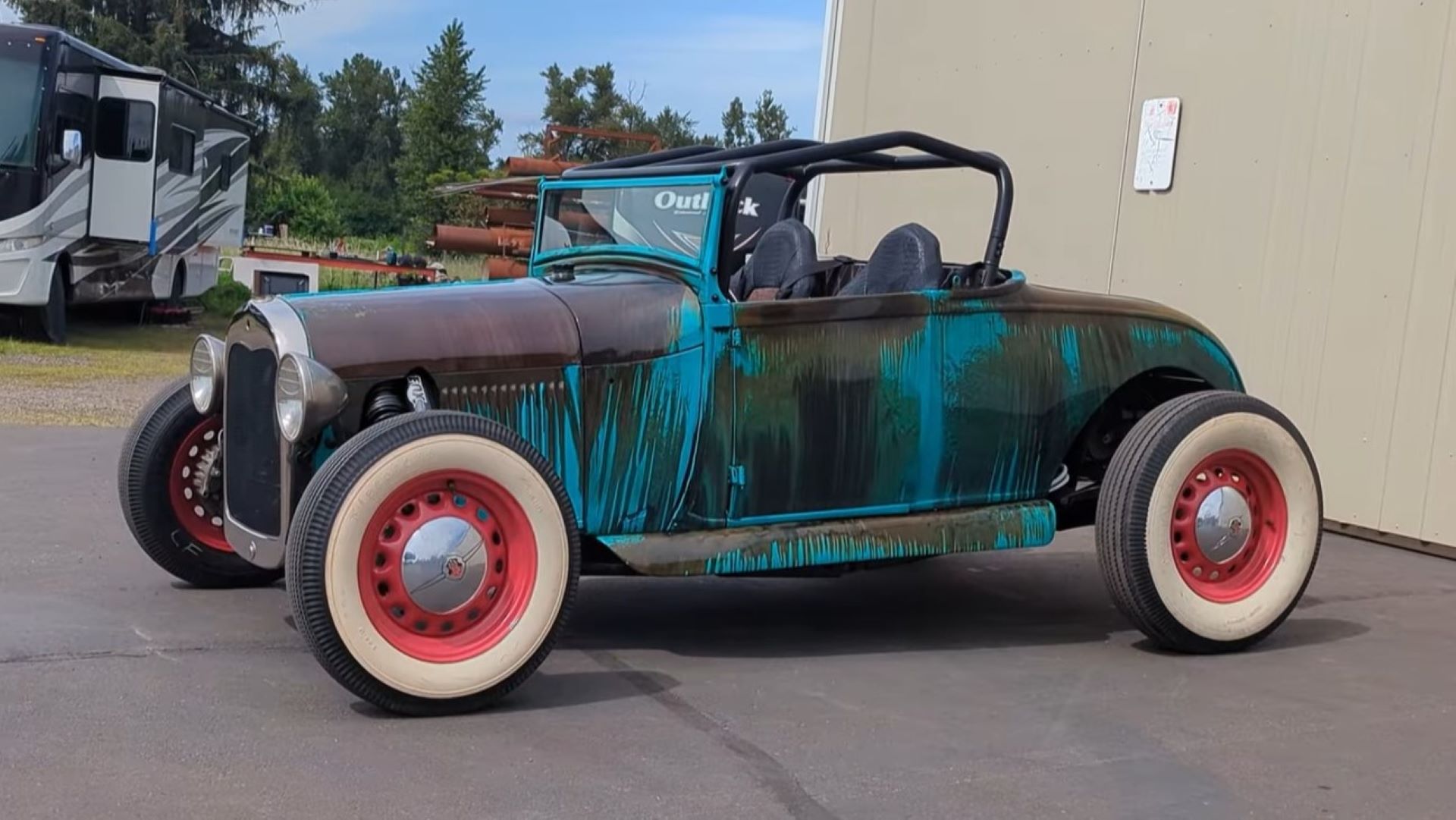

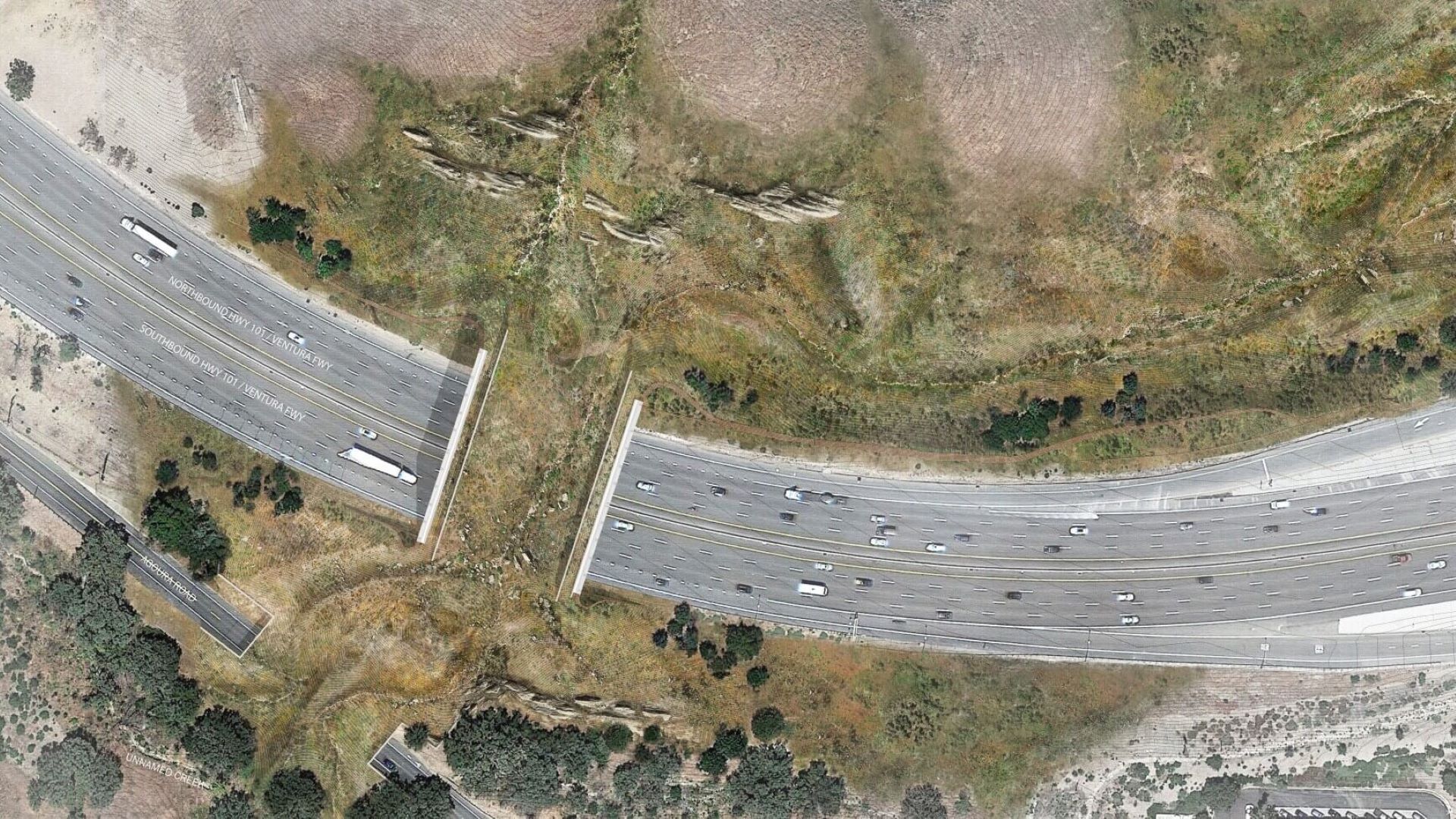
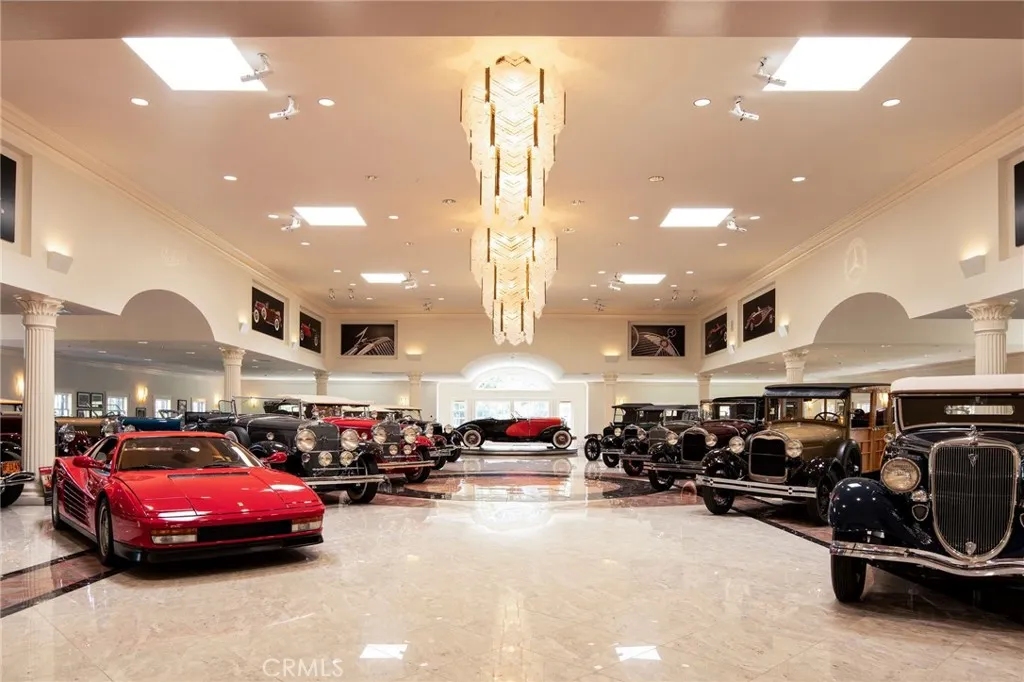


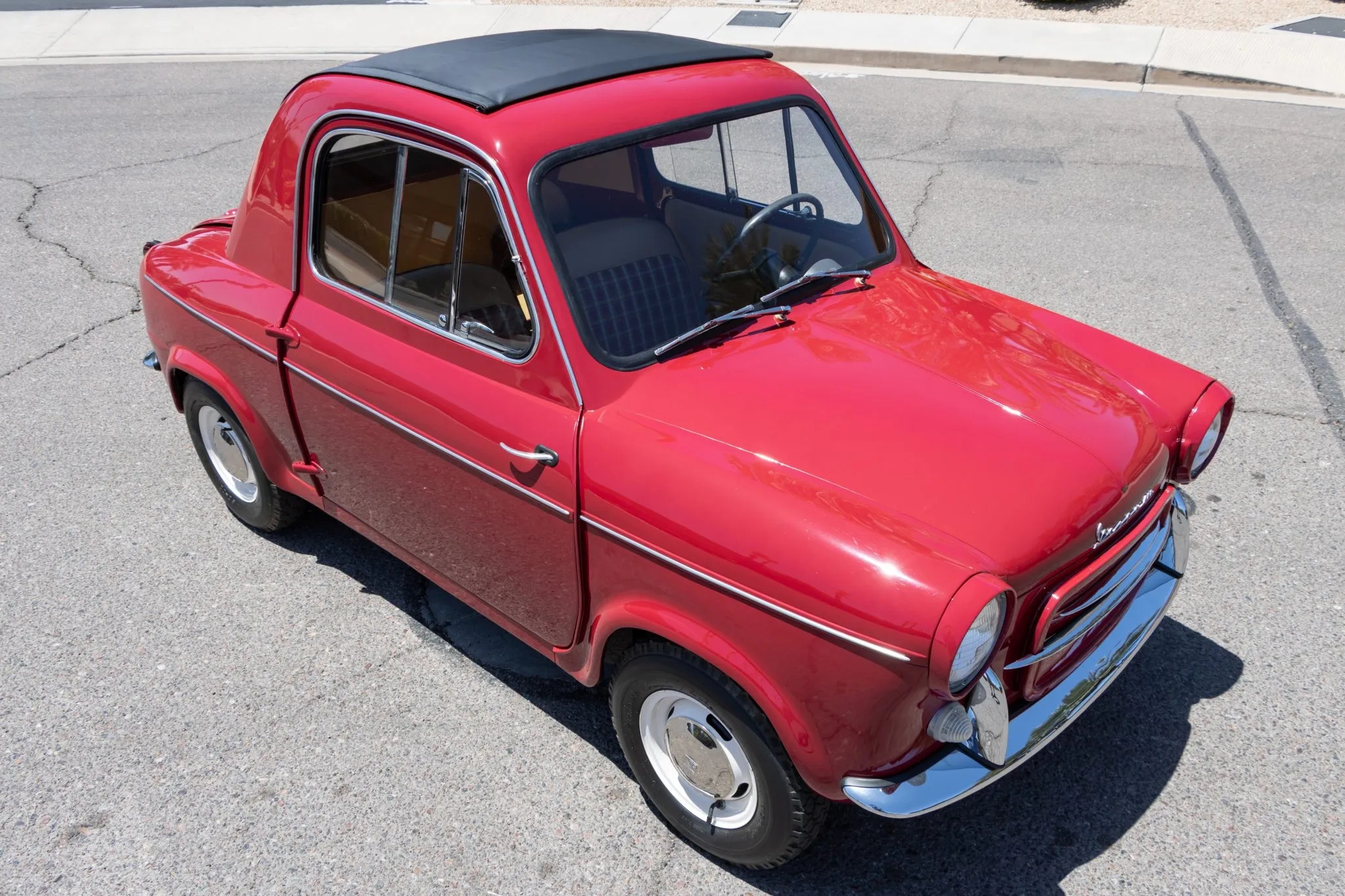
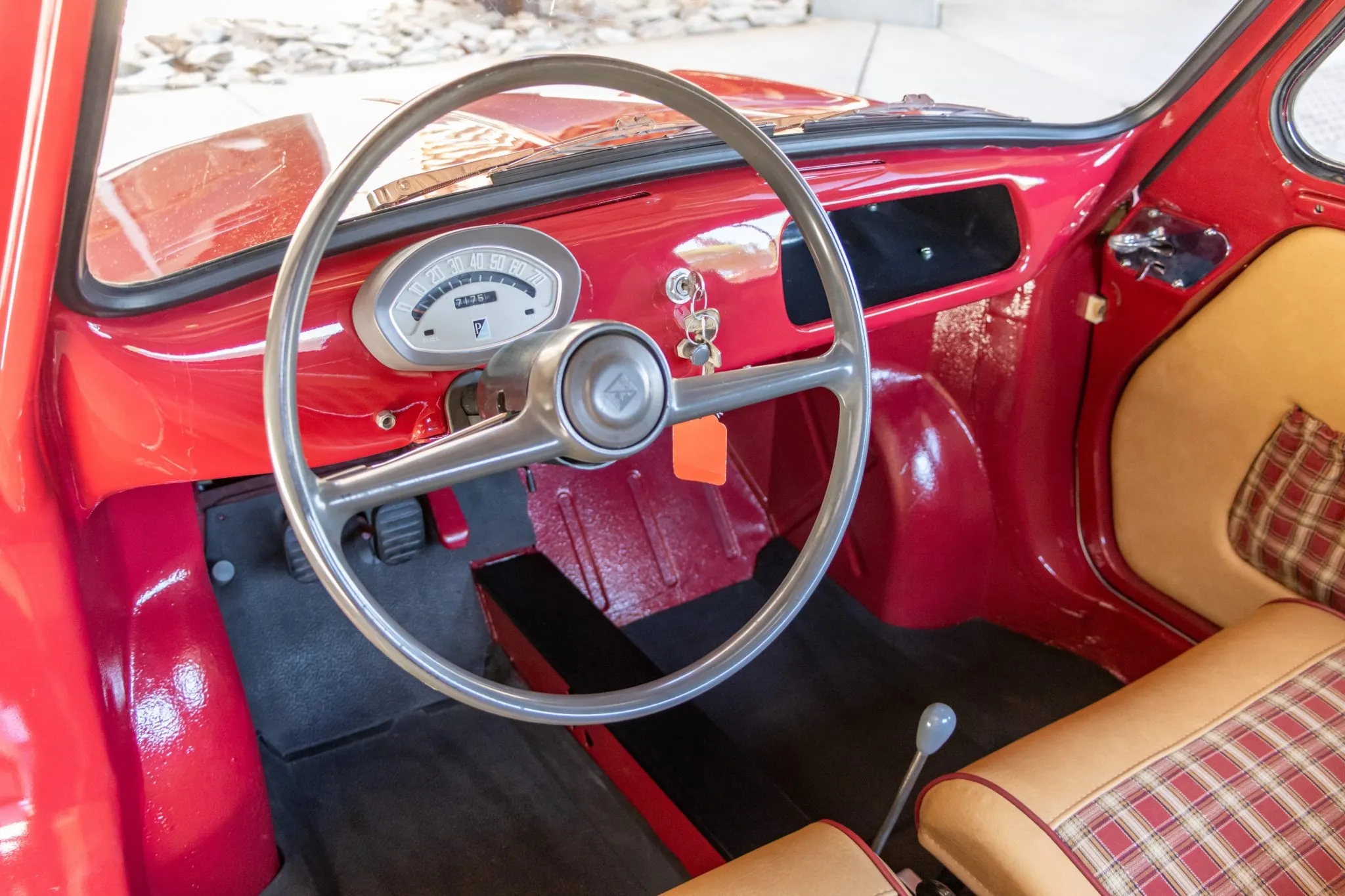
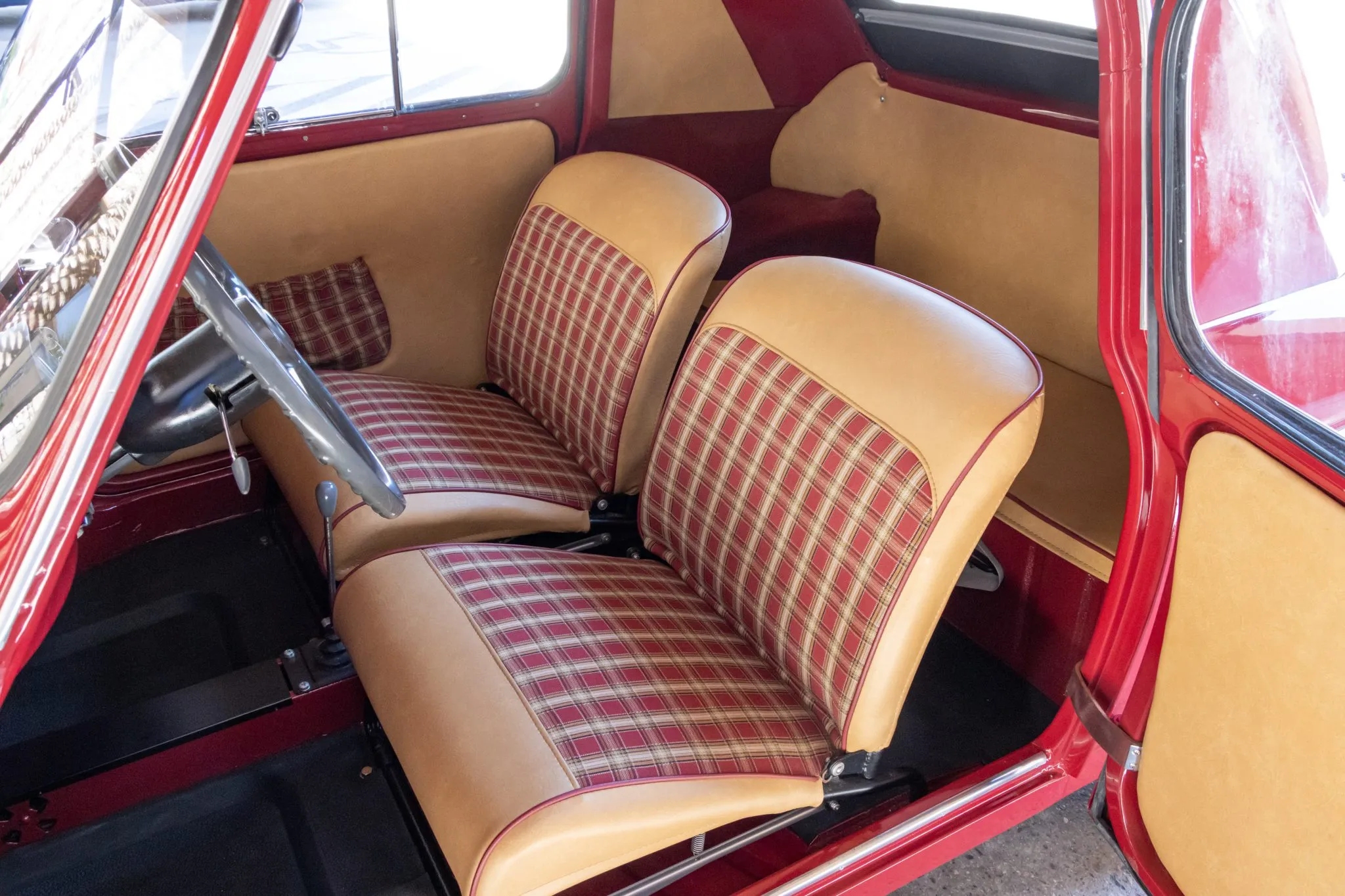

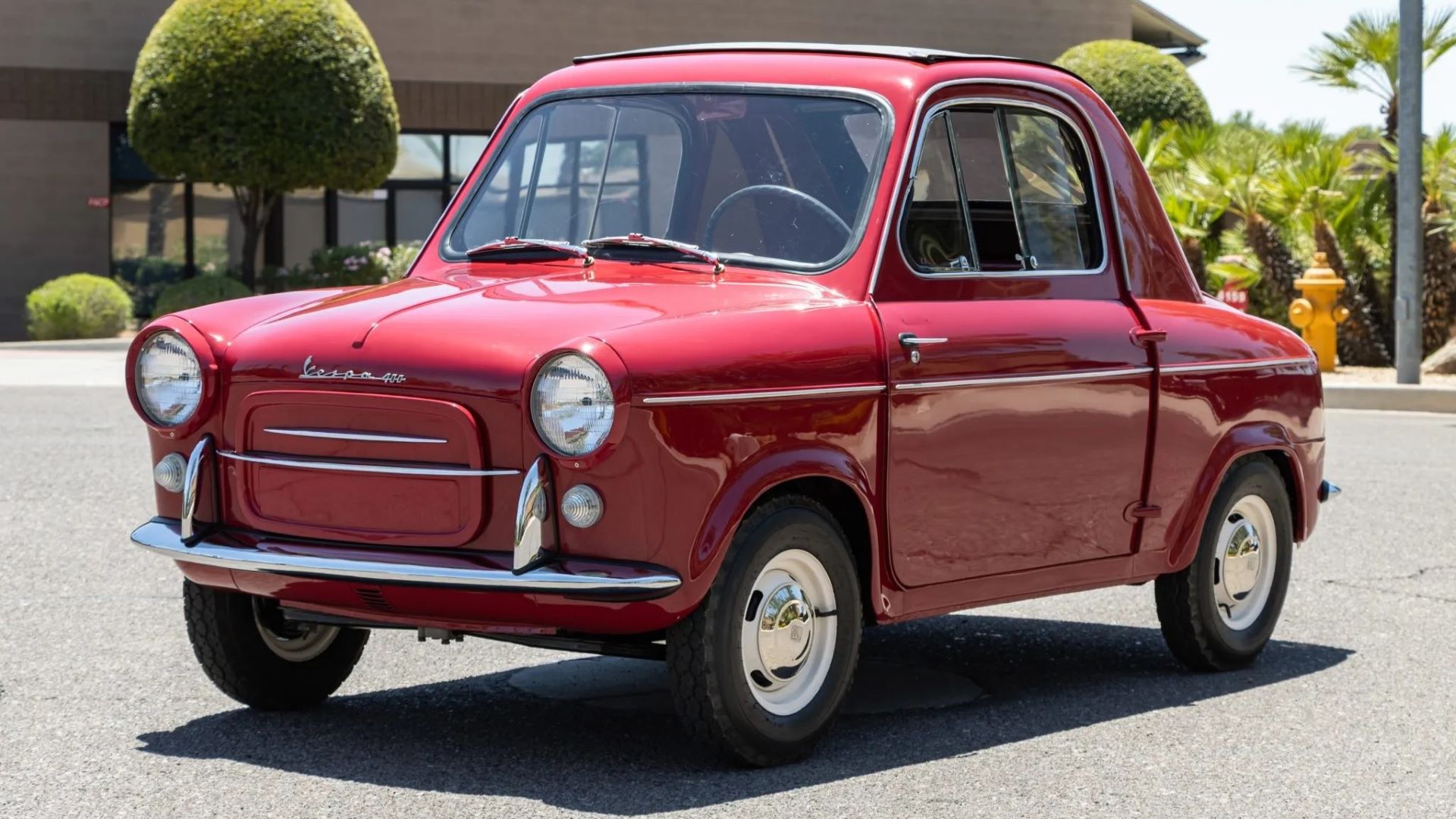

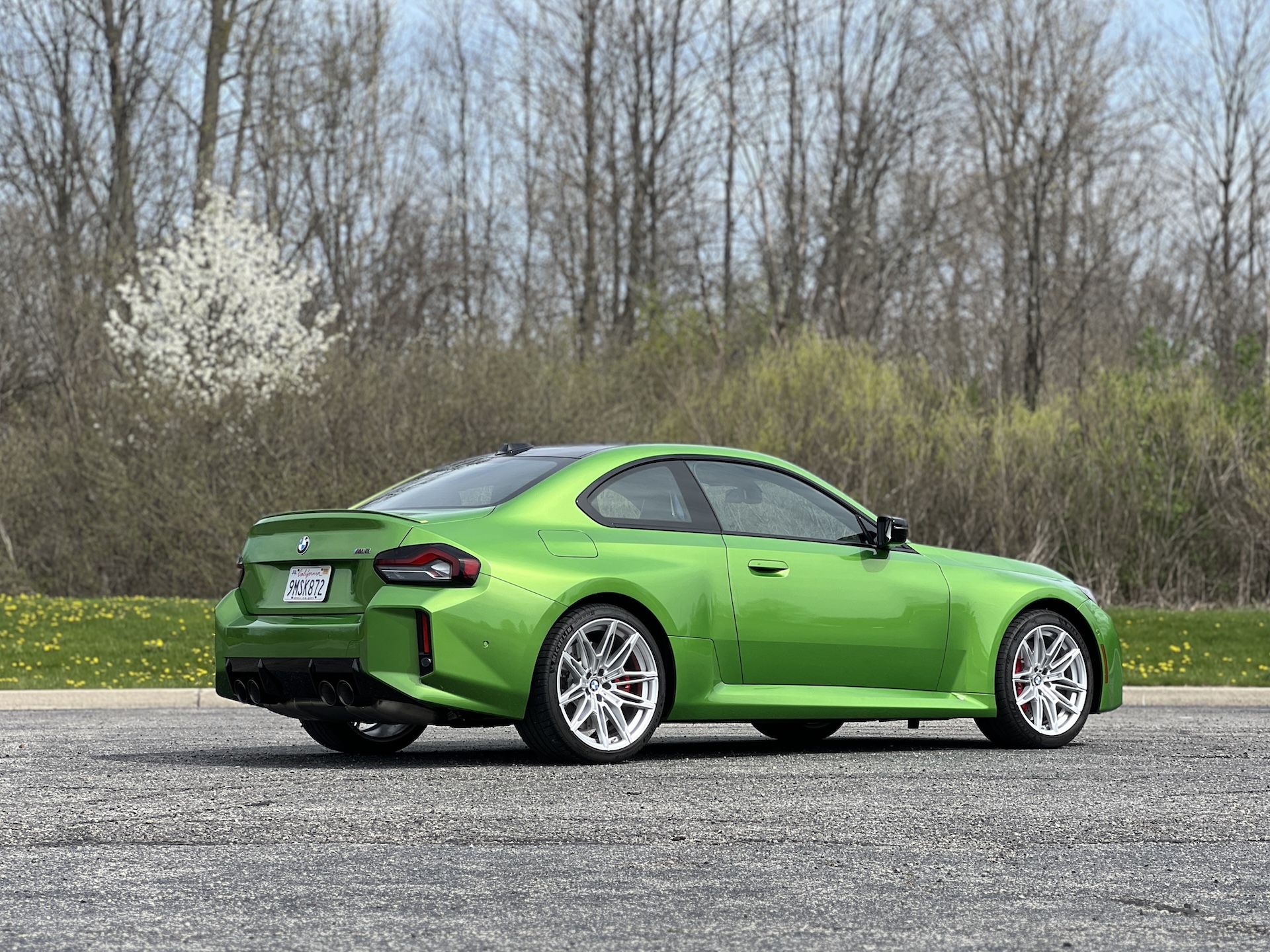
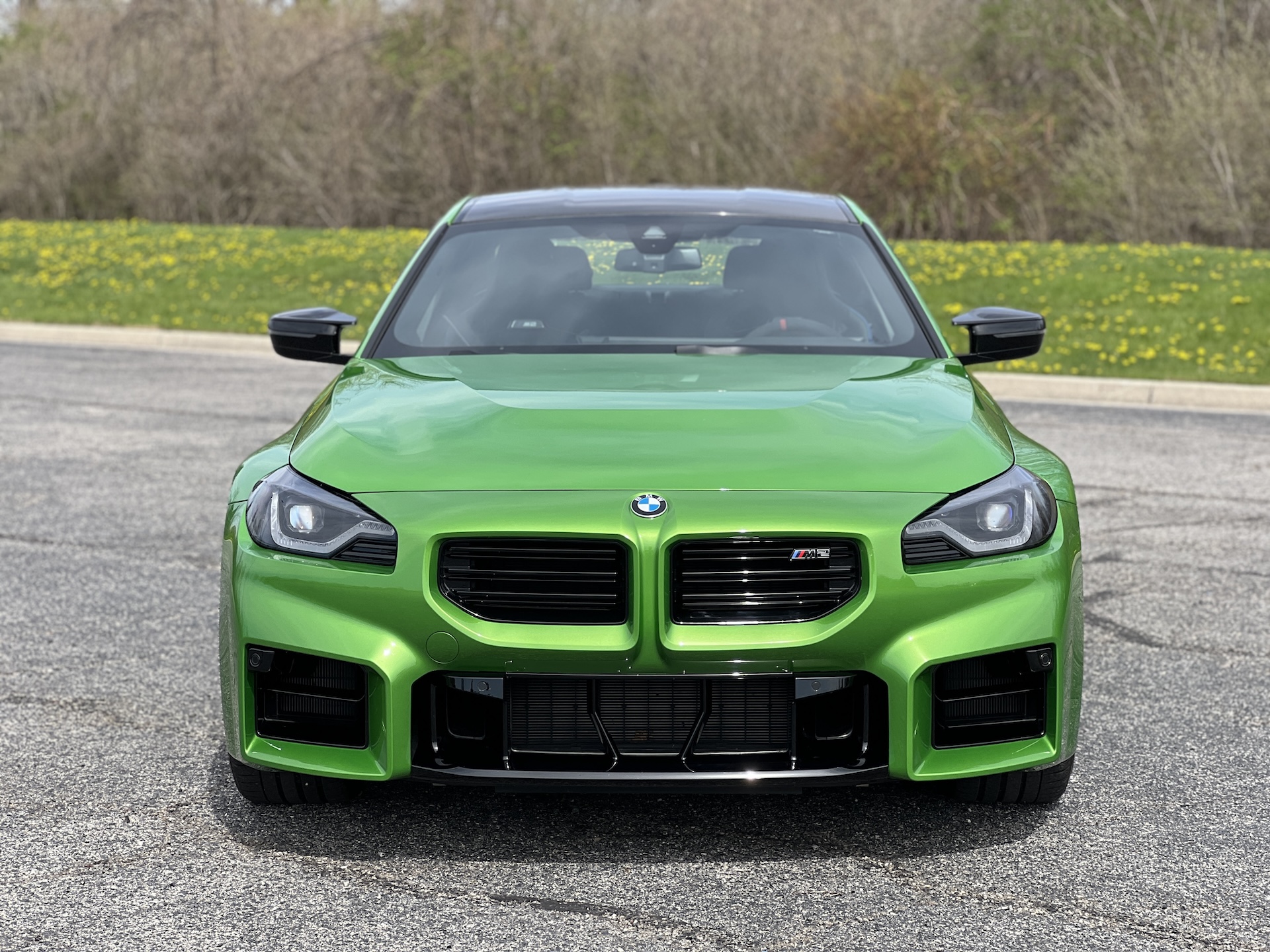
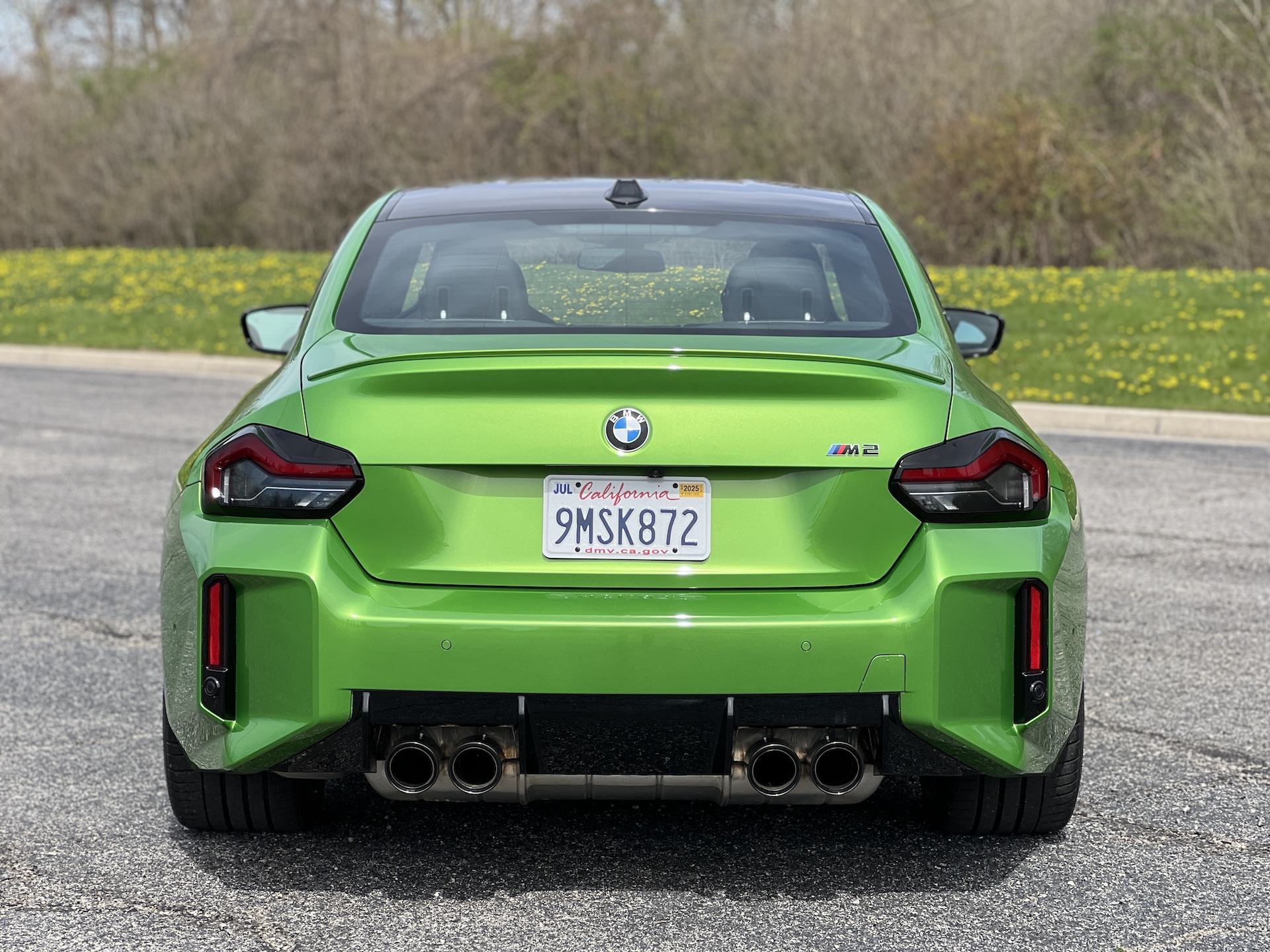
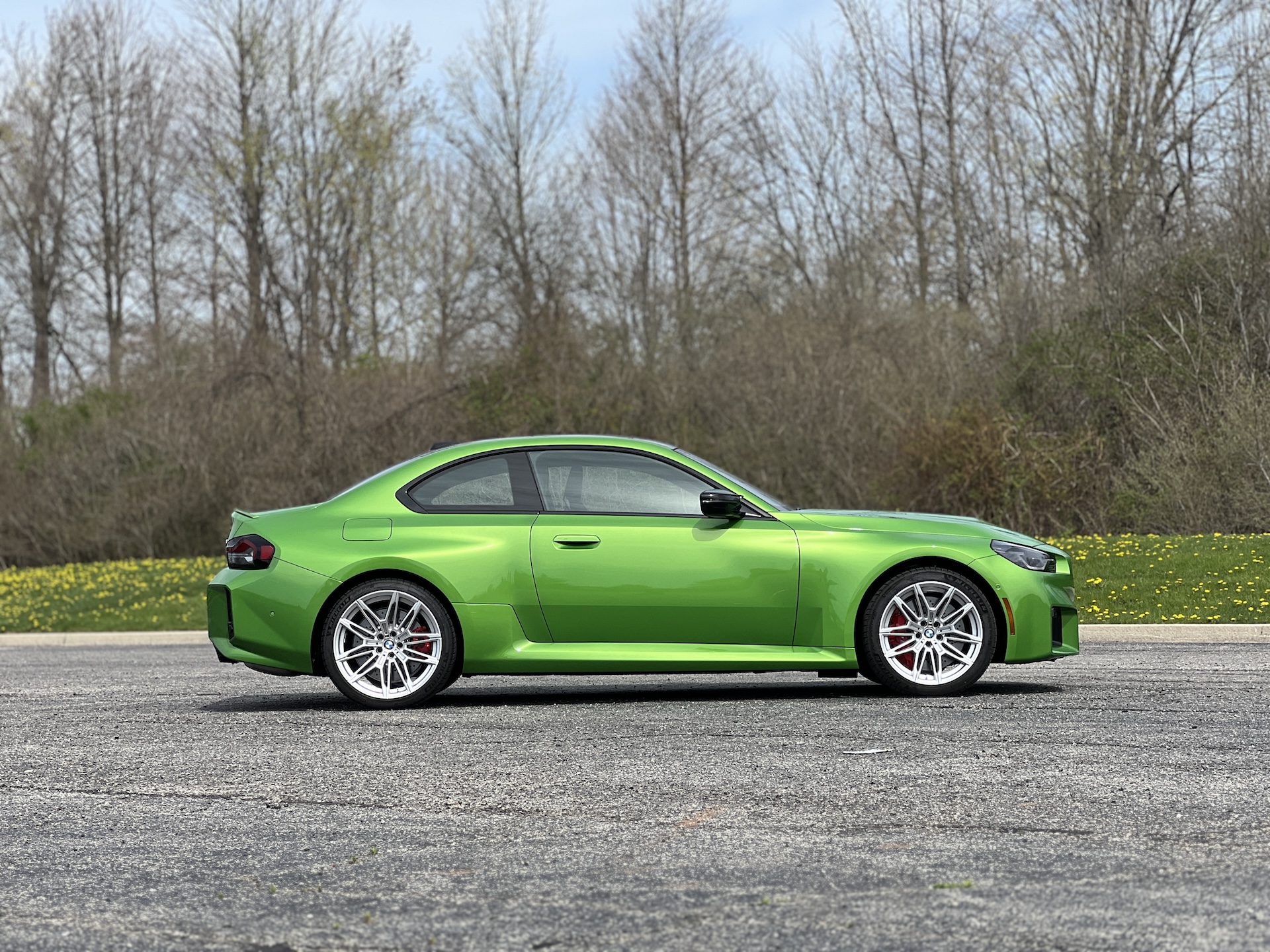
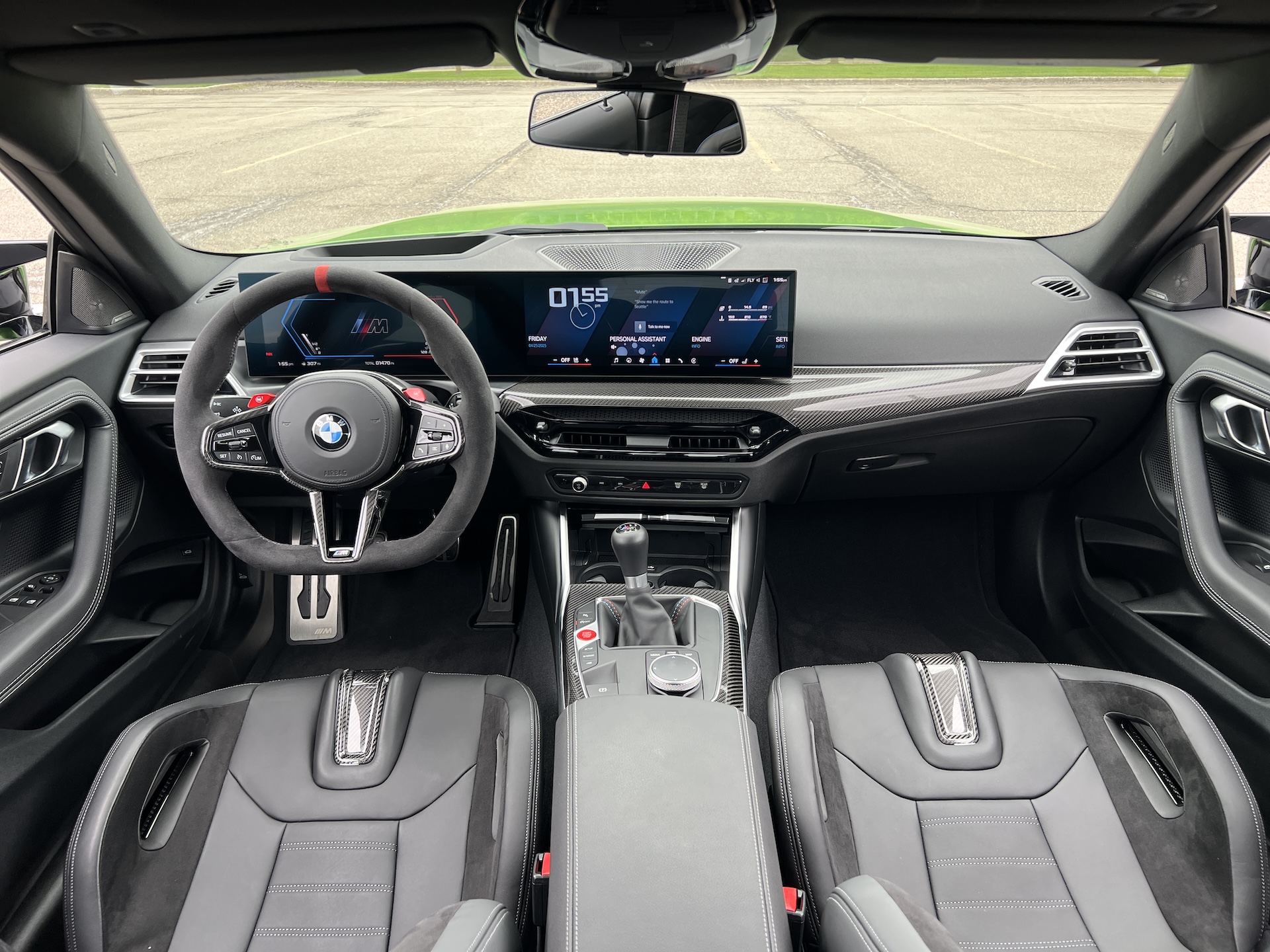

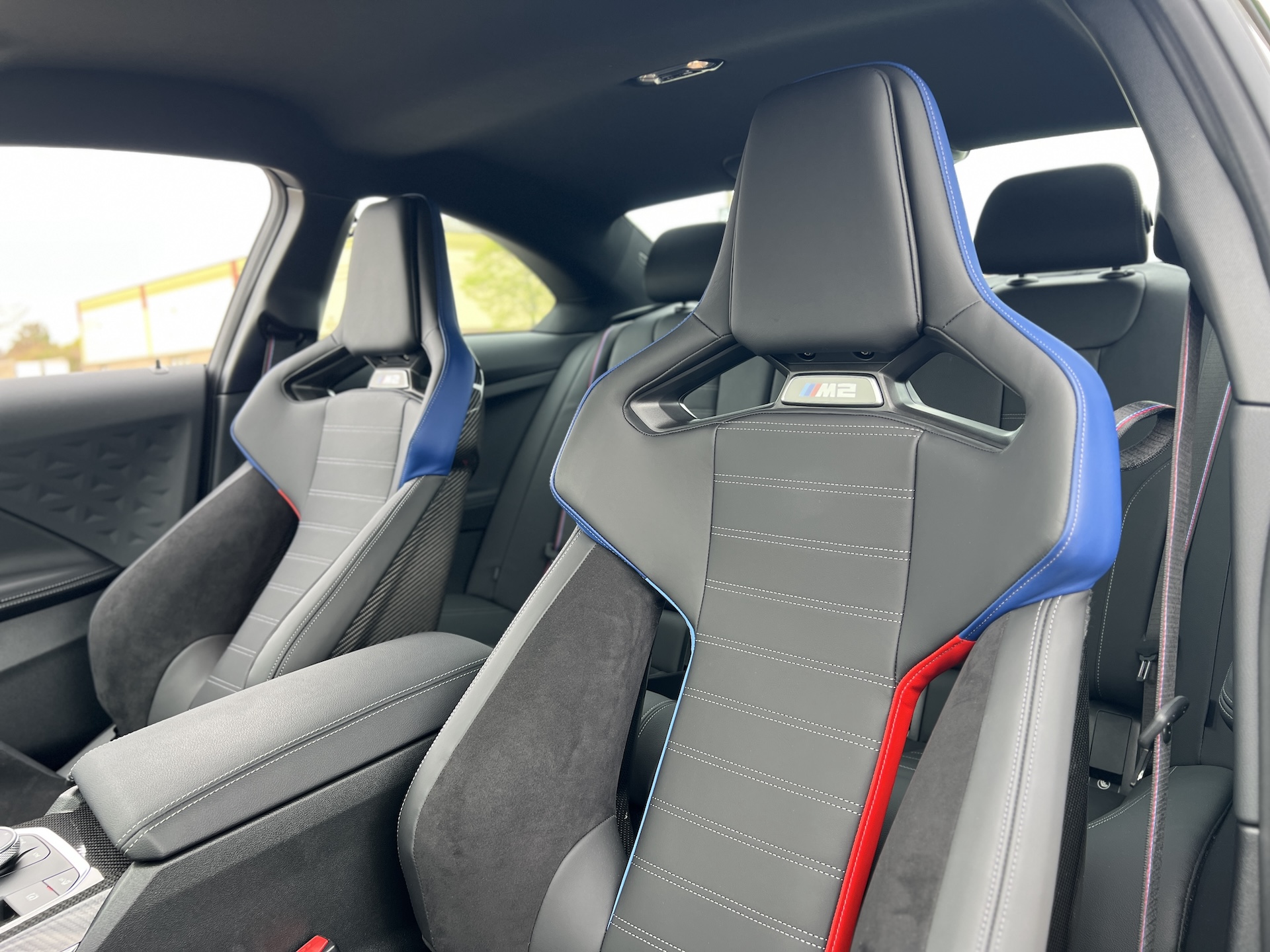
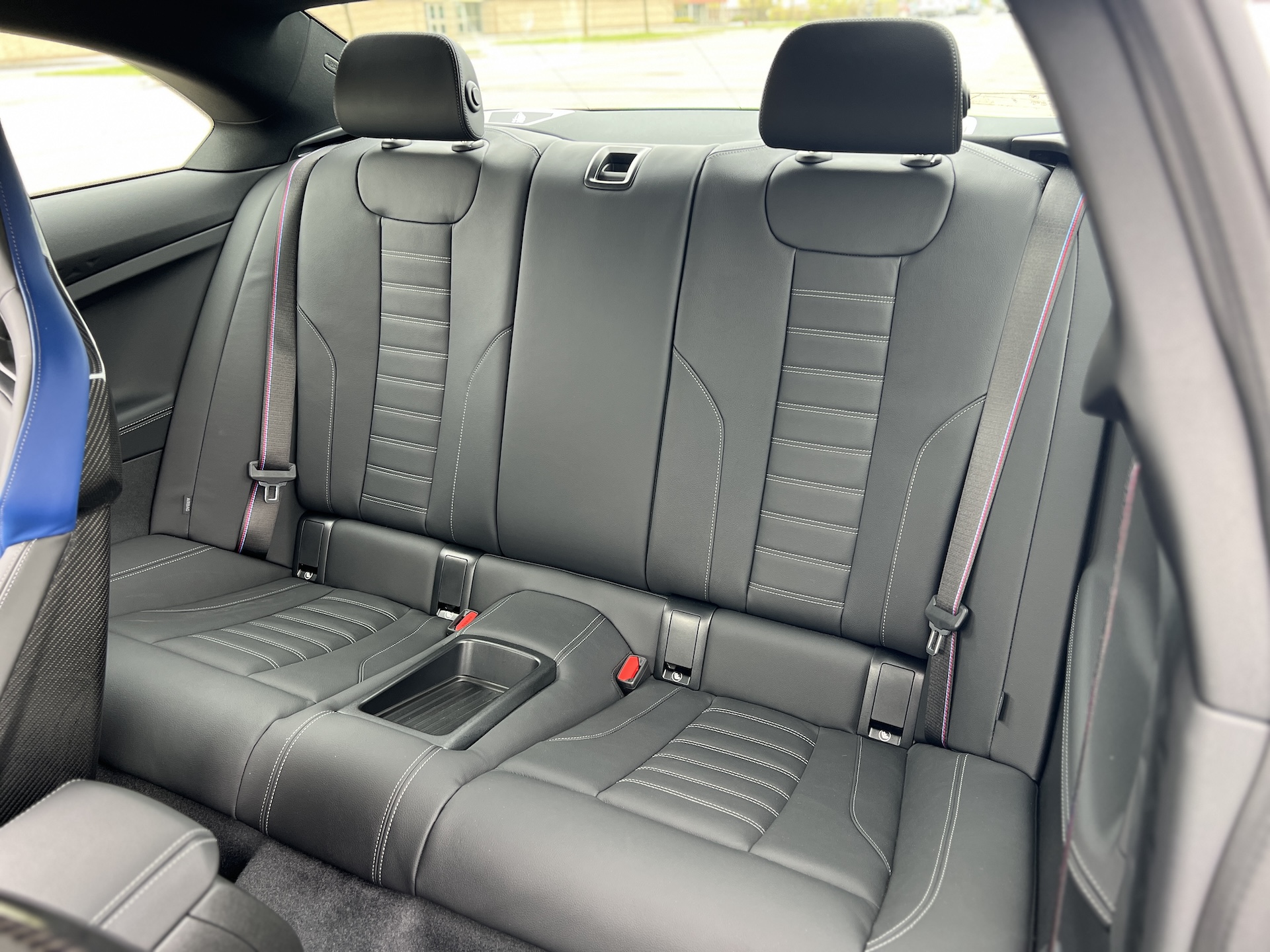

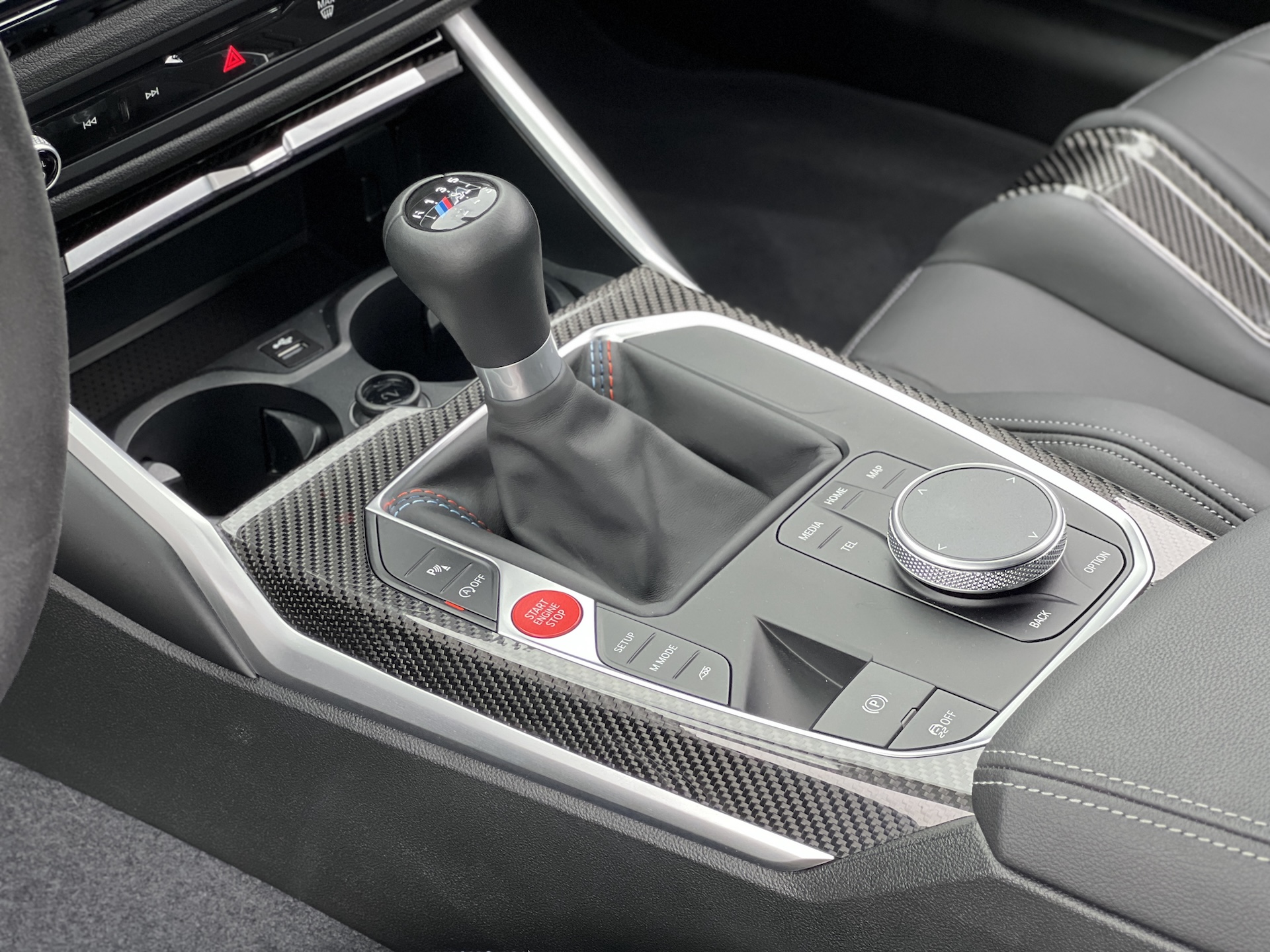
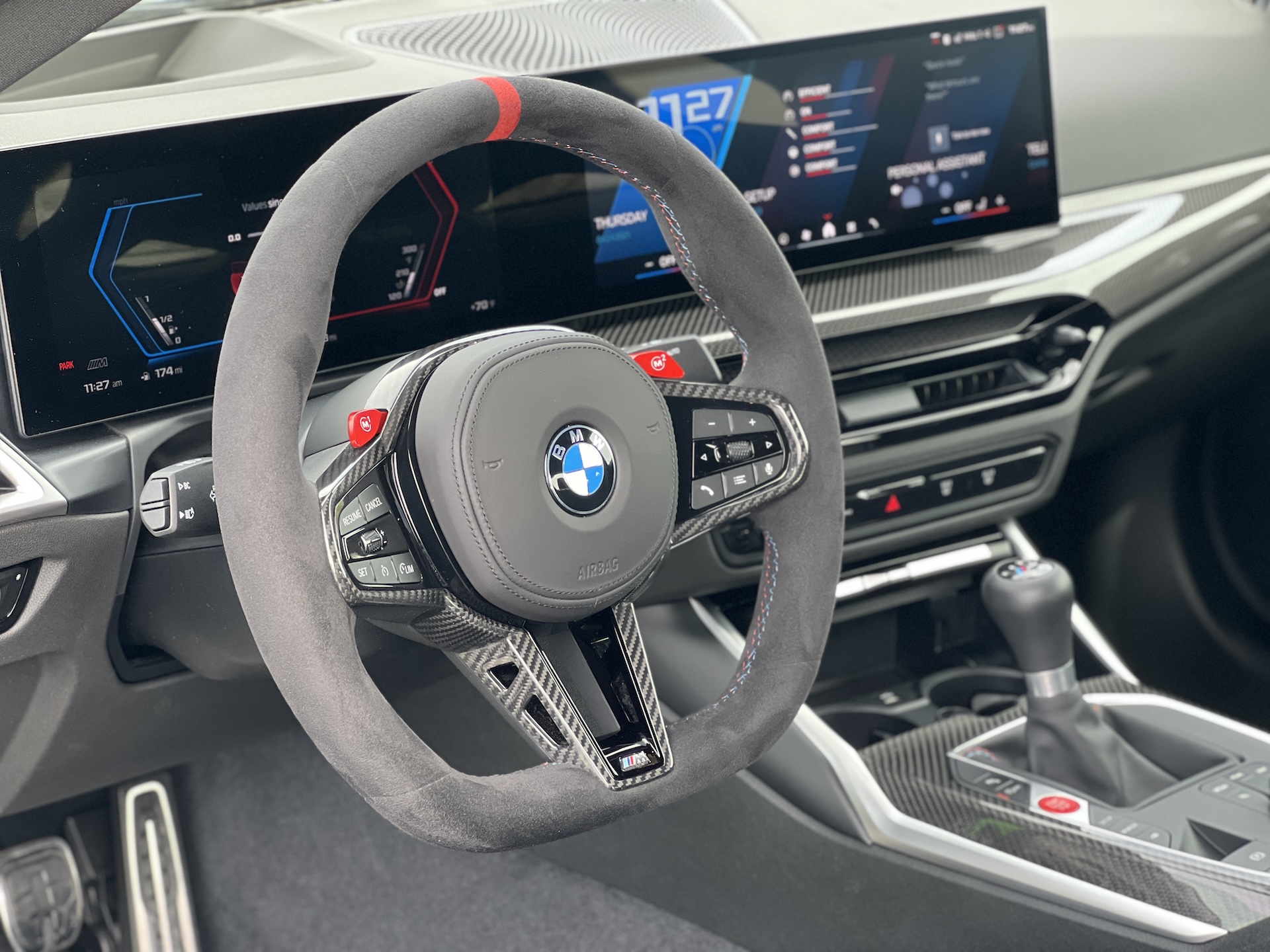
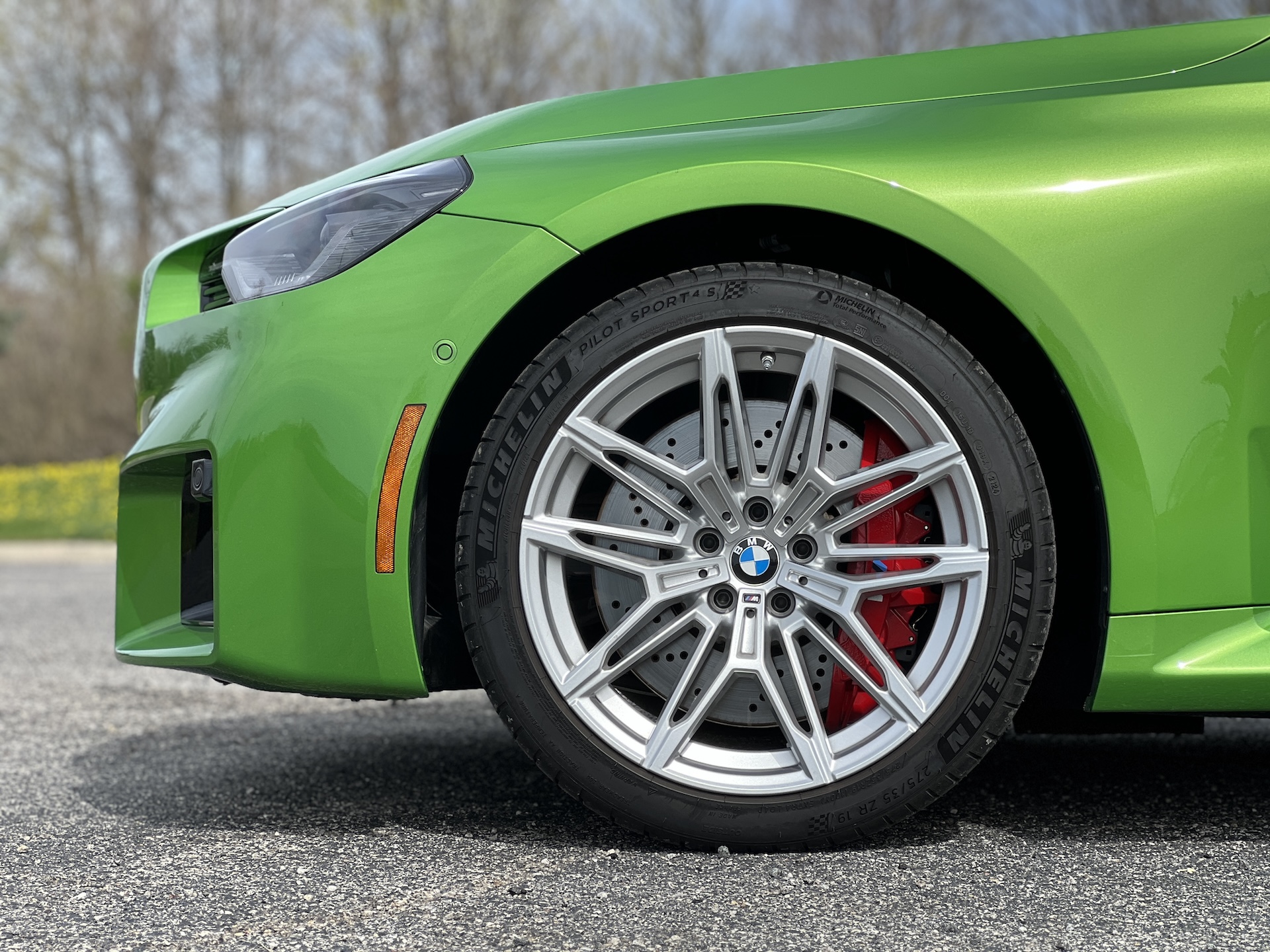
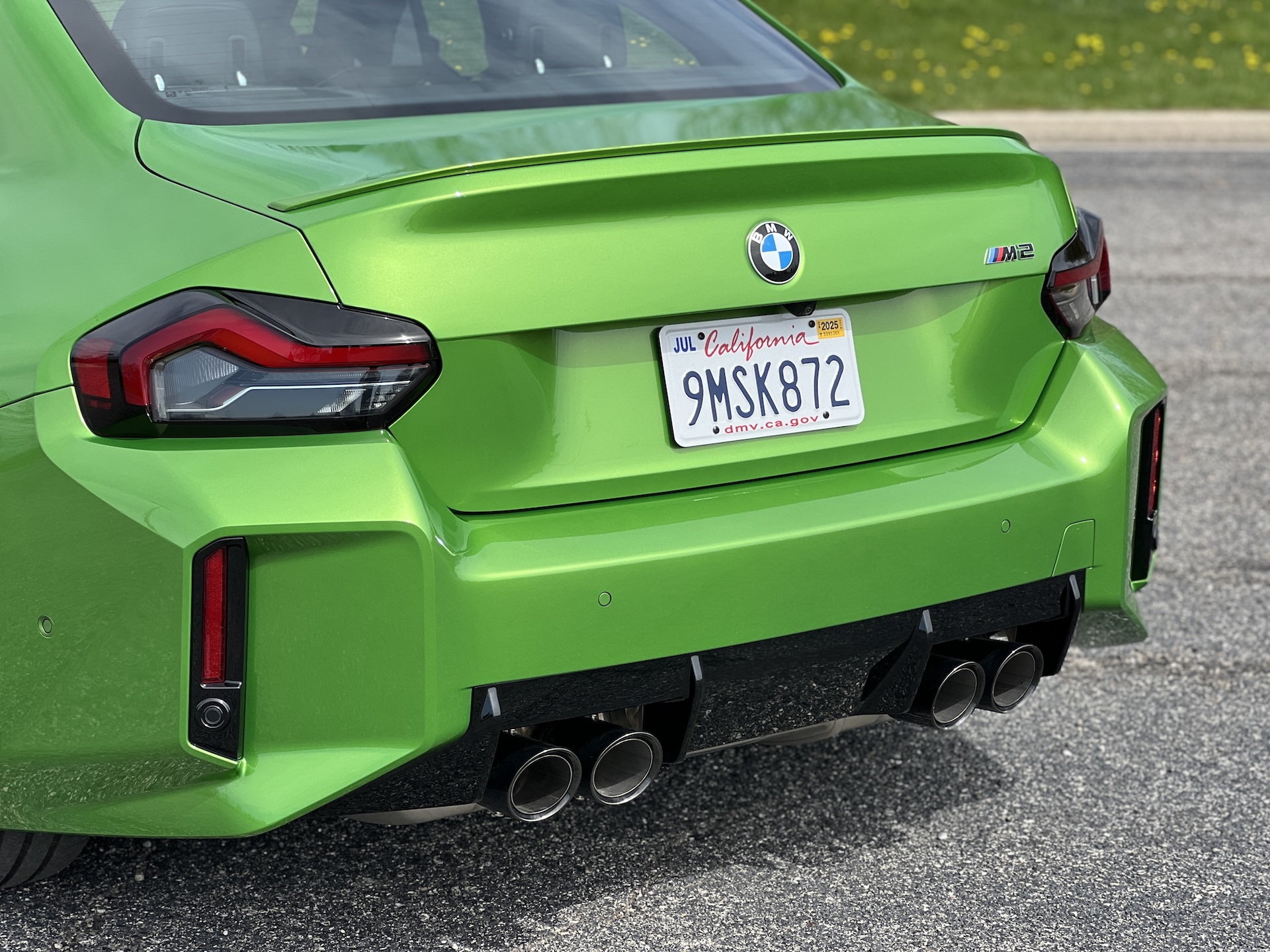

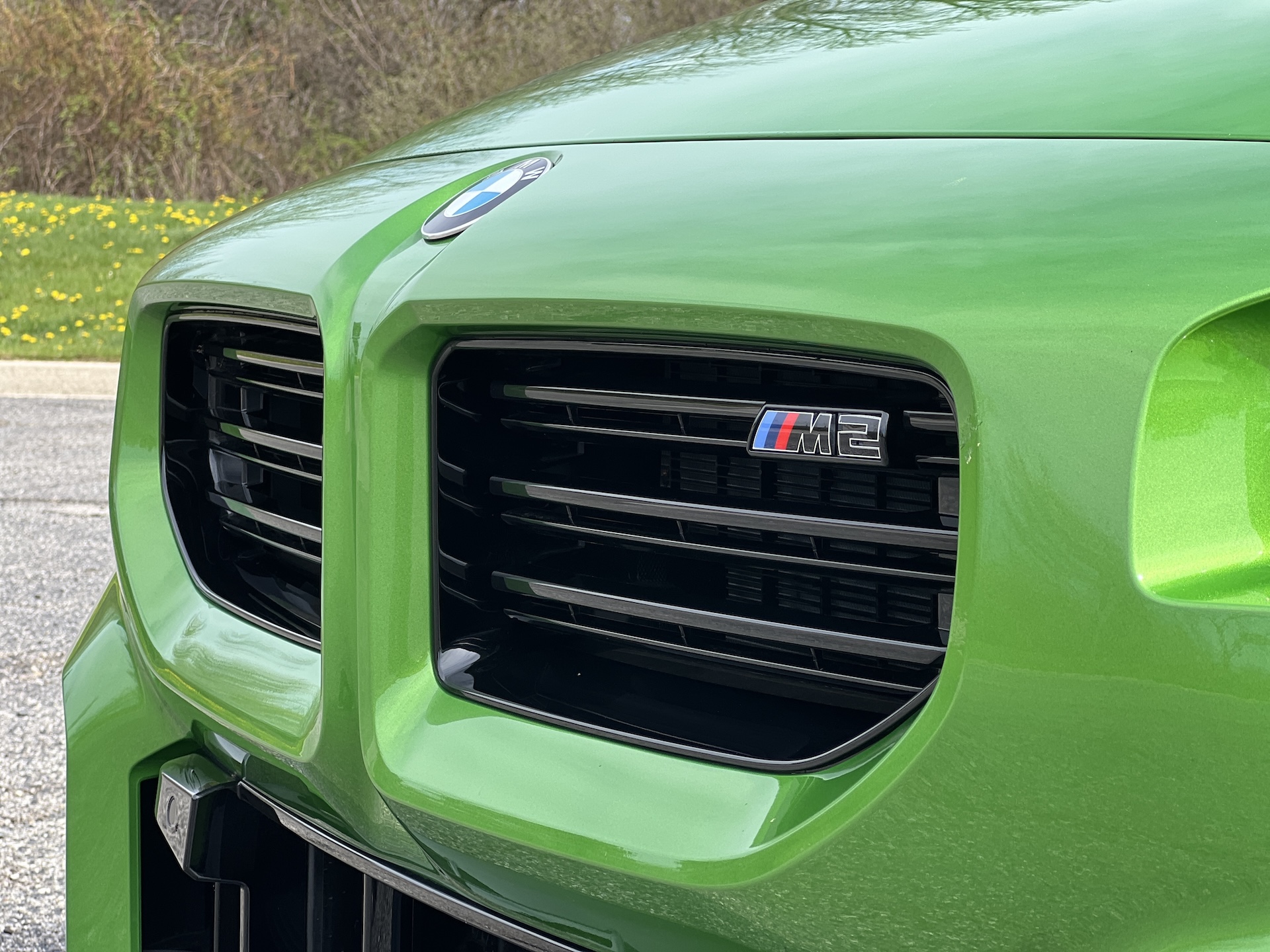
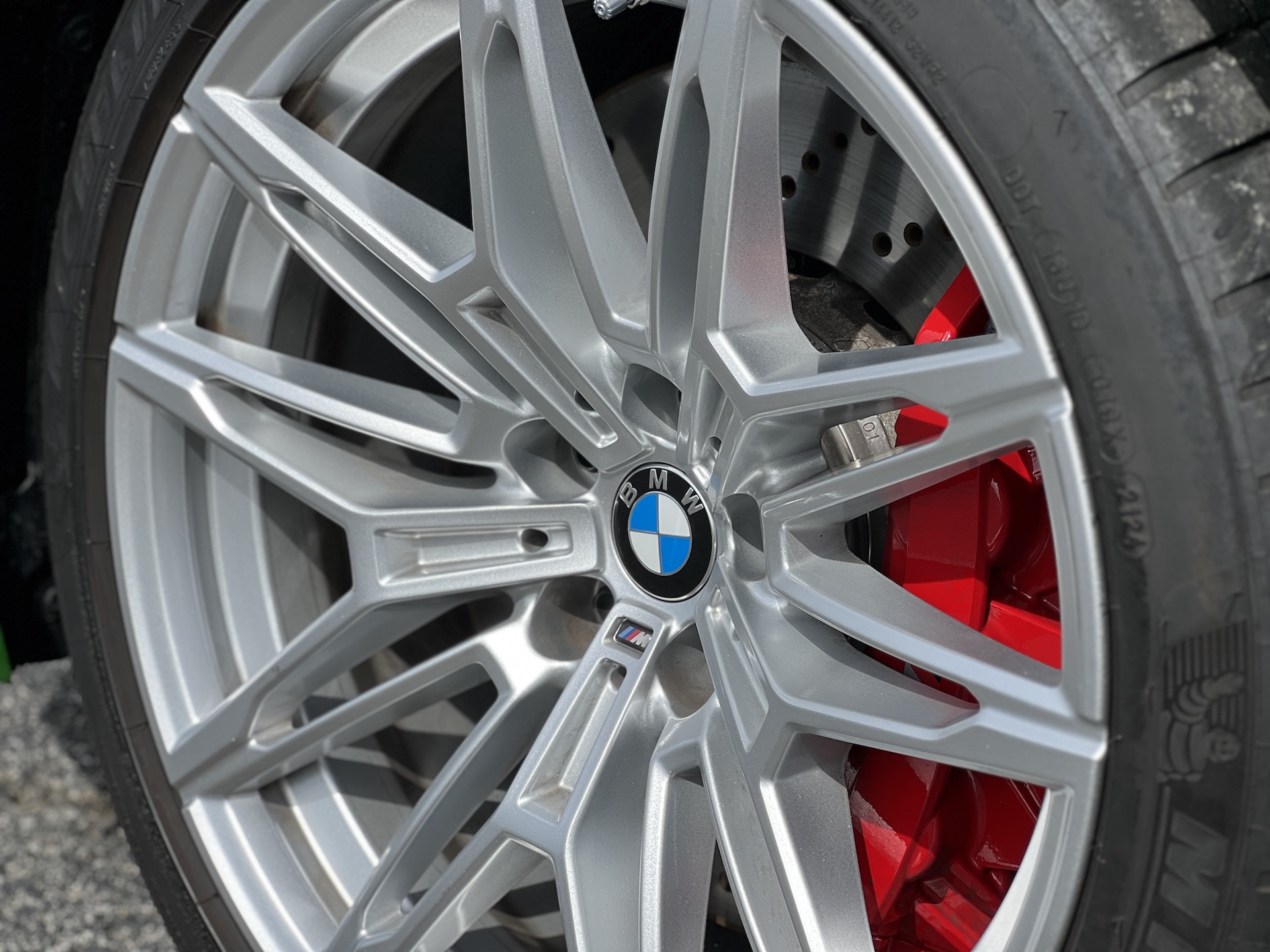
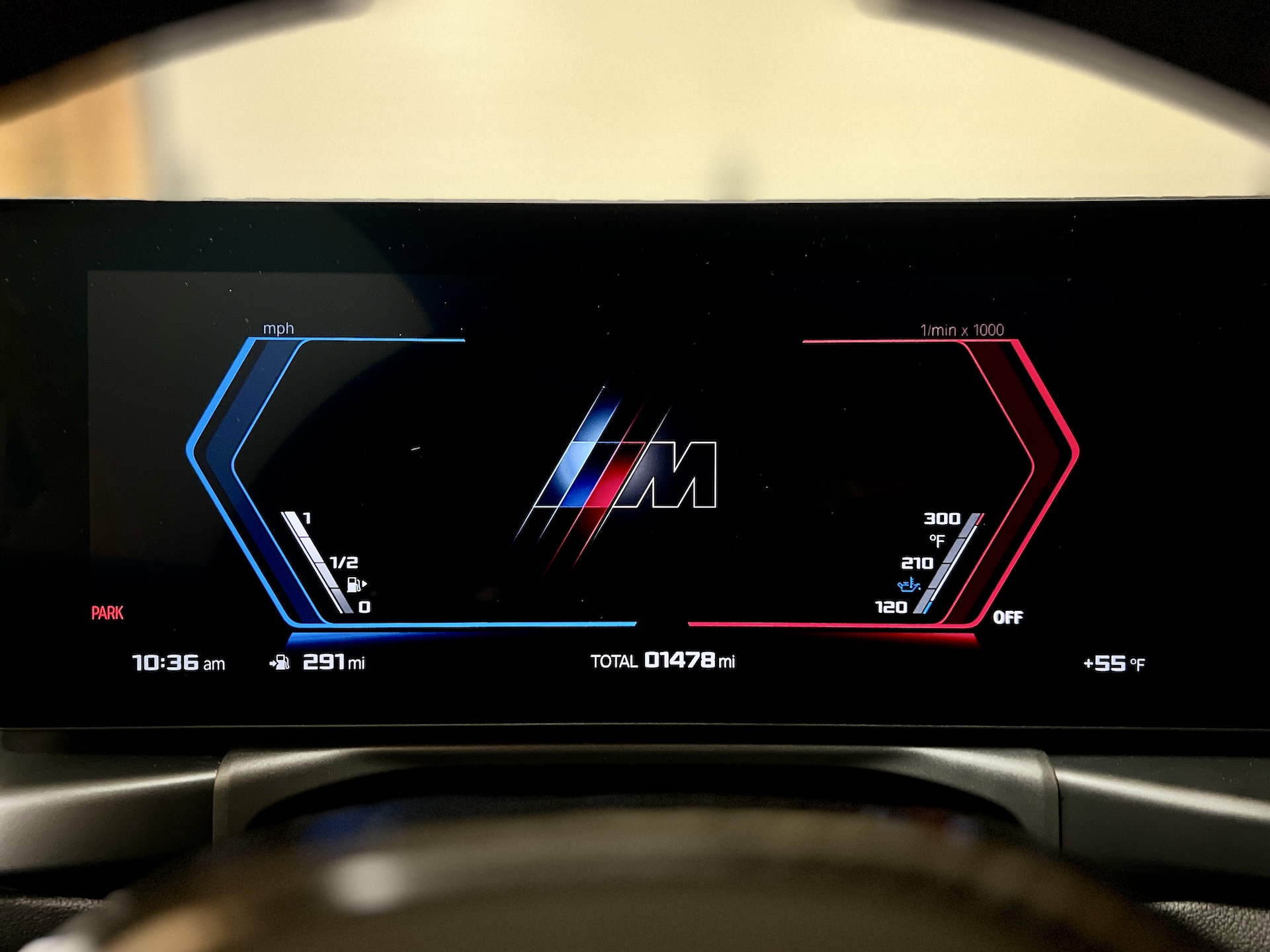
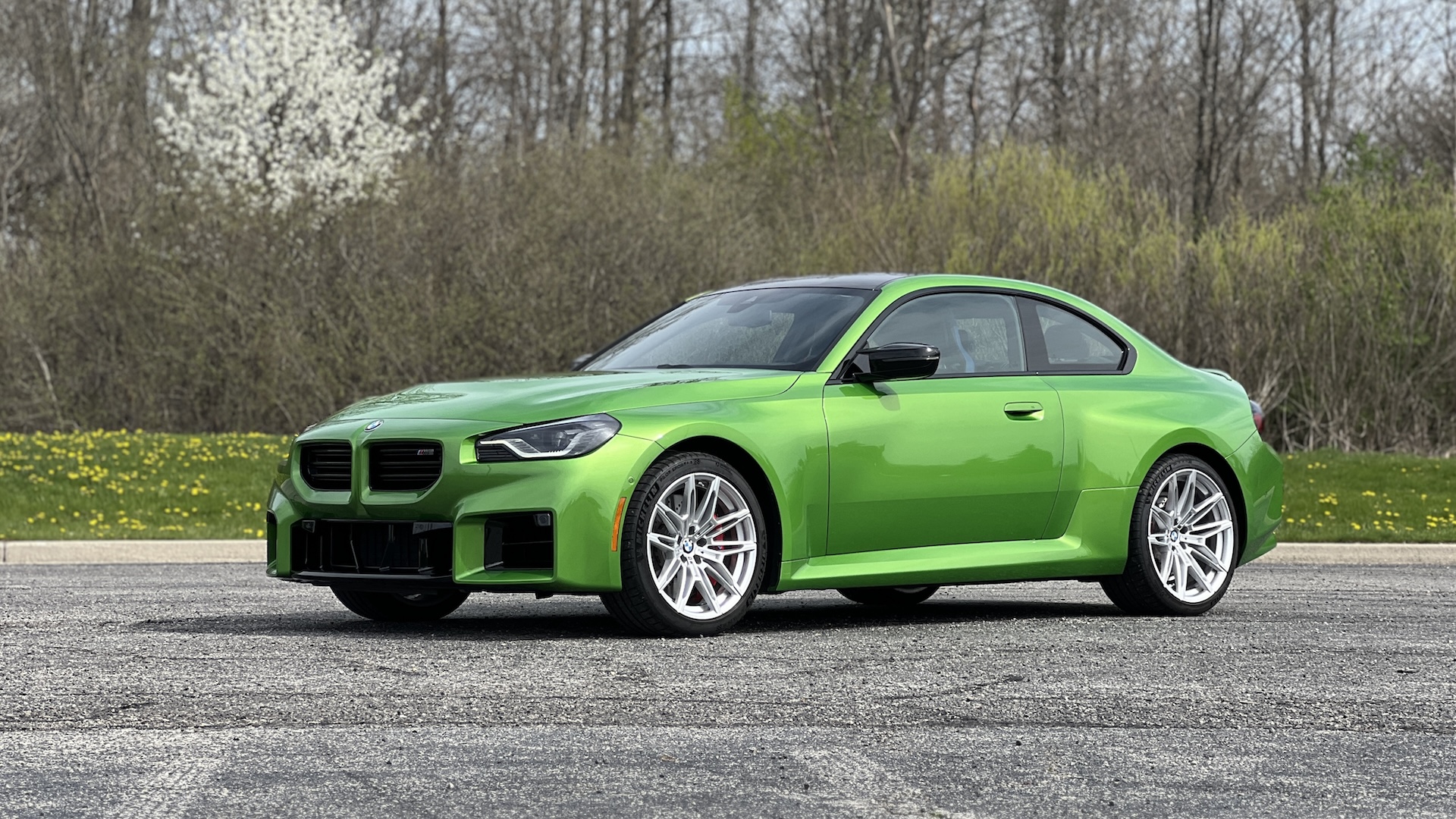

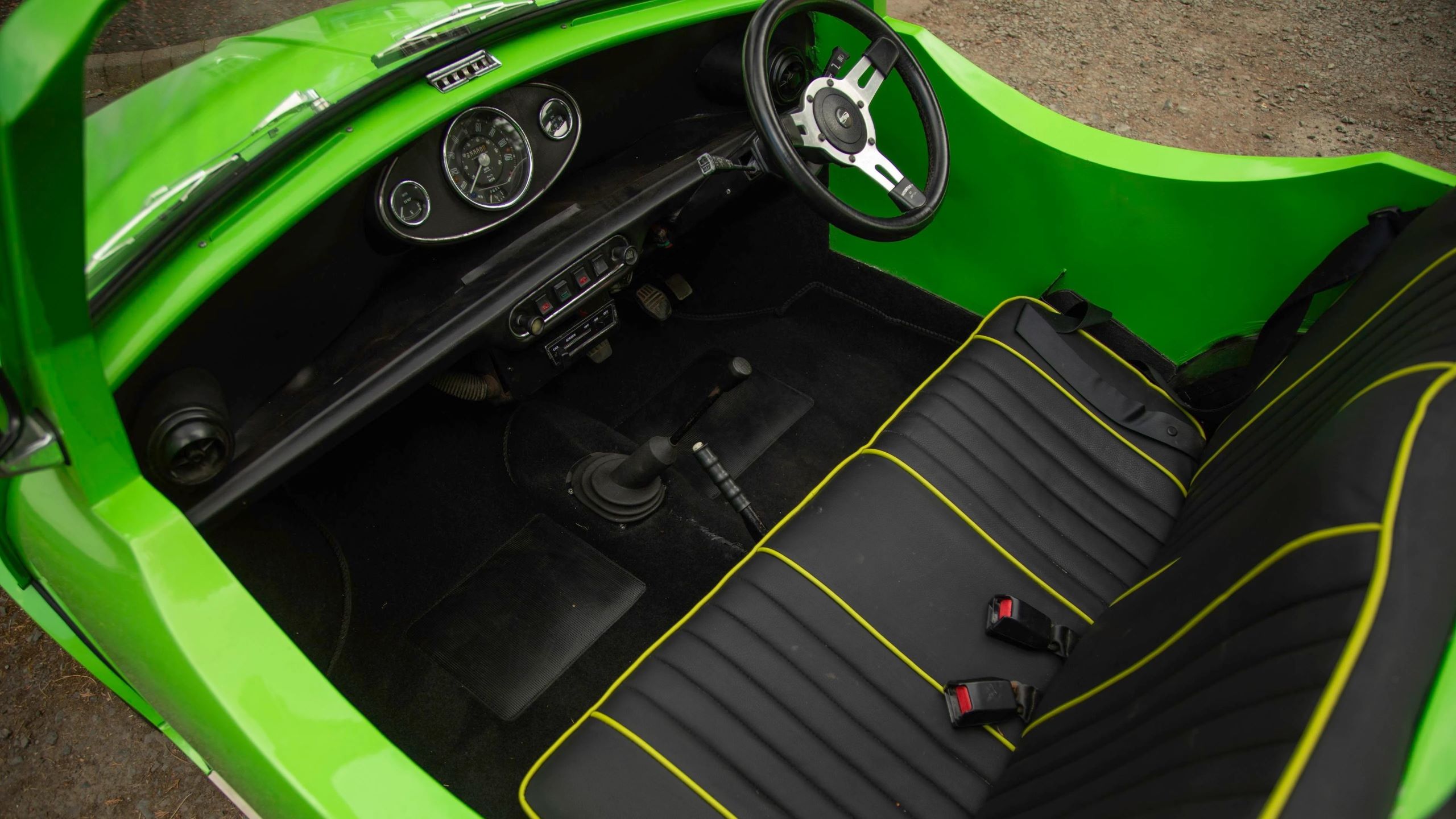
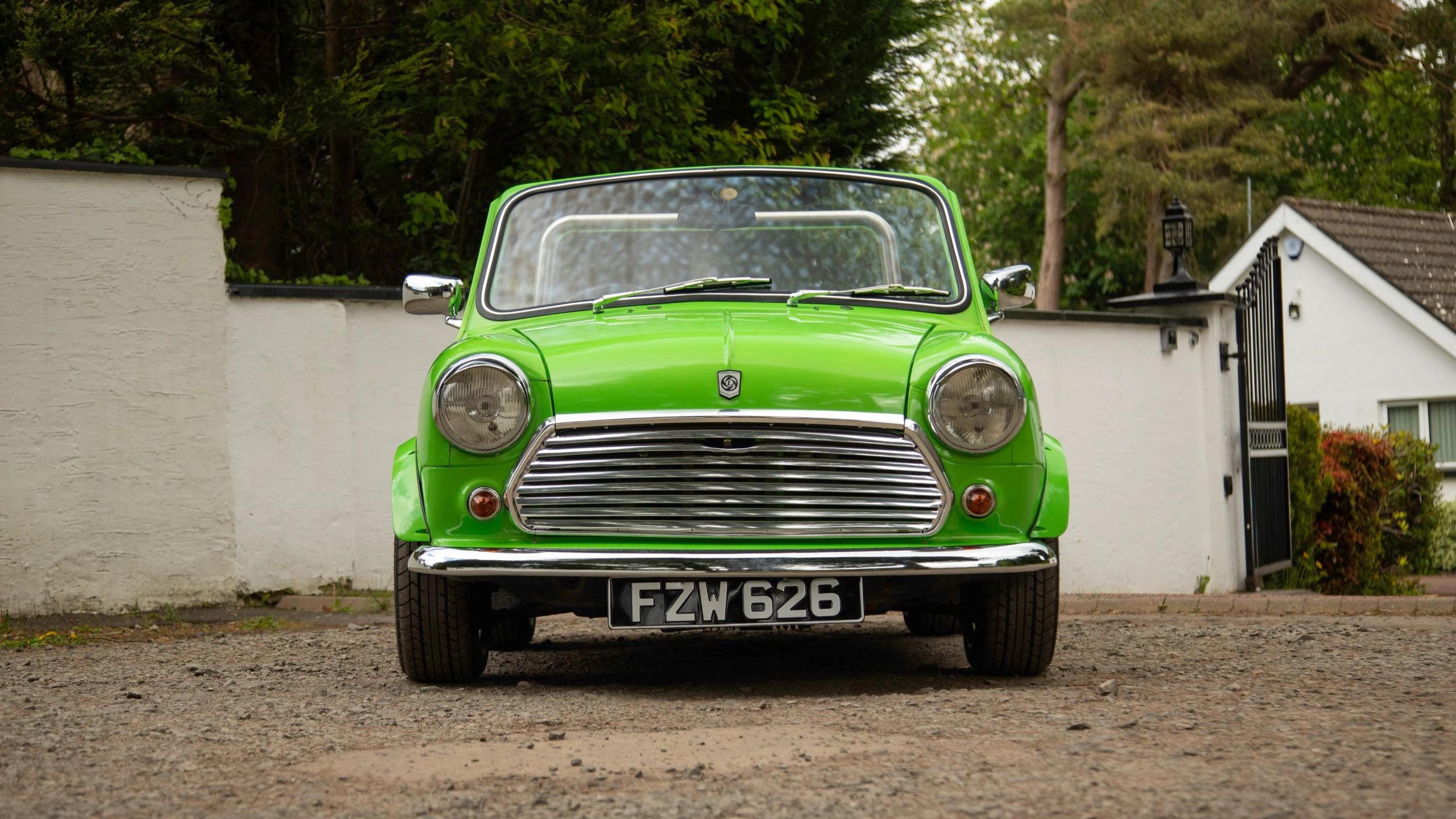
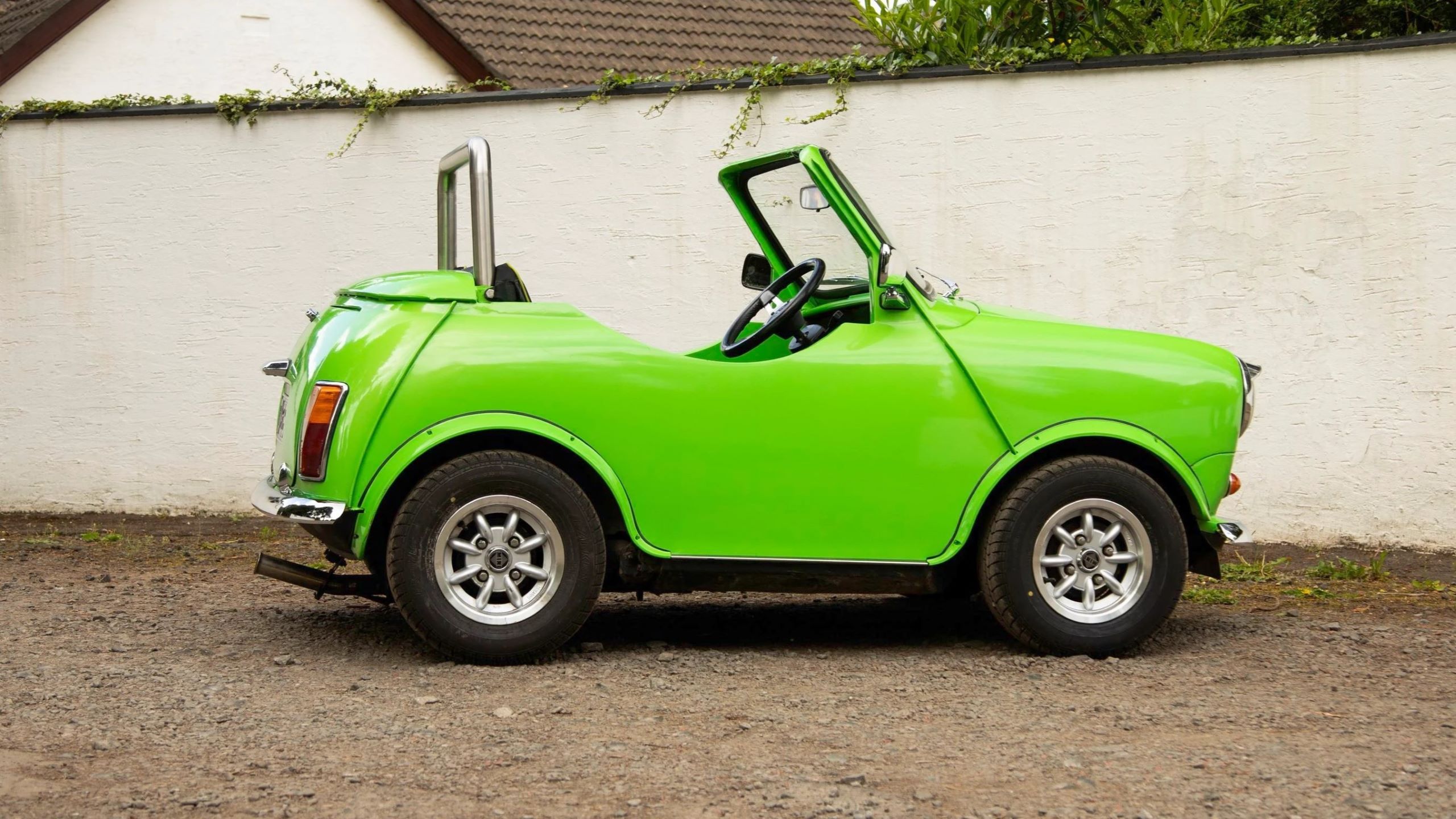
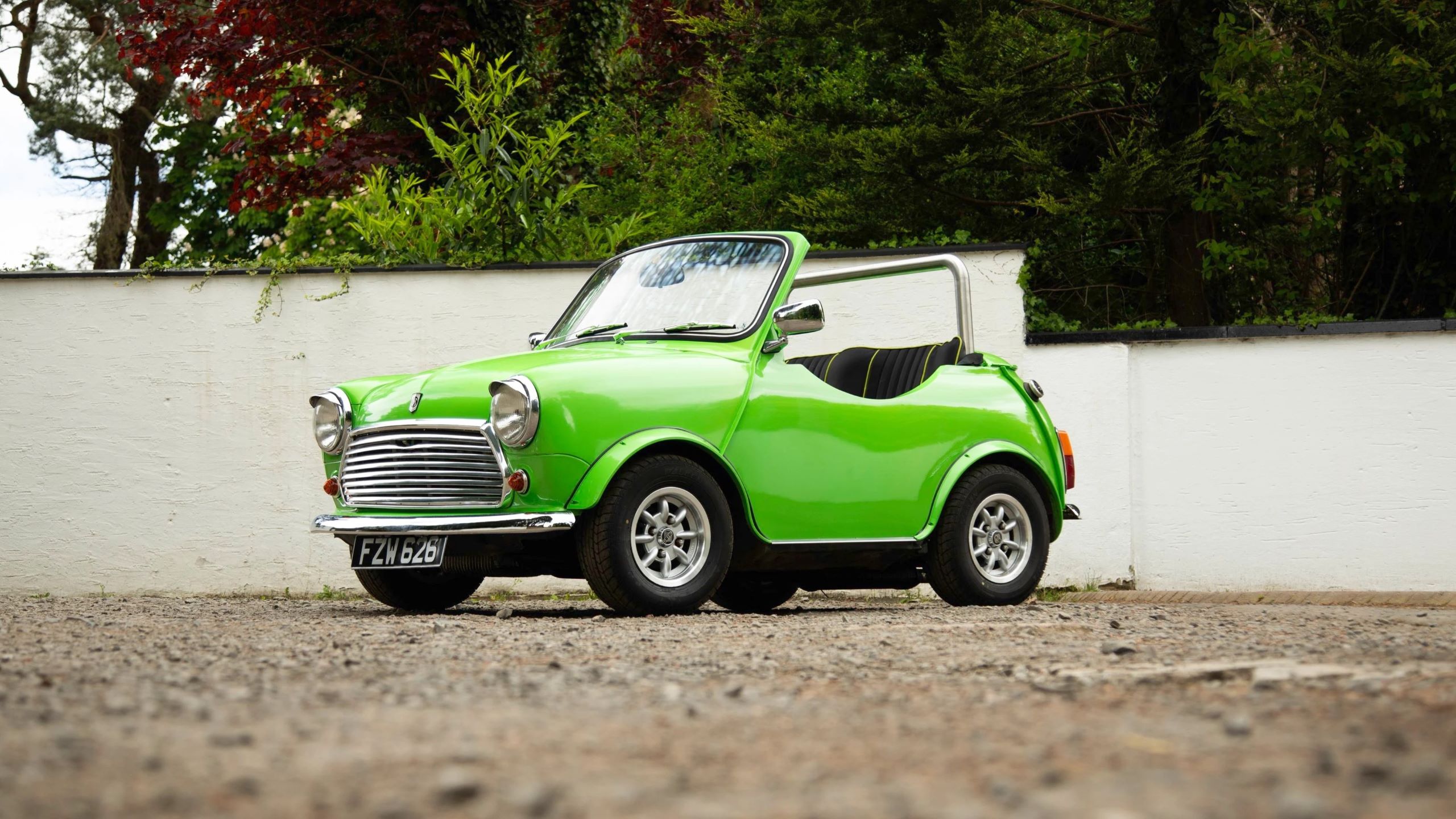
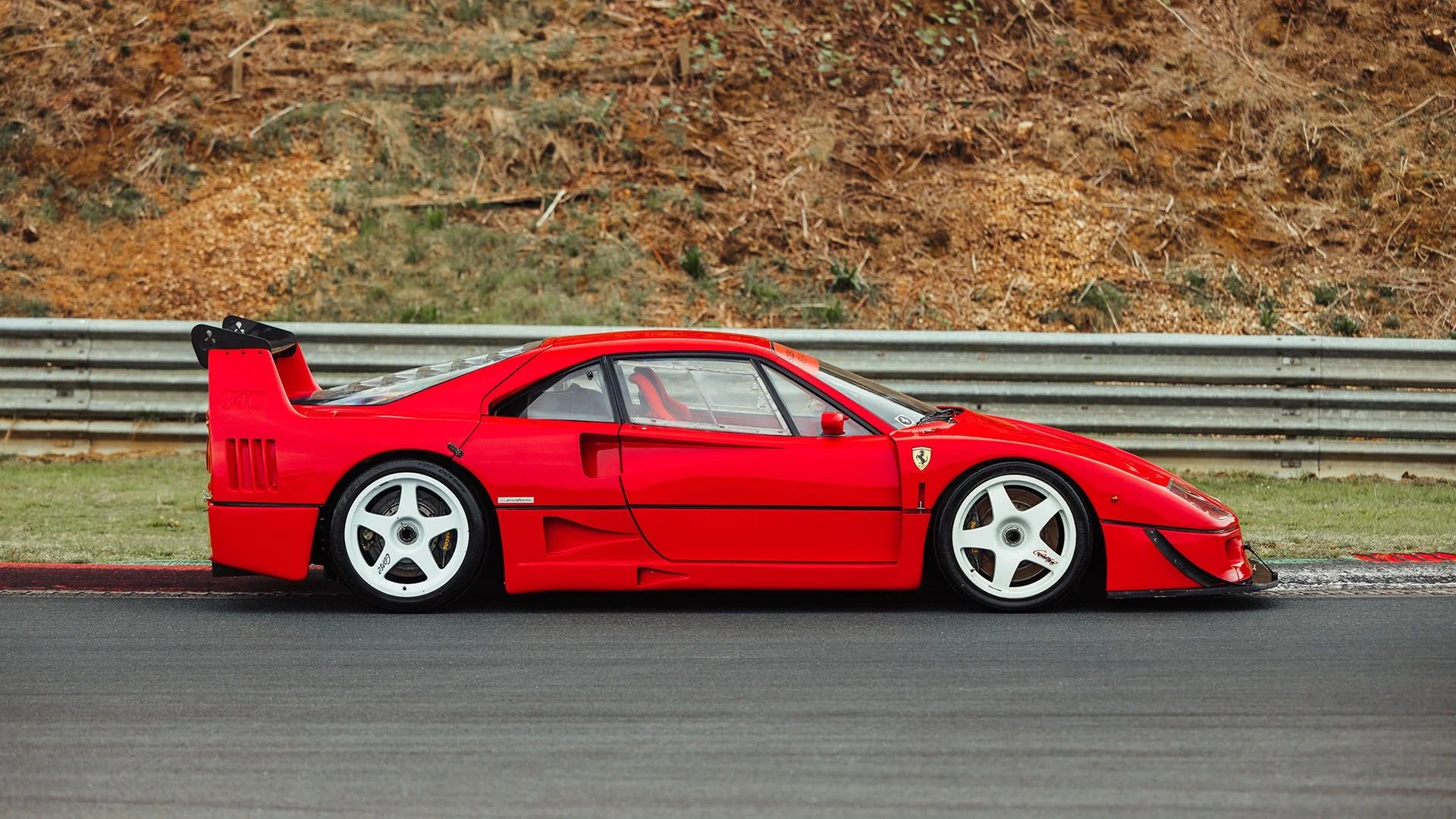
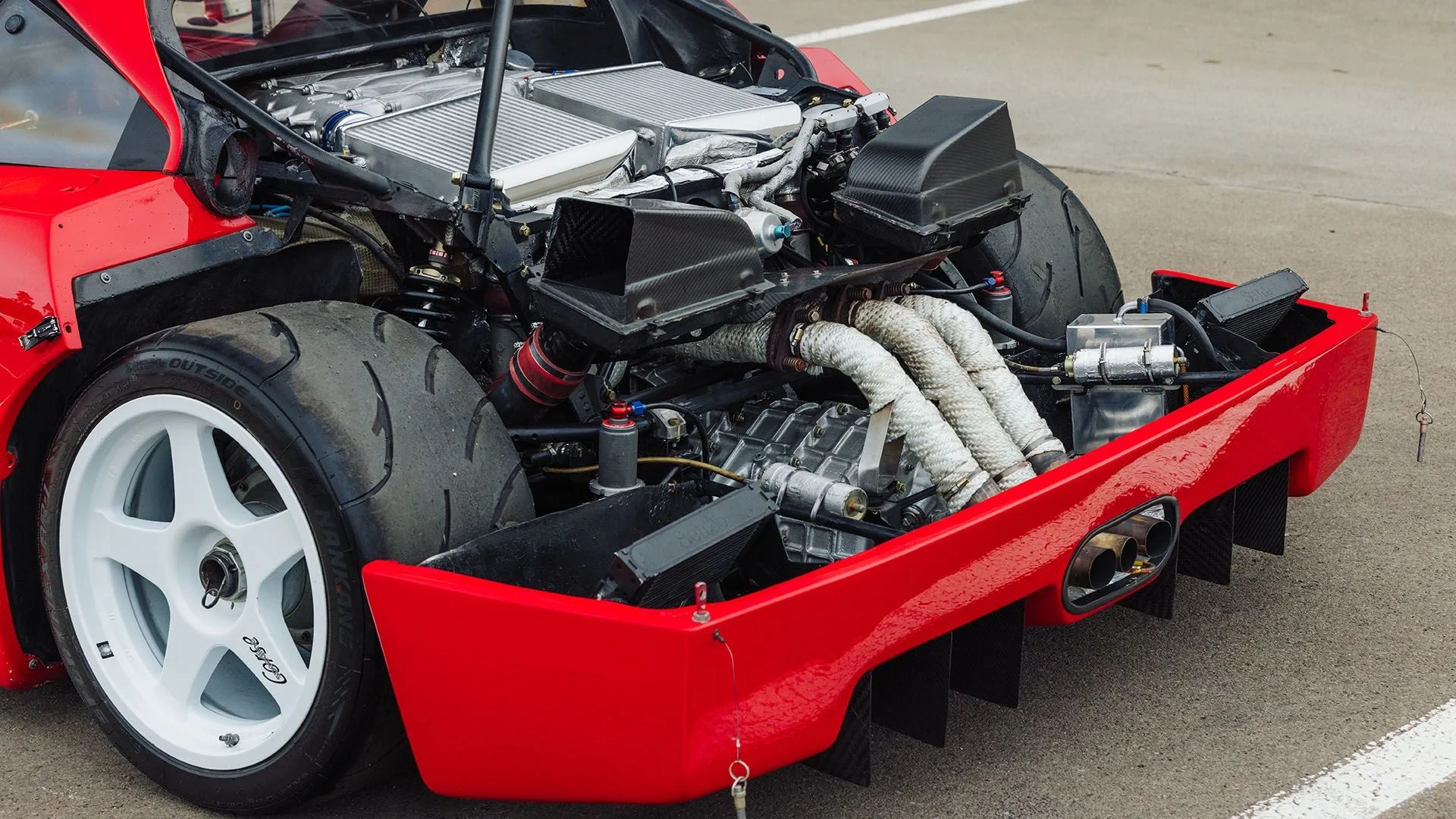

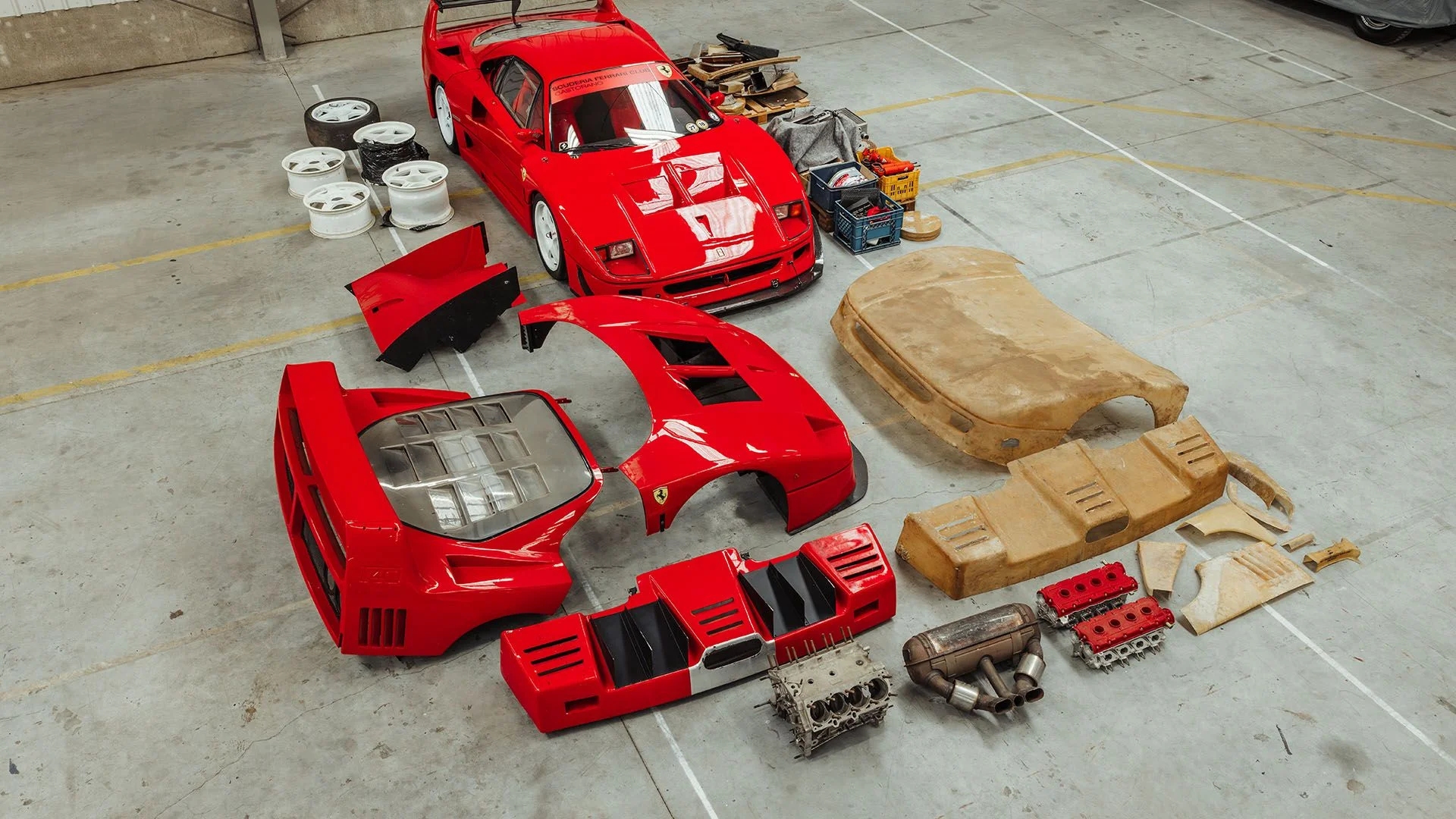
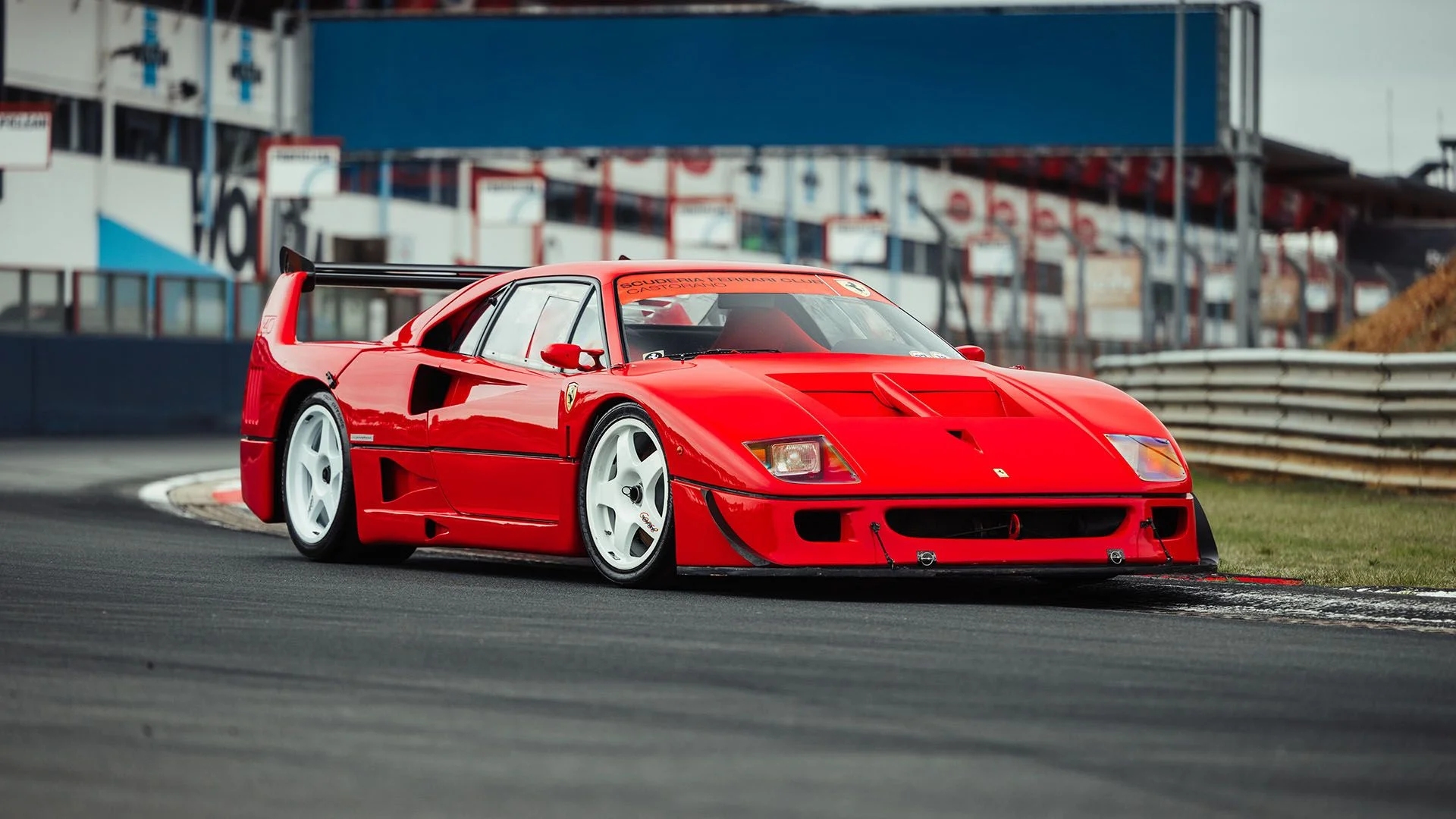


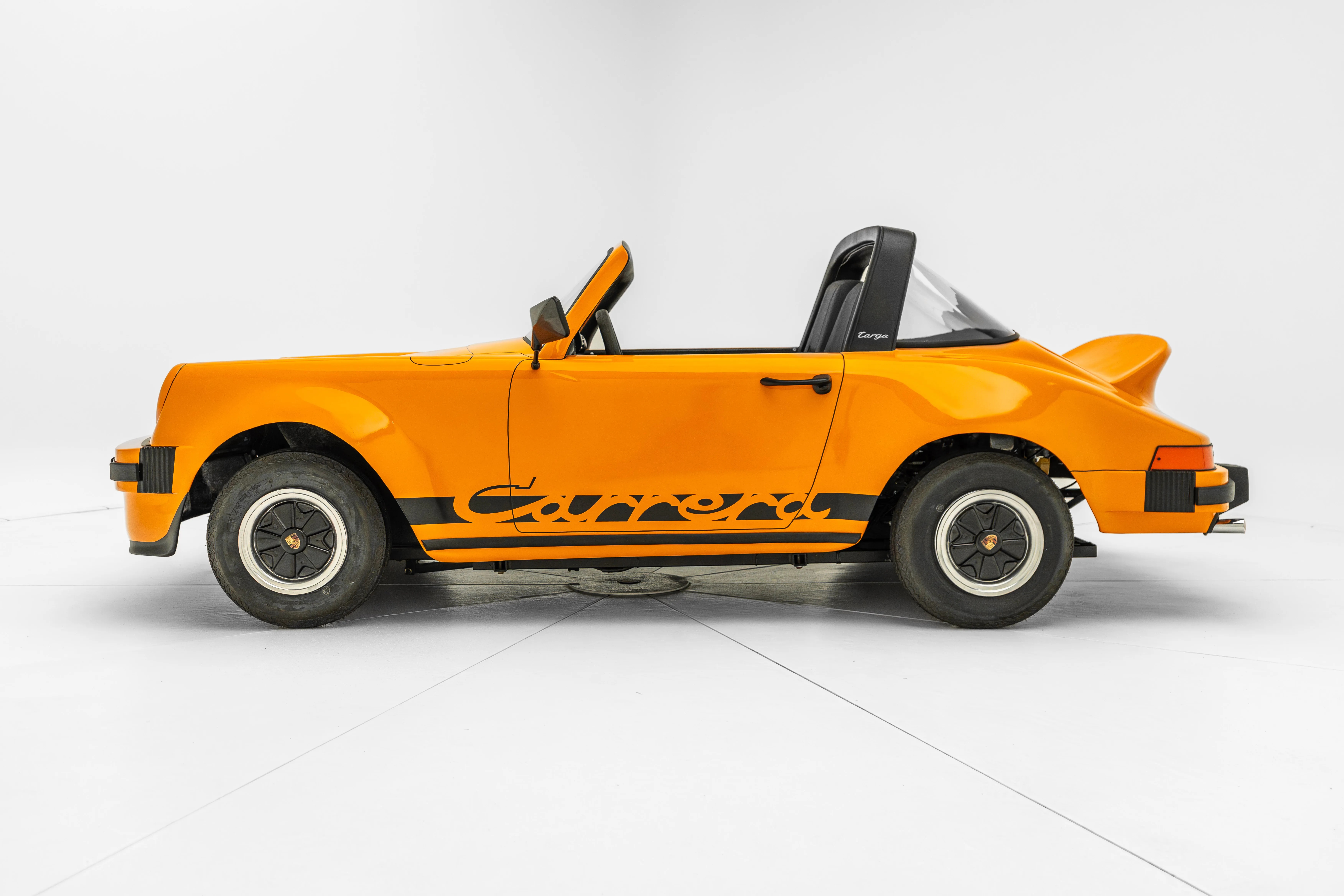
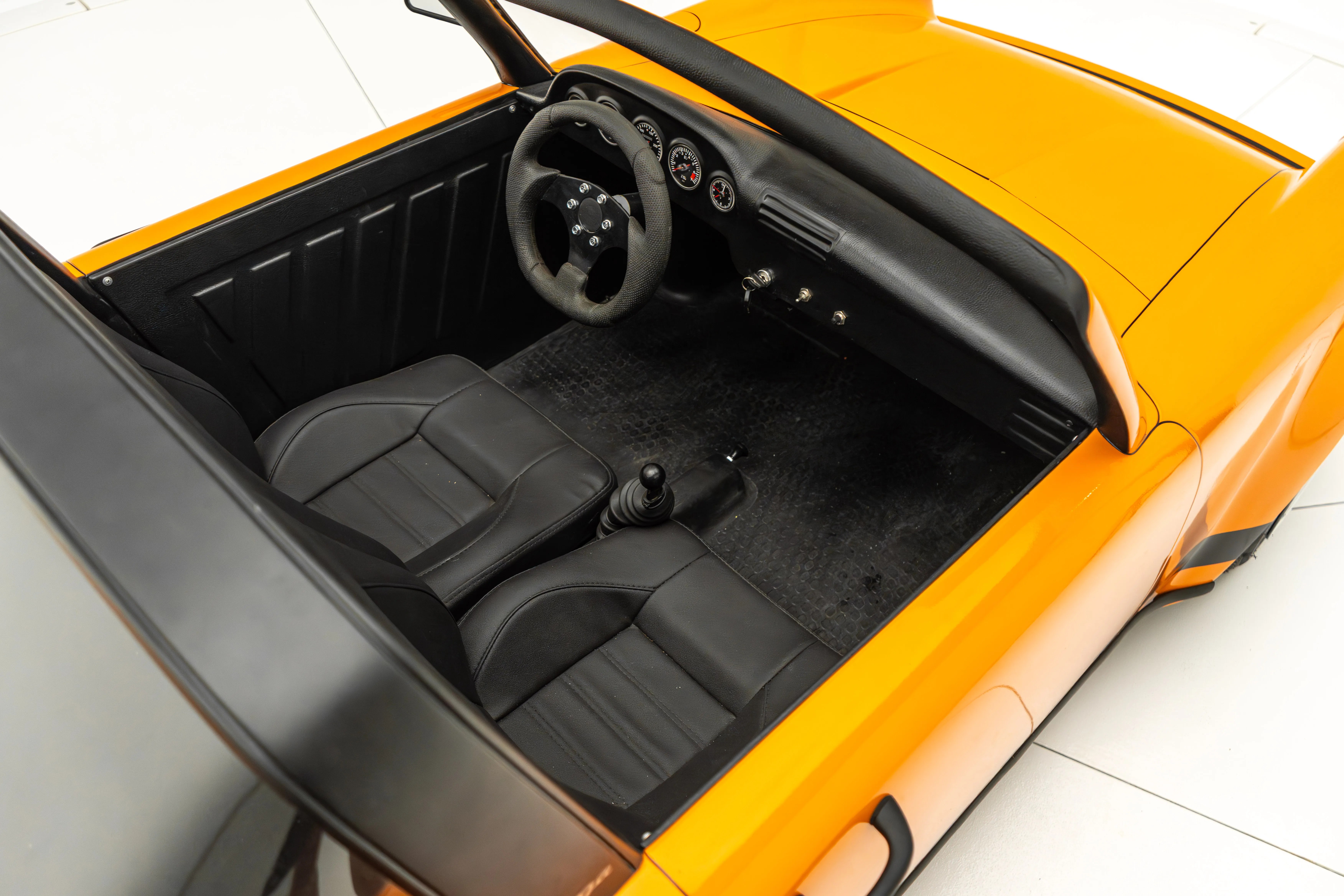
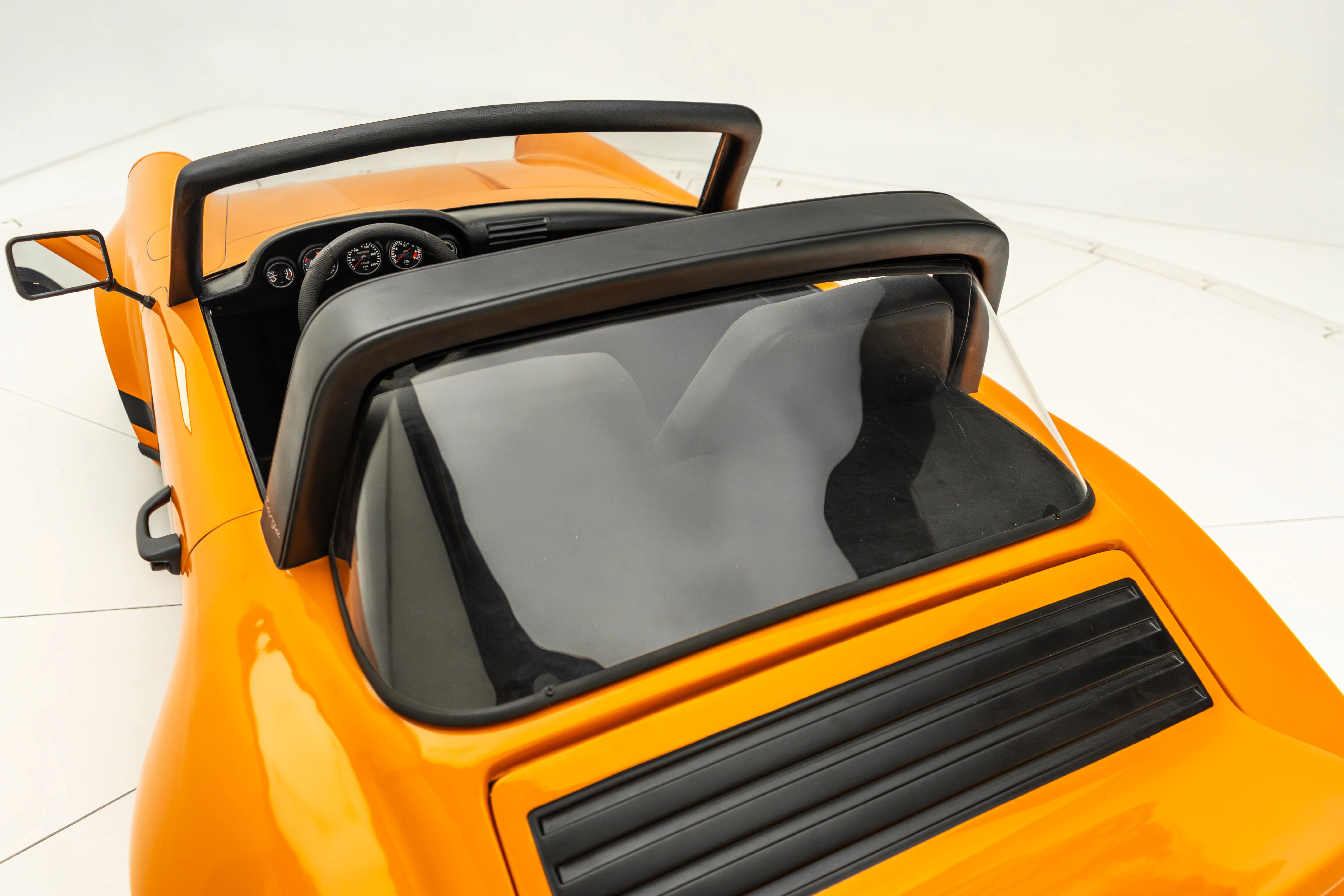
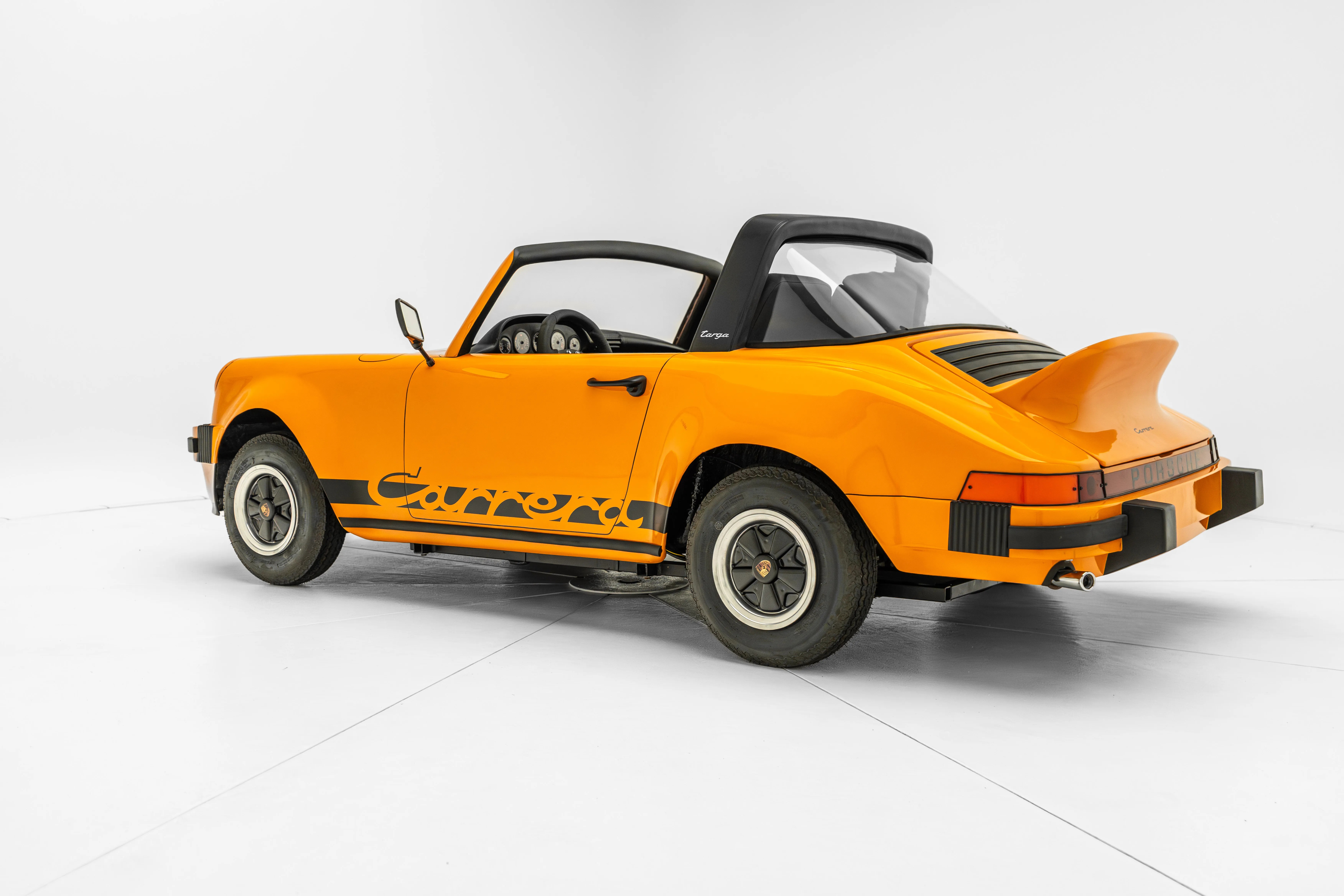
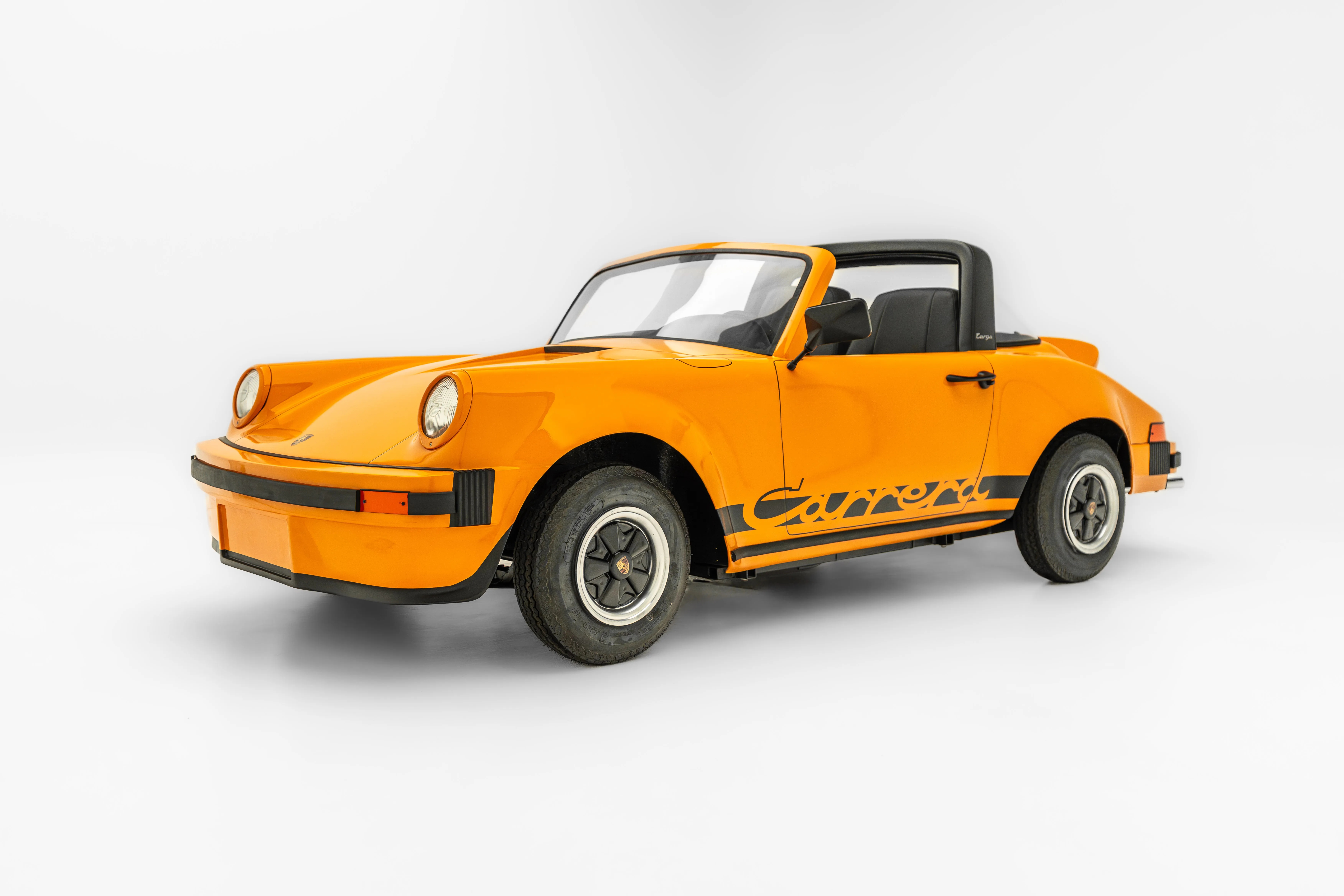

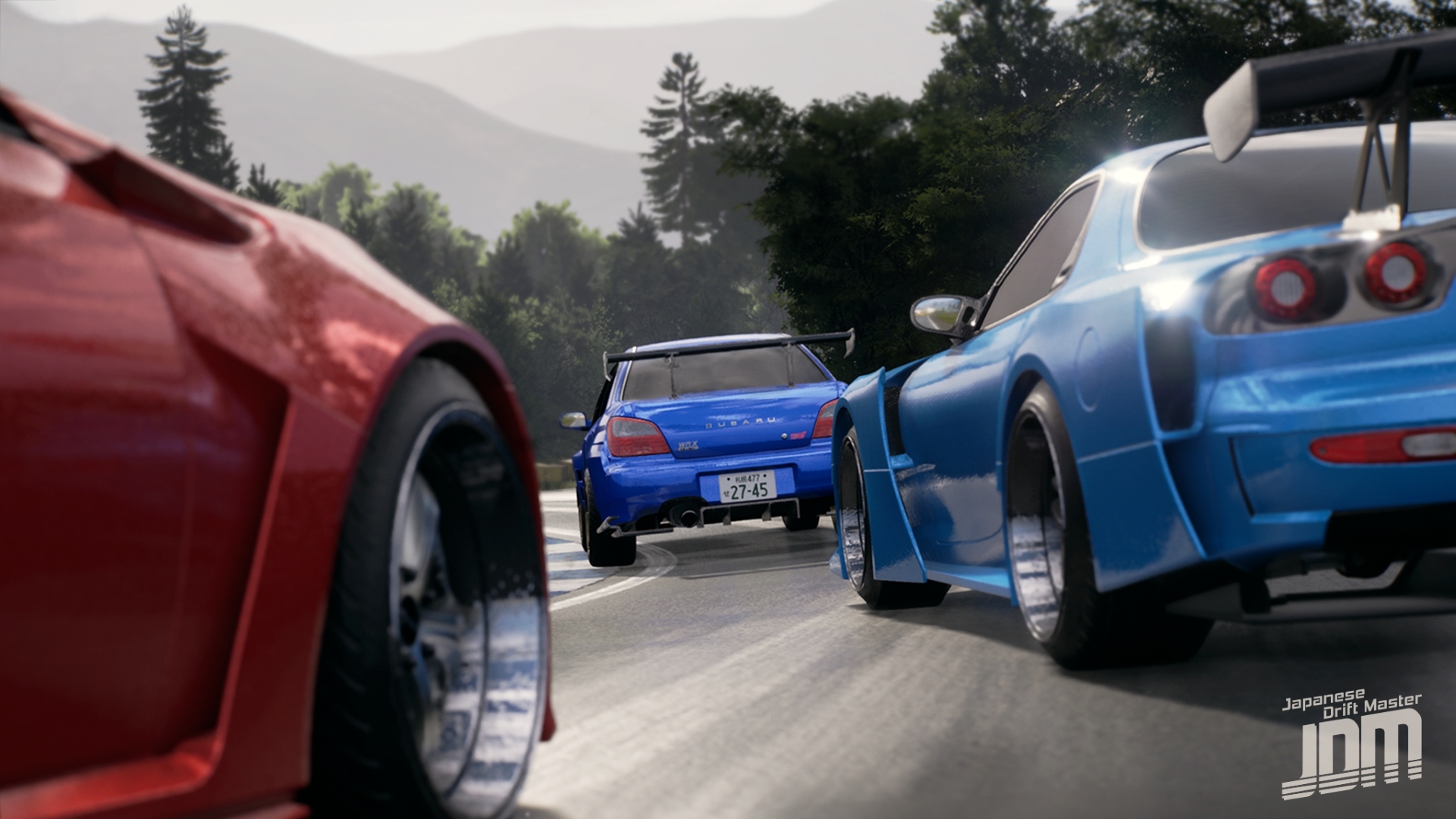
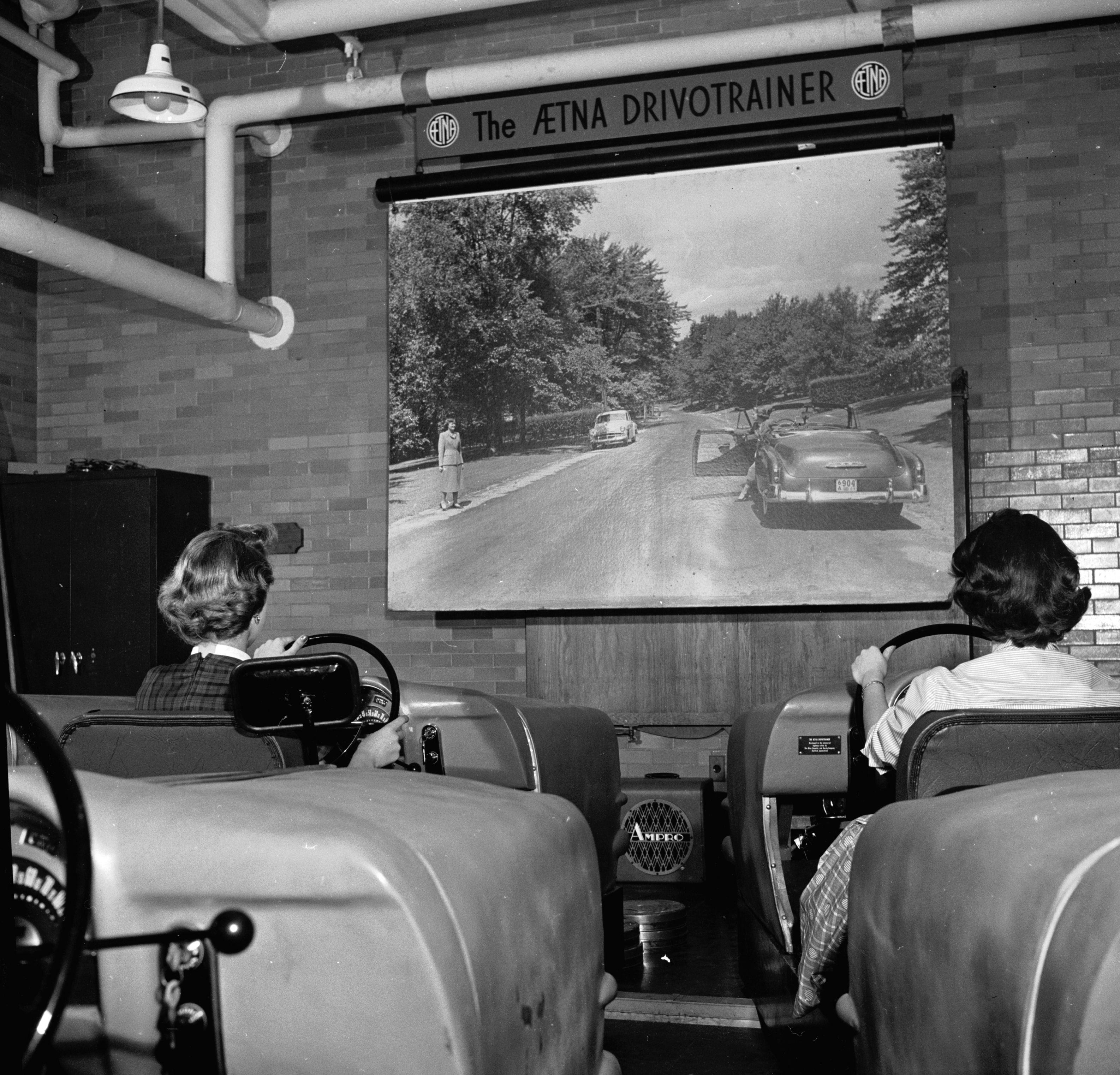

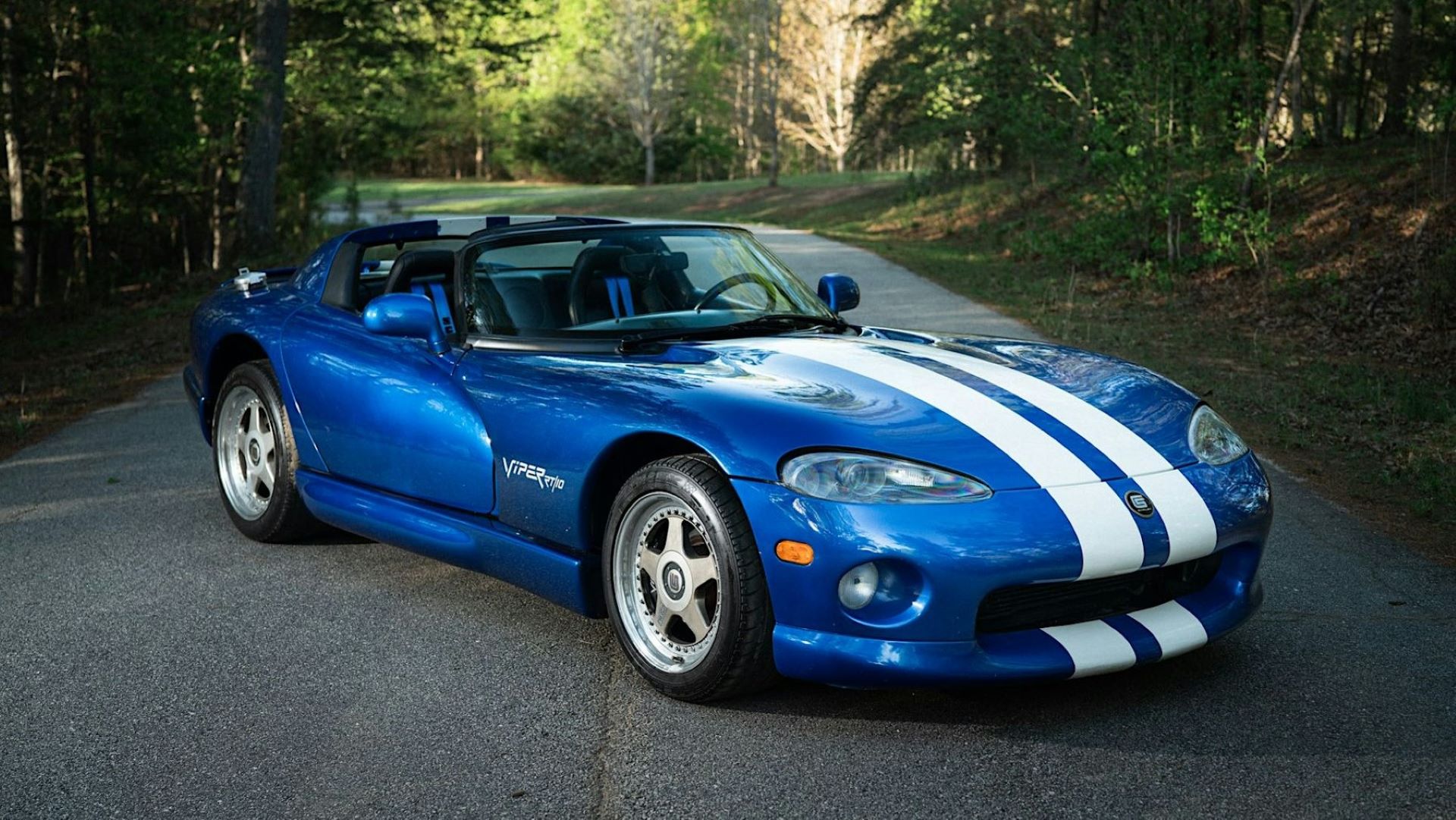

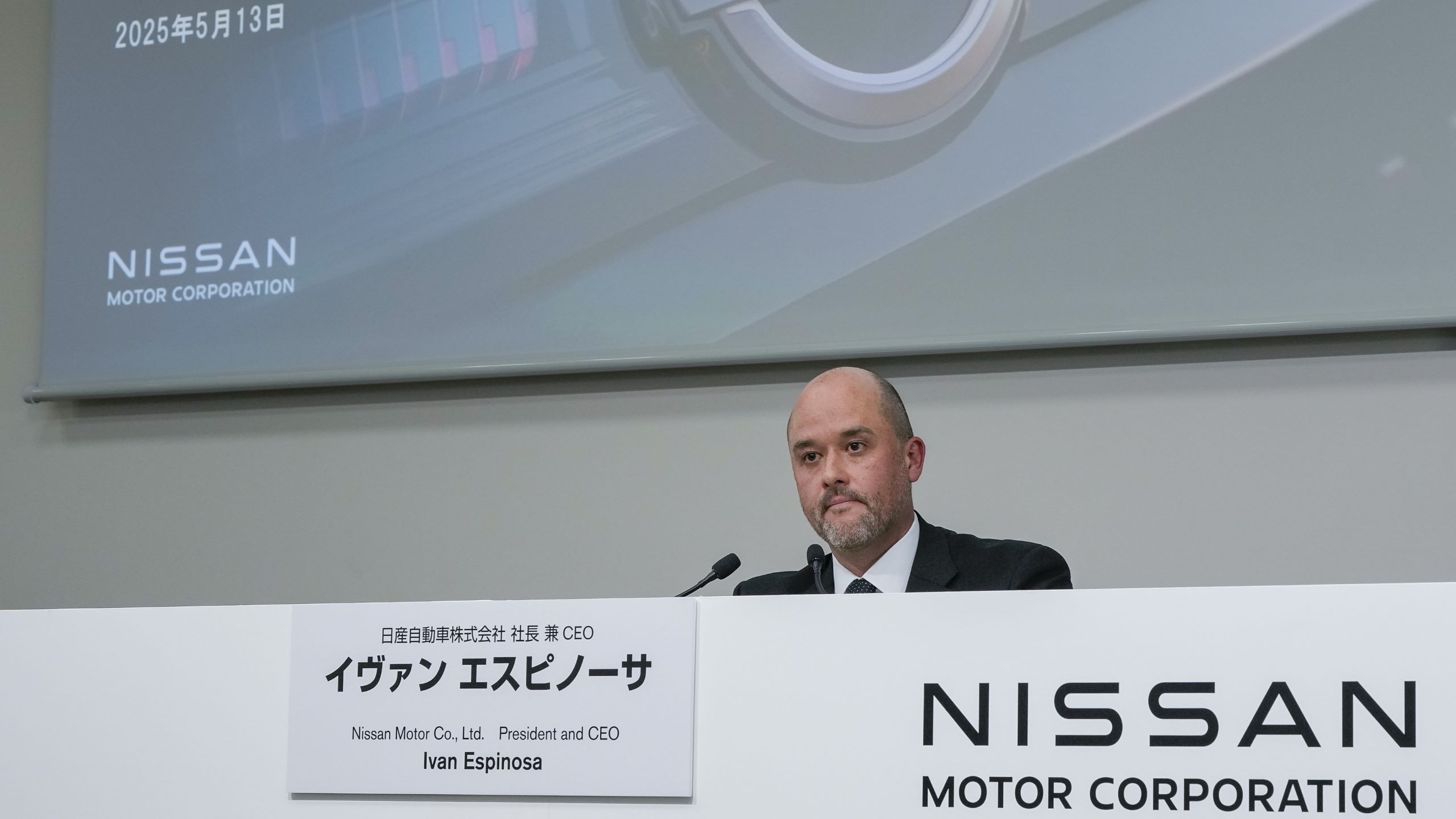
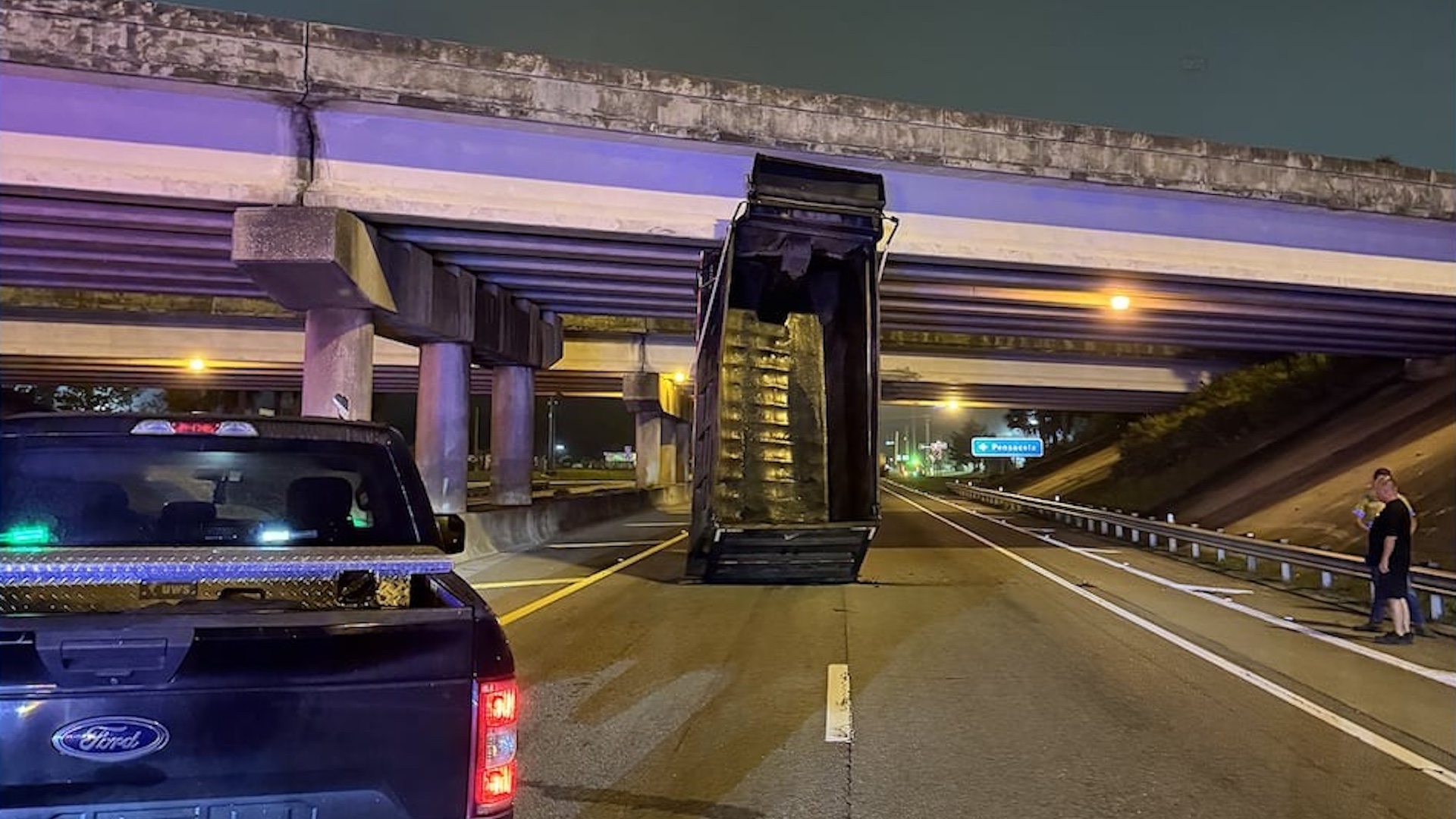
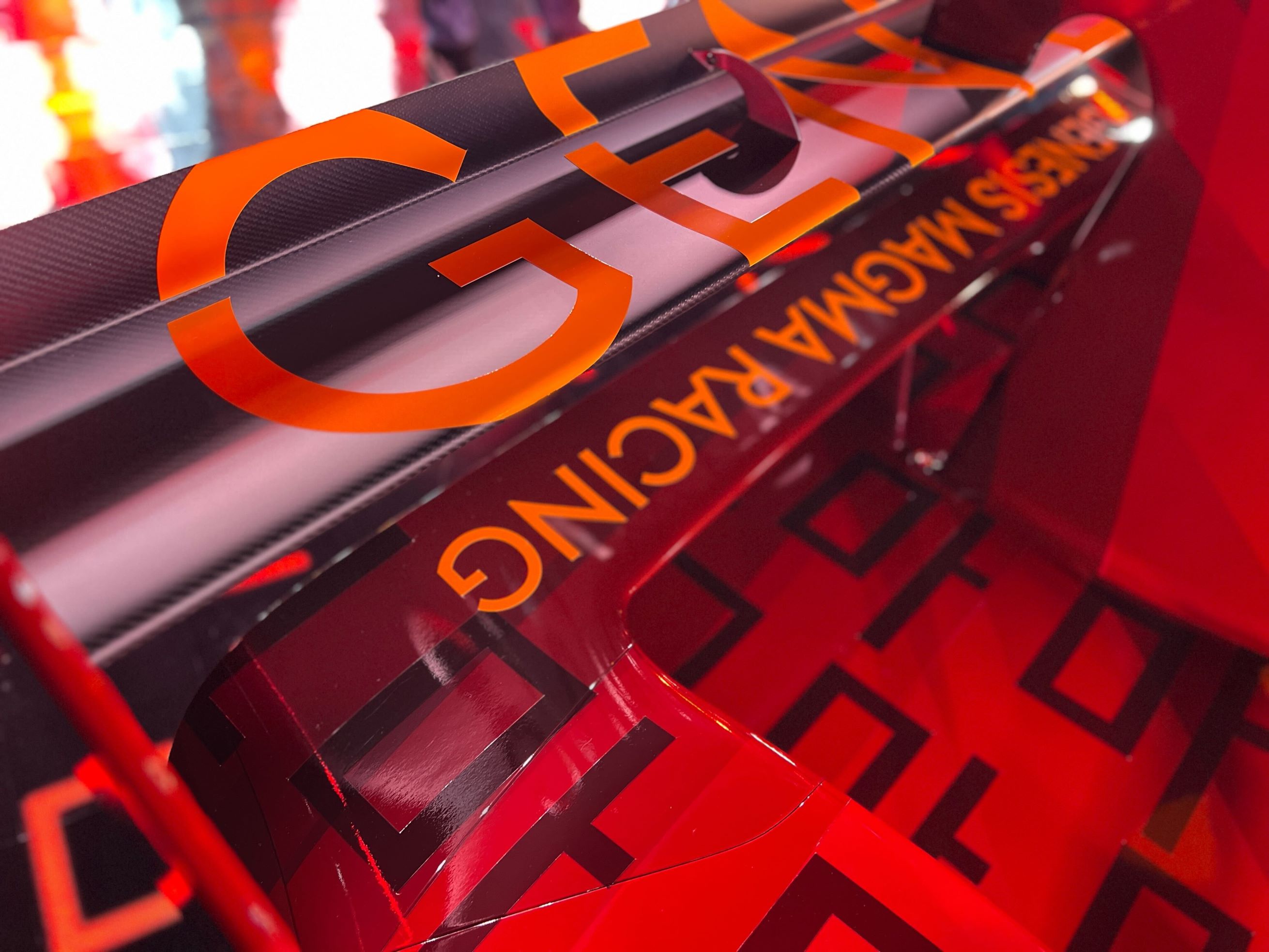
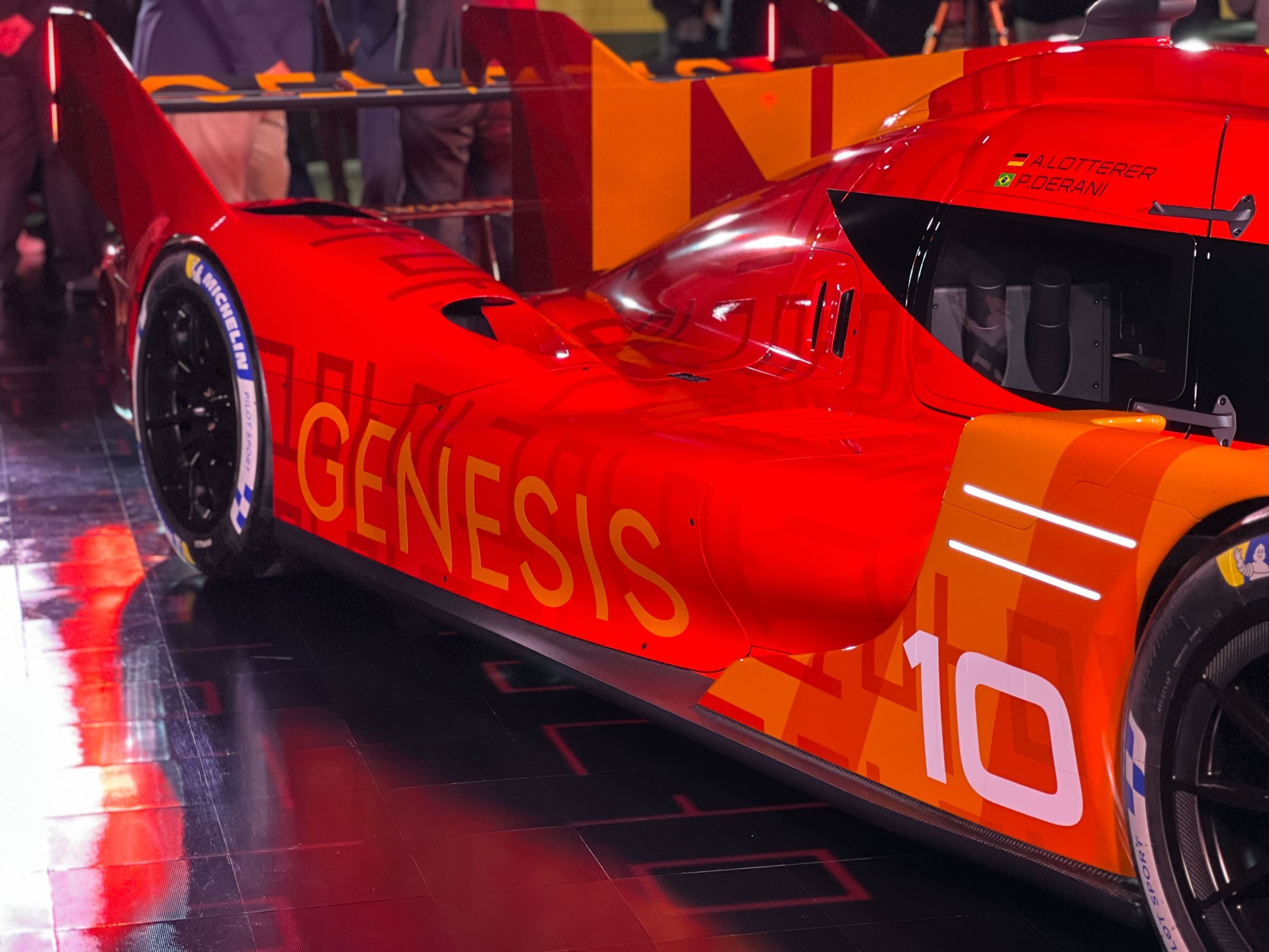
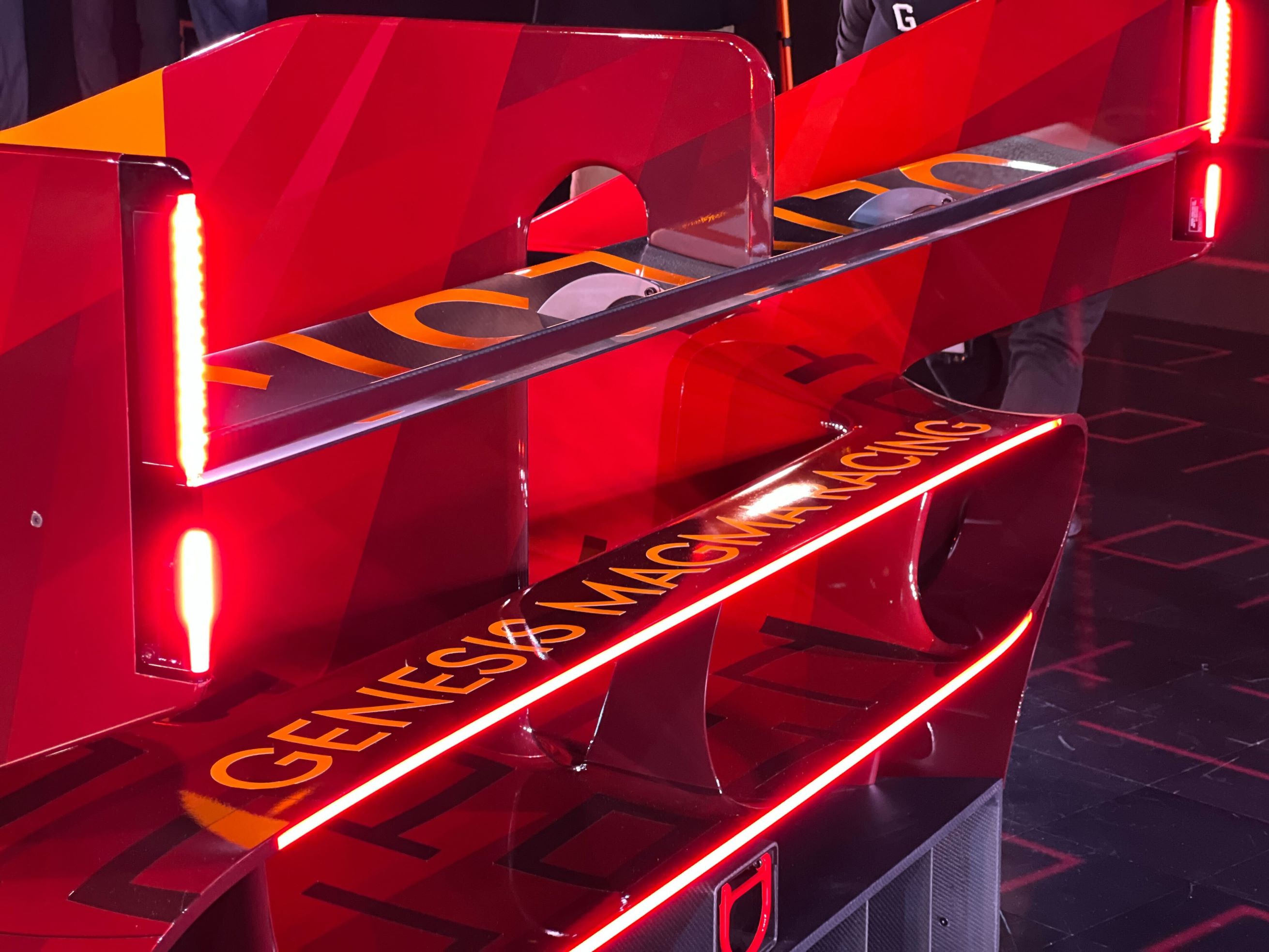

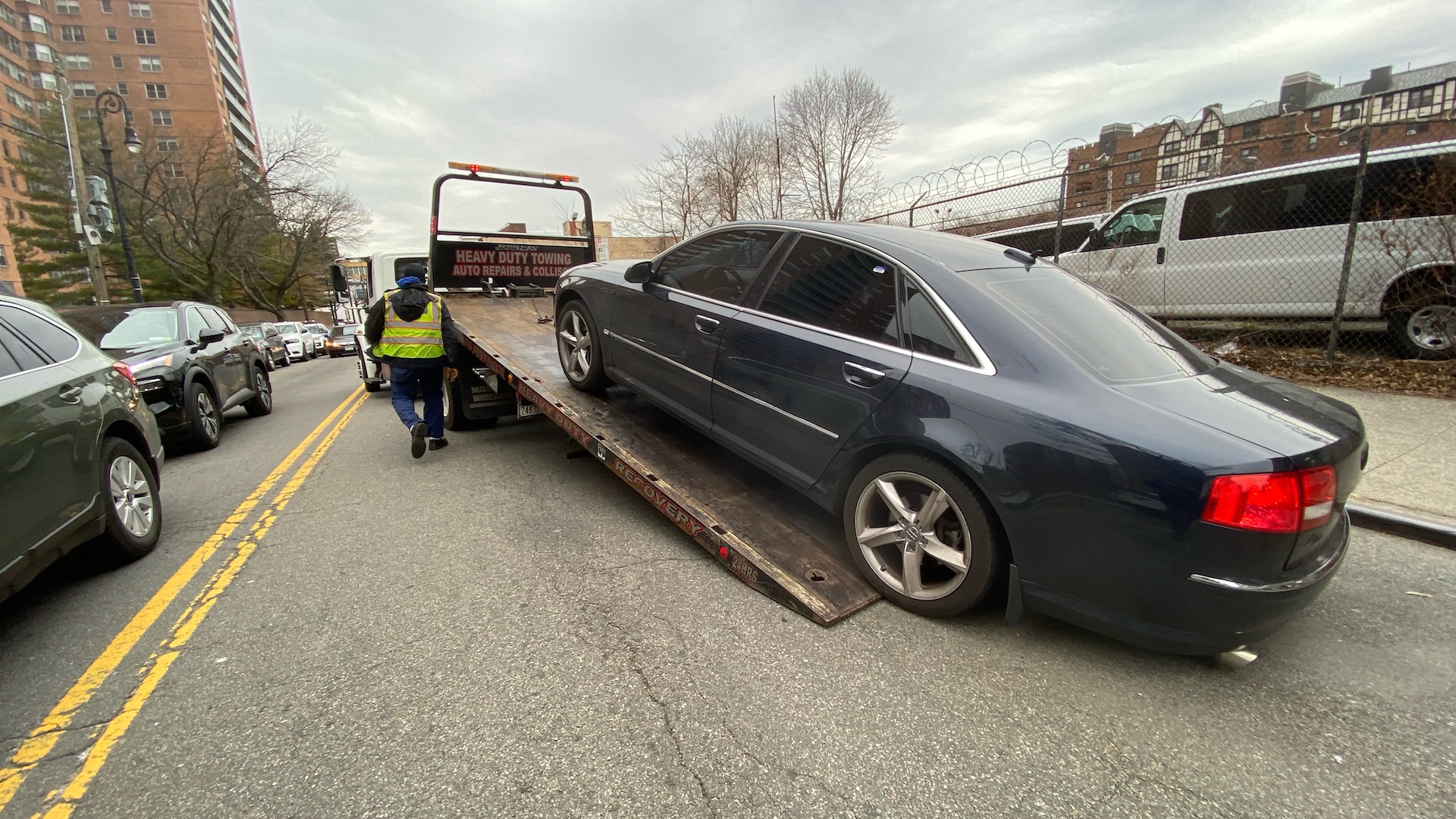


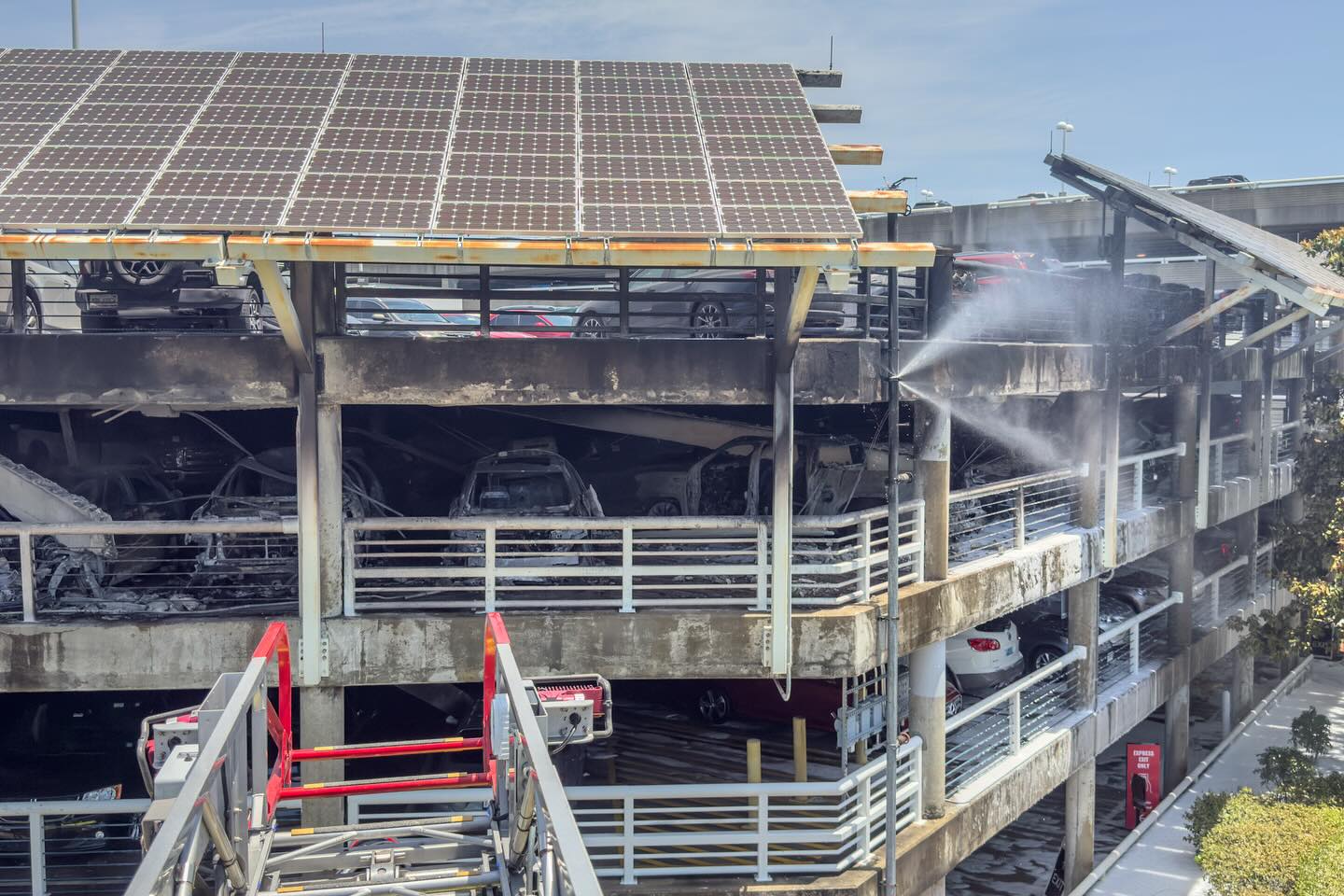


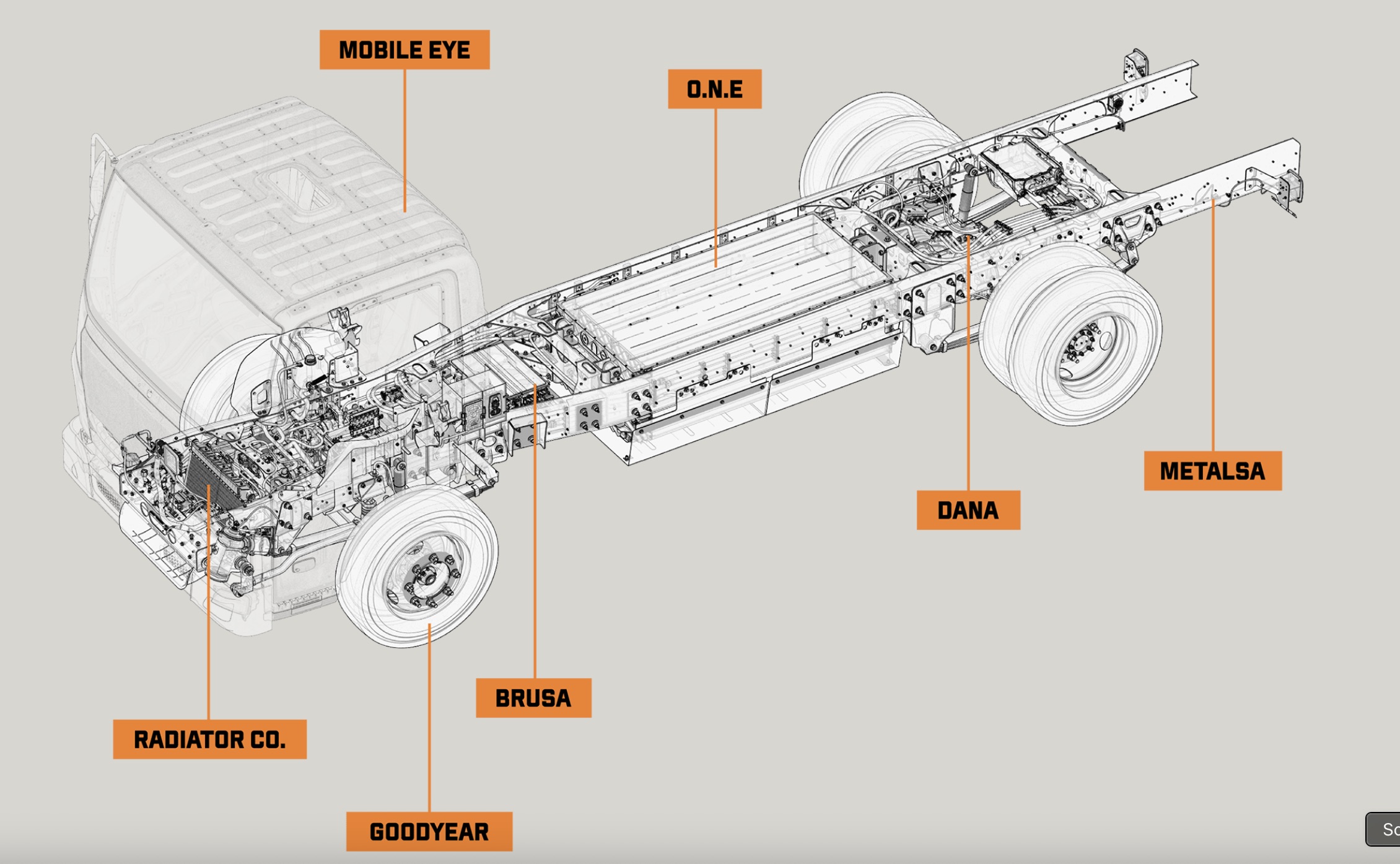

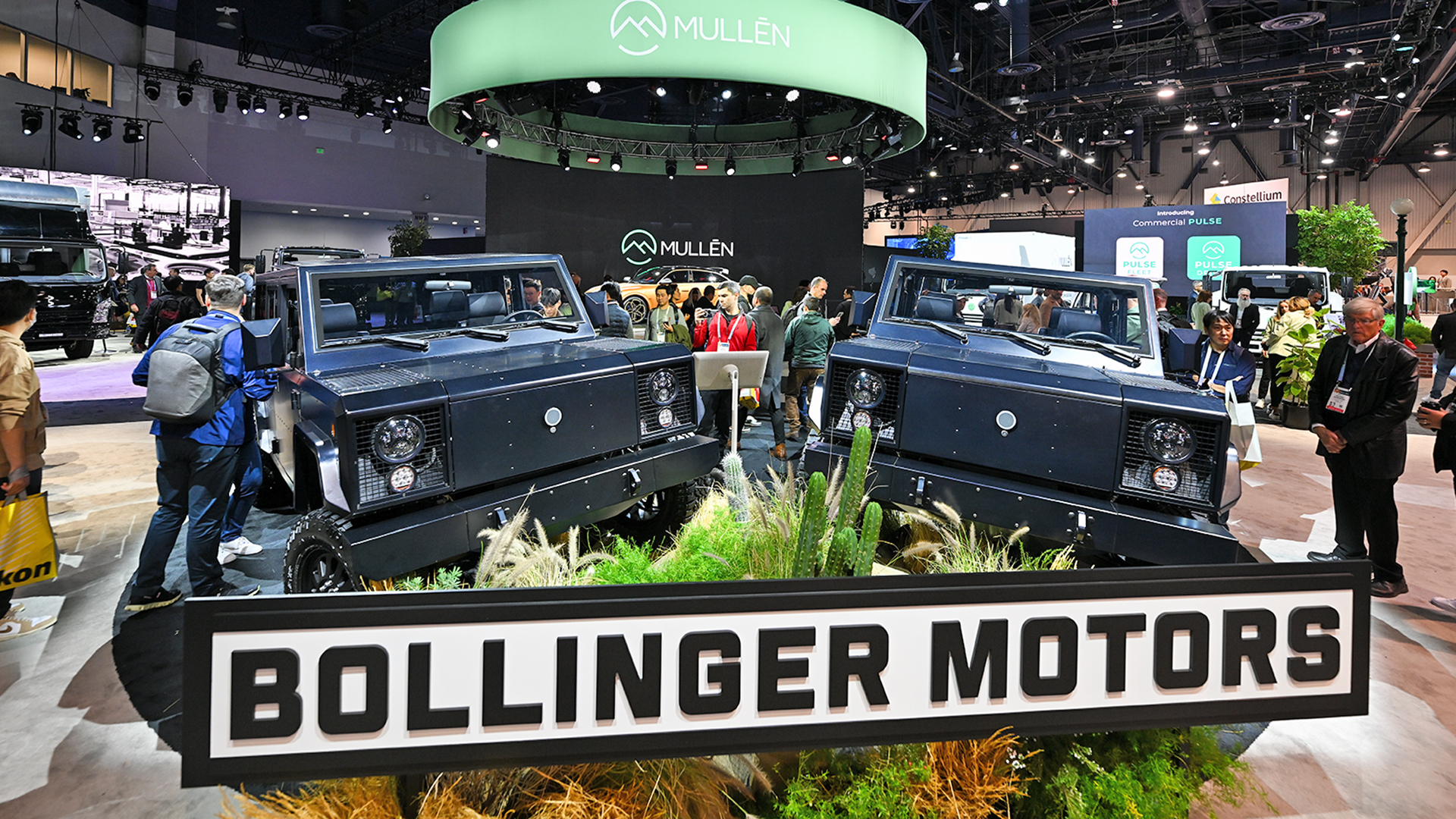
 That’s our testing vehicle, a Faraday X Prototype Mule.