❌

Normal view

The Ballad Of Belgorod: Listing Equipment Losses During The 2023 Russian Incursion Into Russia

22 May 2023 at 21:54

By Jakub Janovsky, naalsio26, Aloha, Dan, Stijn Mitzer, Joost Oliemans and Kemal
 
A group of Russian insurgents known as the Freedom of Russia Legion, who are aligned with the Ukrainian Armed Forces, crossed the border with Russia's Belgorod Oblast on the 22th of May 2023. The Freedom of Russia Legion, a unit that consists only of Russian volunteers, subsequently announced that it and the Russian Volunteer Corps (a different group reportedly responsible for an incursion into the Bryansk region in March) had secured the village of Kozinka in the Belgorod region, and that its forward detachments had entered the town of Grayvoron. 
 
A Ukrainian official acknowledged that the Freedom of Russia Legion had carried out a cross-border incursion in the area but stressed they were acting independently. [1] Vyacheslav Gladkov, the governor of Russia's Belgorod region, announced Monday that a ''Ukrainian military sabotage and reconnaissance group'' had entered the region’s Grayvoronsky district. ''Russian military forces as well as the border service, the Russian National Guard, and the Federal Security Service, are taking the necessary steps to eliminate the enemy,'' Gladkov vowed on Telegram. [2]

A list of the destroyed and captured vehicles of both sides can be seen below. This list only includes captured or destroyed vehicles and equipment of which photo or videographic evidence is available. Civilian vehicles are not included in this list.
 

(Click on the numbers to get a picture of each individual captured or destroyed vehicle)


Russia (5, of which destroyed: 3, captured: 2)


Infantry Fighting Vehicles (1, of which captured: 1)


Towed Artillery (1, of which destroyed: 1)


Vehicles (3, of which destroyed: 2, captured: 1)


Freedom of Russia Legion (8, of which destroyed: 2, captured: 6)


Mine-Resistant Ambush Protected (MRAP) Vehicles (2, of which captured: 2)


Infantry Mobility Vehicles (5, of which destroyed: 1, captured: 4)


Vehicles (1, of which destroyed: 1)

 
[1] Russia accuses Ukraine of mounting ‘sabotage’ attack across border https://edition.cnn.com/2023/05/22/europe/belgorod-ukrainian-forces-russian-territory-intl/index.html
 
Recommended Articles:
 
Russia’s Wars: Listing Equipment Losses During The 1992 Moldo-Russian War

Denmark Reporting For Duty: Danish Military Support To Ukraine

17 May 2023 at 21:29

By Stijn Mitzer and Joost Oliemans
 
The following list attempts to keep track of military equipment delivered or pledged to Ukraine by Denmark during the Russian invasion of Ukraine. The entries below are sorted by armament category (with a flag denoting the country of origin), and due to the confidential nature of some arms deliveries they can serve only as a lower bound to the total volume delivered. This list is updated as further military support is uncovered.
 
(Click on the equipment type or vehicle to get a picture or source link)
 

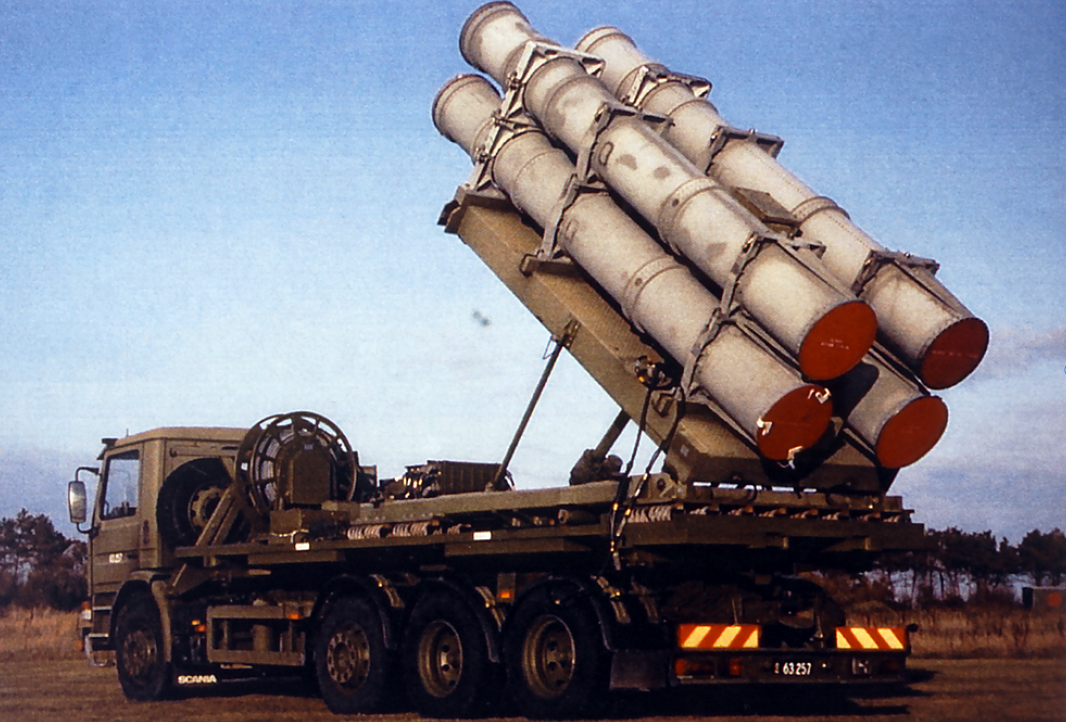
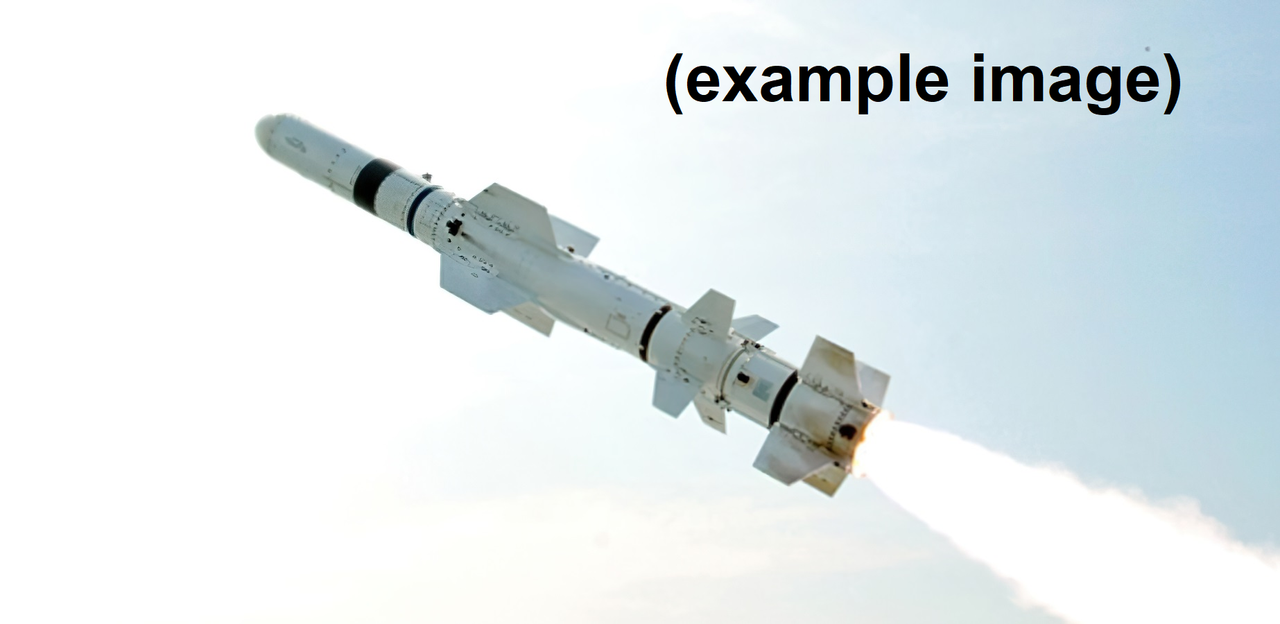
Coastal Defence Missile Systems (CDS) And Missiles


Self-Propelled Artillery


Tanks

  • 33 (Out Of 100) Leopard 1A5s [To be delivered] (In cooperation with Germany and the Netherlands)
  • 7 (Out Of 14) Leopard 2A4s [To be delivered] (In cooperation with the Netherlands)


Armoured Personnel Carriers (APCs)

  • 54 M113G3DK/G4DKs [July and August 2022] (M113s taken from Danish stocks and subsequently overhauled with German funding)

Engineering Vehicles And Equipment


Vehicles

  • 2 Toyota Land Cruisers [2022/2023]
 

Heavy Mortars

  • Missing flag.png Heavy Mortars [2022]
 

Man-Portable Air Defence Systems (MANPADS) And Missiles

  • 407 Stinger Missiles [2022] (Delivered along with 330 grip stocks and 810 batteries)


Reconnaissance UAVs


Unmanned Underwater Vehicles

  • Missing flag.png Mine-Detecting Underwater Vehicles [2022/2023]
 

Radars

  • Missing flag.png Anti-Drone Radars [2022/2023]

Anti-Tank Weaponry


Small Arms

  • 54 M2 Heavy Machine Guns [July and August 2022] (For M113G3DK/G4DK APCs)
 

Ammunition

  • Missing flag.png 19.000+ 155mm Artillery Rounds (For the Towed Artillery And SPGs) [2022 and 2023] (In cooperation with Norway)
  • 120mm BGR M/50 Mortar Rounds [Before August 2022]
  • 5600 Rounds For The 84mm Carl Gustaf Recoilless Rifle [Late 2022 or early 2023]
  • 29.000 Rounds Of RPG-7 Ammunition [2022/2023] (Bought from a third country and delivered to Ukraine)
  • Missing flag.png 5.56mm Ammunition For Small Arms [2022]


Military Clothing And Gear

  • Night-Vision Goggles [2022/2023]
  • 500 Lightweight CBRN Protective Suits [2022/2023] 
  • 3000 Protective Vests [2022/2023]
  • 2000 Pieces Of Protective Equipment [2022/2023] 
  • 300 Sleeping Bags [2022/2023]
  • 3000 Sleeping Mats [2022/2023]
  • 232.500 Meal, Ready-to-Eat (MREs) [2022/2023]
  • 2200 First Aid Bags [2022/2023]
  • 11.000 Compress Dressings [2022/2023]
  • 15.000 Sets Of Rainwear [2022/2023]
  • 8000 Hats [2022/2023]
  • 5000 Heat And Release Gloves [2022/2023]


Miscellaneous Equipment

  • 15 Mobile Workshops For The Repair Of Large Vehicles [2022/2023]
  • Spare Parts For The M109 SPG [2022/2023]
  • 1 Field Hospital [2022/2023]
  • 1 Tent Camp For 320 People [2022/2023]
  • 6 Hangar Tents [2022/2023] 
  • 96 Living Containers [2022/2023]
  • 15 Military (Hardened) Generators [2022/2023] 
  • 12 Electric Generators [2022/2023]
  • 3 Radio Transmitters (AM) [2022/2023]  
  • 4 Fire Extinguishing Modules [2022/2023]  
  • 2 Breach Packs [2022/2023] 
  • 20 Heat Torches [2022/2023]  
  • 10 Hand-Held Chemical Detectors [2022/2023] 
  • Medical Equipment [2022/2023]
  • Fuel [2022/2023] 
 
Recommended Articles:
 
Vikings For Victory: Norwegian Arms Transfers To Ukraine

List Listing: The Oryx List of Lists

1 April 2023 at 01:32

By Stijn Mitzer and Joost Oliemans
 
People who want to appear clever rely on memory. People who want to get things done make lists. (By Peter McWilliams)

This page is a list of lists — a list of pages that are other list articles. Each of the pages linked here is an index to a list on a topic. Some of the linked pages may contain lists of lists as well. This list only includes lists of which documented evidence is available. All possible effort has gone into avoiding listing duplicate lists. This list is constantly updated as additional lists are created.

(Click on the list to get a list)


Lists - 125


2014 (4)


2015 (1)


2016 (2)


2017 (3)


2021 (21)


2022 (74)


2023 (35)


The abacus is mightier than the sword.

Header image by Matteo Br. Last image by Track of all jades.

Recommended Lists:


Fall Gelb: Documenting Equipment Losses During The 1940 German Invasion Of Luxembourg

24 March 2023 at 01:04


By Stijn Mitzer and Joost Oliemans

The Battle for Luxembourg was a short battle between the Luxembourg Gendarmerie, Volunteer Corps and the German Wehrmacht that resulted in a swift victory for Nazi Germany. The invasion that prompted it began on the 10th of May 1940 and lasted just one day. As a result of the 1867 Treaty of London, Luxembourg had no army and relied on a small force of Gendarmes and volunteers for its defence. Despite not even possessing an army, Luxembourg still managed to fend off the German Blitzkrieg longer than Denmark, which despite actually possessing an army and air force surrendered after just two hours of fighting when it got invaded by Nazi Germany on the 9th of April 1940.

The German invasion of Luxembourg commenced at 04:35 when three Panzer Divisions crossed the border into Luxembourg. Ramps and explosives were used to cross the Schuster Line's barricades. Apart from sporadic exchanges of fire, the Germans did not encounter any significant resistance as the majority of the Volunteer Corps remained confined to their barracks. A handful of German soldiers secured the bridge at Wormeldange and captured the two customs officers there, who had demanded that the Germans halt their advance. The partially destroyed bridge over the Sauer was quickly repaired by German engineers, allowing the crossing of Panzers further into Luxembourg.

Communications from border posts to the Gendarmerie and Volunteer Corps headquarters informed the Luxembourgish government and Grand Ducal court that the invasion had begun. At 06:30 the majority of the government evacuated the capital by motorcade to the border town of Esch. In Esch a group of 125 German soldiers had landed by Fi 156 Storchs to secure the area until the main invasion force arrived. A lone Gendarme confronted the 125 soldiers and demanded that they leave, but was taken prisoner instead. The government motorcade, along with the Grand Duchess of Luxembourg, managed to avoid capture in Esch by fleeing to France over countryside roads.

Rifle-toting Luxembourgish Gendarmes pose in front of a barricade of the Schuster Line shortly before the invasion of Luxembourg. Others Gendarmes were armed with Model 1884 revolvers fitted with a tiny little spike bayonet.

At 08:00, elements of the French 3rd Light Cavalry Division supported by the 1st Spahi Brigade and the 5th Armoured Battalion, crossed the southern border into Luxembourg in a failed attempt to launch a probing attack on German forces. The Royal Air Force, impatient with the reluctance of the French Air Force to conduct sorties against the advancing Germans, ordered several flights of Fairey Battle light bombers stationed in France to carry out daylight low-level attacks against the advancing German military columns. Above Luxembourg the aircraft encountered heavy anti-aircraft fire and suffered significant losses. Nine aircraft were lost on May 10th and a further two on May 11th. [1]
 

A crashed Fairey Battle at Hierzenhaff, the 10th of May 1940. The crew of three was pulled out of the burning wreckage by German soldiers, but Flying Officer Douglas Cameron would later succumb to his injuries in a local hospital

In the meantime the Gendarmerie continued resisting the German troops to little avail; the capital city was occupied before noon. By the evening of the 10th May 1940, most of the country, with the exception of the south, was occupied by German forces. Total Luxembourgish casualties amounted to seven WIA (six gendarmes and one soldier), while the Wehrmacht suffered 36 KIA. On the 11th of May the Luxembourgish government reached Paris and installed itself in the Luxembourg legation. Fearing German aerial attacks, the government moved further south, first to Fontainebleau, and then Poitiers. It later moved to Portugal and the United Kingdom, before finally settling in Canada for the remainder of the war. In exile, the Grand Duchess Charlotte became an important symbol of national unity.

A car passes through one of the 41 concrete blocks and iron gates of the Schuster Line that proved unable to substantially delay the advance of the German Wehrmacht.

A list of the destroyed and captured equipment of both sides can be seen below. Horses are not included in this list. This list will be updated if additional evidence of equipment losses becomes available.


Nazi Germany (0)


Luxembourg (Unknown)


Bicycles

  • An Unknown Number of Government-Issued Bicycles: (A lot, captured)


France (0)


Tanks (3, of which destroyed: 3)

  • France 3 Renault R35: (1, 2 and 3, destroyed)


United Kingdom (11)


Aircraft (11, of which destroyed: 11)

  • 11 Fairey Battle: (1, K 9183, destroyed) (2, L5540, destroyed) (3, L5247, destroyed) (4, L5190, destroyed) (5, L5578, destroyed) (6, P2200, destroyed) (7, K9264, destroyed) (8, K9372, destroyed) (9, K9390, destroyed) (10, P2203, destroyed) (11, P2249, destroyed)

 
[1] Fairey Battle crash site in Luxembourg http://www.rafcommands.com/archive/10294.php

Recommended Articles:
 

The North Korea Of Europe: Listing Socialist Albania’s Military Equipment

21 March 2023 at 11:05

By Stijn Mitzer and Joost Oliemans
 
The People's Socialist Republic of Albania was a Marxist-Leninist one party state that existed from 1946 until 1991. Throughout much of its existence, the country was led by Enver Hoxha, who ruled Albania by establishing a Stalinist style of governance known as Hoxhaism. Despite far-reaching similarities with North Korea, Albania and its authoritarian ruler arguably constitute a forgotten chapter of the Cold War period. Albania's close ties with the Soviet Union until the Albanian–Soviet split in 1961, then with China until the Sino-Albanian split in 1978 and ultimately its almost complete international isolation from 1978 onwards had a profound effect on the equipment inventory and operational readiness of the Albanian People's Army (UPSh). To this day, the UPSh remains the only European military to have been mostly equipped with Chinese-made weaponry, aircraft, ships and other equipment.

Albania is well known for the many bunkers still scattered across its mountainous landscape today. Highly paranoid of an impeding invasion by neighbouring Yugoslavia, Enver Hoxha ordered the construction of some 750.000 bunkers (for a population of less than 3 million) throughout the entirety of the country. These were to be manned largely by civilians armed with WWII-era Mosin-Nagant rifles and PPS(h) submachine guns, but notably lacking portable anti-tank weaponry. A more sensible development came in the form of extensive tunnel systems carved out in Albania's mountains, which could house much of the air force, navy and the army's heavy equipment. Had Yugoslavia ever seriously contemplated an invasion of Albania, it is possible that the huge numbers of bunkers – as ineffective as they might have been in their intended role of halting a mechanised assault – would have succeeded in deterring Yugoslavia from occupying the entirety of the country simply for the perceived effort of destroying or bypassing them.

While North Korea carefully played the Soviet Union and China to economically and militarily benefit the most from both countries, Hoxha broke off relations with the Soviet Union in 1961, and open criticism on China's foreign policy led the latter to break off relations with Albania in 1978. From that point on, the country was virtually cut off from the outside world and no longer able to procure spare parts or replenish its ageing equipment inventory. Though the reopening of trade with China in the early 1980s enabled Albania to once again acquire spare parts, it would take until the 1990s before Albania purchased any new weaponry again (consisting of HJ-8 ATGMs and HN-5 MANPADS). [1] Before the 1990s, equipment like ATGMs and MANPADS was entirely absent, with the UPSh instead deploying a fleet some 700 MBTs, 1600 artillery pieces and copious amounts of AA guns to make up for its lack of modern armament.
 
In an effort to at least partially make up for the drought of new acquisitions experienced during the late 1970s and 1980s, Albania also launched the domestic production of a number of small arms types. In addition to the Mosin-Nagant bolt-action rifle and the SKS semi-automatic rifle already produced, these consisted of the Chinese Type 54 HMG, the Type 56 and Type 69 RPGs and the Type 56 assault rifle. These Chinese designs subsequently formed the basis for a number of indigenous variations manufactured well into the 1990s. [2] Ironically, Albania was the last country to produce the Soviet Mosin-Nagant, producing a final batch as late as 1961! [3] The 1997 Albanian Civil War resulted in the looting of many of these arms from weapons depots around the country, with sizeable quantities later making their way to Kosovo. Most of the other Chinese and Soviet-made weaponry has since been scrapped or survives in museums. Still, some Albanian armament has managed to endure in active stocks long enough to be sent to Ukraine in 2022, where its Chinese markings caused speculation about hitherto unreported weapons deliveries of China – while their real provenance is thus much older. [4]
 
This list attempts to list all AFV types in service with the Albanian People's Army
until 1991. This list only includes vehicles and equipment of which (photographic) evidence is available.
 
(Click on the equipment to get a picture of them in Albanian service)
 

Tanks


Tank Destroyers


Armoured Fighting Vehicles


Armoured Personnel Carriers


Engineering Vehicles And Equipment


Artillery Tractors


Heavy Mortars


Towed Artillery


Multiple Rocket Launchers


Anti-Aircraft Guns


Static Surface-To-Air Missile Systems


Radars


Utility Vehicles


Trucks


Albanian HQ-2 surface-to-air missile (SAM) systems are paraded through Tirana.

[1] https://i.postimg.cc/cHzWxzGk/e3.png

Russia’s Wars: Listing Equipment Losses During The 1992 Moldo-Russian War

20 March 2023 at 19:20

By Stijn Mitzer and Joost Oliemans
 
Transnistria owes its existence to a brief war in 1992 between Moldova and Russian-backed separatists who feared that Moldova would become part of Romania after the collapse of the USSR. The war ended when the Russian 14th Army, stationed in what was then the Moldavian Soviet Socialist Republic, intervened on behalf of Transnistria and defeated the forces of the newly independent Republic of Moldova. Despite the fact that armed conflict ceased the same year, the situation in Transnistria remains extremely complicated, with the breakaway state wishing to join the Russian Federation while remaining reliant on Moldova for exporting the limited produce its economy outputs.
 
The Transnistrians began preparing for war already before the fall of the Soviet Union, establishing a number of self-defence militias in the summer of 1990. In 1991, these militias were merged to form a unified fighting force known as the Dniester Guard. Around the same time, hundreds of Russian Cossacks arrived in the region. Alongside local Transnistrians, the Cossacks began raiding weapons depots of the 14th Army and started arming themselves. In one instance, a crowd of Transnistrian civilians succeeded in blocking and later surrounding a unit of the 14th Army that was returning from firing exercises, capturing ten T-64BV MBTs and ten BTR-70 APCs in the process. [1]

After Moldava entered what according to the Moldovan government was and still is Moldovan territory in June 1992, urban warfare ensued in and near the city of Bender. The Transnistrian side deployed several T-64BVs earlier taken over from the 14th Army, marking the combat debut of the T-64. Two T-64s were quickly destroyed by 100mm MT-12 anti-tank guns when they attemped to advance on Moldovan-held parts of Bender however, while four more were damaged or captured. The conflict also witnessed the widespread deployment of DIY armour as civilians struggled to master their freshly seized weaponry, which even included BM-27 Uragan MRLs and MiG-29s on the Moldovan side.

A list of the destroyed and captured vehicles of both sides can be seen below. This list only includes destroyed vehicles and equipment of which photo or videographic evidence is available. Therefore, the amount of equipment destroyed is higher than recorded here. Trucks are not included in this list.
 

(Click on the numbers to get a picture of each individual captured or destroyed vehicle)


Transnistria (10, of which destroyed: 5, damaged: 4, captured: 1)


Tanks (6, of which destroyed: 2, damaged: 3, captured: 1)


Armoured Fighting Vehicles (1, of which damaged: 1)


Improvised Armoured Fighting Vehicles (2, of which destroyed: 2)


Infantry Fighting Vehicles (1, of which destroyed: 1)


Moldova (9, of which destroyed: 7, captured: 2)


Armoured Fighting Vehicles (3, of which destroyed: 3)


Armoured Personnel Carriers (2, of which destroyed: 1, captured: 1)


Towed Artillery (1, of which captured: 1)


Anti-Aircraft Guns (3, of which destroyed: 3)

 
[1] Боевое применение танка Т-64БВ в боях за г. Бендеры http://btvt.info/5library/t64benderi1992.htm

A Visual Guide To North Korea’s Fighting Vehicles

6 March 2023 at 11:08

By Joost Oliemans and Stijn Mitzer
 
The goal of this list is to comprehensively catalogue North Korea's current inventory of vehicles and equipment. In an effort to streamline the list and avoid unnecessary confusion, civilian trucks towing military trailers and military trucks on which missiles, rockets or radars are based are not included in the list. If several configurations of a vehicle with one designation are known, they are added as such. The part within apostrophes refers to an unoffical name, such as the US DoD M-xxxx designation system (referring to the first year the system was identified). A year in square brackets after the designation of a vehicle refer to its perceived date of inception. When available, the range (of missiles) are added in square brackets. All vehicles listed are presumed to still be in use with the Korean People's Army. This list is updated as additional vehicle types are uncovered.
 
Click on the equipment to get a picture of them in North Korean service.


Tanks


Armoured Fighting Vehicles


Anti-Tank Guided Missile Carriers


Infantry Fighting Vehicles


Armoured Personnel Carriers


Infantry Mobility Vehicles


Military Engineering Vehicles


Command Vehicles


Heavy Mortars


Self-Propelled Mortars


Tank Destroyers


Towed Artillery 


Self-Propelled Artillery


Multiple Rocket Launchers


Towed Anti-Aircraft Guns


Self-Propelled Anti-Aircraft Guns (SPAAGs)


Self-Propelled SAM Systems


Static SAM Systems


Coastal Defence Missile Systems


Artillery Rockets


Ballistic Missiles


Ground-Launched Cruise Missiles (GLCMs)


Unmanned Aerial Vehicles (UAVs)


Radars


Recommended Articles:
 

Attrition In Action: List Of Ukrainian Army Equipment Not Yet Destroyed By Russia

3 March 2023 at 08:36

By Stijn Mitzer and Joost Oliemans
  
February 2023 marks one full year of epic struggle on Ukraine's part to preserve its very existence. Rather than succumbing to the invaders beleaguering the country from the North, South and East, it has managed take the initiative in a conflict that was heavily stacked against it. Yet one year also marks the point where the war is beginning to surpass perhaps any conflict since WWII in terms of ferocity and, necessarily, losses. Though these losses are skewed to the Russian side, attrition on the Ukrainian side is also unprecedented, and sustainable only through material support from its allies. With new contingents of Western armament on the way, this list now attempts to denote what types of heavy equipment are known to be in use on the battlefield that have not yet been confirmed destroyed or captured. As opposed, to the Russian counterpart of this list, we might thus expect this list to grow rather than dwindle down as time progresses.

Obviously, not all equipment known to have been developed by Ukraine or pledged delivered by an ally may be actually operational, so to keep things manageable this list will include only those systems that have been acknowledged to be in use with the military. Nevertheless, certain systems may be included or omitted on a case-by-case basis for instance because they are expected to be used operationally or, conversely, because including them would be impractical. Categories that have been excluded are small-sized (EOD) UGVs, civilian-grade UAVs, transport and training aircraft, naval vessels and (armoured) trucks. This list is updated as additional vehicle types are confirmed to be destroyed or captured.

Our list showing Russian Army equipment not yet destroyed or captured in Ukraine can be found here. 

(Click on the equipment type to get a picture of them)


Tanks


Armoured Fighting Vehicles


Unmanned Ground Vehicles


Infantry Fighting Vehicles


Armoured Personnel Carriers


Mine-Resistant Ambush Protected (MRAP) Vehicles


Infantry Mobility Vehicles


Command Posts And Communications Stations

  • 9S457 (For S-300V) (In service with Ukraine before the 2022 invasion)
  • LPG WDSz (For AHS Krab) [June 2022] 

Engineering Vehicles And Equipment


Artillery Support Vehicles And Equipment


Towed Artillery


Self-Propelled Artillery


Multiple Rocket Launchers


Surface-To-Surface Missiles


Short-Range Ballistic Missiles


Coastal Defence Missile Systems


Anti-Aircraft (AA) Guns


Self-Propelled Anti-Aircraft Guns


Surface-To-Air Missile Systems


Radars


Helicopters


Unmanned Aerial Vehicles

 
Special thanks to Buschlaid.
 
Recommended Articles:


Counting Down: List Of Russian Army Equipment Not Yet Destroyed In Ukraine

2 March 2023 at 14:11


By Stijn Mitzer and Joost Oliemans
  
Russia's one year anniversary of its special military operation in Ukraine marks a pivotal point not just for its symbolic significance, but also because it coincides with a sudden realisation on our part. That being that keeping track of the types of armoured fighting vehicles (AFVs) and aircraft in use by the Russian Armed Forces that have been destroyed has become considerably harder than listing those that haven't been, and subtracting from that list as time progresses. Hence, the list that follows.
 
Obviously, not all equipment in use with Russia's military may be deployed in Ukraine or even be actually operational for that matter, so to keep things manageable this list will include only those systems that have been acknowledged to be in mass production. Nevertheless, certain systems may be included or omitted on a case-by-case basis for instance because they are expected to be used operationally or, conversely, because including them would be impractical. Categories that have been excluded are small-sized (EOD) UGVs, civilian-grade UAVs, transport and training aircraft, naval vessels, coastal defence (missile) systems and (armoured) trucks. This list is updated as additional vehicle types are confirmed to be destroyed or captured.

Our list showing Ukrainian Army equipment not yet destroyed or captured can be found here. 
 
(Click on the equipment type to get a picture of it)


Tanks


Armoured Fighting Vehicles


Unmanned Ground (Combat) Vehicles


Armoured Trains


Infantry Fighting Vehicles


Armoured Personnel Carriers


Mine-Resistant Ambush Protected (MRAP) Vehicles


Infantry Mobility Vehicles


Light Strike Vehicles (LSVs)


Engineering Vehicles And Equipment


Self-Propelled Anti-Tank Missile Systems


Artillery Support Vehicles And Equipment


Towed Artillery


Self-Propelled Artillery


Multiple Rocket Launchers


Short-Range Ballistic Missile And Cruise Missile Carriers


Surface-To-Air Missile Systems


Radars


Jammers And Deception Systems


Combat Aircraft


Command And Control Aircraft


Helicopters


Unmanned Aerial Vehicles

 
❌